
Descripción
MICRODUCK × ROBOTIS The makers How it learns Simulator Hardware Specs Visit Pollen ↗ Pollen Robotics / Physical AI / Open software Made to move. Ready to learn. Microduck is a 25 cm biped designed by Pollen Robotics to make robot learning feel tangible: play with trained behaviors first, then inspect, retrain, and deploy the software behind them. Explore at Pollen Robotics ↗ Meet the makers ↓ REAL MICRODUCK COLORWAYS / IMAGE: POLLEN ROBOTICS Creamorange trim Graphiteyellow trim Lavenderyellow trim Skyorange trim 01 / DESIGNED BY POLLEN ROBOTICS Robotics with personality. Microduck comes from Pollen Robotics, the Bordeaux team known for expressive, developer-friendly robots. Founded in 2016 by former Inria researchers, Pollen joined Hugging Face in April 2025 as its robotics team. Microduck is its second consumer robot after Reachy Mini—and carries the same idea that advanced robotics should be approachable, inspectable, and fun to build on. Read Pollen's Microduck story ↗ 2016Pollen Robotics founded BordeauxDesigned in France 2025Joined Hugging Face OpenSoftware, simulation, and RL stack 02 / FROM SIMULATION TO MOTION A behavior is not magic. It is a loop. Choose a stage to see how Pollen’s open robot-learning workflow moves from an idea in simulation to motion on the physical robot. 01Train 02Export 03Deploy 04Refine SIMULATION / MUJOCO + PPO Train a policy in simulation. Pollen’s training environment models the robot, its contacts, and XL330 actuator behavior so a policy can practice at scale before touching hardware. SIM→ONNX→50 Hz→ROBOT LIVE DIGITAL TWIN / HUGGING FACE SPACE Meet Microduck in simulation. Open the browser-based simulator to explore the digital twin behind Microduck’s sim-to-real workflow—before a policy ever commands the physical robot. Interactive demo Runs in your browser Launch the simulator ↗ MICRODUCK / DIGITAL TWIN X Y POLICY ONLINE LOOP 50 Hz STATE READY SIMULATION PREVIEW / OPEN EXTERNAL SPACE ↗ OFFICIAL POLLEN ROBOTICS FOOTAGE See the policies leave simulation. 01 / LOCOMOTION Roller skating Microduck trades footsteps for passive wheels and a skating policy. 02 / RECOVERY Find the balance A physical demonstration of the robot recovering its stance after a disturbance. 03 / INTERACTION Grab and carry The articulated beak becomes part of a learned object-interaction behavior. Video and poster imagery © Pollen Robotics. Served from the official Microduck product media. 03 / THE ROBOT UNDER THE CHARACTER Small platform. Real robotics. Microduck combines sensing, onboard compute, expressive mechanisms, and fifteen controlled joints in a body small enough for a desk. SEE Camera + LiDAR A front camera and compact 8×8 time-of-flight sensor give software a view of the space ahead. FEEL Two IMUs Motion sensing in both the body and head helps represent how the robot is moving. THINK Onboard compute A Rockchip RK3566 runs a 50 Hz policy loop and the robot’s supporting services. INTERACT Articulated beak The beak turns the character’s face into a simple physical interaction tool. THE ROBOTIS CONNECTION DYNAMIXEL behavior, modeled for sim-to-real. Microduck’s open training stack uses an actuator model for the DYNAMIXEL XL330. It accounts for effects such as voltage, friction, command delay, and load behavior—details that matter when a learned policy leaves simulation and commands real joints. Explore the training stack ↗ 04 / QUICK REFERENCE The facts, without the fluff. Some specifications remain provisional. Check Pollen Robotics for the latest production details, availability, and package contents. Size & motion + Height 25 cm Width 14 cm Weight under 800 g Motion 15 degrees of freedom Sensing & interaction + Vision front camera Range compact 8×8 ToF LiDAR Motion sensing two IMUs Interaction articulated beak, microphones, speaker, NFC Compute & connectivity + Compute Rockchip RK3566 with AI accelerator Memory 1 GB RAM / 32 GB storage Wireless Wi-Fi + Bluetooth Policy loop 50 Hz Open software + The SDK, simulation, robot runtime, and reinforcement-learning stack are open source under Apache 2.0. Pollen does not describe the mechanical and electronic design files as open-source hardware. PLAY FIRST / LEARN NEXT / BUILD YOUR OWN Meet the duck. Then teach it something new. Explore / order at Pollen ↗ View open software ↗ Microduck is designed and sold by Pollen Robotics. ROBOTIS is highlighting the project as part of the DYNAMIXEL ecosystem. Current pricing, availability, and order terms are provided by Pollen Robotics.
Pollen Robotics / Physical AI / Open software
Made to move.
Ready to learn.
Microduck is a 25 cm biped designed by Pollen Robotics to make robot learning feel tangible: play with trained behaviors first, then inspect, retrain, and deploy the software behind them.

Creamorange trim
Graphiteyellow trim
Lavenderyellow trim
Skyorange trim
01 / DESIGNED BY POLLEN ROBOTICS
Robotics with
personality.
Microduck comes from Pollen Robotics, the Bordeaux team known for expressive, developer-friendly robots.
Founded in 2016 by former Inria researchers, Pollen joined Hugging Face in April 2025 as its robotics team. Microduck is its second consumer robot after Reachy Mini—and carries the same idea that advanced robotics should be approachable, inspectable, and fun to build on.
Read Pollen's Microduck story ↗02 / FROM SIMULATION TO MOTION
A behavior is not magic.
It is a loop.
Choose a stage to see how Pollen’s open robot-learning workflow moves from an idea in simulation to motion on the physical robot.
01Train
02Export
03Deploy
04Refine
SIMULATION / MUJOCO + PPO
Train a policy in simulation.
Pollen’s training environment models the robot, its contacts, and XL330 actuator behavior so a policy can practice at scale before touching hardware.
LIVE DIGITAL TWIN / HUGGING FACE SPACE
Meet Microduck
in simulation.
Open the browser-based simulator to explore the digital twin behind Microduck’s sim-to-real workflow—before a policy ever commands the physical robot.
Launch the simulator ↗OFFICIAL POLLEN ROBOTICS FOOTAGE
See the policies
leave simulation.
Roller skating
Microduck trades footsteps for passive wheels and a skating policy.
Find the balance
A physical demonstration of the robot recovering its stance after a disturbance.
Grab and carry
The articulated beak becomes part of a learned object-interaction behavior.
Video and poster imagery © Pollen Robotics. Served from the official Microduck product media.
03 / THE ROBOT UNDER THE CHARACTER
Small platform.
Real robotics.
Microduck combines sensing, onboard compute, expressive mechanisms, and fifteen controlled joints in a body small enough for a desk.
Camera + LiDAR
A front camera and compact 8×8 time-of-flight sensor give software a view of the space ahead.
Two IMUs
Motion sensing in both the body and head helps represent how the robot is moving.
Onboard compute
A Rockchip RK3566 runs a 50 Hz policy loop and the robot’s supporting services.
Articulated beak
The beak turns the character’s face into a simple physical interaction tool.
THE ROBOTIS CONNECTION
DYNAMIXEL behavior,
modeled for sim-to-real.
Microduck’s open training stack uses an actuator model for the DYNAMIXEL XL330. It accounts for effects such as voltage, friction, command delay, and load behavior—details that matter when a learned policy leaves simulation and commands real joints.
Explore the training stack ↗04 / QUICK REFERENCE
The facts,
without the fluff.
Some specifications remain provisional. Check Pollen Robotics for the latest production details, availability, and package contents.
Size & motion +
Height 25 cm
Width 14 cm
Weight under 800 g
Motion 15 degrees of freedom
Sensing & interaction +
Vision front camera
Range compact 8×8 ToF LiDAR
Motion sensing two IMUs
Interaction articulated beak, microphones, speaker, NFC
Compute & connectivity +
Compute Rockchip RK3566 with AI accelerator
Memory 1 GB RAM / 32 GB storage
Wireless Wi-Fi + Bluetooth
Policy loop 50 Hz
Open software +
The SDK, simulation, robot runtime, and reinforcement-learning stack are open source under Apache 2.0. Pollen does not describe the mechanical and electronic design files as open-source hardware.
PLAY FIRST / LEARN NEXT / BUILD YOUR OWN
Meet the duck.
Then teach it something new.
Microduck is designed and sold by Pollen Robotics. ROBOTIS is highlighting the project as part of the DYNAMIXEL ecosystem. Current pricing, availability, and order terms are provided by Pollen Robotics.
Historial de precios
Historial del precio medio
Un punto de datos por día, calculado según la fecha de observación.
Precio medio diario
Importes en USD
Los promedios se calculan por día UTC a partir de todos los precios de oferta registrados.
Anuncios relacionados
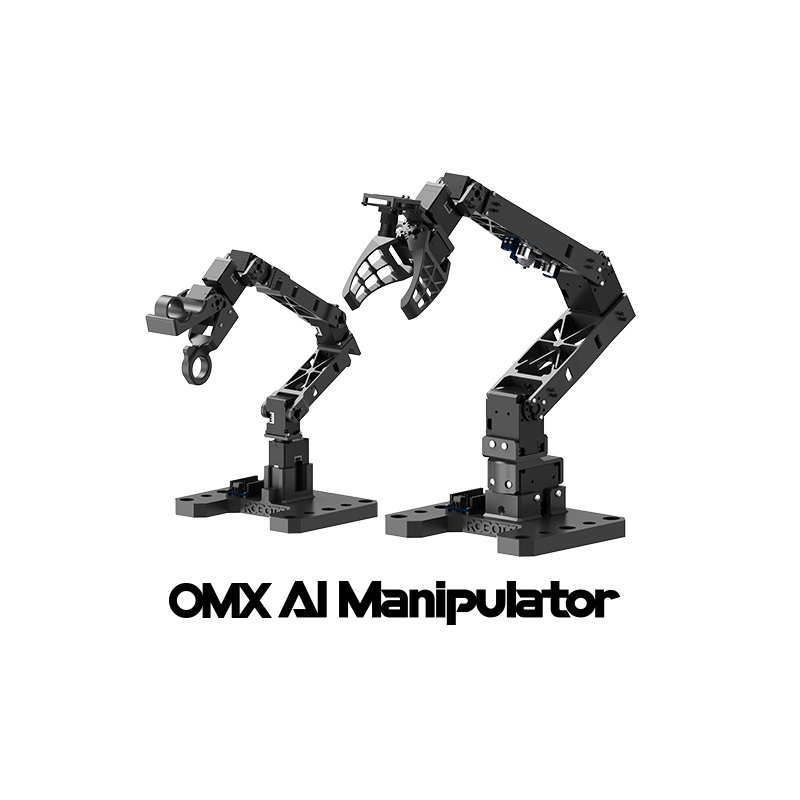
ROBOTIS OMX-AI (INTL) Manipulator
Robotis
416,95 €

ROBOTIS STEM Level 1 [EN]
Robotis
$436,89
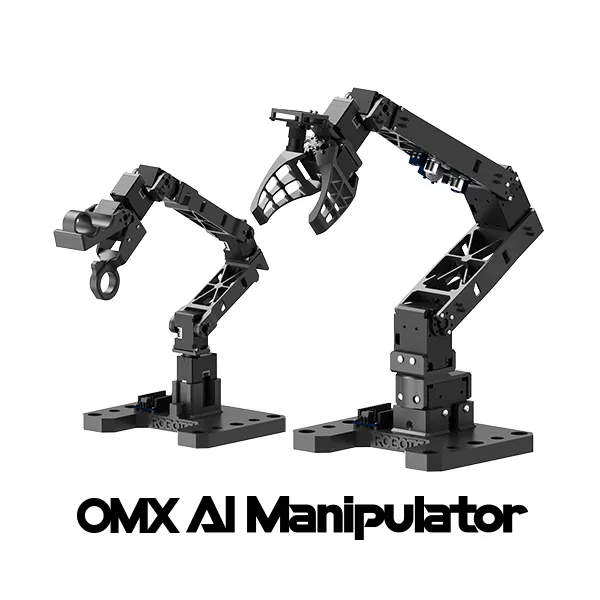
Robotis OMX-AI Robotic Arm
Robotis
444 €
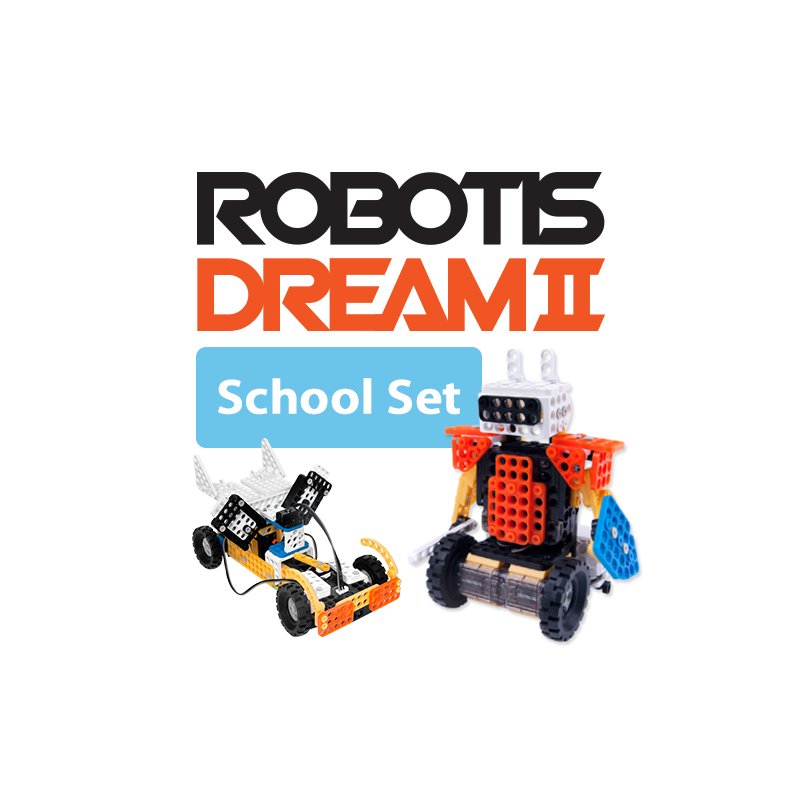
ROBOTIS Dream II School Set
Robotis
304,95 €
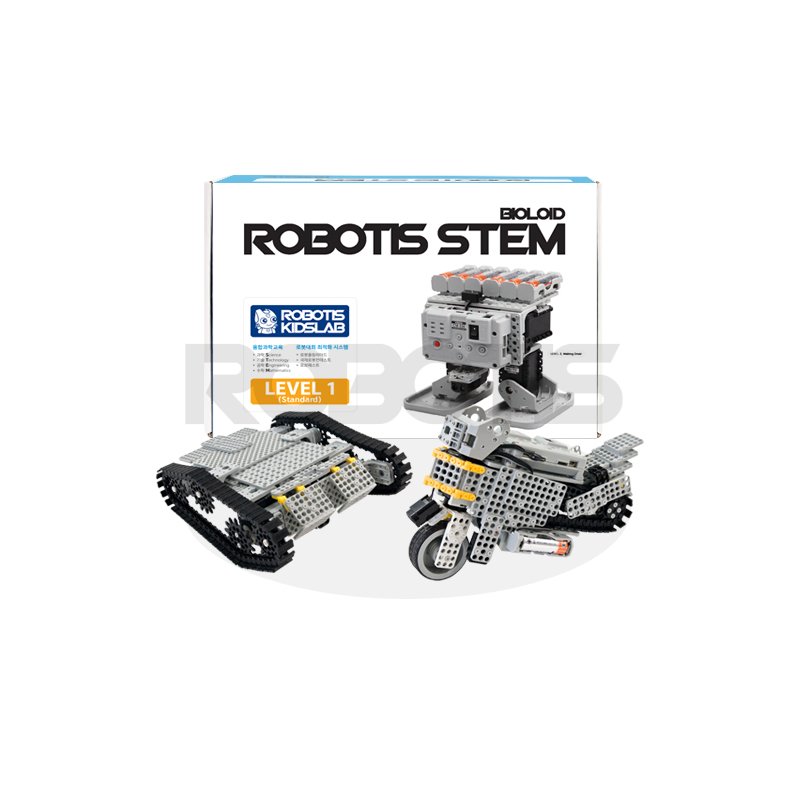
ROBOTIS STEM Level 1
Robotis
451,95 €
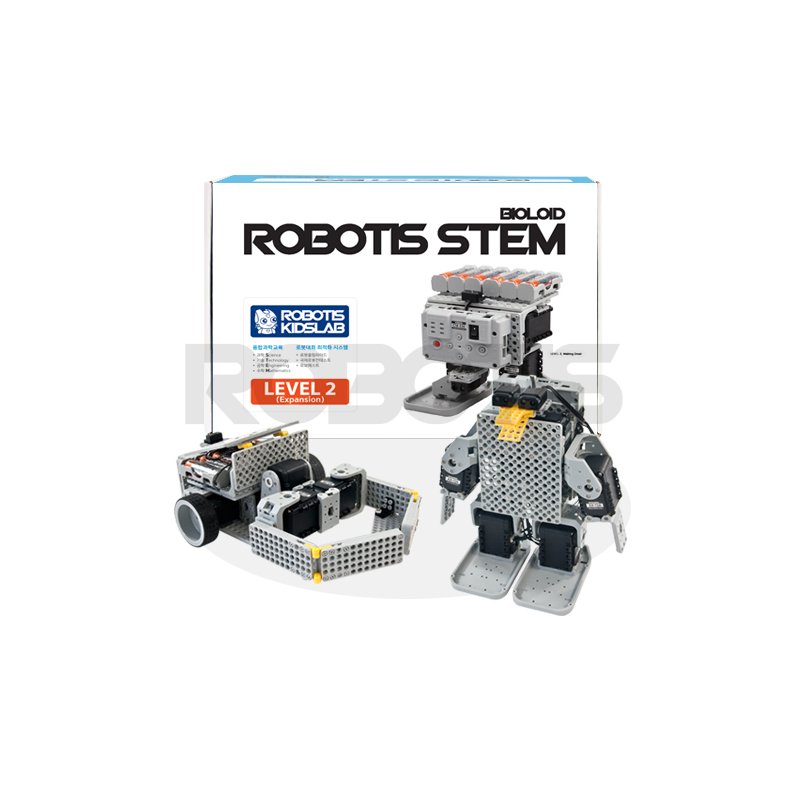
ROBOTIS STEM Level 2
Robotis
327,95 €

Robotis - Bioloid STEM Standard
Robotis
£308,50

Robotis Manipulator Base Plate
Robotis
£480,67

ROBOTIS STEM Level 2 [EN]
Robotis
$310,39

OLLO Excel
Robotis
$473,57

OMX-AI [US]
Robotis
$343,85

Robotis - Bioloid STEM Expansion Pack
Robotis
£219,17