umanoide

UBTECH Walker S2 — Specifiche, prezzo e dove acquistare (2026)

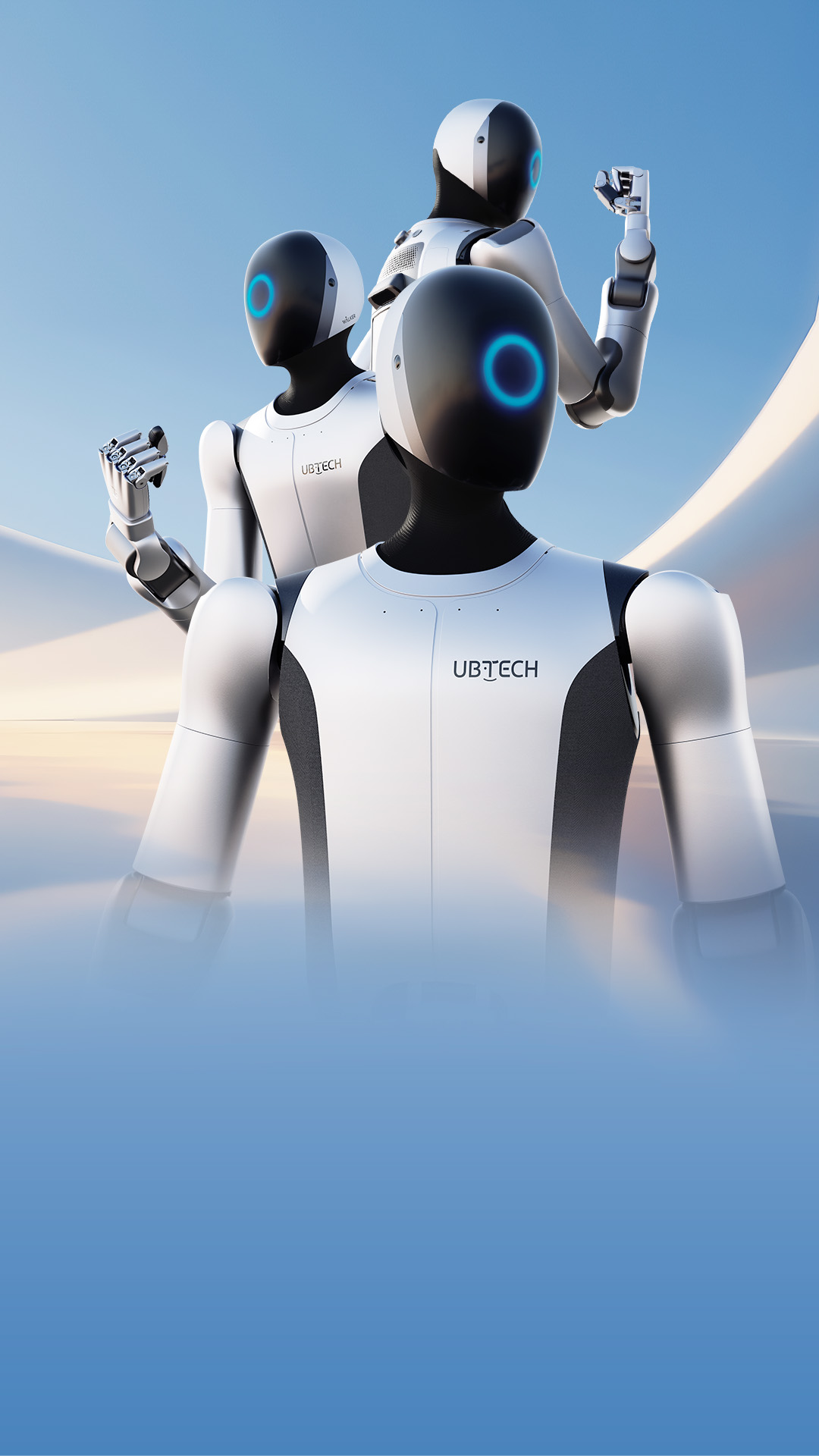
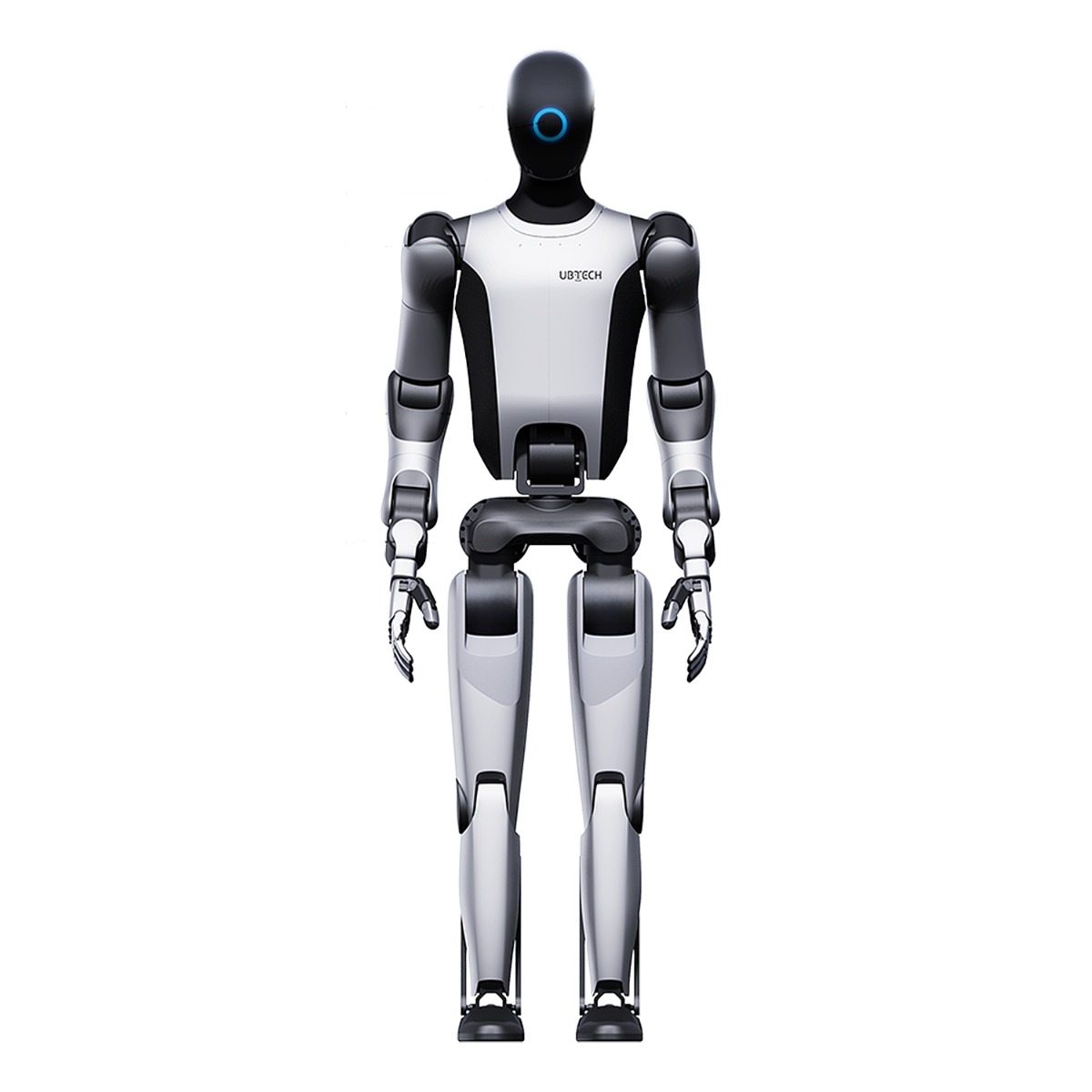
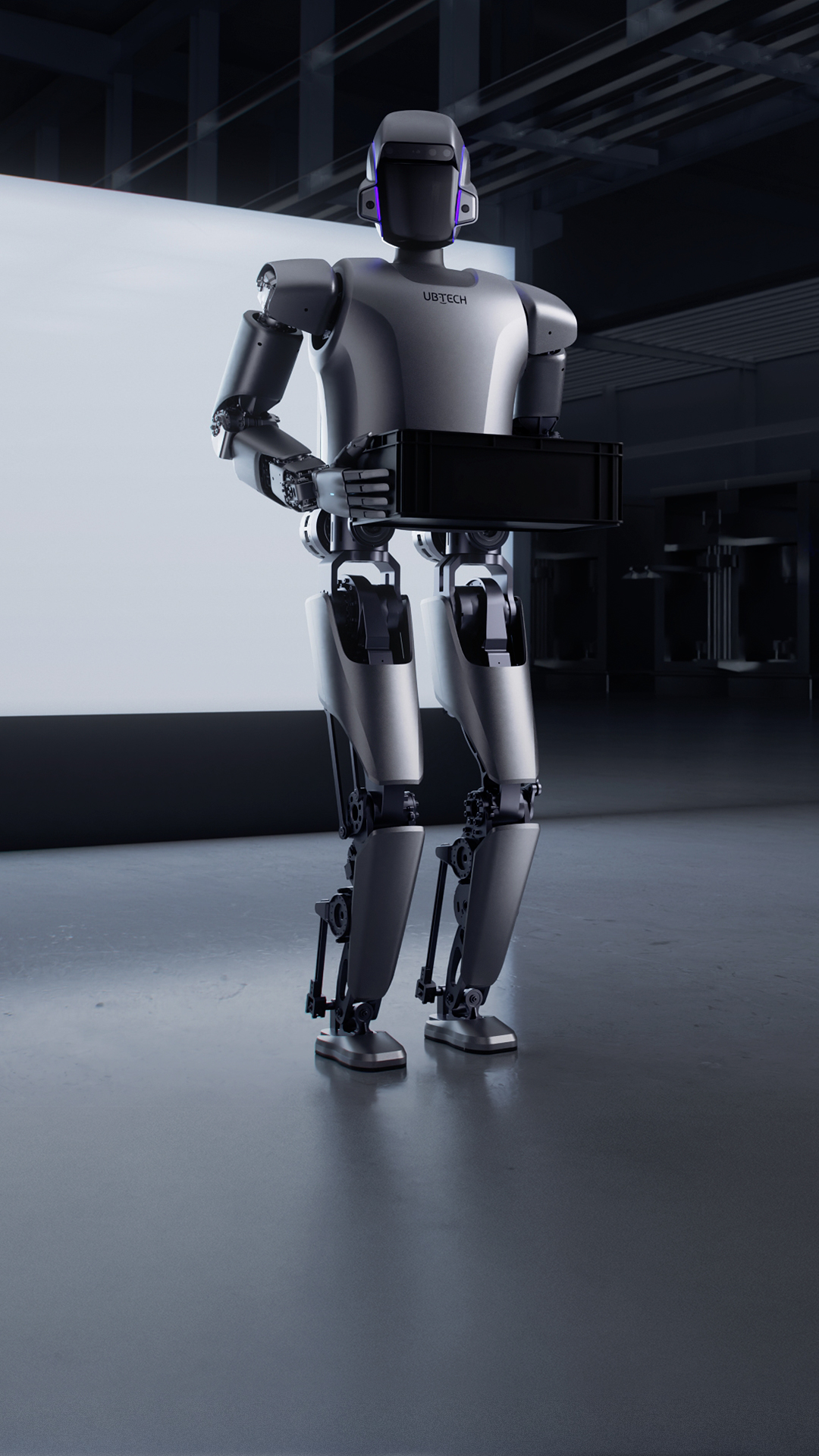
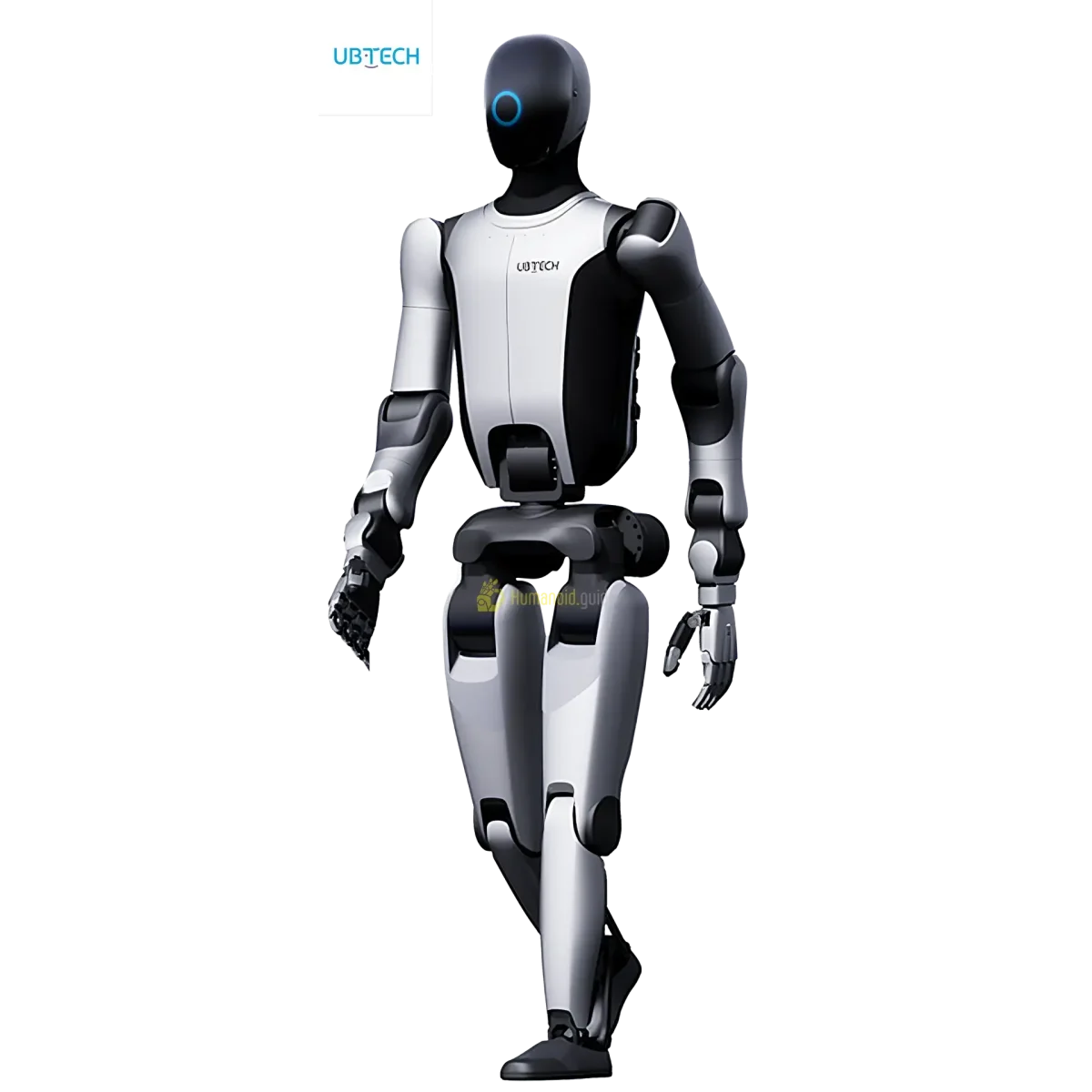
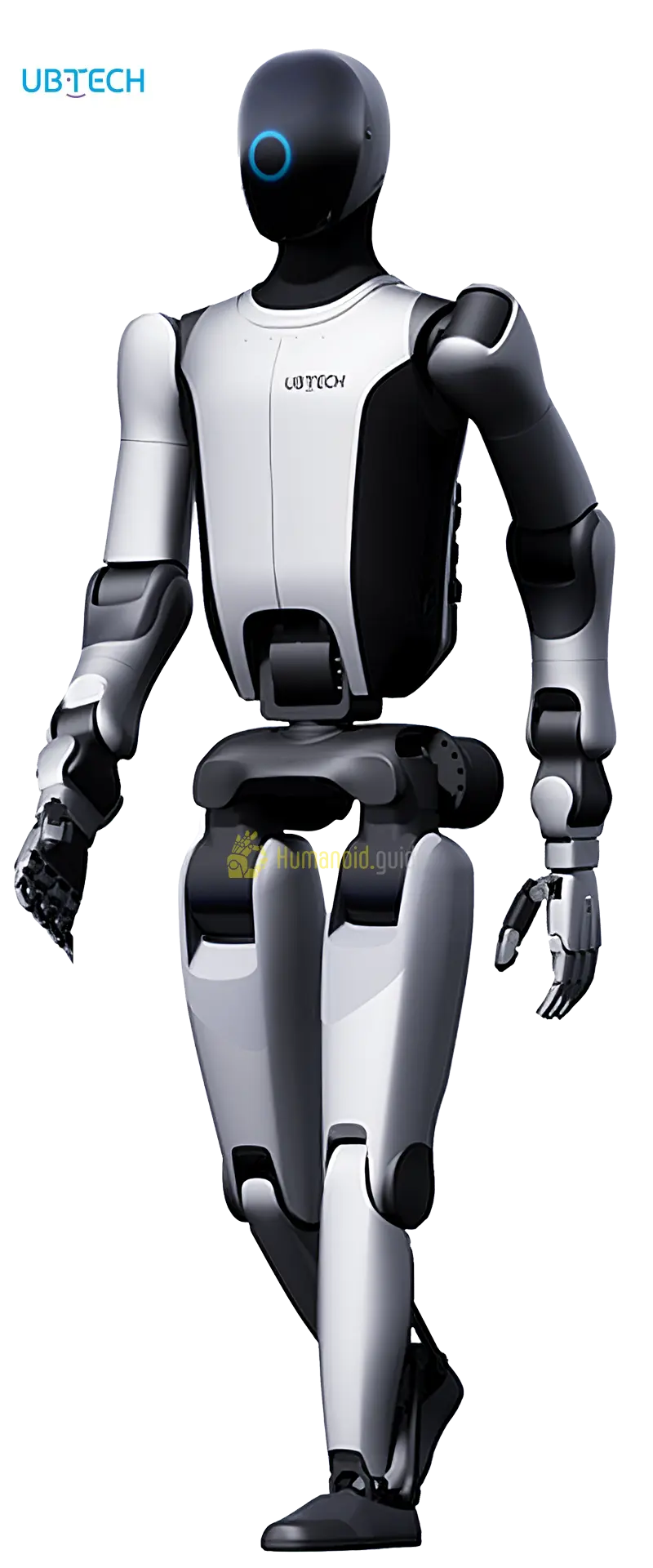
The UBTECH Walker S2 is a factory humanoid robot developed by UBTECH Robotics in Shenzhen, China. Priced at $90,000, it stands 176 cm tall, weighs 71.5 kg, and features 52 degrees of freedom. Key specs include a 2-hour battery (autonomous hot-swap in under 3 minutes for 24/7 operation), 7.2 km/h max walking speed, and 15 kg payload. It is available for industrial deployment.

💰Prezzo
$150.000 – $200.000
📅Prima costruzione
2025
🌍Origine
CN
📏Altezza
176 cm
⚖️Peso
71.5 kg
🦾Gradi di libertà
52
🏃Velocità massima
7.2 km/h
📦Carico utile
15 kg
🔋Batteria
2 hours
🛒Disponibilità
Disponibile

What is the Ubtech Walker S2?

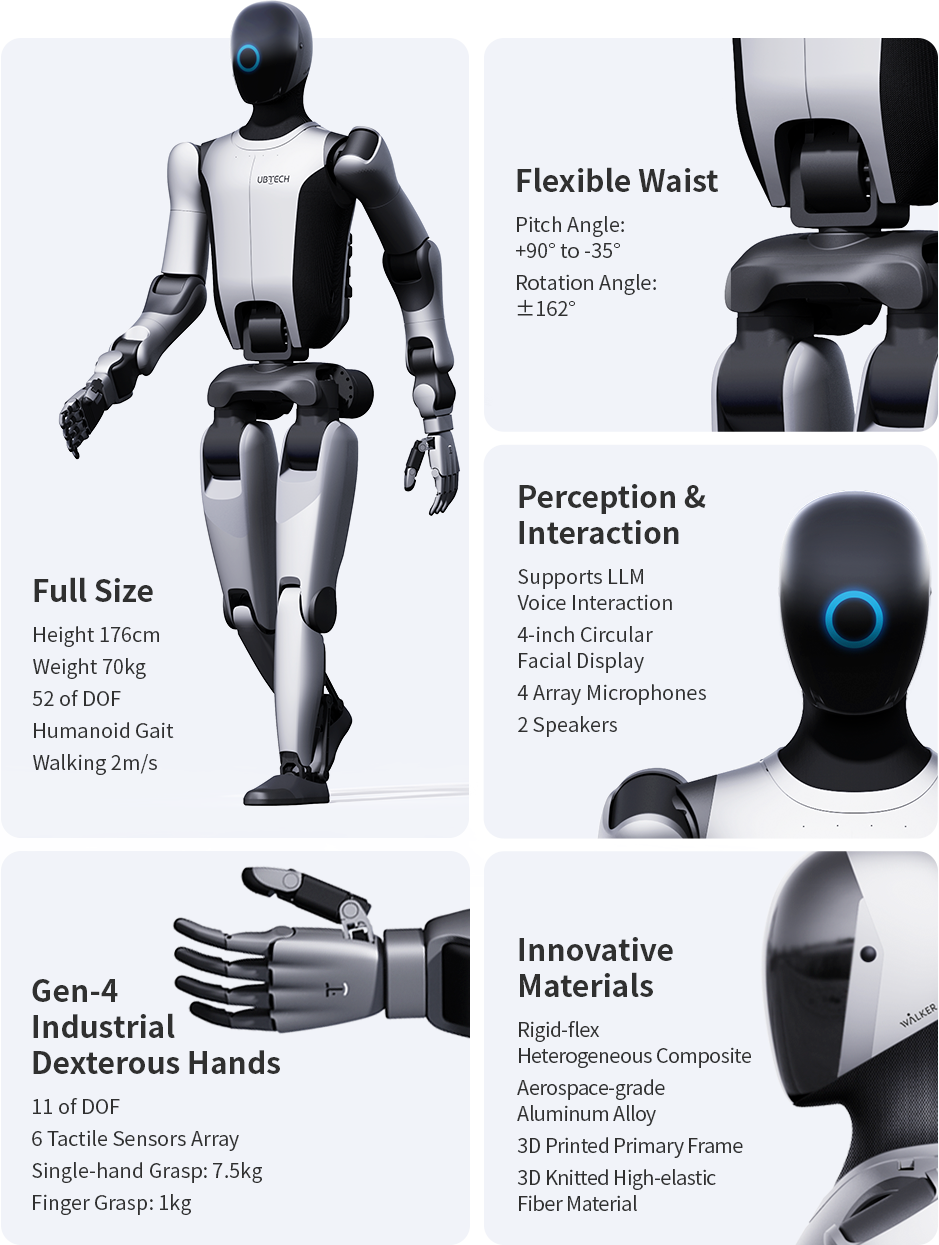
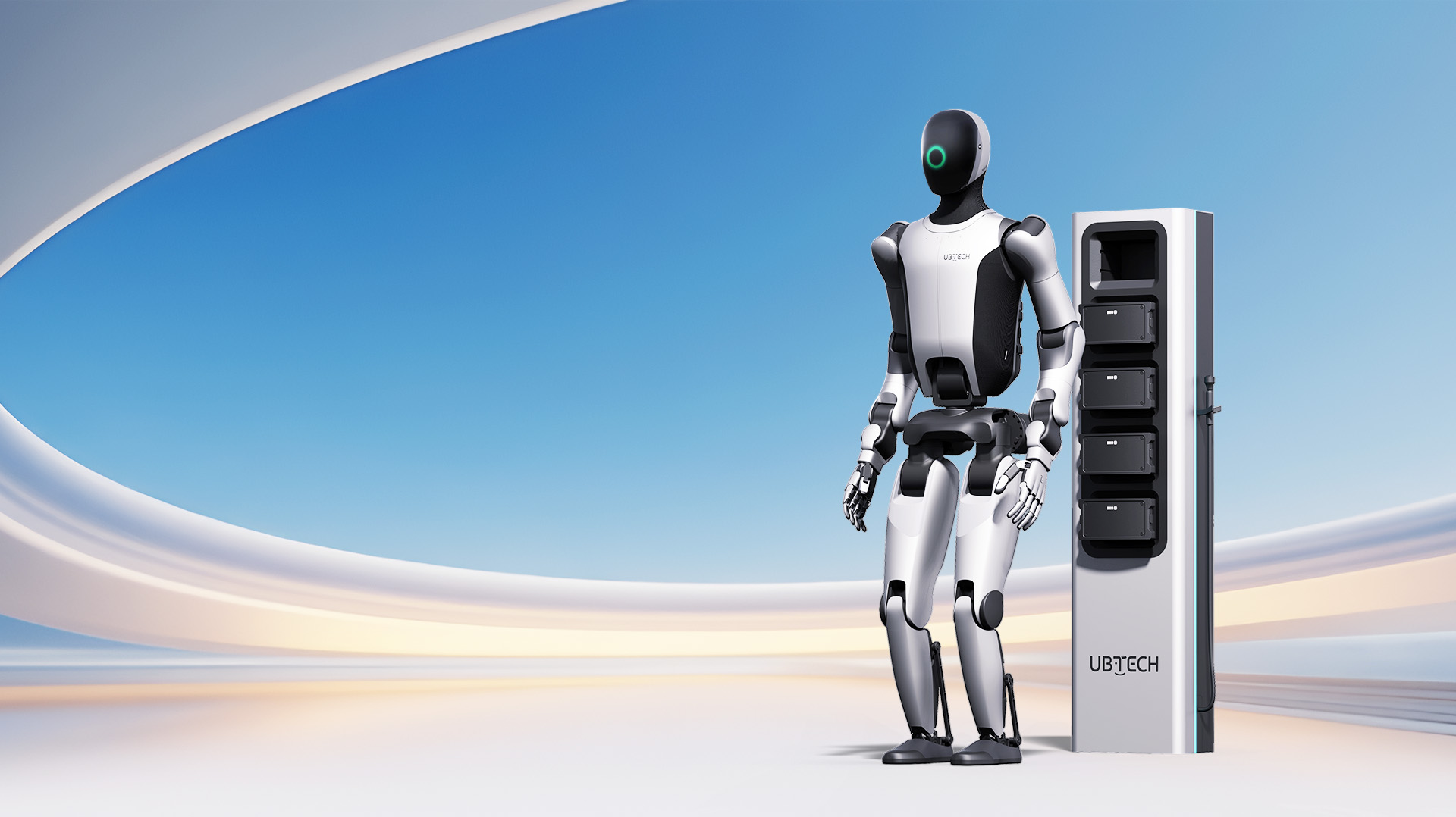
The UBTECH Walker S2 is a fourth-generation industrial humanoid robot built by UBTECH Robotics (Shenzhen, China) for manufacturing and logistics. Standing 176 cm tall and weighing 71.5 kg, it has 52 DOF, including advanced 11-DoF hands with sub-millimeter tactile sensitivity. Powered by dual 48V lithium-ion batteries, it runs for 2 hours per charge and autonomously swaps batteries in under 3 minutes to achieve near-24/7 operation. At its core, an NVIDIA Jetson AGX Orin (275 TOPS) and Intel Core i7 drive UBTECH's Co-Agent AI with Baidu LLM integration for task planning. The robot is currently deployed at BYD factories for assembly, inspection, and material handling.

Specifications

Here are the full technical specifications.

SpecValue
Height176 cm
Weight71.5 kg
Degrees of freedom52
Battery life2 hours
Max speed7.2 km/h
Payload15 kg
Price (new)$90,000
Price (used range)~$75,000–85,000 (est.)

Price & Value

New MSRP: $90,000

Used range: ~$75,000–85,000 (est.)

The Walker S2's $90,000 MSRP places it in the mid-range of industrial humanoids, substantially cheaper than the Agility Digit ($250,000) and on par with the Unitree H1 ($90,000). Its autonomous battery-swap system and 52-DoF dexterity deliver a compelling value proposition for 24/7 manufacturing operations, where labor cost savings can justify the investment within 12–18 months for multi-shift deployments. Compared to fixed automation, the humanoid form factor offers flexible redeployment across tasks — a key advantage in high-mix production environments. Depreciation is expected to be moderate, as UBTECH's established presence and ongoing updates provide longer-term software support. Considering a 5-year service life, total cost of ownership including maintenance and battery replacements is estimated at $150,000–$200,000, making the S2 a cost-effective alternative to hiring multiple shift workers. Early adopter programs may offer volume discounts, broadening accessibility for small-to-medium factories.

Who Is It For?

Best for: - Automotive assembly lines (BYD deployment proven) - Electronics manufacturing for delicate assembly with sub-mm hand precision - 24/7 logistics hubs needing continuous material handling with autonomous battery swap

Not for: - Outdoor unstructured environments (no IP rating for rain/dust) - Consumer or retail service (designed for industrial floors, not human-interaction areas) - Extremely high-payload tasks beyond 15 kg (consider hydraulic humanoid alternatives)

Alternatives & Comparison

The humanoid robot market for industry is rapidly evolving. Here's how the UBTECH Walker S2 compares with key rivals in the same price and use-case bracket.

ModelPriceAvailableKey Difference
Tesla OptimusUndisclosed (expected ~$20,000)noNot yet commercially available; lacks autonomous battery swap system
Agility Digit$250,000yesFocused on warehouse logistics; much higher price and no autonomous battery swap
Unitree H1$90,000yesGeneral-purpose humanoid; no autonomous battery swap or proven large-scale factory deployment

Verdict: For 24/7 factory floor operations, the Walker S2's autonomous battery swap and BrainNet fleet intelligence give it a clear edge. The Unitree H1 matches it on price but lacks the industrial certifications and swap system. Digit is better for warehouse logistics but at a much higher cost. If Tesla Optimus materializes at ~$20k, it could disrupt, but until then, the S2 is the best buy for manufacturing.

Use Cases & Capabilities

Automotive Assembly

The Walker S2 is purpose-built for automotive production lines, having been validated in BYD's factories. It can perform tasks such as installing interior components, tightening bolts, and placing wiring harnesses. Its 15 kg payload and dual-arm dexterity allow it to lift and manipulate vehicle parts, while its 2.0 m/s walking speed enables it to move efficiently between stations. With MES integration, the robot syncs with assembly scheduling to avoid bottlenecks, and autonomous battery hot-swap ensures it is ready for the next shift without downtime.

Electronics Manufacturing and Precision Assembly

The Walker S2's 4th-generation 11-DoF hands feature sub-millimeter precision and fingertip tactile sensors, making it suitable for assembling delicate electronic components like circuit boards and connectors. Its stereo vision and 6D object pose recognition allow it to handle small, complex parts reliably. The robot can work in semiconductor cleanrooms or consumer electronics lines, performing pick-and-place, adhesive dispensing, and quality checks. However, potential buyers should note that UBTECH has not publicly disclosed an ISO cleanroom rating, so verification for ultra-clean environments is advised.

Logistics and Material Handling

For warehouses and distribution centers, the Walker S2 can autonomously move items between conveyor belts, shelves, and loading docks. Its 15 kg payload, combined with a 7.2 km/h walking speed, matches or exceeds human worker throughput in repetitive transport tasks. The autonomous battery swap system ensures near-continuous 24/7 operation — a critical requirement for high-volume logistics. BrainNet 2.0 swarm intelligence further enables multiple S2 units to coordinate pallet-building, order picking, and inventory restocking without human supervision.

Automated Inspection and Quality Control

With dual high-resolution RGB stereo cameras, depth LiDAR, and Co-Agent AI, the Walker S2 can autonomously patrol factory floors to check for defects, measure part dimensions, and verify assembly completeness. It integrates with existing Manufacturing Execution Systems to log results in real time. The robot's ability to walk and work at human eye-level makes it ideal for inspecting tall equipment and overhead structures that wheeled robots cannot reach. Tactile sensors also enable contact-based surface inspection for scratches or weld imperfections.

History & Background

UBTECH Robotics was founded in 2012 in Shenzhen, China, initially focusing on consumer and educational robots like Alpha and Jimu. The company first entered the humanoid space with the research-oriented Walker in 2018, before pivoting to industrial applications. In 2024, UBTECH deployed the first-generation Walker S at BYD and Geely automotive plants — one of the earliest mass production line deployments of a humanoid robot. The Walker S2, introduced in late 2025, represents the fourth generation of factory humanoids, featuring enhanced walking stability, a higher 15 kg payload, and the BrainNet 2.0 swarm intelligence system. UBTECH continues to partner with Baidu for natural-language task planning and has publicly stated the S2 achieves near-continuous 24/7 operation through autonomous battery hot-swapping. As of 2026, the robot is commercially available for industrial customers.

Buying Used — What to Check

Verify battery cycle count and health The autonomous swap system accelerates wear on battery connectors and cells; request a battery test report.

Inspect hand tactile sensor integrity Hands are rated for 80,000 cycles — check if that limit has been approached and whether sensors still respond accurately.

Confirm software update support UBTECH's Co-Agent AI and BrainNet 2.0 require periodic updates; used units might need paid upgrade agreements.
Domande frequenti

The new MSRP is $90,000. Used units are estimated at $75,000–85,000 depending on condition. Volume discounts may be available directly from UBTECH.
The Walker S2 performs assembly, material handling, inspection, and tool operation in manufacturing. It walks at up to 2.0 m/s (7.2 km/h), lifts 15 kg, and uses 11-DoF hands with sub-mm precision. It also integrates with MES for task planning and autonomous anomaly detection.
Yes, the robot is commercially available. UBTECH began factory deployments in 2025, and you can inquire via their website or Robot Overflow for new and used units. Lead times range from 8 to 14 weeks depending on configuration.
Tesla Optimus is not yet commercially available and lacks an autonomous battery swap system. The Walker S2 is shipping now with proven deployment at BYD. Optimus is expected to cost around $20,000, but until released, the S2 remains the only practical choice for 24/7 industrial use.
Key specs: height 176 cm, weight 71.5 kg, 52 DOF (22 in hands), 2-hour battery life with autonomous hot-swap in under 3 minutes, max speed 7.2 km/h, payload 15 kg, NVIDIA Jetson AGX Orin AI (275 TOPS), dual RGB stereo vision, LiDAR, and BrainNet 2.0 fleet intelligence.
UBTECH Robotics, founded in 2012 in Shenzhen, China, designs and manufactures the Walker S2. The company is known for humanoid and educational robots and has partnered with BYD for automotive factory deployments.
Each dual 48V lithium-ion pack provides 2 hours of operation. The robot can autonomously swap batteries in under 3 minutes, supporting near-continuous 24/7 operation. Single-battery dynamic balancing mode is also available for lighter tasks.
Automotive manufacturing is the primary sector, with BYD as the lead customer. Other target industries include electronics assembly, logistics, and heavy machinery inspection — anywhere flexible humanoid automation can replace repetitive manual tasks.

UBTech Walker S2 in 3D

Loading the 3D model…
Drag to rotate · click the model, then scroll or pinch to zoom · click a part to inspectSwipe sideways to turn · pinch to zoom · tap a part to inspect3D model credit and licence

UBTech Walker S2 supply chain

Point at or select a step to light up its chain: bright lines are its direct links, softer lines the rest of the path from raw material to robot.

Swipe sideways to follow the whole chain.

ExtractionRefiningMaterialsComponentsModulesRobotsCompaniesLithium compounds (carbonate, chloride, hydroxide) are produced from mined lithium.Lithium is produced from brine and mineral operations.Mined copper is smelted and refined.Primary aluminium from smelters.Bauxite is refined to alumina for aluminium.6061 aluminium contains 0.8–1.2% magnesium.6061 aluminium contains 0.40–0.8% silicon.A lithium-ion cell has a cathode (positive electrode), typically a metal oxide or phosphate. IEA tracks the 2025 mix of LFP and nickel-based cathodes in electric-car batteries.Camera units are built around image sensors (CMOS image sensors from makers such as Sony and OmniVision).Silicon metal is made from silica in natural forms such as quartzite (USGS).Silicon metal can be refined further into ultra-high-purity semiconductor-grade silicon, called polysilicon (USGS). Chips are made on wafers: thin slices of crystalline silicon (Wikipedia).Magnesium is recovered from dolomite, serpentine, magnesium-bearing evaporite minerals and brines (USGS).In wire-bond packaging, fine gold or copper wire connects each die to its leadframe or substrate. ASE is gradually replacing gold wire with copper to cut material cost, though gold wire is still one of its main materials.Steel is made from iron ore: US mines shipped 98% of their usable iron ore to the steel industry (USGS).ATI cuts some six-axis transducers (Mini45) from high-yield-strength stainless steel.ATI machines other six-axis transducers (Gamma) from high-strength aircraft aluminium.Sony makes its CMOS image sensors in its own production facilities in Japan (Nagasaki, Kumamoto). SIA/BCG count optoelectronics and sensors in one fab group with discrete and analog chips (DAO), apart from logic.Bosch makes its MEMS sensors in its own fabs in Reutlingen and Dresden; a MEMS sensor is a MEMS element plus an evaluation chip (ASIC).A MEMS sensor is packed in a semiconductor housing, such as an LGA package (Bosch).Mined cobalt is refined further into chemicals or metal (Cobalt Institute). In 2025 DR Congo's export restrictions left refiners short of cobalt hydroxide feed and forced some to limit production, though world refined output still rose 5% to 240 kt (Cobalt Institute).Cobalt sulphate, the largest refined cobalt product, is typically used in NCM (NMC) batteries, and cobalt tetroxide often in LCO batteries (Cobalt Institute). Cobalt-free substitutes that use iron and phosphorus (LFP) held a significant market share in China (USGS).Mined nickel ore and concentrate go to smelters and refineries. In Indonesia, laterite ore is processed into nickel pig iron and ferronickel for stainless steel, or into battery intermediates such as mixed hydroxide precipitate (IEA); the US Eagle Mine's concentrate is exported to smelters (USGS).Battery cathodes need nickel sulphate, made from Class I nickel metal or from intermediates such as mixed hydroxide precipitate and nickel matte (IEA). LFP (lithium iron phosphate) cathodes contain no nickel.Stainless steel is the biggest use of nickel, 66% of demand in 2025 (Cobalt Institute). In the US, stainless and alloy steels and nickel alloys take more than 85% of nickel use (USGS). The world made 64.2 Mt of stainless steel in 2025 (worldstainless), against about 1,900 Mt of raw steel (USGS).Lithium-ion cathodes are lithium compounds, generally a layered oxide (such as lithium cobalt oxide), a phosphate (lithium iron phosphate) or a spinel (lithium manganese oxide). Batteries took an estimated 88% of world lithium in 2025 (USGS).Natural graphite flakes must be made into spherical particles, purified to over 99.95% carbon and coated before they can be used in lithium-ion battery anodes (IEA). Natural graphite is now a small part of anode supply: under 8% of China's 2025 anode shipments (GGII), and about 14% worldwide in 2022 (Rystad).Synthetic graphite is made by calcining and graphitising petroleum coke or needle coke at nearly 3,000 °C (IEA). It was 92.7% of China's 2025 anode shipments (GGII).The negative electrode (anode) of a conventional lithium-ion cell is typically graphite. IEA's 2025 data on electric-car battery anodes show only graphite and silicon-doped graphite.UBTech's brochure lists aerospace-grade aluminium alloy and a 3D-printed main frame among Walker S2's materials.UBTech's brochure lists a 3D-knitted, high-elastic fibre material among Walker S2's materials; where it is used is not stated.Solder is the largest use of tin, 51% of world tin use in 2023 (International Tin Association; in the US solder took 11%, USGS). The common lead-free alloy SAC305 is 96.5% tin (AIM).Tin-lead solder is nearly half lead (PubChem), but the electronics industry has moved toward lead-free solders (USGS): 92% of solder for electronics was lead-free in 2023 (ITA).The lead-free alloy SAC305 contains 3% silver (AIM). In the US, brazing and solder took 3% of silver (USGS).The lead-free alloy SAC305 contains 0.5% copper (AIM).FR-4 laminate is woven fibreglass cloth with an epoxy binder (Wikipedia), and fibreglass is made from silica sand (Covia).A thin layer of copper foil is laminated to one or both sides of an FR-4 panel; these are called copper-clad laminates (Wikipedia; ChinaBaogao).FR-4 epoxy resin systems typically use bromine to resist fire (Wikipedia); a grade of the brominated flame retardant TBBPA is used to make epoxy resins for circuit boards (Wikipedia). Brominated flame retardants are one of bromine's two leading uses (USGS).Barite is used to make barium carbonate, which goes into dielectrics (Wikipedia). Barium titanate, the dielectric ceramic used in capacitors, can be made by heating barium carbonate with titanium dioxide (Wikipedia).Barium titanate, the ceramic in high-capacitance MLCCs, can be made by heating barium carbonate with titanium dioxide (Wikipedia); titanium dioxide comes from ilmenite and rutile (USGS).99% of MLCCs made worldwide use base-metal electrodes of nickel or copper; the industry moved from palladium and silver to cut cost (NASA, 2015). TDK replaced palladium electrodes with nickel in 1993 (Wikipedia).Platinum-group metals are used in multilayer ceramic capacitors (USGS). High-reliability MLCCs use palladium-silver electrodes (NASA, 2015).High-reliability MLCCs use precious-metal electrodes of palladium and silver (NASA, 2015).Indium tin oxide (ITO), which takes most of the world's indium, is the conductive coating in flat-panel displays, most commonly LCDs (USGS).Connector contacts are copper alloys: beryllium copper is called the best copper alloy for contacts, connectors and cables (Wikipedia), and phosphor bronze (copper-tin-phosphorus) can replace it (USGS).Copper-clad laminate is the core material of circuit boards (ChinaBaogao); FR-4 is a common material for printed circuit boards (Wikipedia).Parts are soldered onto bare boards: Adafruit's BNO055 board is a "breakout PCB", and the Raspberry Pi Zero 2 W brief warns against damage to the printed circuit board.SAC305 lead-free solder is made for soldering printed circuits, by wave, hand and SMT reflow soldering (Conro; AIM).MLCCs store and release charge and absorb noise in phones, home appliances and IoT devices (Murata). The Raspberry Pi's RP3A0 package includes the decoupling capacitors that smooth its supply voltage (Raspberry Pi).Boards carry connectors: the Raspberry Pi Zero 2 W brief speaks of the board and its connectors, and Waveshare's servo adapter has a USB-C connector and a power connector.NVIDIA's Jetson Thor modules are 100 × 87 mm and plug in through a 699-pin board-to-board (B2B) connector (NVIDIA).Brass is copper and zinc: CW614N free-cutting brass is about 39% zinc. In the US, brass and bronze are the second use of zinc after galvanized steel.Brass is mostly copper: 57–59% in CW614N free-cutting brass.Free-cutting brass such as CW614N holds 2.5–3.5% lead so it machines cleanly; lead-free brasses exist.XT30 battery plugs (G1 harness, Open Duck Mini) have gold-plated brass contacts.Antimony is used in circuit boards to cut flammability further. A review lists two studies of scrap PC boards, parts and solder still on, with 0.45% and 1.97% antimony, so the share in the laminate alone is not known.MEMS microphones are silicon chips: the diaphragm is etched into a silicon wafer (Wikipedia). Pollen's HAT uses a MEMS microphone.Lithium-ion cells (UBTech's SDK: 'Li-ion Battery DC48V'). The cell maker is not stated.Walker S2 SDK: computing configuration 'X86 + NVIDIA Jetson Orin'.An x86 processor (UBTech's SDK: 'X86'); which one is not stated.ASML's DUV machines, 'the workhorses of the industry', print the majority of layers in chips, older-generation chips included (ASML annual report 2025).UBTECH Robotics Corp Ltd makes this robot.Self-developed pure RGB binocular stereo vision in the head (depth computed by deep learning).The Walker S2 SDK lists an IMU in its sensor configuration; model not named.Walker S2 SDK lists a six-axis force sensor on each arm.The frame, shells and covers that make up the UBTech Walker S2's body.Seven 225–265 N·m motors: hip roll, hip pitch and knee in each leg and the waist pitch (UBTech's SDK).Eleven 65–85 N·m motors: hip yaw and ankles, shoulder pitch and roll, waist yaw (UBTech's SDK).Twelve 4.5–45 N·m motors in the arms and neck (UBTech's SDK).Two dexterous hands, 6 DoF each (UBTech's SDK).Two swappable 48 V lithium-ion packs (UBTech).Computing: 'X86 + NVIDIA Jetson Orin' (UBTech's SDK).UBTech's SDK: Gemini2L cameras on the back of the body and the front of the waist.UBTech's SDK reads a power board that measures the current to the Orin, the x86 computer, an 'rk' board, the arms, each leg and the waist.UBTech's SDK connects to the robot over its Ethernet port.A 4-inch round face screen (UBTech's brochure and SDK).4 array microphones (UBTech's brochure).2 speakers (UBTech's brochure).Quartz and silica sandQuartz and silica sandMagnesium ores and brinesMagnesium ores and brinesOil, gas and coal(plastics feedstock)Oil, gas and coal (plastics feedstock)Steel (gear, bearing andstainless grades)Steel (gear, bearing and stainless grades)Lithography machines (chipprinting)Lithography machines (chip printing)Mature-node chipfabrication (28 nm and…Mature-node chip fabrication (28 nm and older; analog and sensor chips)Aluminium alloysAluminium alloysBattery-grade lithiumcompoundsBattery-grade lithium compoundsLithium chemicalconversionLithium chemical conversionCopper smelting andrefiningCopper smelting and refiningAlumina refining andaluminium smeltingAlumina refining and aluminium smeltingLithium miningLithium miningCopper miningCopper miningBauxite miningBauxite miningIron ore miningIron ore miningMagnesium smeltingMagnesium smeltingSilicon metal smeltingSilicon metal smeltingChip packaging and test(OSAT)Chip packaging and test (OSAT)Processors (CPUs and SoCs)Processors (CPUs and SoCs)Image sensorsImage sensorsIMUs (motion sensors)IMUs (motion sensors)Force/torque sensorsForce/torque sensorsLithium-ion cellsLithium-ion cellsAI compute modulesAI compute modulesCameras and depth camerasCameras and depth camerasUBTech Walker S2UBTech Walker S2UBTechUBTechCobalt miningCobalt miningCobalt refining (chemicalsand metal)Cobalt refining (chemicals and metal)Nickel miningNickel miningNickel smelting andrefiningNickel smelting and refiningNatural graphite miningNatural graphite miningBattery anode graphite(spherical natural and…Battery anode graphite (spherical natural and synthetic)Cathode active material(NMC, NCA, LCO, LFP)Cathode active material (NMC, NCA, LCO, LFP)Titanium minerals(ilmenite and rutile)Titanium minerals (ilmenite and rutile)Soft covers (textiles,foams, soft polymer skins)Soft covers (textiles, foams, soft polymer skins)Tin miningTin miningLead miningLead miningSilver miningSilver miningPalladium mining(platinum-group metals)Palladium mining (platinum-group metals)Antimony miningAntimony miningBromine (from brines)Bromine (from brines)Barite mining (barium)Barite mining (barium)Indium refining (zincby-product)Indium refining (zinc by-product)Solder (tin alloys:lead-free SAC and…Solder (tin alloys: lead-free SAC and tin-lead)Copper-clad laminate (FR-4glass-fibre epoxy board…Copper-clad laminate (FR-4 glass-fibre epoxy board material)Printed circuit boards(bare boards)Printed circuit boards (bare boards)Multilayer ceramiccapacitors (MLCC)Multilayer ceramic capacitors (MLCC)Connectors and wiringharnessesConnectors and wiring harnessesDisplays (LCD and OLEDscreens)Displays (LCD and OLED screens)Electronics assembly(circuit boards with part…Electronics assembly (circuit boards with parts soldered on)Structure: UBTech WalkerS2Structure: UBTech Walker S2Zinc miningZinc miningBrass (copper-zinc alloy)Brass (copper-zinc alloy)MicrophonesMicrophonesSmall speakersSmall speakersUBTech Walker S2 leg andwaist motors (225–265 N·m)UBTech Walker S2 leg and waist motors (225–265 N·m)UBTech Walker S2 hip-yaw,ankle, shoulder and…UBTech Walker S2 hip-yaw, ankle, shoulder and waist-yaw motors (65–85 N·m)UBTech Walker S2 arm andneck motors (4.5–45 N·m)UBTech Walker S2 arm and neck motors (4.5–45 N·m)UBTech dexterous hand(third generation)UBTech dexterous hand (third generation)Walker S2 swappablebattery pack (48 V)Walker S2 swappable battery pack (48 V)Walker S2 computers (x86and NVIDIA Jetson Orin)Walker S2 computers (x86 and NVIDIA Jetson Orin)Orbbec Gemini 2L depthcameraOrbbec Gemini 2L depth camera

Foto9

UBTECH Walker S2 photo 1
UBTECH Walker S2 photo 2
UBTECH Walker S2 photo 3
UBTECH Walker S2 photo 4
UBTECH Walker S2 photo 5
UBTECH Walker S2 photo 6
UBTECH Walker S2 photo 7
UBTECH Walker S2 photo 8
UBTECH Walker S2 photo 9