
每日平均价格
金额单位:USD
描述
The future is here! The SparkFun Qwiic Transparent Graphical OLED Breakout allows you to display custom images on a transparent screen using either SPI or I2C connections. Brilliantly lit in the dark and still visible by daylight, this OLED sports a display area of 128x64 pixels, 128x56 of which are completely transparent. Utilizing our handy Qwiic system, no soldering is required to connect it to the rest of your system making it easy to get started with your own images. However, we still have broken out 0.1"-spaced pins in case you prefer to use a breadboard. The Arduino sketch required to drive this display requires quite a bit of dynamic memory, meaning that it is not going to fit on a smaller controller like an ATmega328. Control of the OLED is based on our new HyperDisplay library and any controller with larger RAM should have no problem. In addition, your 3.3V source should be robust enough to supply around 400mA to the display. Note: The I2C address of the Graphical OLED is 0x3C and is jumper selectable to 0x3D. A multiplexer/Mux is required to communicate to multiple Graphical OLED sensors on a single bus. If you need to use more than one Graphical OLED sensor consider using the Qwiic Mux Breakout. The SparkFun Qwiic Connect System is an ecosystem of I2C sensors, actuators, shields and cables that make prototyping faster and less prone to error. All Qwiic-enabled boards use a common 1mm pitch, 4-pin JST connector. This reduces the amount of required PCB space, and polarized connections mean you can’t hook it up wrong. Get Started With the Transparent Graphical OLED Hookup Guide Features: 128x56 transparent pixels (128x64 total pixels) Display area 35.5 x 18mm Glass area 42mm x 27.16mm 1-bit color depth I2C or SPI operation 400 kHz I2C, 10 MHz SPI I2C Addresses: 0x3C (Default), 0x3D Qwiic compatible and standard PCB footprint Operates and communicates at 3.3V Less than 200 mA current draw pixels all-on Documents: Schematic Eagle Files Graphical OLED DataSheet Hookup Guide HyperDisplay Graphics Library SSD1309 HyperDisplay Mid Level Library Transparent Graphical Bottom Level Library GitHub Videos
The future is here! The SparkFun Qwiic Transparent Graphical OLED Breakout allows you to display custom images on a transparent screen using either SPI or I2C connections. Brilliantly lit in the dark and still visible by daylight, this OLED sports a display area of 128x64 pixels, 128x56 of which are completely transparent. Utilizing our handy Qwiic system, no soldering is required to connect it to the rest of your system making it easy to get started with your own images. However, we still have broken out 0.1"-spaced pins in case you prefer to use a breadboard. The Arduino sketch required to drive this display requires quite a bit of dynamic memory, meaning that it is not going to fit on a smaller controller like an ATmega328. Control of the OLED is based on our new HyperDisplay library and any controller with larger RAM should have no problem. In addition, your 3.3V source should be robust enough to supply around 400mA to the display. Note: The I2C address of the Graphical OLED is 0x3C and is jumper selectable to 0x3D. A multiplexer/Mux is required to communicate to multiple Graphical OLED sensors on a single bus. If you need to use more than one Graphical OLED sensor consider using the Qwiic Mux Breakout. The SparkFun Qwiic Connect System is an ecosystem of I2C sensors, actuators, shields and cables that make prototyping faster and less prone to error. All Qwiic-enabled boards use a common 1mm pitch, 4-pin JST connector. This reduces the amount of required PCB space, and polarized connections mean you can’t hook it up wrong. Get Started With the Transparent Graphical OLED Hookup Guide Features: 128x56 transparent pixels (128x64 total pixels) Display area 35.5 x 18mm Glass area 42mm x 27.16mm 1-bit color depth I2C or SPI operation 400 kHz I2C, 10 MHz SPI I2C Addresses: 0x3C (Default), 0x3D Qwiic compatible and standard PCB footprint Operates and communicates at 3.3V Less than 200 mA current draw pixels all-on Documents: Schematic Eagle Files Graphical OLED DataSheet Hookup Guide HyperDisplay Graphics Library SSD1309 HyperDisplay Mid Level Library Transparent Graphical Bottom Level Library GitHub Videos
价格历史
每天显示一个数据点,按观测日期计算平均值。
金额单位:USD
每天的平均价格根据该 UTC 日期记录的所有报价计算。

RoboSavvy
£30.35

RoboSavvy
£28.92

RoboSavvy
£26.33

RoboSavvy
£30.75
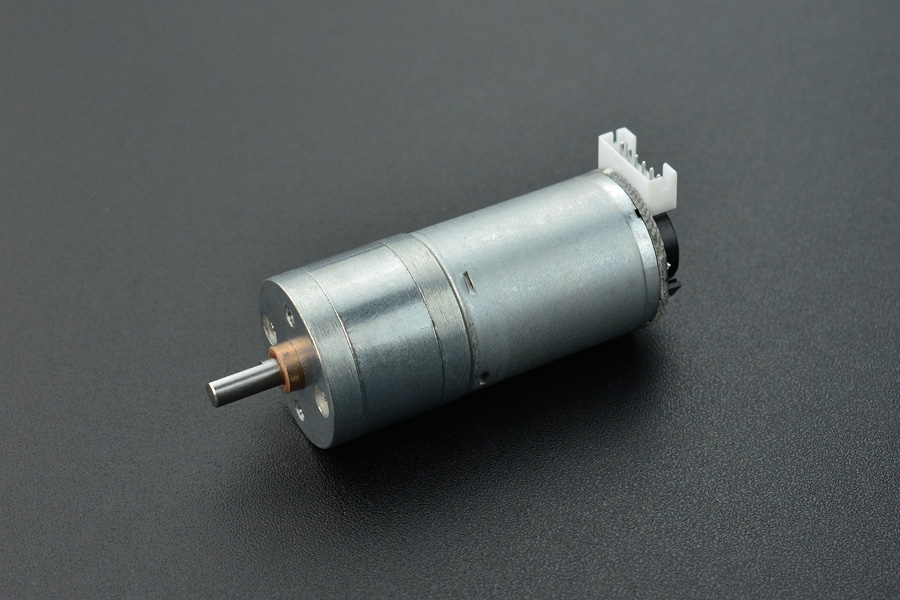
RoboSavvy
£24.67

RoboSavvy
£22.48

RoboSavvy
£31.75
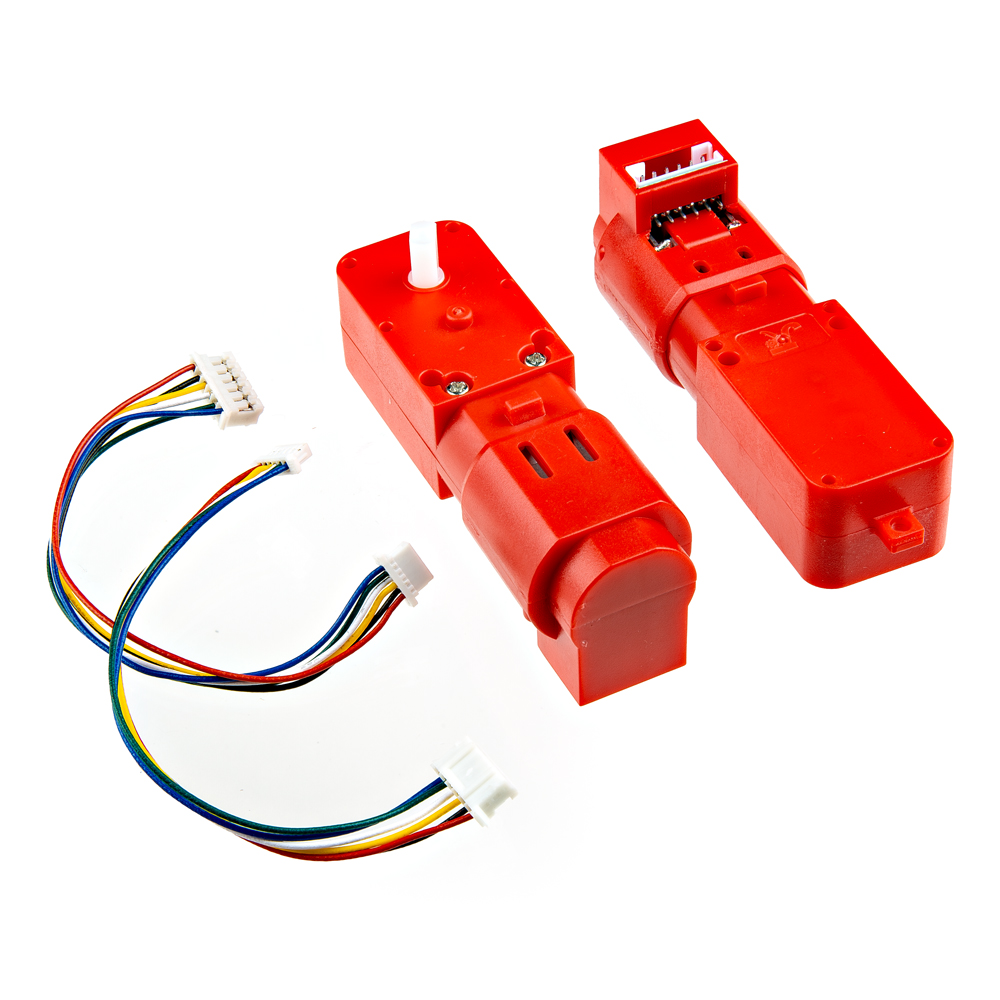
RoboSavvy
£21.36

RoboSavvy
£24.65

RoboSavvy
£24.69

RoboSavvy
£34.50
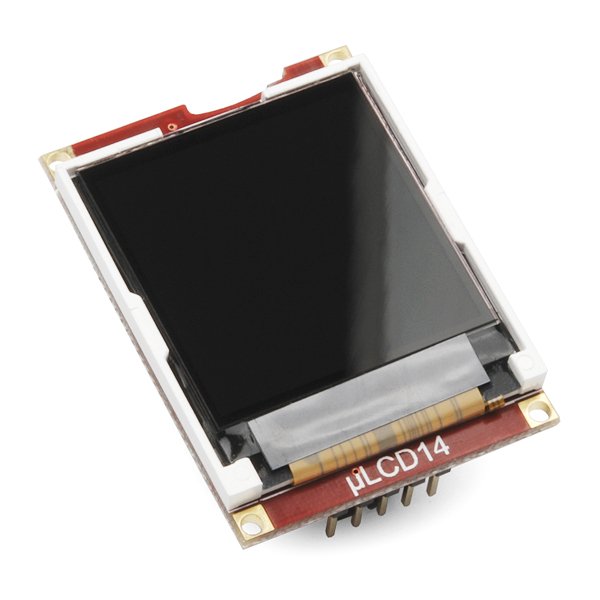
RoboSavvy
£31.03
🍪 Cookie 偏好设置
我们使用 Cookie 来衡量性能。 隐私政策