Overview
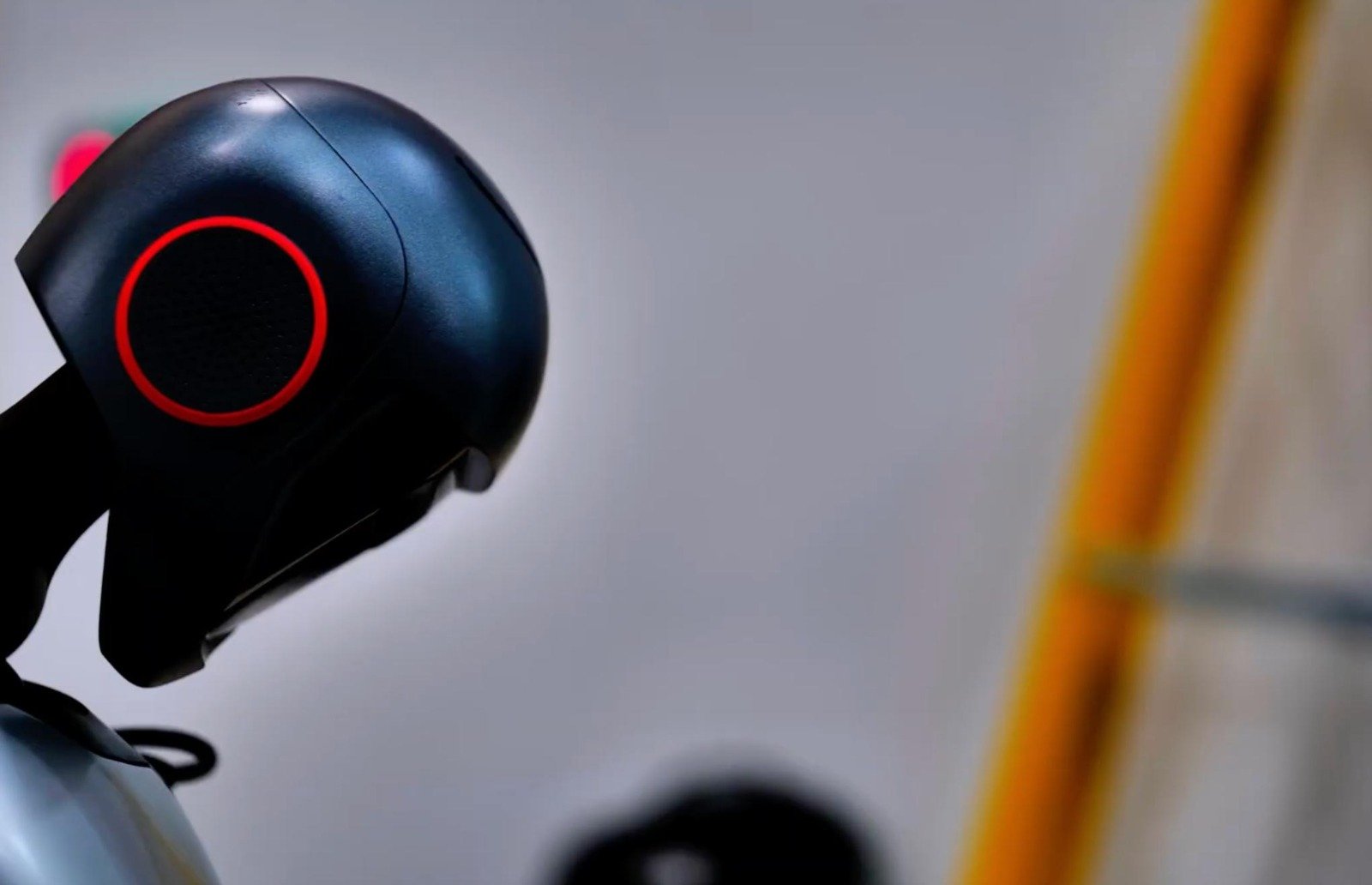
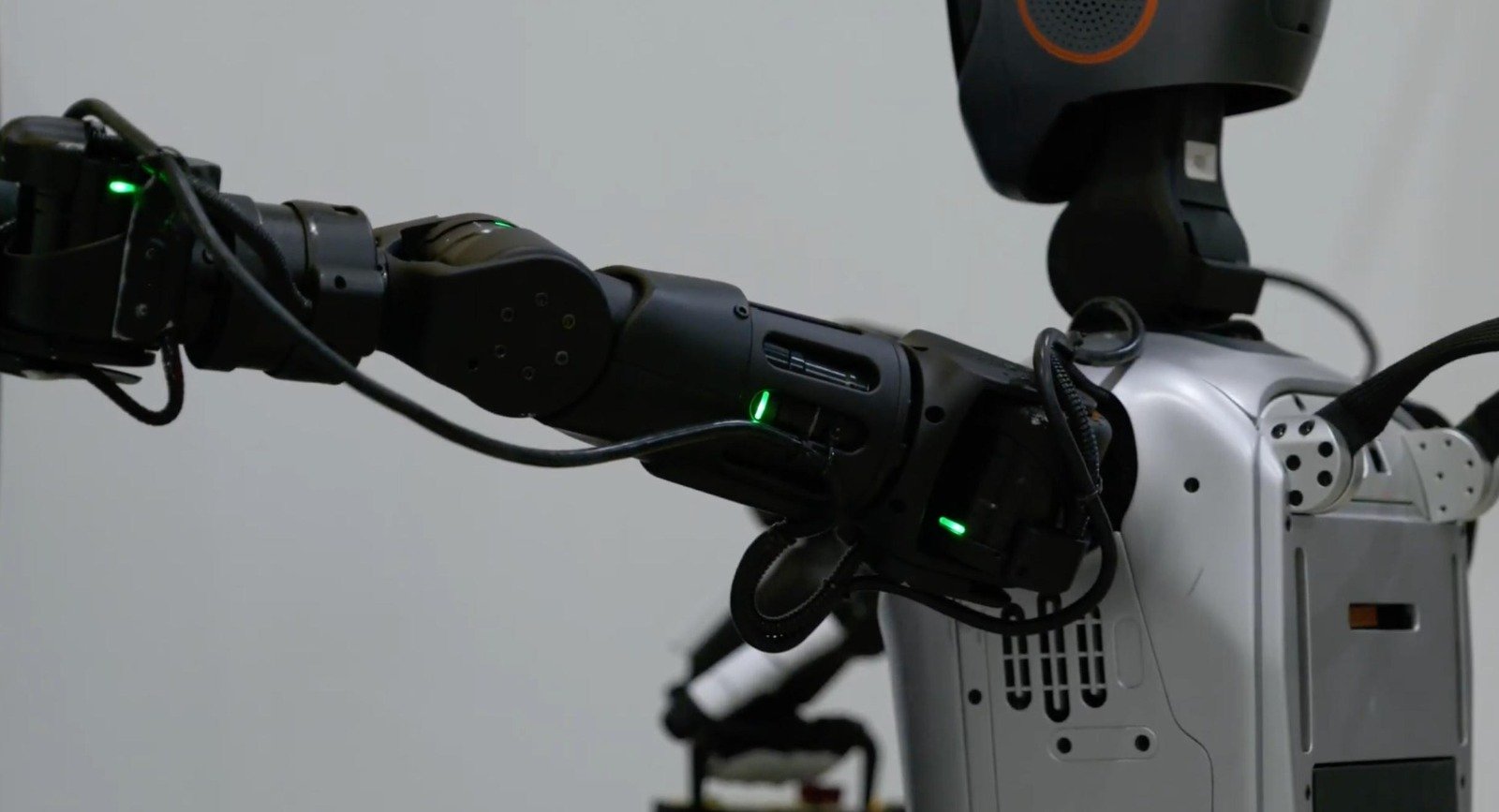
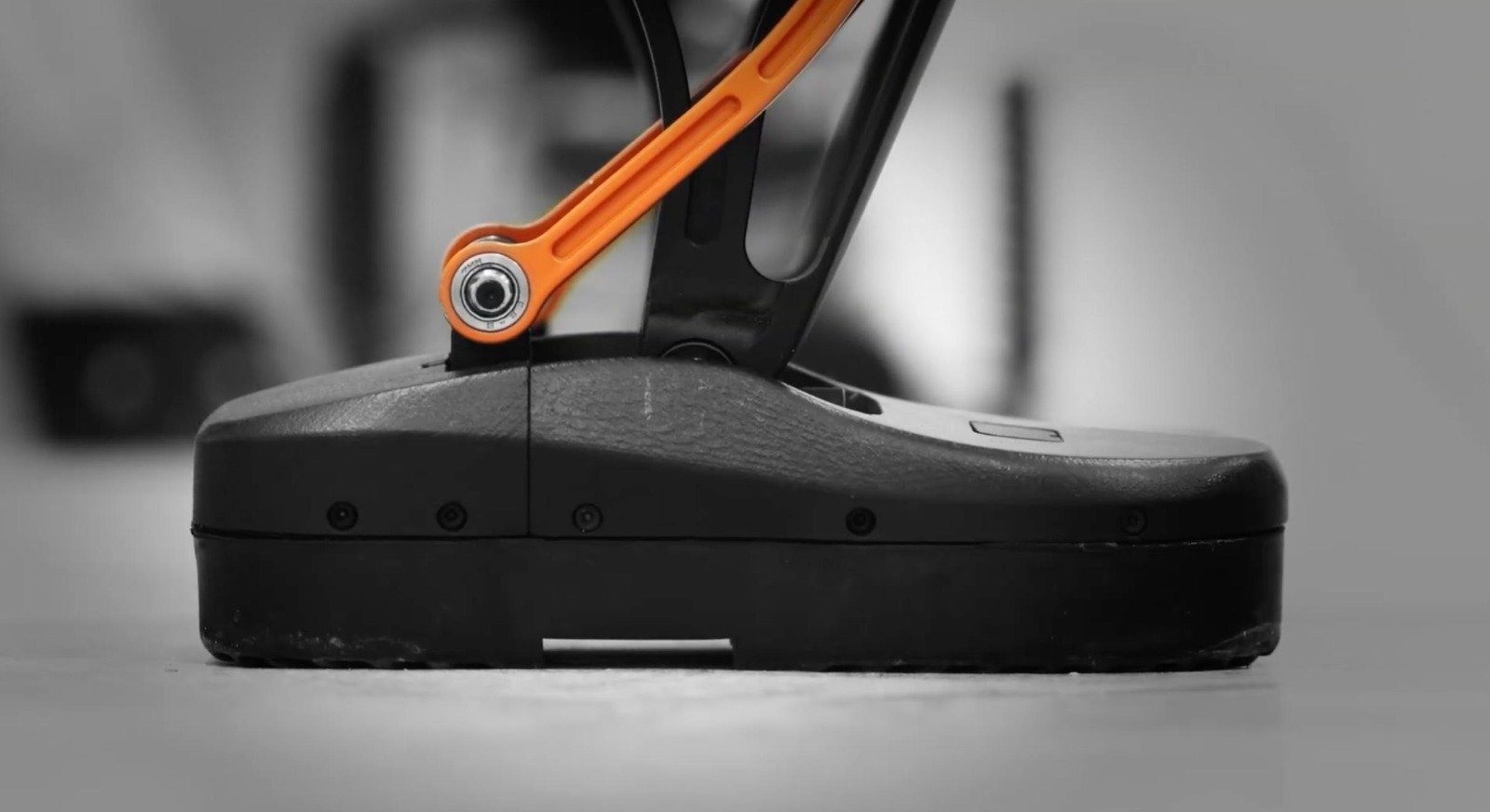
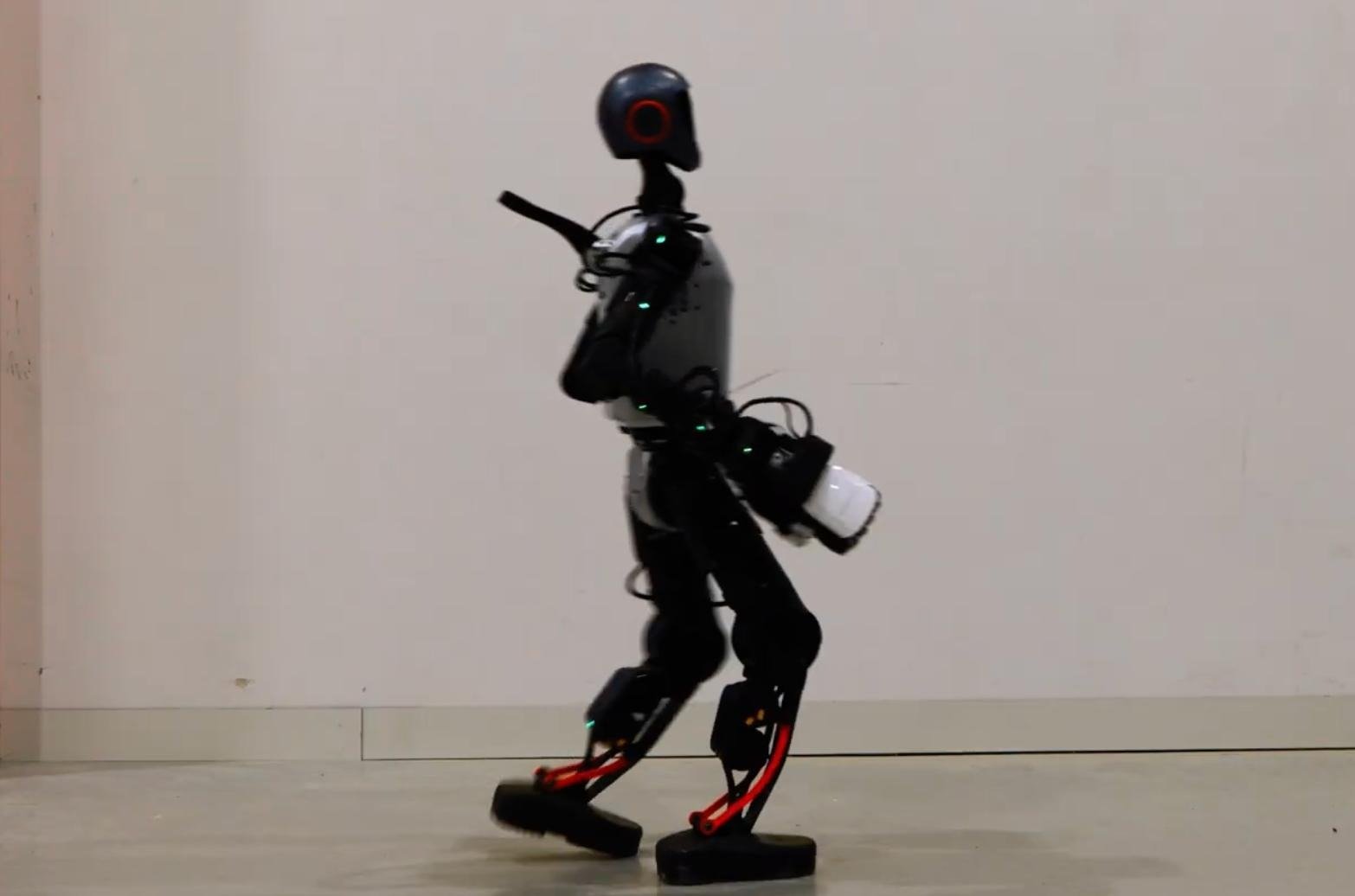
Minerva Roger is a semi-autonomous humanoid robot designed for hazardous operations in the energy sector and public safety. A trained specialist operates it remotely using a VR headset, body tracking and haptic feedback, allowing the operator to work from a safe location. Minerva Intelligence software handles balance, navigation and fall recovery, while manipulation is performed through teleoperation. The company identifies bomb disposal, hazmat and CBRNE response, offshore oil and gas inspection and valve operations, and high-voltage energy sites as intended deployment areas. Roger is a pre-commercial prototype, not a generally available purchase.
Price & Value
New MSRP: Undisclosed (contact manufacturer)
Used range: No verified used range available
The manufacturer has not set a public price, so the new-robot price is Undisclosed (contact manufacturer). The supplied information says first paid pilots are expected in fall 2026, but it does not quote pilot fees or purchase terms. Robot Overflow has no verified new listing price or used-sale range in the supplied records. Because Roger remains a pre-commercial prototype and is not available for general purchase, a used-market estimate would be unsupported. Buyers should request a written quote and confirm pilot scope, deployment tier, site setup, training and acceptance terms directly with Minerva.
Who Is It For?
Best for: - Energy operators assessing remote humanoid robotics for hazardous sites. - Public-safety and EOD teams evaluating teleoperated support for bomb disposal or hazmat and CBRNE response. - Organizations able to participate in a pre-commercial pilot and define site-specific requirements with the manufacturer. - Research and industrial teams interested in humanoid robotics for energy-sector operations.
Not for: - Buyers seeking a robot that can be ordered at a confirmed public price today. - Teams requiring published battery life, payload, speed, height or manipulation specifications before evaluation. - Organizations expecting manipulation to be autonomous rather than teleoperated. - Consumers or education buyers looking for a generally available humanoid product.
Alternatives & Comparison
The provided product information does not include specifications, prices or availability for other hazardous-work humanoids. A like-for-like comparison would therefore risk presenting unverified claims. The table records the limits of the available comparison data rather than substituting unrelated robots.
| Model | Price | Available | Key Difference |
|---|---|---|---|
| No verified comparable model supplied | Not provided | Not established in the supplied data | No competitor data was supplied for a reliable comparison by category, price or hazardous-work use case. |
Verdict: Roger is most relevant to organizations exploring remote humanoid work in hazardous energy and public-safety environments, but its pre-commercial status makes it an evaluation prospect rather than a standard purchase. Until Minerva publishes pricing and additional specifications, buyers should treat a pilot discussion—not a price comparison—as the practical next step.
Use Cases & Capabilities
Bomb disposal and EOD
Minerva identifies bomb disposal as an intended use for Roger. A trained specialist teleoperates the robot from a safe location using a VR headset, body tracking and haptic feedback. Manipulation remains teleoperated rather than autonomous. The source does not provide details about bomb-disposal tools, payload or task performance.
Hazmat and CBRNE response
Roger is listed for hazmat and CBRNE response, where remote operation is central to the stated concept. The operator uses teleoperation, while Minerva Intelligence supports balance, navigation and fall recovery. Minerva reports on-site public-safety testing at a major airport before launch. The supplied information does not identify the airport or publish test results.
Offshore oil and gas operations
The robot is designed for offshore oil and gas inspection rounds and valve operations. The operator controls manipulation remotely, with onboard software supporting balance and navigation. Minerva describes energy-sector work as a core target and announced a two-year research partnership with MBZUAI on humanoid robotics for energy. No offshore certification or operating-duration figure is provided.
High-voltage energy sites
Minerva lists high-voltage energy sites among Roger's intended deployment environments. The teleoperation setup lets a trained specialist operate from a safe location, while onboard software provides balance, navigation and fall recovery. The company also lists a fully autonomous deployment tier, but the supplied information does not describe how that tier applies to individual tasks. Buyers should confirm site requirements and the intended operating configuration with Minerva.
History & Background
Minerva Humanoids, Inc. was founded at the end of 2025 by CEO Sandor Felber, whose background includes humanoid robotics research at MIT CSAIL and Tesla Optimus, and CTO Maurice Rahme, who spent six years at Boston Dynamics and was technical lead on Stretch. The company is headquartered in San Francisco, with software developed in the US; its first prototypes were manufactured and assembled in Germany. Minerva says its first walking Roger prototype was designed, manufactured and assembled in five months. In January 2026, it announced a two-year strategic research partnership with MBZUAI focused on humanoid robotics for energy. The company emerged from stealth on October 6, 2026, announcing a $10M pre-seed round led by General Catalyst, with Long Journey Ventures and Credo Ventures as co-leads and additional investors.
Buying Used — What to Check
Verify prototype status Roger is identified as a pre-commercial prototype, and the supplied information does not establish that used units are available.
Confirm ownership and provenance Ask the seller and Minerva to verify the unit's identity, manufacturing history and whether it is a prototype or pilot system.
Request operating records Battery life and other operating specifications are undisclosed, so request records and test results for the specific unit rather than relying on assumptions.
Clarify support and setup The stated deployment includes site setup and one day of operator training; confirm whether either is included or available for a resale unit.
Get written pricing terms Minerva has not set a public price, and no verified used-market range is available; obtain written terms before evaluating a transaction.