-15%
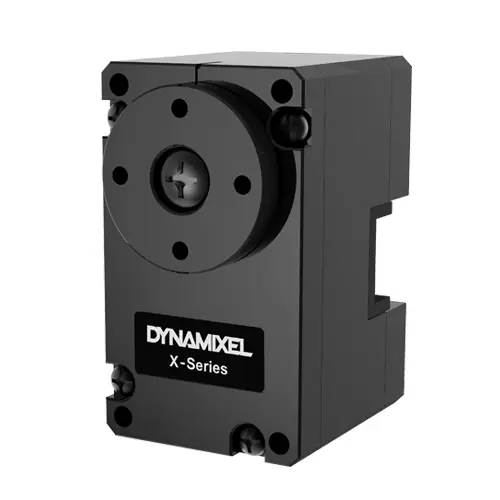
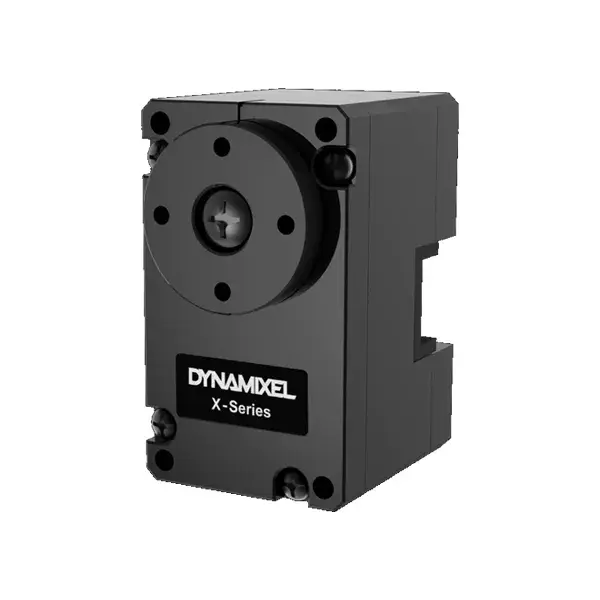
Dynamixel XL330-M288-T Servo Motor

Dynamixel XL330-M288-T Servo Motor

Dynamixel XL330-M288-T Servo Motor
Robotis | A-000000-04861
€40.20
€34.17 VAT incl. €28.48 VAT excl.
Save 15%

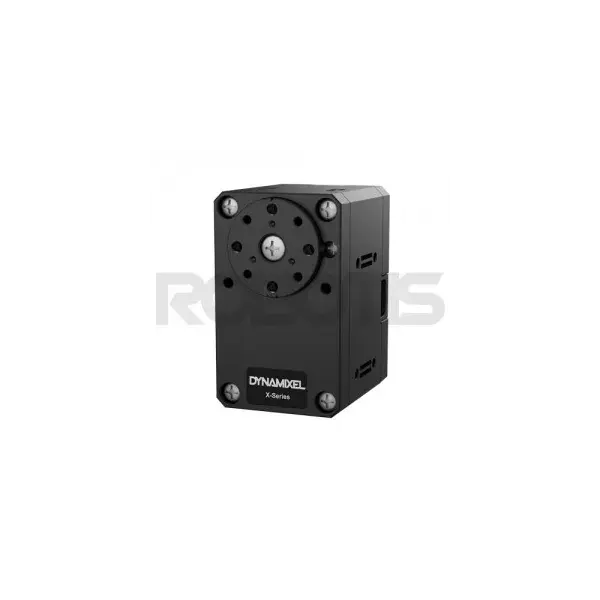
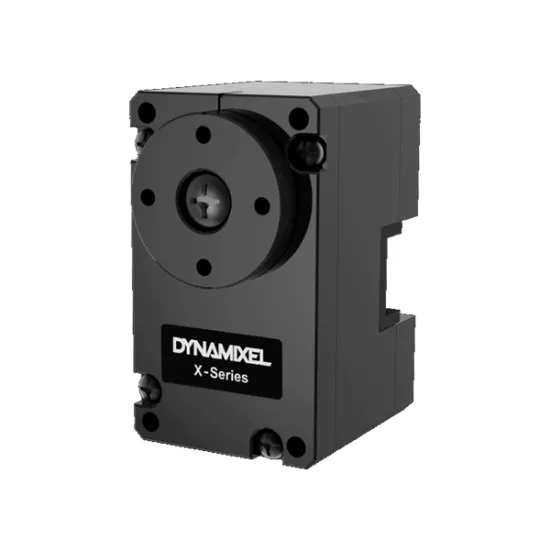
With the Dynamixel XL330-M288-T servo motor, Robotis is offering an entry-level servo with the functionalities of some of its most advanced products.

Quantity

Create a cart and turn it into a quote instantly!
Payment methods (see T&C)
Debit card
PayPal
Payment by invoice
Wire transfer

XL330-M288-T servo: ideal for compact projects

Standing 3.4 cm high, the lightweight Dynamixel XL330-M288-T paves the way for a series of economical and compact servos suitable for small applications.

Although its torque is insufficient for launching creations on an obstacle course or off-road adventure, it’s one of the fastest of all the Robotis products, with a no-load speed that can reach over 100 revolutions per minute.

A mode of operation worthy of the greatest

While the XL330 servo is not the most powerful of its generation, it does make up for this in terms of functionalities. Of particular interest are its various control modes, including current control, current-based position control and PWM control.
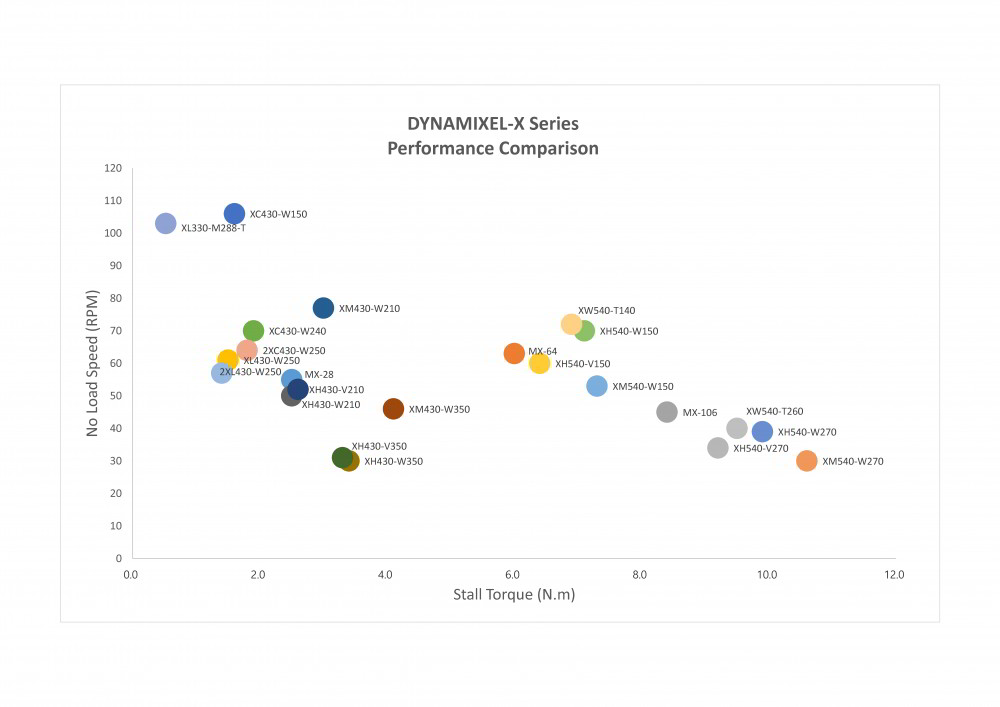
Dynamixel Series X servo comparison

In addition, it adapts to the RC protocol without any necessary modifications, so you can easily equip your small remote-controlled vehicles.

Technical specifications of the Dynamixel XL330-M288-T servo

Includes:

  • 1 XL330-M288-T servo motor
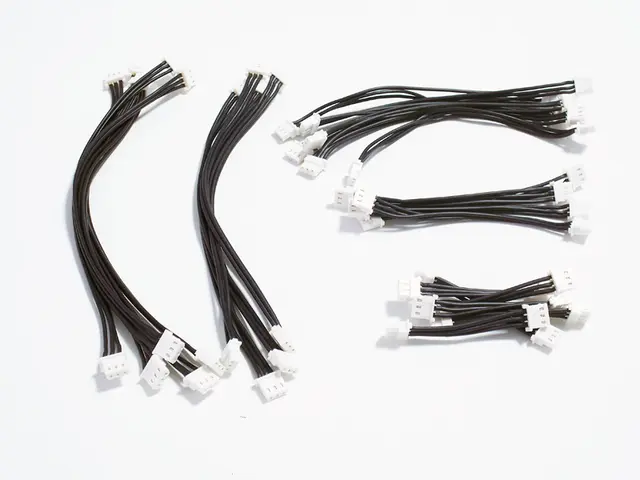
  • 1 X3P 180 mm robot cable
  • 6 M2x6 TAP bolts
  • 10 M2x8 TAP bolts

Technical specifications:

  • Input voltage [V]: 3.7–6V (5V recommended)
  • Stall torque [N-m]: 0.52
  • Stall current [A]: 1.5
  • No-load speed [rpm]: 104 rpm
  • Communication protocol: TTL
  • Default configuration: ID 1, 57,600 bps
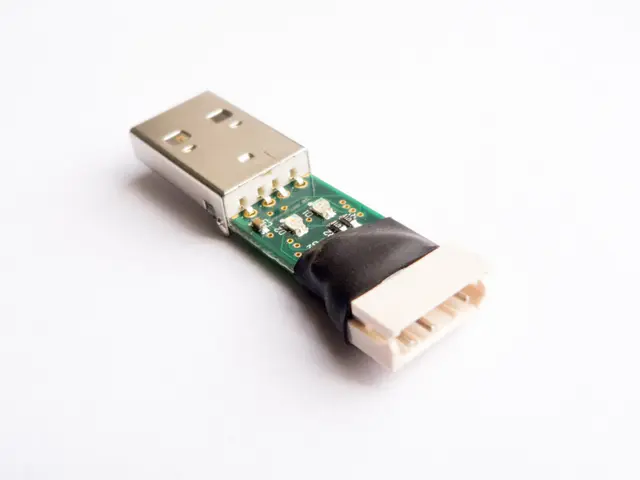
  • Compatible products: Arduino MKR Shield, USB2Dynamixel, U2D2
  • Input voltage: 3.7~6V (5V recommended)
  • Operating modes: velocity control, position control, extended position control, PWM control, current control, current-based position control
  • Dimensions: 20 x 34 x 25 mm
  • Weight: 18 g

Resources for the Robotis XL330-M288-T servo

Use these free online resources to learn everything you need to know about your Dynamixel XL330-M288-T servo motor.

How does this servo fit into the DYNAMIXEL range?

This video gives a quick overview to understand which types of projects this servo may suit: articulated robot, mobile base, gripper or prototype.

✅

✅

✅

Place this model within the range

Compare options without starting from scratch

Save time during selection

    My Dynamixel servomotor is not detected, what can I do about it ?

    Check that your Dynamixel servomotor is correctly configured. Do not hesitate to re-flash it with the ROBOTIS Software Roboplus. After re-flash remember to re-configure it. If the issue is not solved, for an advanced support.


    My motor works but it seems like there is an offset. Why ?

    The motor is probably not well mounted. Check that you correctly mounted the horns by respecting the mark.


    My Dynamixel servomotor seems blocked. I can't turn it even when it is not alimented.

    There is probably a mechanical issue with the Dynamixel servomotor. You can directly to get more advance support.


    My Dynamixel servomotor is not working properly.

    Check your power supply and the system cabling (try with a different servomotor). You can also reset the servo. If nothing works, the best solution is to go through the Dynamixel servomotor checklist!


    What is the difference between Protocol 1.0 and Protocol 2.0?

    The 1.0 protocol is dedicated to the Dynamixel AX and MX series. Protocol 2.0 is for the X and Dynamixel Pro series. Protocol 2.0 control tables include PID controls which allow for more precise adjustment of the servo motor movements. Protocol 2.0 can be updated on MX series servo motors. You can refer to the protocol 1.0 and protocol 2.0 pages for more informations.


Histórico de preços

Histórico do preço médio

Um ponto de dados por dia, calculado pela média com base na data da observação.

Preço médio diário

Valores em USD

$37,51
Gráfico do histórico do preço médio em USDGráfico de linhas com 61 observações de 2 de out. de 2026 a 22 de nov. de 2026.$46$44$42$40$38$362 de out.14 de out.27 de out.9 de nov.22 de nov.2 de out. de 2026: média de $44,133 de out. de 2026: média de $44,134 de out. de 2026: média de $44,135 de out. de 2026: média de $44,136 de out. de 2026: média de $44,137 de out. de 2026: média de $44,138 de out. de 2026: média de $44,139 de out. de 2026: média de $44,1310 de out. de 2026: média de $44,1311 de out. de 2026: média de $44,1312 de out. de 2026: média de $44,1313 de out. de 2026: média de $44,1314 de out. de 2026: média de $44,1315 de out. de 2026: média de $44,1316 de out. de 2026: média de $44,1317 de out. de 2026: média de $44,1318 de out. de 2026: média de $44,1319 de out. de 2026: média de $44,1320 de out. de 2026: média de $44,1321 de out. de 2026: média de $44,1322 de out. de 2026: média de $44,1323 de out. de 2026: média de $44,1324 de out. de 2026: média de $44,1325 de out. de 2026: média de $44,1326 de out. de 2026: média de $44,1327 de out. de 2026: média de $44,1328 de out. de 2026: média de $44,1329 de out. de 2026: média de $44,1330 de out. de 2026: média de $44,1331 de out. de 2026: média de $44,131 de nov. de 2026: média de $44,132 de nov. de 2026: média de $37,513 de nov. de 2026: média de $37,514 de nov. de 2026: média de $37,515 de nov. de 2026: média de $37,516 de nov. de 2026: média de $37,517 de nov. de 2026: média de $37,518 de nov. de 2026: média de $37,519 de nov. de 2026: média de $37,5110 de nov. de 2026: média de $37,5111 de nov. de 2026: média de $37,5112 de nov. de 2026: média de $37,5113 de nov. de 2026: média de $37,5114 de nov. de 2026: média de $37,5115 de nov. de 2026: média de $37,5116 de nov. de 2026: média de $37,5117 de nov. de 2026: média de $37,5118 de nov. de 2026: média de $37,5119 de nov. de 2026: média de $37,5120 de nov. de 2026: média de $37,5121 de nov. de 2026: média de $37,5122 de nov. de 2026: média de $37,51

As médias são calculadas por dia UTC com base nos preços de todas as ofertas registradas.