
Nero 7-Axis Robotic Arm

Nero 7-Axis Robotic Arm

Nero 7-Axis Robotic Arm
AgileX | A-000000-07951
€2,400.00 VAT incl. €2,000.00 VAT excl.

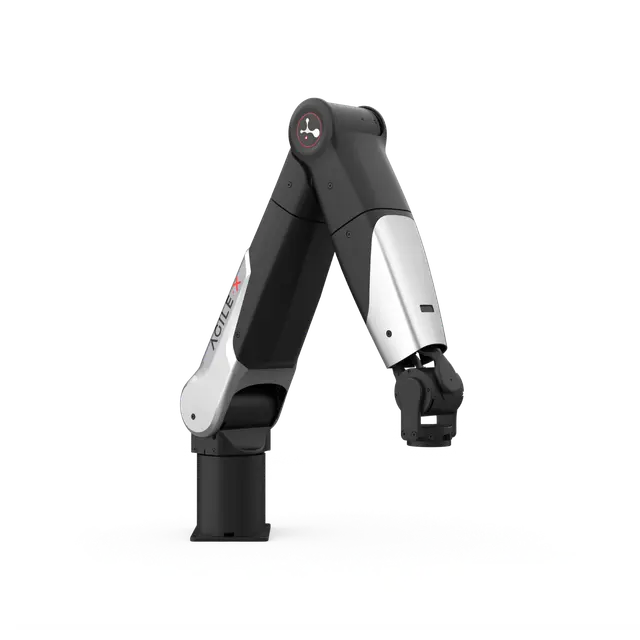
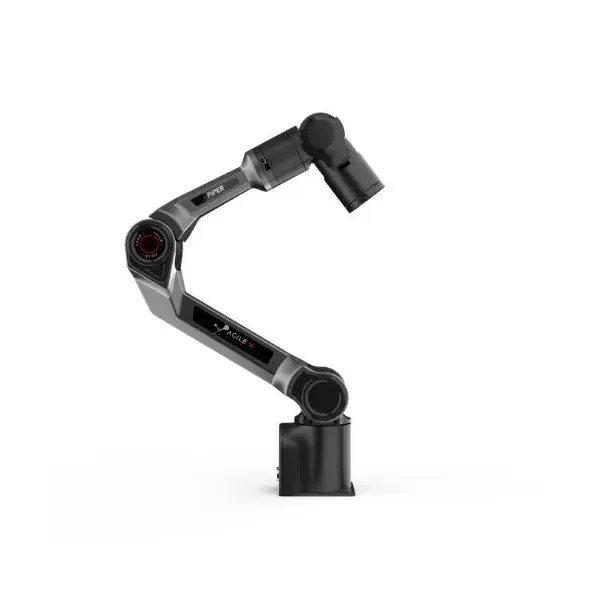
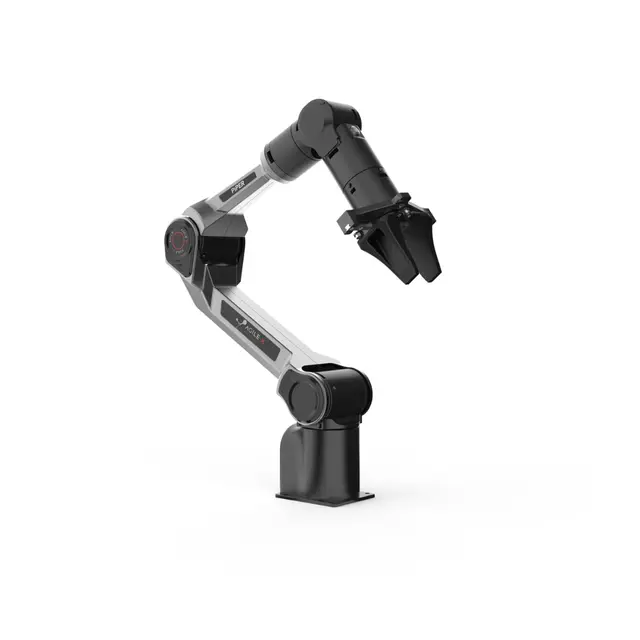
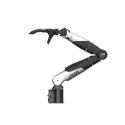
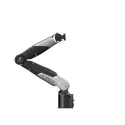
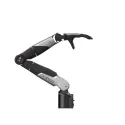
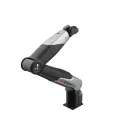
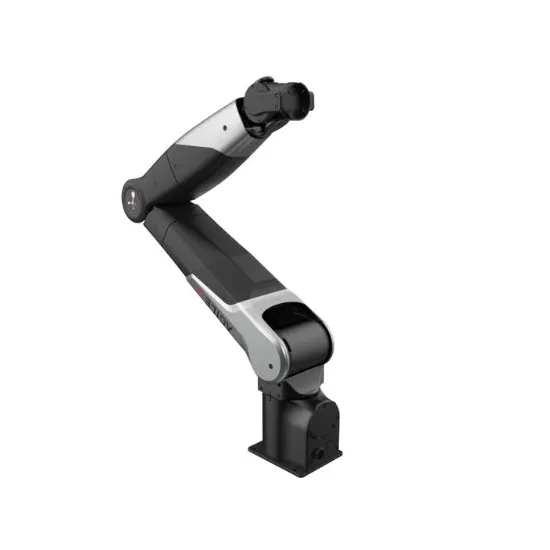
The Nero is a 7-axis (7-DoF) robotic arm designed for research work in humanoid robotics and Embodied AI. Its lightweight design and open architecture make laboratory integration, experimentation, and deployment across different setups (tabletop, side mounting, inverted) easier.

Quantity
Delivery within 6 to 8 weeks

Create a cart and turn it into a quote instantly!
Payment methods (see T&C)
Debit card
PayPal
Payment by invoice
Wire transfer

A 7-axis arm built for dexterity, precision, and software integration

7-DoF dexterity, payload and repeatability

With its 7-DoF structure, the Nero aims to provide a wide spatial workspace and wrist-like dexterity close to human motion. It relies on in-house developed motors and a body weighing around 4.8 kg, capable of handling a 3 kg payload. The ±0.1 mm repeatability supports tasks requiring reproducible execution, notably within test protocols and data collection workflows.

R&D control and software integration (CAN/HTTP/TCP, Python, ROS)

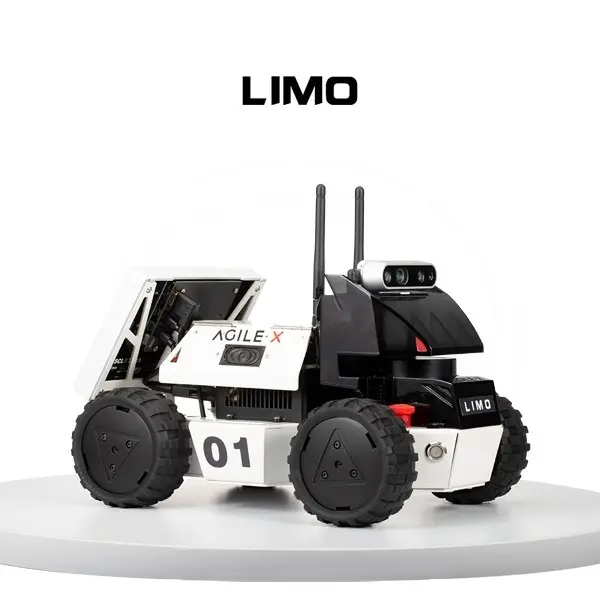
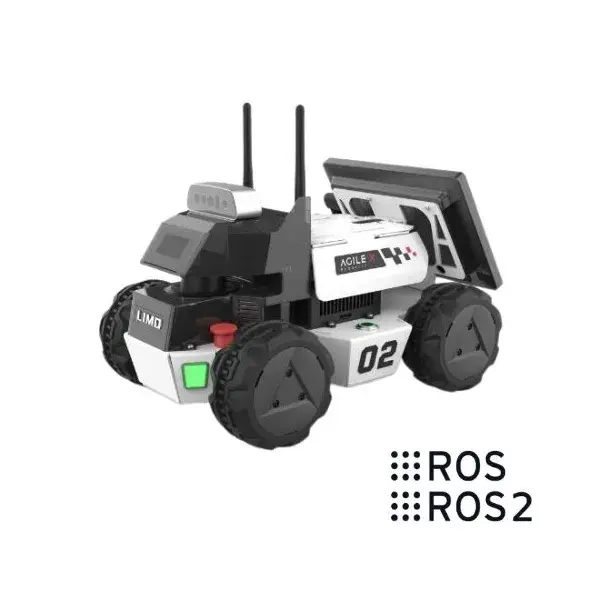
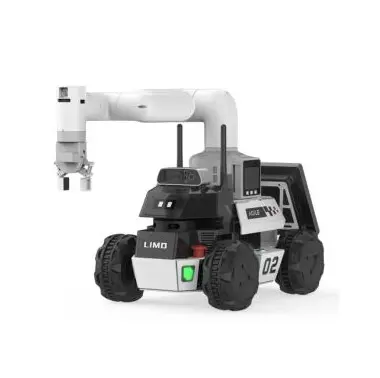
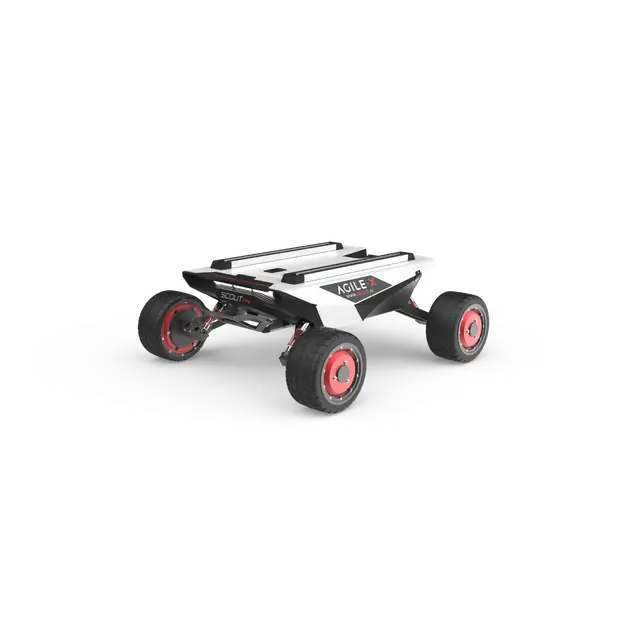
Control is designed for R&D use: CAN, HTTP and TCP interfaces, as well as multiple operation modes (for example drag teaching, offline trajectories, API, PC control). Integration with common robotics environments is streamlined via a Python SDK and ROS 1 / ROS 2 compatibility. The arm can also be combined with an AgileX mobile base to build a complete experimentation platform oriented toward an Embodied Platform.

Modular mechanical interfaces for grippers, dexterous hands and tools

On the mechanical side, the modular approach targets compatibility with various end-effectors: grippers, dexterous hands and other tools, so the system can be adapted to experimental protocol needs (physical interaction, manipulation, imitation learning, etc.).

Research use cases: humanoid robotics, learning, and capability validation

  • Embodied AI: end-to-end validation of perception → decision → action pipelines (control, execution, and evaluation).
  • Humanoid robotics: experiments on dexterity, 7-axis kinematics, and “human-like” manipulation.
  • Imitation learning: demonstrations via drag teaching, dataset creation, and policy comparison.
  • Reinforcement learning: repeatable trajectory execution, robustness testing, and interaction scenarios.
  • Physical interaction data collection: dataset generation for analysis and training (interaction quality and reproducibility).
  • ROS integration: application prototyping (ROS 1 / ROS 2) and development of experimental pipelines.
  • Mobile platform: integration with an AgileX mobile base to test mobile manipulation scenarios.

Technical specifications of the AgileX Nero arm

  • Degrees of freedom: 7
  • Reach: 580 mm
  • Weight: 4.8 kg
  • Payload: 3 kg
  • Repeatability: ±0.1 mm
  • Input voltage: DC 24 V
  • Noise: < 60 dB
  • Communication: CAN, HTTP, TCP
  • Control methods: drag teaching, offline trajectory, API, PC
  • Software compatibility: Python SDK, ROS 1, ROS 2
  • External interfaces: Power ×1, CAN ×1, Network ×1
  • Power consumption: max power < 120 W; average power < 40 W
  • Operating environment: 0–50°C; 25–85% RH, non-condensing
  • Mounting: table / side / inverted (upside down)
  • Base installation dimensions: 70 mm × 70 mm; M5 × 4
  • Max joint speed: J1 180°/s, J2 180°/s, J3 180°/s, J4 225°/s, J5 225°/s, J6 225°/s, J7 225°/s
  • Joint range of motion: J1 -157° to 157°, J2 -15° to 190°, J3 -160° to 160°, J4 -60° to 125°, J5 -160° to 160°, J6 -43° to 58°, J7 -90° to 90°

Nero robotic arm resources

Prijsgeschiedenis

Gemiddeld prijsverloop

Eén gegevenspunt per dag, gemiddeld per waarnemingsdatum.

Gemiddelde prijs per dag

Bedragen in USD

$2.634,47
Grafiek van het gemiddelde prijsverloop in USDLijndiagram met 61 waarnemingen van 2 okt 2026 tot 22 nov 2026.$2.634,50$2.634,49$2.634,48$2.634,47$2.634,462 okt14 okt27 okt9 nov22 nov2 okt 2026: gemiddeld $2.634,473 okt 2026: gemiddeld $2.634,474 okt 2026: gemiddeld $2.634,475 okt 2026: gemiddeld $2.634,476 okt 2026: gemiddeld $2.634,477 okt 2026: gemiddeld $2.634,478 okt 2026: gemiddeld $2.634,479 okt 2026: gemiddeld $2.634,4710 okt 2026: gemiddeld $2.634,4711 okt 2026: gemiddeld $2.634,4712 okt 2026: gemiddeld $2.634,4713 okt 2026: gemiddeld $2.634,4714 okt 2026: gemiddeld $2.634,4715 okt 2026: gemiddeld $2.634,4716 okt 2026: gemiddeld $2.634,4717 okt 2026: gemiddeld $2.634,4718 okt 2026: gemiddeld $2.634,4719 okt 2026: gemiddeld $2.634,4720 okt 2026: gemiddeld $2.634,4721 okt 2026: gemiddeld $2.634,4722 okt 2026: gemiddeld $2.634,4723 okt 2026: gemiddeld $2.634,4724 okt 2026: gemiddeld $2.634,4725 okt 2026: gemiddeld $2.634,4726 okt 2026: gemiddeld $2.634,4727 okt 2026: gemiddeld $2.634,4728 okt 2026: gemiddeld $2.634,4729 okt 2026: gemiddeld $2.634,4730 okt 2026: gemiddeld $2.634,4731 okt 2026: gemiddeld $2.634,471 nov 2026: gemiddeld $2.634,472 nov 2026: gemiddeld $2.634,473 nov 2026: gemiddeld $2.634,474 nov 2026: gemiddeld $2.634,475 nov 2026: gemiddeld $2.634,476 nov 2026: gemiddeld $2.634,477 nov 2026: gemiddeld $2.634,478 nov 2026: gemiddeld $2.634,479 nov 2026: gemiddeld $2.634,4710 nov 2026: gemiddeld $2.634,4711 nov 2026: gemiddeld $2.634,4712 nov 2026: gemiddeld $2.634,4713 nov 2026: gemiddeld $2.634,4714 nov 2026: gemiddeld $2.634,4715 nov 2026: gemiddeld $2.634,4716 nov 2026: gemiddeld $2.634,4717 nov 2026: gemiddeld $2.634,4718 nov 2026: gemiddeld $2.634,4719 nov 2026: gemiddeld $2.634,4720 nov 2026: gemiddeld $2.634,4721 nov 2026: gemiddeld $2.634,4722 nov 2026: gemiddeld $2.634,47

Gemiddelden worden per UTC-dag berekend op basis van alle geregistreerde aanbiedingsprijzen.