Prix moyen quotidien
Montants en USD
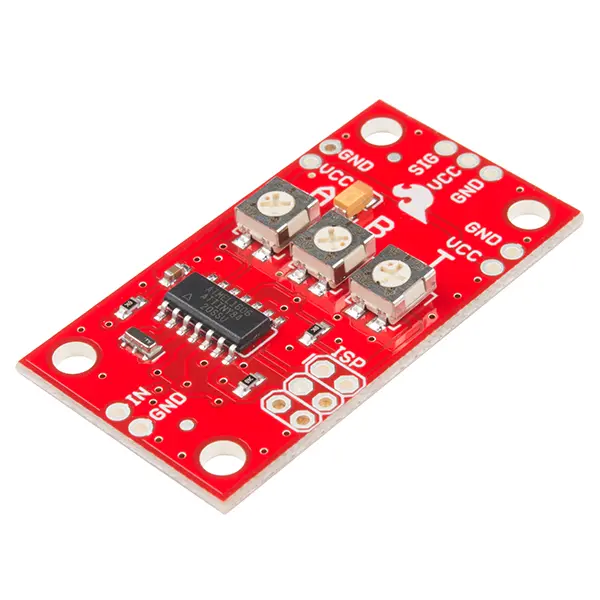
Description
Simple, Code-Free Servo Control The SparkFun Servo Trigger is designed for one purpose: to make controlling hobby RC servos easy for everyone. It's the perfect solution for artists, prop makers, and hobbyists who need to create motion without the hassle of writing or debugging code. This board acts as a simple-to-configure "brain," moving a servo between two set positions in response to an external trigger. Intuitive Dial-Based Setup Operation is incredibly straightforward. Connect your servo, a power source (5.5V max), and a trigger—like a button, switch, or logic signal. The board features three on-board potentiometers for adjustment: Position "A": Use this pot to set the servo's "home" position (when the switch is open). Position "B": Use this pot to set the servo's "activated" position (when the switch is closed). Time "T": This pot controls the ramp time, allowing you to set the speed of the transition. You can create anything from a lightning-fast "snap" to a slow, smooth sweep. Technical Details & Advanced Use At its heart, an Atmel ATTiny84 microcontroller runs a small program to manage the servo control. The board itself is highly efficient, drawing only about 5mA at 5V (Note: the servo's current draw will be much higher). For larger installations, the Servo Trigger is designed to be easily daisy-chained by connecting the VCC and GND pads of adjacent boards. While it's powerful in its default A-B mode, the Servo Trigger has even more capabilities. Be sure to check out the Hookup Guide in the Documents section for advanced tips, configurations, and hidden modes! Note: This idea originally came from our friend in the Oakland area, CTP. If you see him, please give him a high-five for us.
Simple, Code-Free Servo Control The SparkFun Servo Trigger is designed for one purpose: to make controlling hobby RC servos easy for everyone. It's the perfect solution for artists, prop makers, and hobbyists who need to create motion without the hassle of writing or debugging code. This board acts as a simple-to-configure "brain," moving a servo between two set positions in response to an external trigger. Intuitive Dial-Based Setup Operation is incredibly straightforward. Connect your servo, a power source (5.5V max), and a trigger—like a button, switch, or logic signal. The board features three on-board potentiometers for adjustment: Position "A": Use this pot to set the servo's "home" position (when the switch is open). Position "B": Use this pot to set the servo's "activated" position (when the switch is closed). Time "T": This pot controls the ramp time, allowing you to set the speed of the transition. You can create anything from a lightning-fast "snap" to a slow, smooth sweep. Technical Details & Advanced Use At its heart, an Atmel ATTiny84 microcontroller runs a small program to manage the servo control. The board itself is highly efficient, drawing only about 5mA at 5V (Note: the servo's current draw will be much higher). For larger installations, the Servo Trigger is designed to be easily daisy-chained by connecting the VCC and GND pads of adjacent boards. While it's powerful in its default A-B mode, the Servo Trigger has even more capabilities. Be sure to check out the Hookup Guide in the Documents section for advanced tips, configurations, and hidden modes! Note: This idea originally came from our friend in the Oakland area, CTP. If you see him, please give him a high-five for us.
Historique des prix
Un point de données par jour, calculé selon la date d’observation.
Montants en USD
Les moyennes sont calculées par jour UTC à partir de tous les prix d’offre enregistrés.
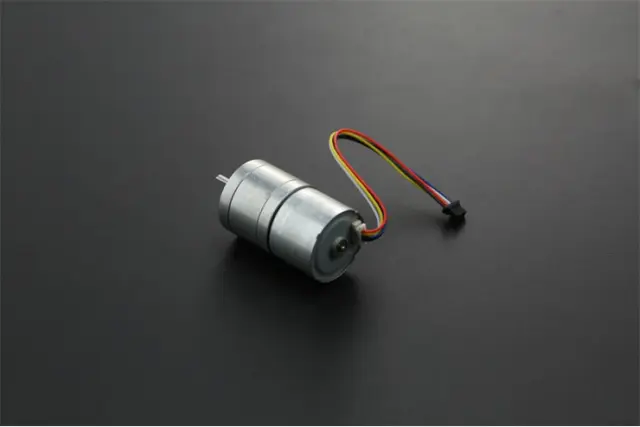
RoboSavvy · London, GB
£15,50
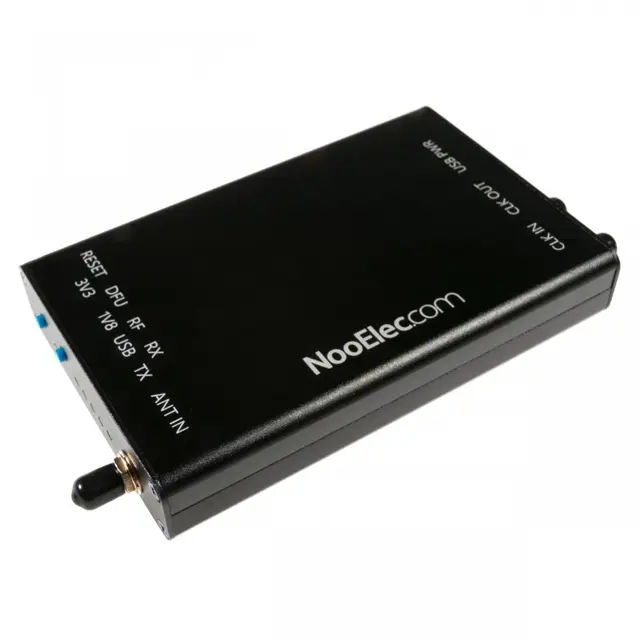
RoboSavvy · London, GB
£17
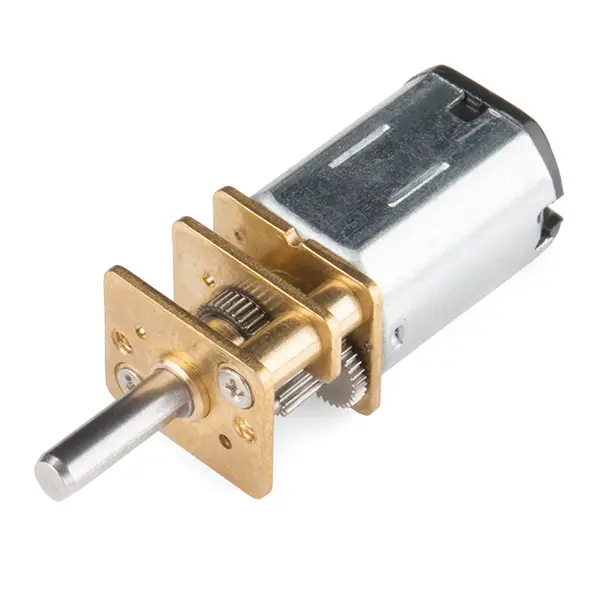
RoboSavvy · London, GB
£17,61
RoboSavvy · London, GB
£17,61
RoboSavvy · London, GB
£17,61
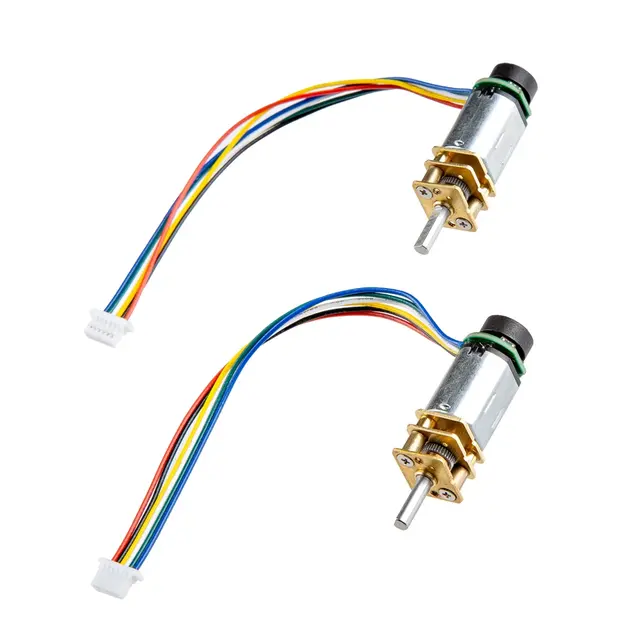
RoboSavvy · London, GB
£14,95
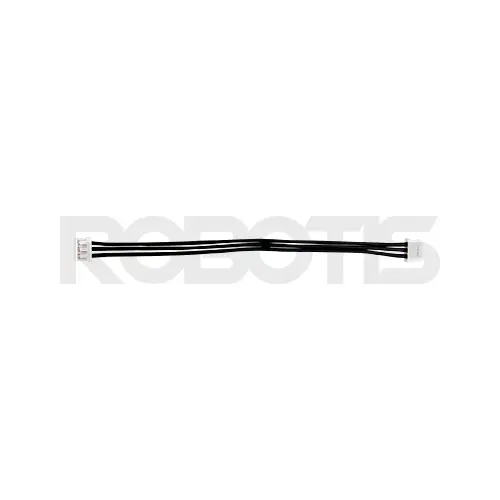
RoboSavvy · London, GB
£16,08
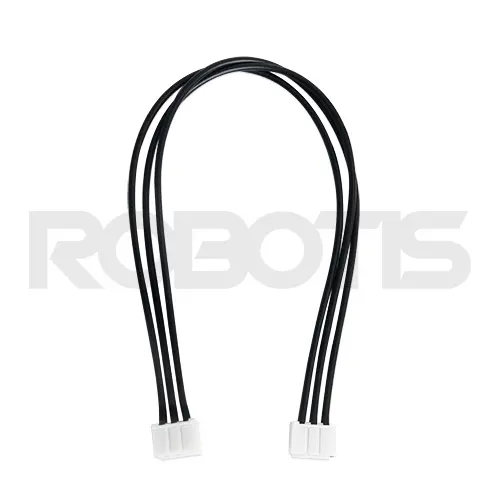
RoboSavvy · London, GB
£15
RoboSavvy · London, GB
£17,83
RoboSavvy · London, GB
£15,36
RoboSavvy · London, GB
£15,70
RoboSavvy · London, GB
£17,20
🍪 Préférences relatives aux cookies
Nous utilisons des cookies pour mesurer les performances. Politique de confidentialité