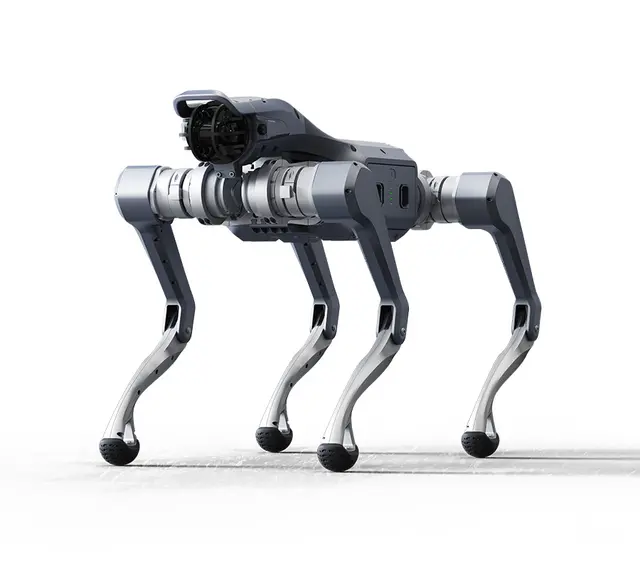
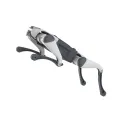
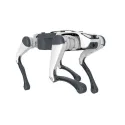
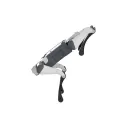
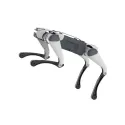
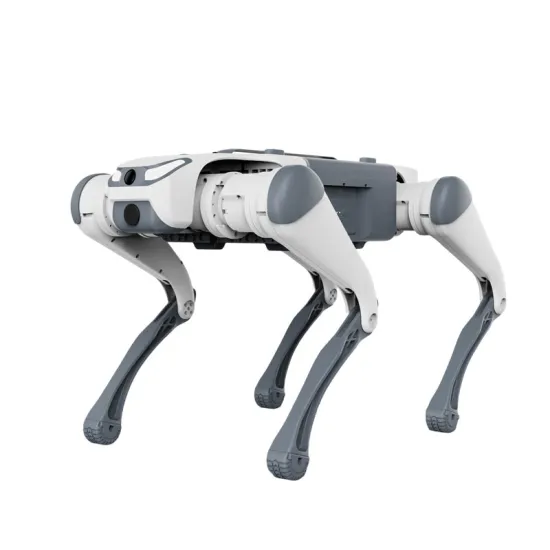
Lite 3 Quadruped Robot

Lite 3 Quadruped Robot

Lite 3 Quadruped Robot
Deep Robotics | A-000000-07424
€8,400.00 VAT incl. €7,000.00 VAT excl.

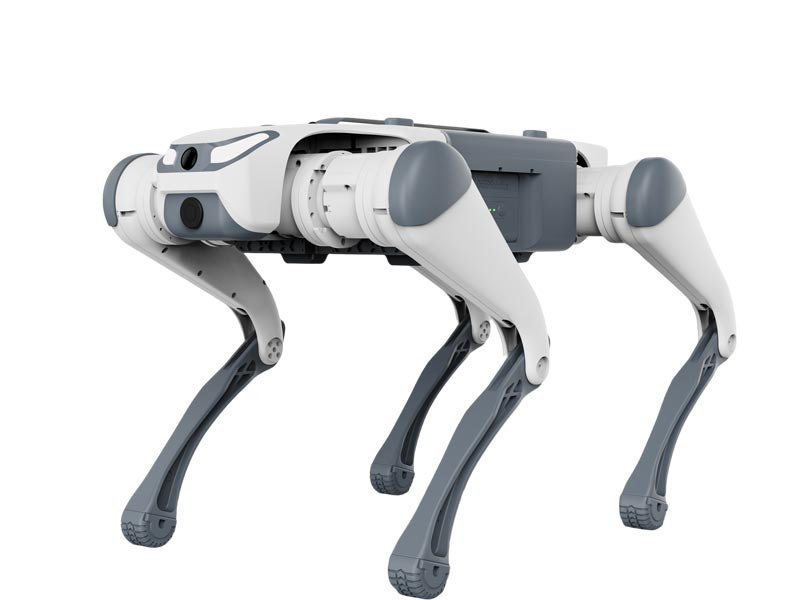
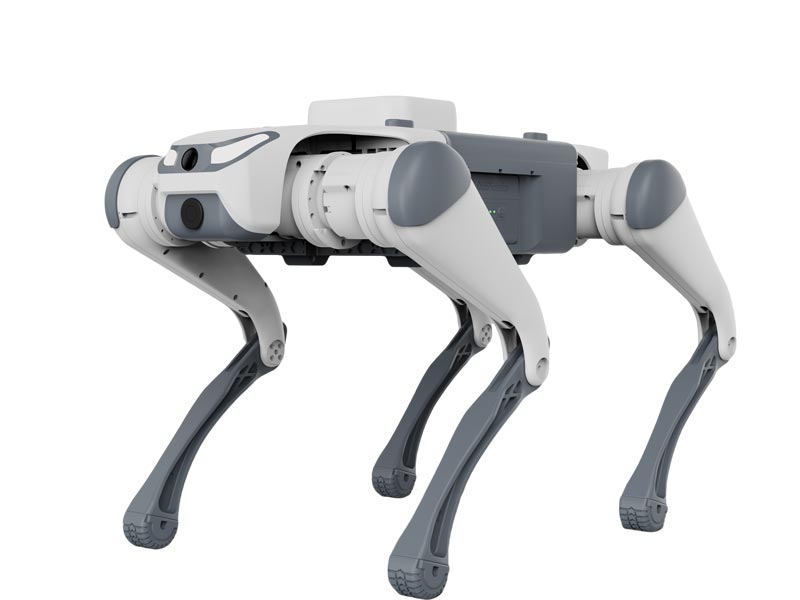
The Lite 3 is an advanced quadruped robot designed to combine power, agility, and flexibility, with a modular structure suitable for advanced robotics developments.

Certification CE
Version
-- Please select an item --
  • LiDAR
  • Venture
  • Basic
Quantity
Delivery within 2 weeks (Pro and Venture) and 5 to 7 weeks (Basic and LiDAR)

Create a cart and turn it into a quote instantly!
Payment methods (see T&C)
Debit card
PayPal
Payment by invoice
Wire transfer

A compact quadruped robot for research, education, and robotic development

  • Compact form factor: a lightweight quadruped robot, easy to deploy in a laboratory, demo room, or test environment.
  • Up to 5 kg payload: for integrating sensors, accessories, or additional modules.
  • Up to 40° slope capability and 18 cm obstacle clearance: for testing locomotion in varied environments.
  • 1.5 to 2 hours of battery life: for testing, research, and demonstrations.
  • Embedded perception depending on the version: obstacle stop, visual tracking, obstacle avoidance, and autonomous navigation.
  • Hardware interfaces depending on the version: Ethernet, USB 3.0, HDMI, and external power supply for integration projects.
  • ROS-compatible and ready for secondary development: a platform designed for education, research, and robotic AI.

The Lite 3 is intended for teams looking for a programmable quadruped platform that can be used for learning, prototyping, and advanced development. Its main advantage is to provide a platform ready to be instrumented, without starting from a complete mechanical base, while maintaining a compact footprint and a scalable version-based approach.

Four versions to adapt the level of perception, interfaces, and functional autonomy

The Lite 3 is available in several versions to cover different needs, from entry-level use to more advanced work in perception, obstacle avoidance, and autonomous navigation.

  • Lite 3 Basic: entry-level version for discovery, education, and first developments in robotic locomotion.
  • Lite 3 Venture: intermediate version with more interfaces for integrating external modules.
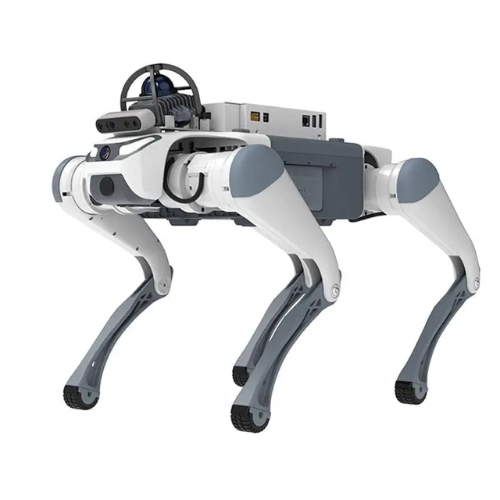
  • Lite 3 LiDAR: the most complete version for 3D perception, obstacle avoidance, and autonomous navigation projects.

Depending on the chosen version, the robot may include functions such as front/rear obstacle stop, visual tracking, obstacle avoidance, and autonomous navigation. Higher versions also add richer hardware interfaces for onboard computing, perception, or powering external devices.

The LiDAR version is natively compatible with ROS and can be programmed as soon as it is commissioned.

Basic
Lite 3 Basic
Venture
Lite 3 Venture
LiDAR
Lite 3 LiDAR
Dimensions610 x 370 x 406 mm610 x 370 x 445 mm610 x 370 x 496 mm
Weight12 kg12.2 kg13.5 kg
Battery life1.5h ~ 2h1.5h ~ 2h1.5h ~ 2h
Range5 km4 km2.7 km
Climbing capability40°40°40°
Max step height18 cm18 cm18 cm
Payload5 kg4.5 kg2.5 kg
Perception capabilitiesAuto stop front & rear
Object tracking
Auto stop front & rear
Object tracking
Auto stop front & rear
Object tracking
Obstacle avoidance
Autonomous navigation
Interface/Ethernet
Input (5V/12V/24V)
Type-C; USB3.0; HDMI; Ethernet; Input (5V/24V)
Secondary development/Provides URDF model for simulation, SDK, API, perception interface and related documents.Provides URDF model for simulation, SDK, API, perception interface and related documents.
ROS included
LiDAR type--Livox 360

A quadruped for locomotion, perception, navigation, and applied robotics

Thanks to its compact structure, traversal capability, and development options, the Lite 3 can be used in many academic and technical contexts:

  • Robotic locomotion research: testing motor control, stability, and movement on varied terrain.
  • Higher education: an educational platform for mobile robotics, AI, perception, and software integration.
  • Autonomous robotics: development of obstacle stop, visual tracking, avoidance, and navigation functions.
  • Embedded perception: integration of modules and use of interfaces for sensor and vision projects.
  • Rapid prototyping: validation of algorithms, software, and movement strategies on an already operational platform.
  • Competitions and technical demonstrations: an agile quadruped robot for dynamic and interactive scenarios.

The Lite 3 by Deep Robotics therefore provides a consistent platform for laboratories, engineering schools, R&D teams, and developers who want to work with a programmable quadruped robot offering a good balance of compactness, modularity, and scalability.

Lite 3 quadruped robot resources - Deep Robotics

FAQ about the Lite 3 quadruped robot by Deep Robotics

What is the Lite 3 quadruped robot used for?

The Lite 3 is designed for research, education, mobile robotics projects, and AI-related work, especially in locomotion, perception, visual tracking, and autonomous navigation depending on the selected version.

What are the differences between the Basic, Venture, Pro, and LiDAR versions?

The versions differ in their level of embedded perception, hardware interfaces, and autonomous functions. The Basic version covers essential needs, while the Venture, Pro, and LiDAR versions progressively add interfaces such as Ethernet, USB 3.0, or HDMI, along with obstacle avoidance and autonomous navigation.

Is the Lite 3 compatible with ROS?

Yes. The Lite 3 is compatible with ROS1 and ROS2, and the manufacturer also indicates compatibility with Ubuntu 20.04, making it a suitable platform for robotic development and software integration projects.

Can the Lite 3 be used for perception, SLAM, or reinforcement learning?

Yes. DEEP Robotics highlights use cases related to SLAM, navigation, embedded perception, and reinforcement learning, with dedicated development resources for these workflows.

What development resources are available for the Lite 3?

The manufacturer provides SDKs, APIs, GitHub resources, locomotion and perception development examples, as well as packages related to control, the URDF model, and reinforcement learning.

تاریخچهٔ قیمت

تاریخچهٔ میانگین قیمت

برای هر روز یک نقطهٔ داده؛ میانگین‌گیری بر اساس تاریخ مشاهده انجام شده است.

میانگین روزانهٔ قیمت

مبالغ به USD

$۹٬۲۲۰٫۶۴
نمودار تاریخچهٔ میانگین قیمت (به USD)نمودار خطیِ 61 مشاهده از ۱۰ مهر ۱۴۰۵ تا ۱ آذر ۱۴۰۵.$۹٬۲۲۰٫۶۷$۹٬۲۲۰٫۶۶$۹٬۲۲۰٫۶۵$۹٬۲۲۰٫۶۴$۹٬۲۲۰٫۶۳۱۰ مهر۲۲ مهر۵ آبان۱۸ آبان۱ آذر۱۰ مهر ۱۴۰۵: میانگین $۹٬۲۲۰٫۶۴۱۱ مهر ۱۴۰۵: میانگین $۹٬۲۲۰٫۶۴۱۲ مهر ۱۴۰۵: میانگین $۹٬۲۲۰٫۶۴۱۳ مهر ۱۴۰۵: میانگین $۹٬۲۲۰٫۶۴۱۴ مهر ۱۴۰۵: میانگین $۹٬۲۲۰٫۶۴۱۵ مهر ۱۴۰۵: میانگین $۹٬۲۲۰٫۶۴۱۶ مهر ۱۴۰۵: میانگین $۹٬۲۲۰٫۶۴۱۷ مهر ۱۴۰۵: میانگین $۹٬۲۲۰٫۶۴۱۸ مهر ۱۴۰۵: میانگین $۹٬۲۲۰٫۶۴۱۹ مهر ۱۴۰۵: میانگین $۹٬۲۲۰٫۶۴۲۰ مهر ۱۴۰۵: میانگین $۹٬۲۲۰٫۶۴۲۱ مهر ۱۴۰۵: میانگین $۹٬۲۲۰٫۶۴۲۲ مهر ۱۴۰۵: میانگین $۹٬۲۲۰٫۶۴۲۳ مهر ۱۴۰۵: میانگین $۹٬۲۲۰٫۶۴۲۴ مهر ۱۴۰۵: میانگین $۹٬۲۲۰٫۶۴۲۵ مهر ۱۴۰۵: میانگین $۹٬۲۲۰٫۶۴۲۶ مهر ۱۴۰۵: میانگین $۹٬۲۲۰٫۶۴۲۷ مهر ۱۴۰۵: میانگین $۹٬۲۲۰٫۶۴۲۸ مهر ۱۴۰۵: میانگین $۹٬۲۲۰٫۶۴۲۹ مهر ۱۴۰۵: میانگین $۹٬۲۲۰٫۶۴۳۰ مهر ۱۴۰۵: میانگین $۹٬۲۲۰٫۶۴۱ آبان ۱۴۰۵: میانگین $۹٬۲۲۰٫۶۴۲ آبان ۱۴۰۵: میانگین $۹٬۲۲۰٫۶۴۳ آبان ۱۴۰۵: میانگین $۹٬۲۲۰٫۶۴۴ آبان ۱۴۰۵: میانگین $۹٬۲۲۰٫۶۴۵ آبان ۱۴۰۵: میانگین $۹٬۲۲۰٫۶۴۶ آبان ۱۴۰۵: میانگین $۹٬۲۲۰٫۶۴۷ آبان ۱۴۰۵: میانگین $۹٬۲۲۰٫۶۴۸ آبان ۱۴۰۵: میانگین $۹٬۲۲۰٫۶۴۹ آبان ۱۴۰۵: میانگین $۹٬۲۲۰٫۶۴۱۰ آبان ۱۴۰۵: میانگین $۹٬۲۲۰٫۶۴۱۱ آبان ۱۴۰۵: میانگین $۹٬۲۲۰٫۶۴۱۲ آبان ۱۴۰۵: میانگین $۹٬۲۲۰٫۶۴۱۳ آبان ۱۴۰۵: میانگین $۹٬۲۲۰٫۶۴۱۴ آبان ۱۴۰۵: میانگین $۹٬۲۲۰٫۶۴۱۵ آبان ۱۴۰۵: میانگین $۹٬۲۲۰٫۶۴۱۶ آبان ۱۴۰۵: میانگین $۹٬۲۲۰٫۶۴۱۷ آبان ۱۴۰۵: میانگین $۹٬۲۲۰٫۶۴۱۸ آبان ۱۴۰۵: میانگین $۹٬۲۲۰٫۶۴۱۹ آبان ۱۴۰۵: میانگین $۹٬۲۲۰٫۶۴۲۰ آبان ۱۴۰۵: میانگین $۹٬۲۲۰٫۶۴۲۱ آبان ۱۴۰۵: میانگین $۹٬۲۲۰٫۶۴۲۲ آبان ۱۴۰۵: میانگین $۹٬۲۲۰٫۶۴۲۳ آبان ۱۴۰۵: میانگین $۹٬۲۲۰٫۶۴۲۴ آبان ۱۴۰۵: میانگین $۹٬۲۲۰٫۶۴۲۵ آبان ۱۴۰۵: میانگین $۹٬۲۲۰٫۶۴۲۶ آبان ۱۴۰۵: میانگین $۹٬۲۲۰٫۶۴۲۷ آبان ۱۴۰۵: میانگین $۹٬۲۲۰٫۶۴۲۸ آبان ۱۴۰۵: میانگین $۹٬۲۲۰٫۶۴۲۹ آبان ۱۴۰۵: میانگین $۹٬۲۲۰٫۶۴۳۰ آبان ۱۴۰۵: میانگین $۹٬۲۲۰٫۶۴۱ آذر ۱۴۰۵: میانگین $۹٬۲۲۰٫۶۴

میانگین‌ها بر اساس همهٔ قیمت‌های پیشنهادی ثبت‌شده در هر روزِ UTC محاسبه می‌شوند.