每日平均价格
金额单位:USD
描述
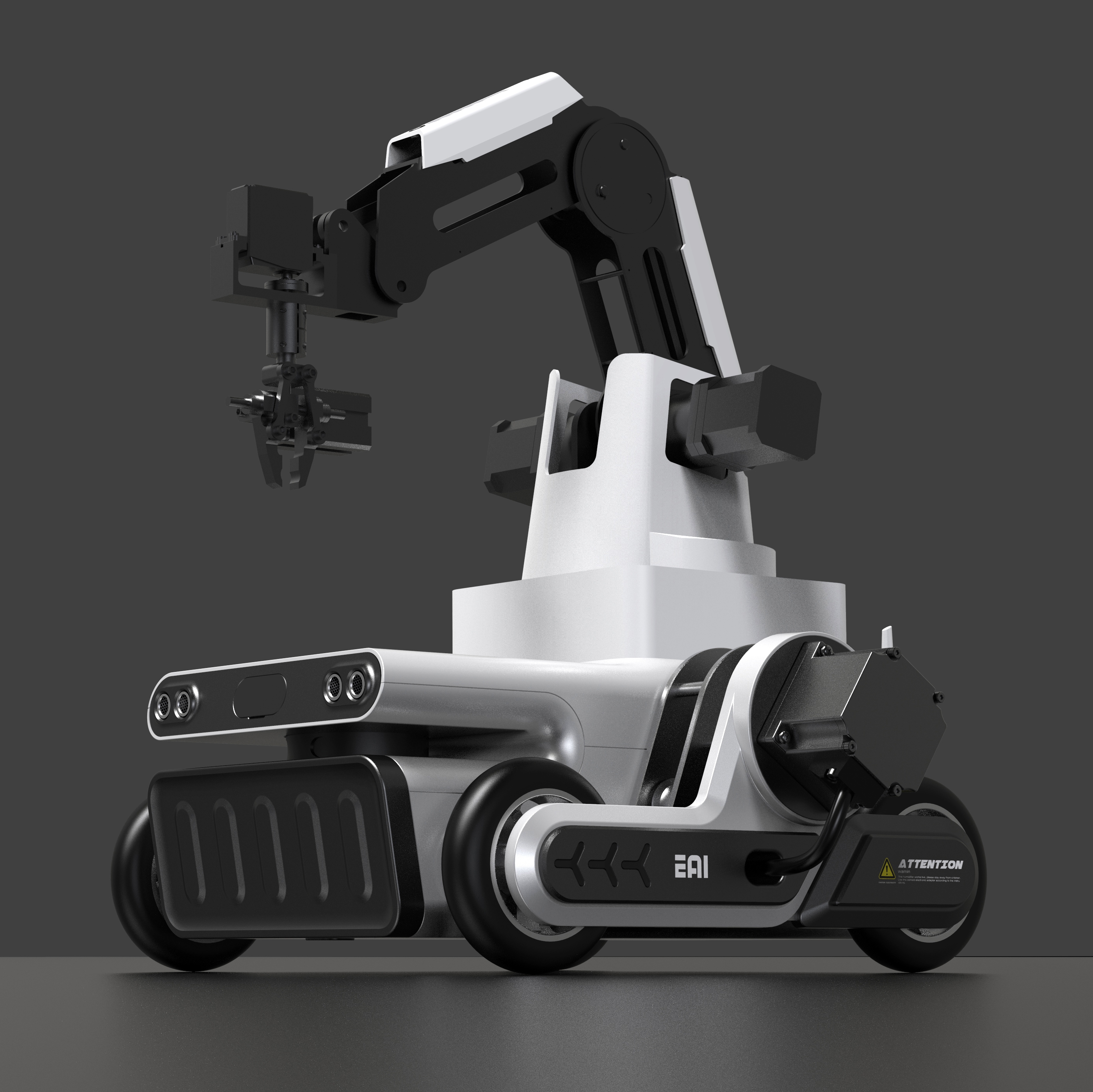
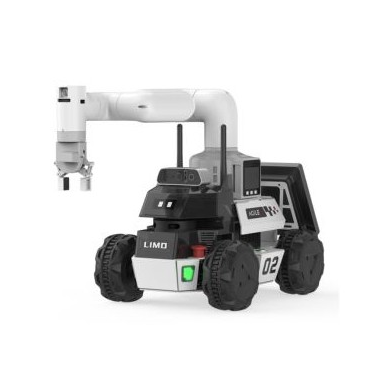
The simple and smooth appearance, rigorous design idea, exquisite production process, reliable software configuration and cases close to practical applications engender the concept of "productization" of LEO mobile robot. Modular Design LEO mobile robot adhering to the modular design concept, the whole machine is divided into wheel group, control host, depth camera, mechanical arm (optional) several major functional modules, easy to disassemble and install, simple maintenance. The operation between each module is relatively independent, which maximizes the orderly operation of the whole machine.When one of the modules fails, it can be replaced simply instead of disassembling the whole machine to reduce maintenance cost and save time. Moderate Size Convenient to carry The overall size Of LEO mobile robot is 220*380*150 (mm). It can be conveniently deployed in various laboratories to save space and reduce the cost of laboratory construction while it is equipped with various functional modules that the mobile robot should have. LEO mobile robot is equipped with high-quality air packing box, which can not only provide reliable protection for LEO, but also make it convenient and easy to carry, especially suitable for frequent moving scenarios such as going out to participate in competitions. Support open source ROS LEO mobile robot supports ROS robot operating system, which is open source and free, with a large user base and abundant learning resources-lt provides a framework and tool for robot program control and has gradually developed into a DE facto standard for robot software development and application. Supporting materials and services LEO mobile robot is an important part Of the "robot teaching laboratory program". It's equipped with complete teaching materials and services, including the following: Based on the experimental instruction book of LEO mobile robot and related teaching materials Electronic materials, such as video tutorials, multimedia teaching courseware, etc The DEMO source code Teacher training based on ROS knowledge and ROS teaching Modular structure, easy to assemble Based on open source ROS Various DEMO Carried with ROS Studio learning environment Specifications Overall structure Drive methods Differential control Drive wheel 4 inch rubber wheel Main structural materials Sheet metal, ABS Dead weight About 10kg Processor performance Processor INTEL I5 RAM DDR3 4G ROM 128G SSD(Solid state disk) Sensor parameters Lidar EAI G1 high-precision lidar Motor Brushless DC motor Obstacle avoidance sensor Ultrasonic module*2 IMU module MEMS gyroscope, 3-axis accelerometer RGB camera *1 installed in front(Optional), *1 mounted by hanging via robot arm (Optional) Depth RGB-D camera *1(Optional) robot arm DOBOT Magician robot arm (Optional) Battery and battery life Battery type Power lithium battery Battery capacity 11.2Ah/24V Charging time About 4.5 hours Charging voltage 29.4V Battery life About 8 hours Motion capability Climbing capability 12° Vertical obstacle crossing ability 18mm Motion speed 1m/s Control method APP control Support RosStudio IDE control Support Remote login SSH control Support Remote controller control Support Working environment Charging temperature 0~45ºC Discharging temperature -10~60ºC Working moisture 30%~70% Port Power port 12V Hardware port LAN*1, WAN*1, VGA*1 USB3.0*2、USB2.0*1 Openness All algorithms are open source Support Android secondary development DEMO Support More Info Product Manual LEO mobile robot is an intelligent mobile platform for teaching, research and competition among university users. It is a revolutionary product.LEO is of moderate size and can be flexibly deployed in the robot teaching laboratory. It can be easily integrated with a variety of robotic arms and sensors, and has good scalability.It supports the open source ROS robot operating system and provides a range of resources for ROS learning.
The simple and smooth appearance, rigorous design idea, exquisite production process, reliable software configuration and cases close to practical applications engender the concept of "productization" of LEO mobile robot. Modular Design LEO mobile robot adhering to the modular design concept, the whole machine is divided into wheel group, control host, depth camera, mechanical arm (optional) several major functional modules, easy to disassemble and install, simple maintenance. The operation between each module is relatively independent, which maximizes the orderly operation of the whole machine.When one of the modules fails, it can be replaced simply instead of disassembling the whole machine to reduce maintenance cost and save time. Moderate Size Convenient to carry The overall size Of LEO mobile robot is 220*380*150 (mm). It can be conveniently deployed in various laboratories to save space and reduce the cost of laboratory construction while it is equipped with various functional modules that the mobile robot should have. LEO mobile robot is equipped with high-quality air packing box, which can not only provide reliable protection for LEO, but also make it convenient and easy to carry, especially suitable for frequent moving scenarios such as going out to participate in competitions. Support open source ROS LEO mobile robot supports ROS robot operating system, which is open source and free, with a large user base and abundant learning resources-lt provides a framework and tool for robot program control and has gradually developed into a DE facto standard for robot software development and application. Supporting materials and services LEO mobile robot is an important part Of the "robot teaching laboratory program". It's equipped with complete teaching materials and services, including the following: Based on the experimental instruction book of LEO mobile robot and related teaching materials Electronic materials, such as video tutorials, multimedia teaching courseware, etc The DEMO source code Teacher training based on ROS knowledge and ROS teaching Modular structure, easy to assemble Based on open source ROS Various DEMO Carried with ROS Studio learning environment Specifications Overall structure Drive methods Differential control Drive wheel 4 inch rubber wheel Main structural materials Sheet metal, ABS Dead weight About 10kg Processor performance Processor INTEL I5 RAM DDR3 4G ROM 128G SSD(Solid state disk) Sensor parameters Lidar EAI G1 high-precision lidar Motor Brushless DC motor Obstacle avoidance sensor Ultrasonic module*2 IMU module MEMS gyroscope, 3-axis accelerometer RGB camera *1 installed in front(Optional), *1 mounted by hanging via robot arm (Optional) Depth RGB-D camera *1(Optional) robot arm DOBOT Magician robot arm (Optional) Battery and battery life Battery type Power lithium battery Battery capacity 11.2Ah/24V Charging time About 4.5 hours Charging voltage 29.4V Battery life About 8 hours Motion capability Climbing capability 12° Vertical obstacle crossing ability 18mm Motion speed 1m/s Control method APP control Support RosStudio IDE control Support Remote login SSH control Support Remote controller control Support Working environment Charging temperature 0~45ºC Discharging temperature -10~60ºC Working moisture 30%~70% Port Power port 12V Hardware port LAN*1, WAN*1, VGA*1 USB3.0*2、USB2.0*1 Openness All algorithms are open source Support Android secondary development DEMO Support More Info Product Manual
价格历史
每天显示一个数据点,按观测日期计算平均值。
金额单位:USD
每天的平均价格根据该 UTC 日期记录的所有报价计算。
YDLIDAR
£7,044.75
Unitree
3,600 €
Robotis
3,291.60 €
AgileX
£3,552.75
AgileX
£3,947.50
Direct Drive Tech
£3,600
Fictionlab
£3,993.83
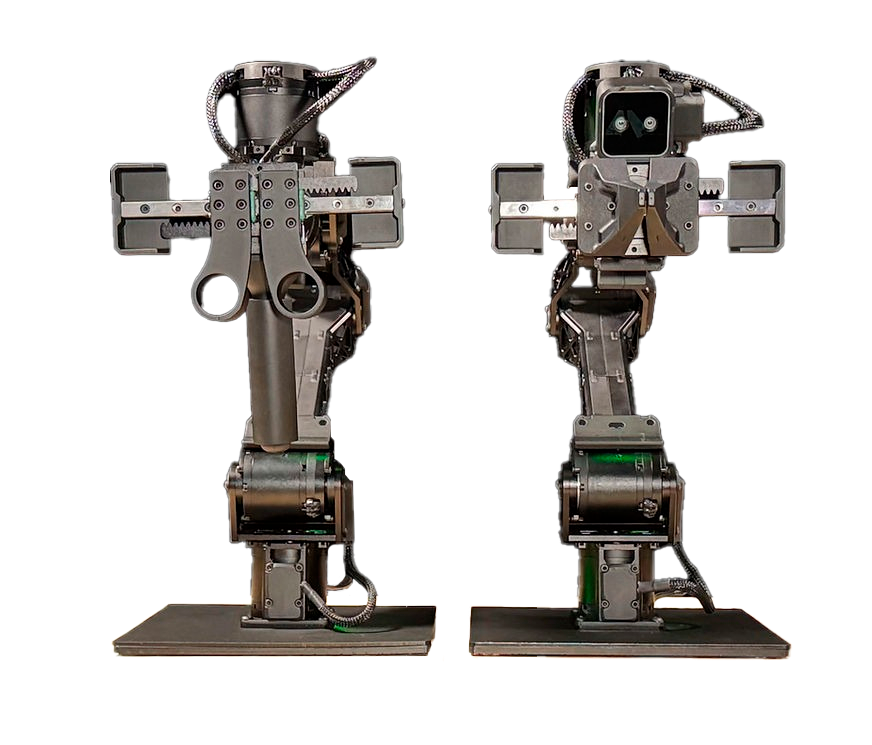
Trossen Robotics
£3,840
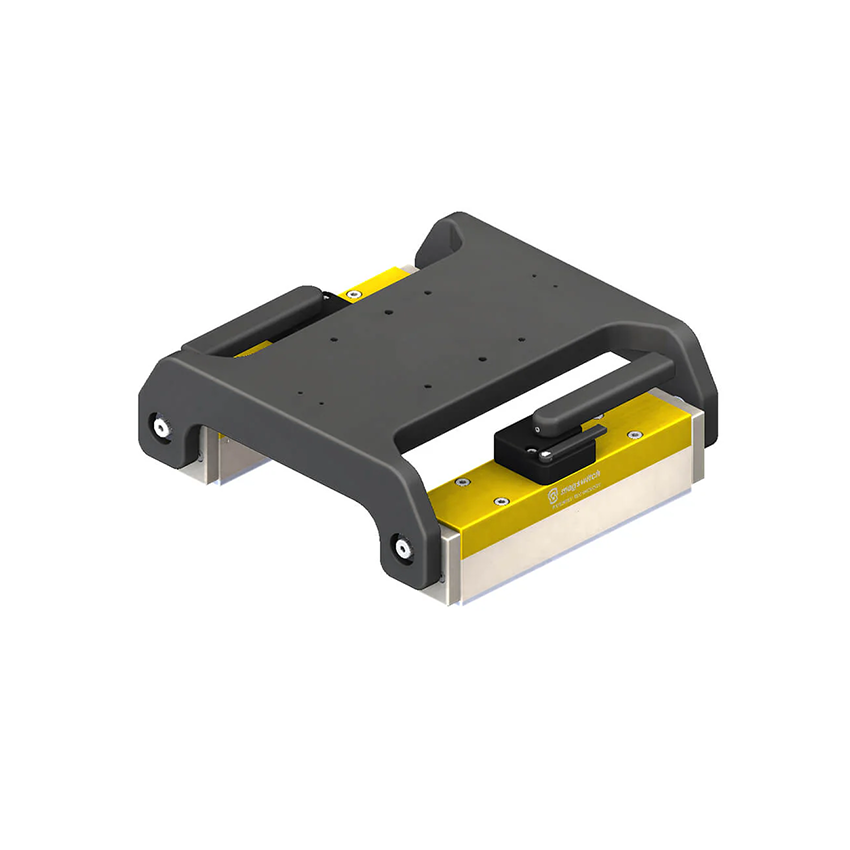
Magswitch
3,438.75 €

AgileX
$3,990

AgileX
$3,990

Elephant Robotics
起价 2,990 zł
🍪 Cookie 偏好设置
我们使用 Cookie 来衡量性能。 隐私政策