-15%
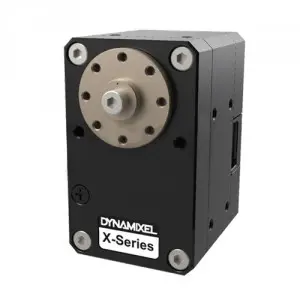
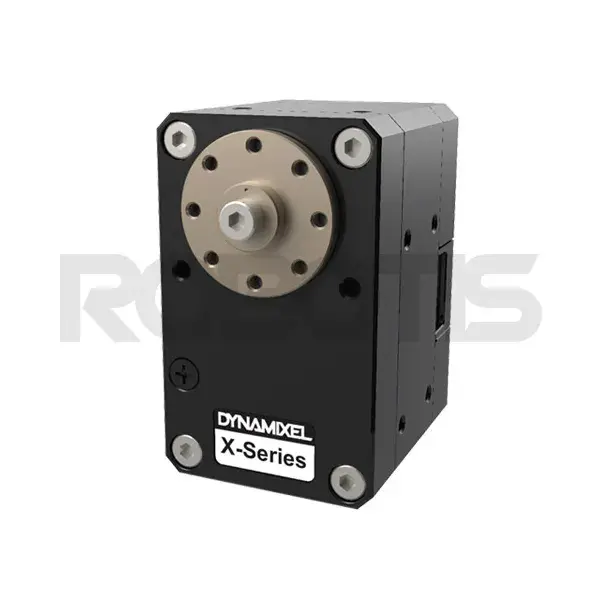
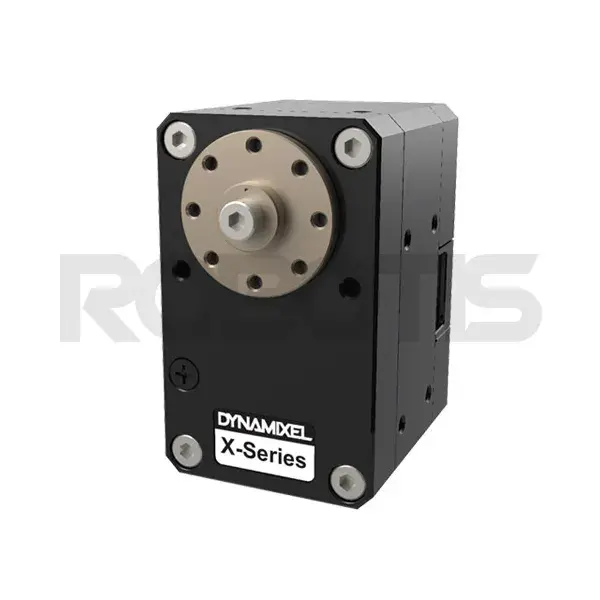
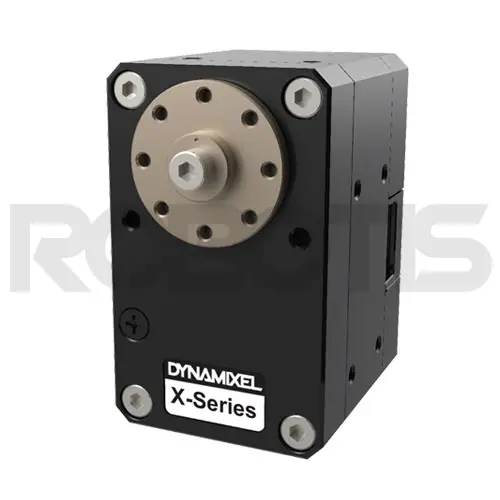
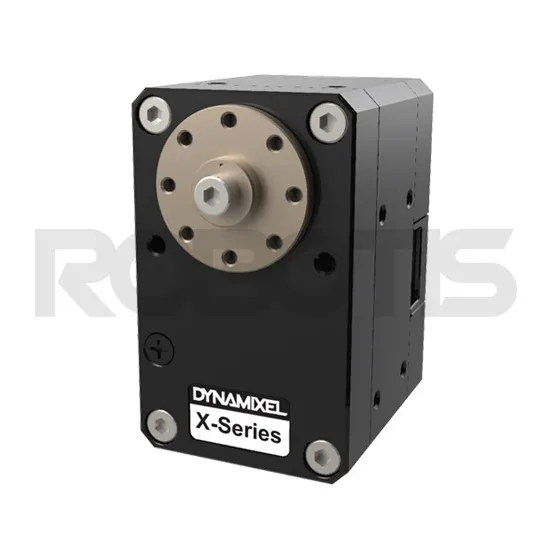
XM430-W210-R Dynamixel Servomotor

XM430-W210-R Dynamixel Servomotor

XM430-W210-R Dynamixel Servomotor
Robotis | A-000000-02352
€327.54
€278.41 VAT incl. €232.01 VAT excl.
Save 15%

Alongside the XM430-W350-R, the XM430-W210-R servo is about to change the lives of robotics researchers, teachers and enthusiasts. As you'll be able to see for yourself, you’ll say goodbye to your good old MX-28 servo with no regrets!

Quantity
42 Available

Get it in 24/48h! (see T&C)

Create a cart and turn it into a quote instantly!
Payment methods (see T&C)
Debit card
PayPal
Payment by invoice
Wire transfer

Powerful, economical, ultra-precise and remote-controlled: the XM430-W210-R servo works wonders!

The Dynamixel XM-430-series robot servos belong to a new generation of servos adapted both to articulated robots and radio-controlled vehicles. With 6 operating modes including PWM, velocity, torque and trajectory controls, you can further refine your robot’s movements.

Just as the XM430-W350-R model, the XM430-W210-R servos offer numerous improvements on the Robotis MX-28 range:

  • More energy efficient at 40 mA compared with 100 mA for their predecessors;
  • Improved heat sink with their aluminium case;
  • Improved torque in a smaller form factor;
  • Ergonomics designed to avoid bad connections.
  • Possibility to plug the cable at the back, thus reducing any pinching or wearing risks

Dynamixel XM430-W210-R and XM430-W350-R servos: what differences?

The new Dynamixel XM-430 range now features 2 servos – what are the differences between them? Let’s dwell on 4 main characteristics:

  • The available maximum torque is a bit higher for the XM430-W350-R;
  • The stall torque is lower (37,73 kg.cm);
  • The reduction ratio is lower; and
  • The no-load speed also is higher.

In terms of power supply, ergonomics and operating modes, the W210 and the W350 offer similar characteristics and are compatible with all mobile or articulated robotics platforms.

How to choose the right Dynamixel servomotor?

Technical specifications of the XM430-W210-R Servo

  • The XM430-W350-R Servo comes with:
  • 1 HN12-N101 horn assembly
  • 1 Teflon washer
  • 2 x 180 mm X4P cables
  • 16 2.5x4 wrench bolts
  • 1 3x8 wrench bolt
  • 1 2x3 wrench bolt
  • 1 spacer ring
  • Operating voltage: 11.1 to 14.8V
  • Starting torque: 3 N.m
  • Stall torque: 3.7 N.m
  • Stall current: 2.6A
  • Torque: 37.73 kg.cm
  • No-load speed: 77 rpm
  • Range of rotation: 360°
  • Coreless motor
  • Reduction ratio: 212.6:1 (metal)
  • Operating temperature: -5 to 80 °C
  • Weight: 82 g
  • Dimensions: 28.5 × 46.5 × 34 mm

Resources for the Dynamixel XM430-W210-R servo

Any questions or inquiries? Take a look at the resources compiled especially for you and dedicated to the Dynamixel XM430-W210-R servo motor!

    My Dynamixel servomotor is not detected, what can I do about it ?

    Check that your Dynamixel servomotor is correctly configured. Do not hesitate to re-flash it with the ROBOTIS Software Roboplus. After re-flash remember to re-configure it. If the issue is not solved, for an advanced support.


    My motor works but it seems like there is an offset. Why ?

    The motor is probably not well mounted. Check that you correctly mounted the horns by respecting the mark.


    My Dynamixel servomotor seems blocked. I can't turn it even when it is not alimented.

    There is probably a mechanical issue with the Dynamixel servomotor. You can directly to get more advance support.


    My Dynamixel servomotor is not working properly.

    Check your power supply and the system cabling (try with a different servomotor). You can also reset the servo. If nothing works, the best solution is to go through the Dynamixel servomotor checklist!


    What is the difference between Protocol 1.0 and Protocol 2.0?

    The 1.0 protocol is dedicated to the Dynamixel AX and MX series. Protocol 2.0 is for the X and Dynamixel Pro series. Protocol 2.0 control tables include PID controls which allow for more precise adjustment of the servo motor movements. Protocol 2.0 can be updated on MX series servo motors. You can refer to the protocol 1.0 and protocol 2.0 pages for more informations.


Historia cen

Historia średnich cen

Jeden punkt danych na dzień, uśredniony według daty pomiaru.

Średnia cena dzienna

Kwoty w USD

$305,61
Wykres historii średnich cen w USDWykres liniowy przedstawiający 61 pomiarów od 2 paź 2026 do 22 lis 2026.$380$360$340$320$3002 paź14 paź27 paź9 lis22 lis2 paź 2026: średnio $359,543 paź 2026: średnio $359,544 paź 2026: średnio $359,545 paź 2026: średnio $359,546 paź 2026: średnio $359,547 paź 2026: średnio $359,548 paź 2026: średnio $359,549 paź 2026: średnio $359,5410 paź 2026: średnio $359,5411 paź 2026: średnio $359,5412 paź 2026: średnio $359,5413 paź 2026: średnio $359,5414 paź 2026: średnio $359,5415 paź 2026: średnio $359,5416 paź 2026: średnio $359,5417 paź 2026: średnio $359,5418 paź 2026: średnio $359,5419 paź 2026: średnio $359,5420 paź 2026: średnio $359,5421 paź 2026: średnio $359,5422 paź 2026: średnio $359,5423 paź 2026: średnio $359,5424 paź 2026: średnio $359,5425 paź 2026: średnio $359,5426 paź 2026: średnio $359,5427 paź 2026: średnio $359,5428 paź 2026: średnio $359,5429 paź 2026: średnio $359,5430 paź 2026: średnio $359,5431 paź 2026: średnio $359,541 lis 2026: średnio $359,542 lis 2026: średnio $305,613 lis 2026: średnio $305,614 lis 2026: średnio $305,615 lis 2026: średnio $305,616 lis 2026: średnio $305,617 lis 2026: średnio $305,618 lis 2026: średnio $305,619 lis 2026: średnio $305,6110 lis 2026: średnio $305,6111 lis 2026: średnio $305,6112 lis 2026: średnio $305,6113 lis 2026: średnio $305,6114 lis 2026: średnio $305,6115 lis 2026: średnio $305,6116 lis 2026: średnio $305,6117 lis 2026: średnio $305,6118 lis 2026: średnio $305,6119 lis 2026: średnio $305,6120 lis 2026: średnio $305,6121 lis 2026: średnio $305,6122 lis 2026: średnio $305,61

Średnie obliczane są dla każdej doby UTC na podstawie wszystkich zarejestrowanych cen ofert.