-15%
Dynamixel XC330-T181-T Servo

Dynamixel XC330-T181-T Servo

Dynamixel XC330-T181-T Servo
Robotis | A-000000-04951
€110.40
€93.84 VAT incl. €78.20 VAT excl.
Save 15%

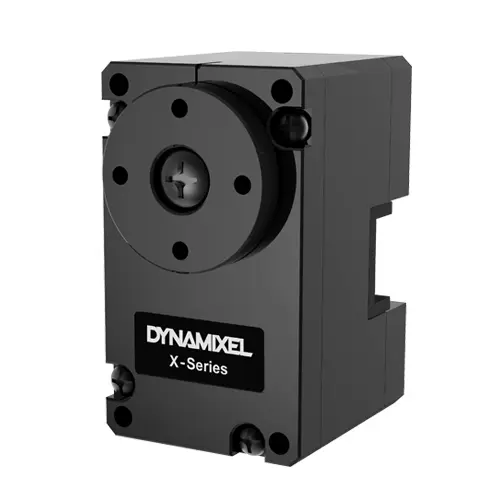
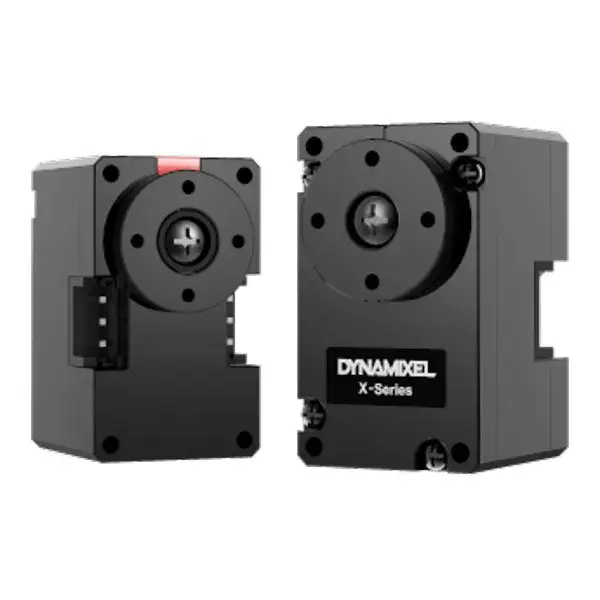
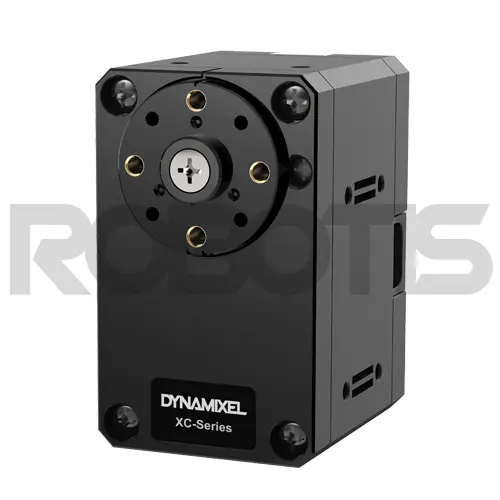
Robotis has rounded out its XC330 range with some servo motors that are equally fast and fun to control. The Dynamixel XC330-T181-T servo will reach 113 rpm!


Manufacturer reference: 902-0170-000

Quantity
Available at the end of January 2027

Create a cart and turn it into a quote instantly!
Payment methods (see T&C)
Debit card
PayPal
Payment by invoice
Wire transfer

Dynamixel XC330-T181-T: a nimble middleman

Looking for a particularly speedy mid-range Dynamixel actuator? The Dynamixel XC330-T181-T servo is one of the fastest in its class, with 104 rpm at an input voltage of 11.1 V. In contrast, its stall torque is relatively low. We therefore recommend it for designing small racing machines.

Although not as powerful as the XM range, the XC330-T181-T, with TTL connection, nonetheless offers all the features that make the Robotis servos so successful. These include extensive programming capabilities, multiple control modes and comprehensive feedback. Speed, PWM, position, extended position... no parameter will escape you!

Take note: the input voltage range for this actuator is between 6.5 and 12 V (with a recommended 11.1 V). Like the other servos in its class, you can mount it on your platform in a variety of configurations using the appropriate assembly kits.

Technical specifications of the XC330-T181-T servo

  • ARM CORTEX-M0+ 64 MHz, 32-bit processor
  • Position sensor: contactless absolute encoder (12 bits, 360°)
  • Coreless DC motor
  • Baud rate: 9,600 bps to 4 Mbps
  • Control algorithm: PID
  • Resolution: 4,096 pulses/revolution
  • Operating modes: current control, velocity control, position control (0 to 360°), extended position control (multi-turn), current-based position control, PWM control (voltage control)
  • Gear ratio: 180.62:1
  • Stall torque:
    • 0.65 N.m @ 9 V, 0.61 A
    • 0.76 N.m @ 11.1 V, 0.80 A
    • 0.80 N.m @ 12 V, 0.88 A
  • No-load speed:
    • 83 rev/min @ 9 V
    • 104 rev/min @ 11.1 V
    • 113 rev/min @ 12 V
  • Input voltage: 6.5–12 V (recommended: 11.1 V)
  • Standby current: 17 mA
  • Digital packet command signal
  • Physical connection:
  • TTL multidrop bus (3.3 V logic, 5 V compatible)
  • TTL half duplex asynchronous serial communication (8 bits, 1 stop, no parity)
  • ID: 253 (0~252)
  • Feedback: position, velocity, current, real-time tick, trajectory, temperature, input voltage, etc.
  • Case material: engineering plastic
  • Gear material: full metal gear (2 bearings)
  • Operating temperature: -5 to +70 °C
  • Weight: 23 g
  • Dimensions: 20 x 34 x 26 mm

Resources for the XC330-T181-T servo motor

Find the right information for your Dynamixel XC330-T181-T servo among this list of links, compiled especially for you:

    My Dynamixel servomotor is not detected, what can I do about it ?

    Check that your Dynamixel servomotor is correctly configured. Do not hesitate to re-flash it with the ROBOTIS Software Roboplus. After re-flash remember to re-configure it. If the issue is not solved, for an advanced support.


    My motor works but it seems like there is an offset. Why ?

    The motor is probably not well mounted. Check that you correctly mounted the horns by respecting the mark.


    My Dynamixel servomotor seems blocked. I can't turn it even when it is not alimented.

    There is probably a mechanical issue with the Dynamixel servomotor. You can directly to get more advance support.


    My Dynamixel servomotor is not working properly.

    Check your power supply and the system cabling (try with a different servomotor). You can also reset the servo. If nothing works, the best solution is to go through the Dynamixel servomotor checklist!


    What is the difference between Protocol 1.0 and Protocol 2.0?

    The 1.0 protocol is dedicated to the Dynamixel AX and MX series. Protocol 2.0 is for the X and Dynamixel Pro series. Protocol 2.0 control tables include PID controls which allow for more precise adjustment of the servo motor movements. Protocol 2.0 can be updated on MX series servo motors. You can refer to the protocol 1.0 and protocol 2.0 pages for more informations.


Historia cen

Historia średnich cen

Jeden punkt danych na dzień, uśredniony według daty pomiaru.

Średnia cena dzienna

Kwoty w USD

$103,01
Wykres historii średnich cen w USDWykres liniowy przedstawiający 61 pomiarów od 2 paź 2026 do 22 lis 2026.$125$120$115$110$105$1002 paź14 paź27 paź9 lis22 lis2 paź 2026: średnio $121,193 paź 2026: średnio $121,194 paź 2026: średnio $121,195 paź 2026: średnio $121,196 paź 2026: średnio $121,197 paź 2026: średnio $121,198 paź 2026: średnio $121,199 paź 2026: średnio $121,1910 paź 2026: średnio $121,1911 paź 2026: średnio $121,1912 paź 2026: średnio $121,1913 paź 2026: średnio $121,1914 paź 2026: średnio $121,1915 paź 2026: średnio $121,1916 paź 2026: średnio $121,1917 paź 2026: średnio $121,1918 paź 2026: średnio $121,1919 paź 2026: średnio $121,1920 paź 2026: średnio $121,1921 paź 2026: średnio $121,1922 paź 2026: średnio $121,1923 paź 2026: średnio $121,1924 paź 2026: średnio $121,1925 paź 2026: średnio $121,1926 paź 2026: średnio $121,1927 paź 2026: średnio $121,1928 paź 2026: średnio $121,1929 paź 2026: średnio $121,1930 paź 2026: średnio $121,1931 paź 2026: średnio $121,191 lis 2026: średnio $121,192 lis 2026: średnio $103,013 lis 2026: średnio $103,014 lis 2026: średnio $103,015 lis 2026: średnio $103,016 lis 2026: średnio $103,017 lis 2026: średnio $103,018 lis 2026: średnio $103,019 lis 2026: średnio $103,0110 lis 2026: średnio $103,0111 lis 2026: średnio $103,0112 lis 2026: średnio $103,0113 lis 2026: średnio $103,0114 lis 2026: średnio $103,0115 lis 2026: średnio $103,0116 lis 2026: średnio $103,0117 lis 2026: średnio $103,0118 lis 2026: średnio $103,0119 lis 2026: średnio $103,0120 lis 2026: średnio $103,0121 lis 2026: średnio $103,0122 lis 2026: średnio $103,01

Średnie obliczane są dla każdej doby UTC na podstawie wszystkich zarejestrowanych cen ofert.