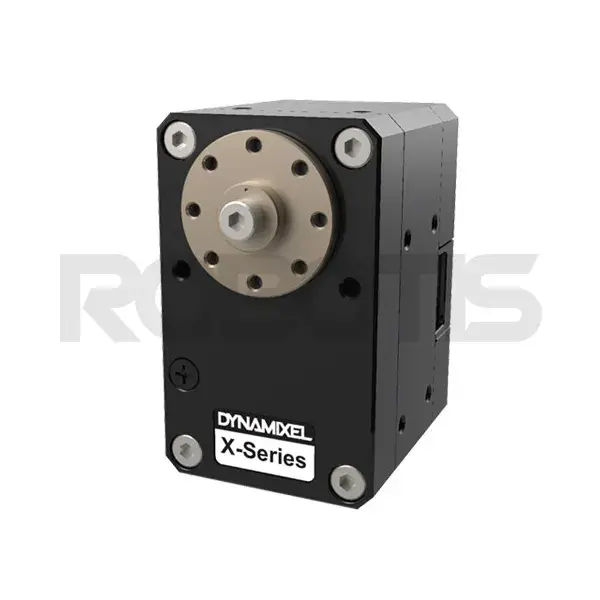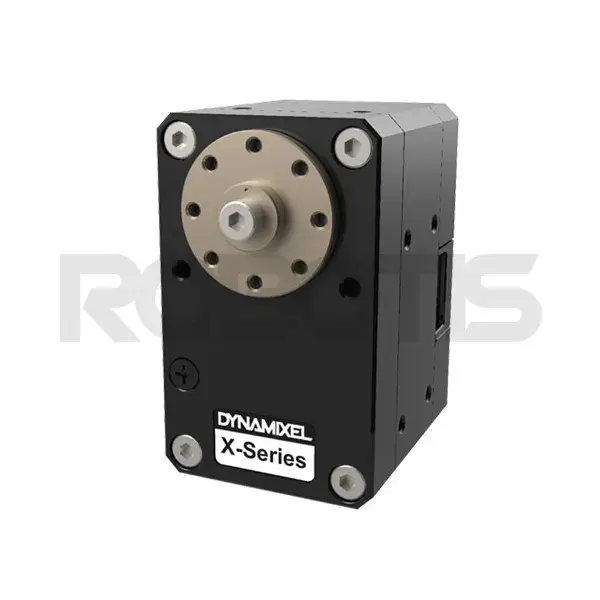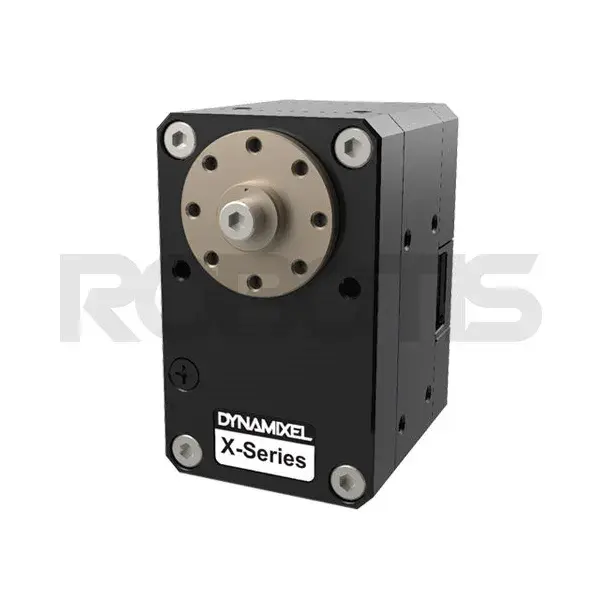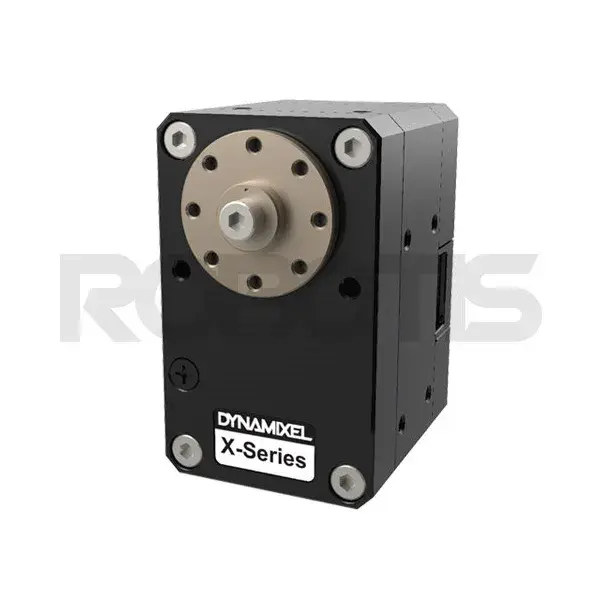
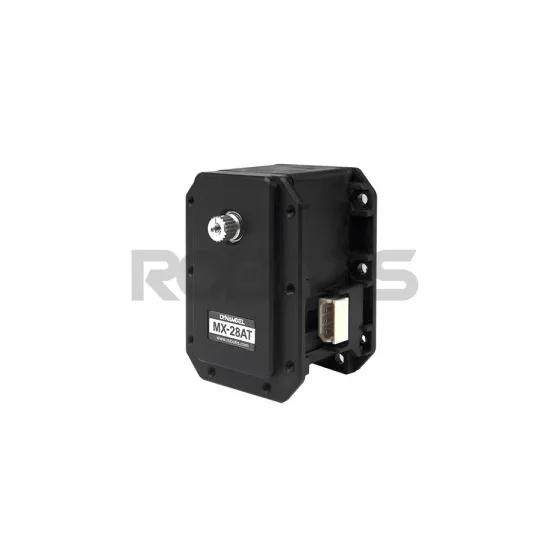
Servomotor Dynamixel MX-28AT

Servomotor Dynamixel MX-28AT

Servomotor Dynamixel MX-28AT
Robotis | A-000000-01530
€329.40 VAT incl. €274.50 VAT excl.

Including €0.01 for ecotax

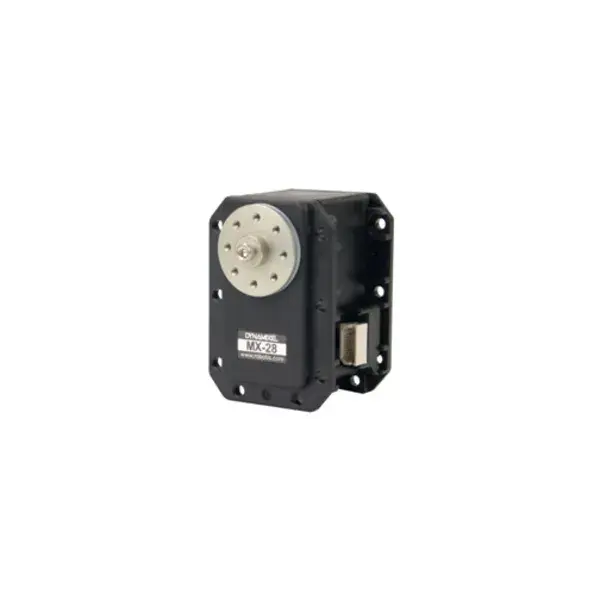
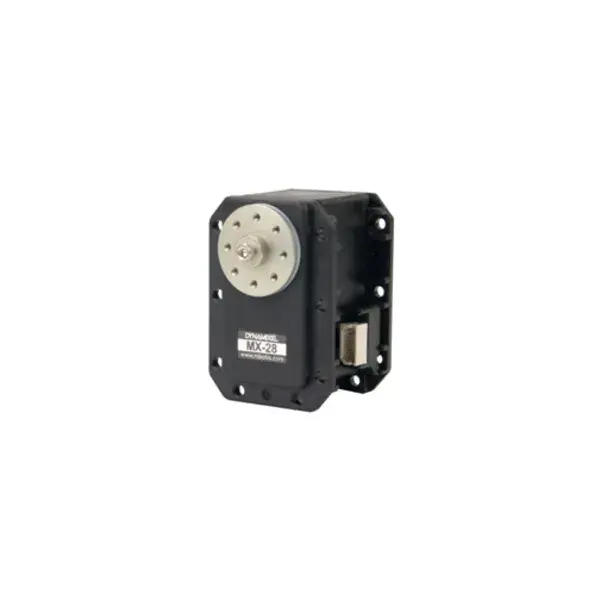
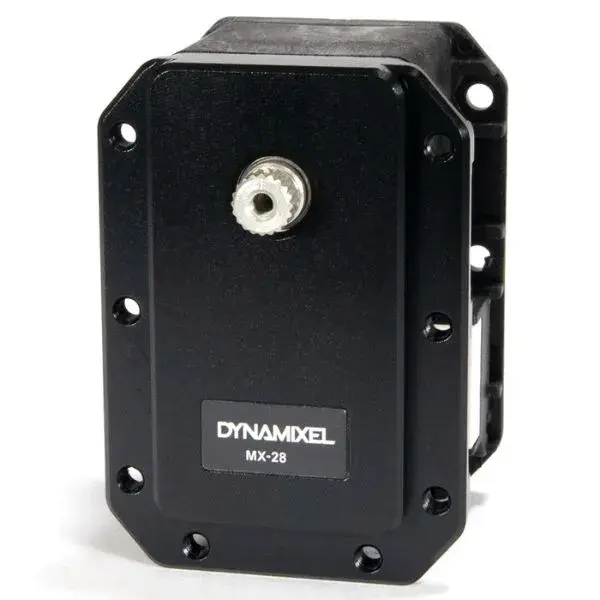
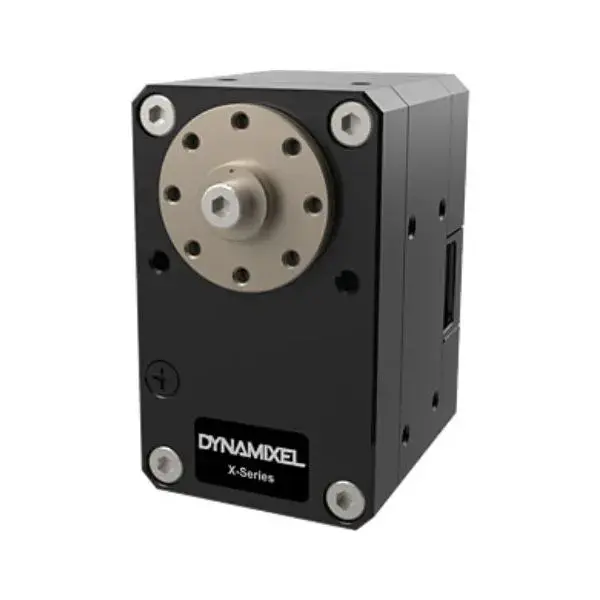
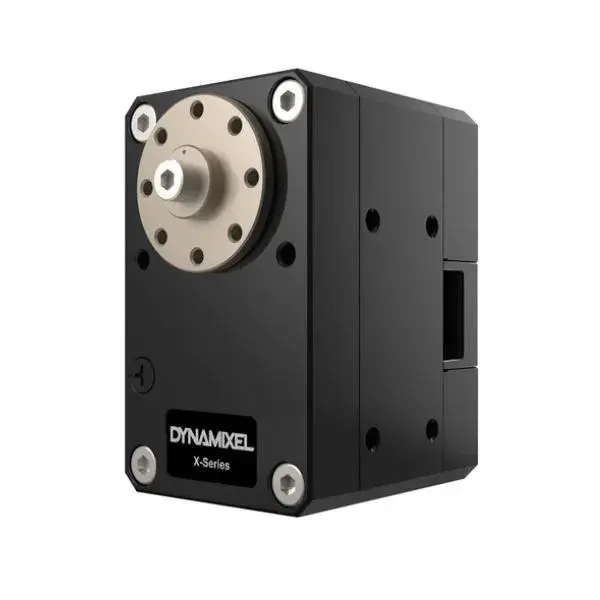
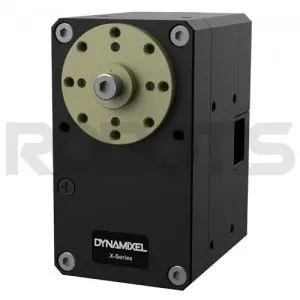
The MX-28AT is an improvement upon the MX-28T model. "A" stands for "Aluminium", the new aluminium body is now allowing a better heat distribution, and the MX-28AT is also equipped with a new fastening system.
Quantity
Delivery within 4 weeks

Create a cart and turn it into a quote instantly!
Payment methods (see T&C)
Debit card
PayPal
Payment by invoice
Wire transfer

The Dynamixel servomotors

  • All-around assembling structure: you can make robots of various forms as using different option frames.
  • Powerful feedback : It can read current position of Dynamixel or speed as well as various information such as internal temperature, supply voltage, target position.
  • Simple connection structure: Wiring is simple because it is linked by Daisy Chain.
  • Alarm function: When internal temperature, torque, supply voltage etc. escaped appointed range, it gives feedback about that situation. Also in such emergency situation, it flash LED or be Torque off.
  • Compliance configuration: It can configure the compliance to control the position.
  • Torque set up : Torque can be set up by 1023 steps from maximum Torque to free run state.
  • Low-electric current/high voltagedrive : Its efficiency is high because it runs by high voltage and it improves stability of robot system that is formed by Dynamixel because current consumption is low.
  • Status LED : It has LED that can check state of the Dynamixel.
  • Drive by network: Dynamixels have unique ID and are controlled by Packet communication on a bus. It supports network of TTL, RS 485, and CAN etc. according to model.

This video illustrates the capabilities and the existing application for Dynamixel servomotors:

Programming the Dynamixel servomotors

The servomotors have to be linked to a main controller (CM-700, CM-5, CM-510, CM-530 or OpenCM9.04) to be commanded. The programs are made with RoboPlus, which allow really easy programmation, without much previous knowledge.

The most recent main controllers support embedded C and there is a SDK for you to developp your own applications.

The Dynamixel MX-28AT actuator

The MX series differs from the other due to features such as a more advanced features on the PID control, 360° control et high speed communication. The MX-28 servomotor has been splited into two models: the Dynamixel MX-28T actuator that keeps the Half duplex Asynchronous Serial Communication protocol and the TTL Level Multi Drop physical link, when the Dynamixel MX-28R actuator uses RS485 communication protocol and multi drop bus.

The actuator MX-28AT Dynamixel is an upgrade of the MX-28T model, the two enhancements are:

 An aluminium body, providing an optimal heat distribution, which allows the actuator to stay cooler than theMX-28T.

The MX-28AT actuator also comes with a new fastening system, thread disks therefore eliminating the need for screws.

Technical specifications of the Dynamixel MX-28AT actuator

  • MCU : ST CORTEX-M3 ( ST32F103C8 @ 72MHZ,32BIT)
  • Position sensor : Contactless absolute encoder (12BIT,360 DEGREE)
  • Baud rate: 8000 bps ~ 3 Mbps
  • Control algorithm : PID CONTROL
  • Resolution : 0.088°
  • Running Degree
    • 0° ~ 360°
    • Endless Turn
  • Weight : 72g
  • Dimension : 35.6mm x 50.6mm x 35.5mm
  • Gear Reduction Ratio : 193 : 1
  • Stall Torque : 2.3N.m (at 11.1V, 1.3A), 2.5N.m (at 12V, 1.4A), 3.1N.m (at 14.8V, 1.7A)
  • No load speed : 54rpm (at 12V)
  • Running Temperature : -5A ~ +80A
  • Voltage : 9 ~ 16.8V (Recommended Voltage 12V)
  • Command Signal : Digital Packet
  • Protocol Type : Half duplex Asynchronous Serial Communication (8bit,1stop, No Parity)
  • Link (Physical) : TTL Level Multi Drop (daisy chain type Connector)
  • ID : 254 ID (0~253)
  • Feedback : Position, Temperature, Load, Input Voltage, etc.
  • Material : Full Metal Gear, Engineering Plastic Body
  • Standby current : 100 mA

Technical documentation of the Dynamixel MX-28AT actuator

Comparing the various Dynamixel actuators

This document offers an overview on the characteristics of all the Dynamixel servomotors.


Comparison between all Dynamixel servomotors

The chart below compare the Dynamixel actuators on their performance. Servomotors are differentiated by communication type (and the MX range proposes both protocols).

MX-28AT Servomotor Resources

    My Dynamixel servomotor is not detected, what can I do about it ?

    Check that your Dynamixel servomotor is correctly configured. Do not hesitate to re-flash it with the ROBOTIS Software Roboplus. After re-flash remember to re-configure it. If the issue is not solved, for an advanced support.


    My motor works but it seems like there is an offset. Why ?

    The motor is probably not well mounted. Check that you correctly mounted the horns by respecting the mark.


    My Dynamixel servomotor seems blocked. I can't turn it even when it is not alimented.

    There is probably a mechanical issue with the Dynamixel servomotor. You can directly to get more advance support.


    My Dynamixel servomotor is not working properly.

    Check your power supply and the system cabling (try with a different servomotor). You can also reset the servo. If nothing works, the best solution is to go through the Dynamixel servomotor checklist!


    What is the difference between Protocol 1.0 and Protocol 2.0?

    The 1.0 protocol is dedicated to the Dynamixel AX and MX series. Protocol 2.0 is for the X and Dynamixel Pro series. Protocol 2.0 control tables include PID controls which allow for more precise adjustment of the servo motor movements. Protocol 2.0 can be updated on MX series servo motors. You can refer to the protocol 1.0 and protocol 2.0 pages for more informations.


Historia cen

Historia średnich cen

Jeden punkt danych na dzień, uśredniony według daty pomiaru.

Średnia cena dzienna

Kwoty w USD

$361,58
Wykres historii średnich cen w USDWykres liniowy przedstawiający 61 pomiarów od 2 paź 2026 do 22 lis 2026.$361,61$361,60$361,59$361,58$361,572 paź14 paź27 paź9 lis22 lis2 paź 2026: średnio $361,583 paź 2026: średnio $361,584 paź 2026: średnio $361,585 paź 2026: średnio $361,586 paź 2026: średnio $361,587 paź 2026: średnio $361,588 paź 2026: średnio $361,589 paź 2026: średnio $361,5810 paź 2026: średnio $361,5811 paź 2026: średnio $361,5812 paź 2026: średnio $361,5813 paź 2026: średnio $361,5814 paź 2026: średnio $361,5815 paź 2026: średnio $361,5816 paź 2026: średnio $361,5817 paź 2026: średnio $361,5818 paź 2026: średnio $361,5819 paź 2026: średnio $361,5820 paź 2026: średnio $361,5821 paź 2026: średnio $361,5822 paź 2026: średnio $361,5823 paź 2026: średnio $361,5824 paź 2026: średnio $361,5825 paź 2026: średnio $361,5826 paź 2026: średnio $361,5827 paź 2026: średnio $361,5828 paź 2026: średnio $361,5829 paź 2026: średnio $361,5830 paź 2026: średnio $361,5831 paź 2026: średnio $361,581 lis 2026: średnio $361,582 lis 2026: średnio $361,583 lis 2026: średnio $361,584 lis 2026: średnio $361,585 lis 2026: średnio $361,586 lis 2026: średnio $361,587 lis 2026: średnio $361,588 lis 2026: średnio $361,589 lis 2026: średnio $361,5810 lis 2026: średnio $361,5811 lis 2026: średnio $361,5812 lis 2026: średnio $361,5813 lis 2026: średnio $361,5814 lis 2026: średnio $361,5815 lis 2026: średnio $361,5816 lis 2026: średnio $361,5817 lis 2026: średnio $361,5818 lis 2026: średnio $361,5819 lis 2026: średnio $361,5820 lis 2026: średnio $361,5821 lis 2026: średnio $361,5822 lis 2026: średnio $361,58

Średnie obliczane są dla każdej doby UTC na podstawie wszystkich zarejestrowanych cen ofert.