robot na humanoid

Apptronik Apollo — Mga espesipikasyon, presyo at kung saan mabibili (2026)

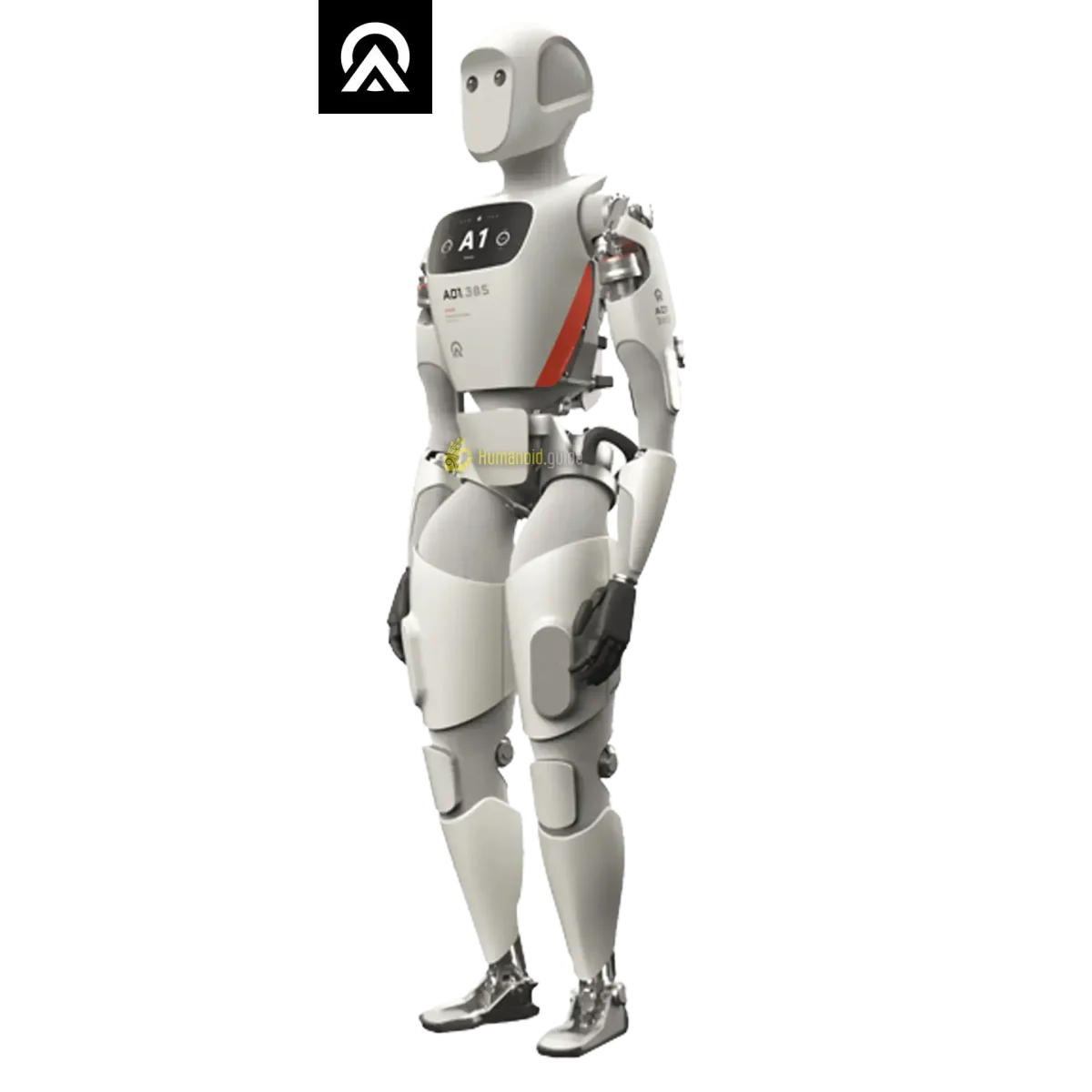
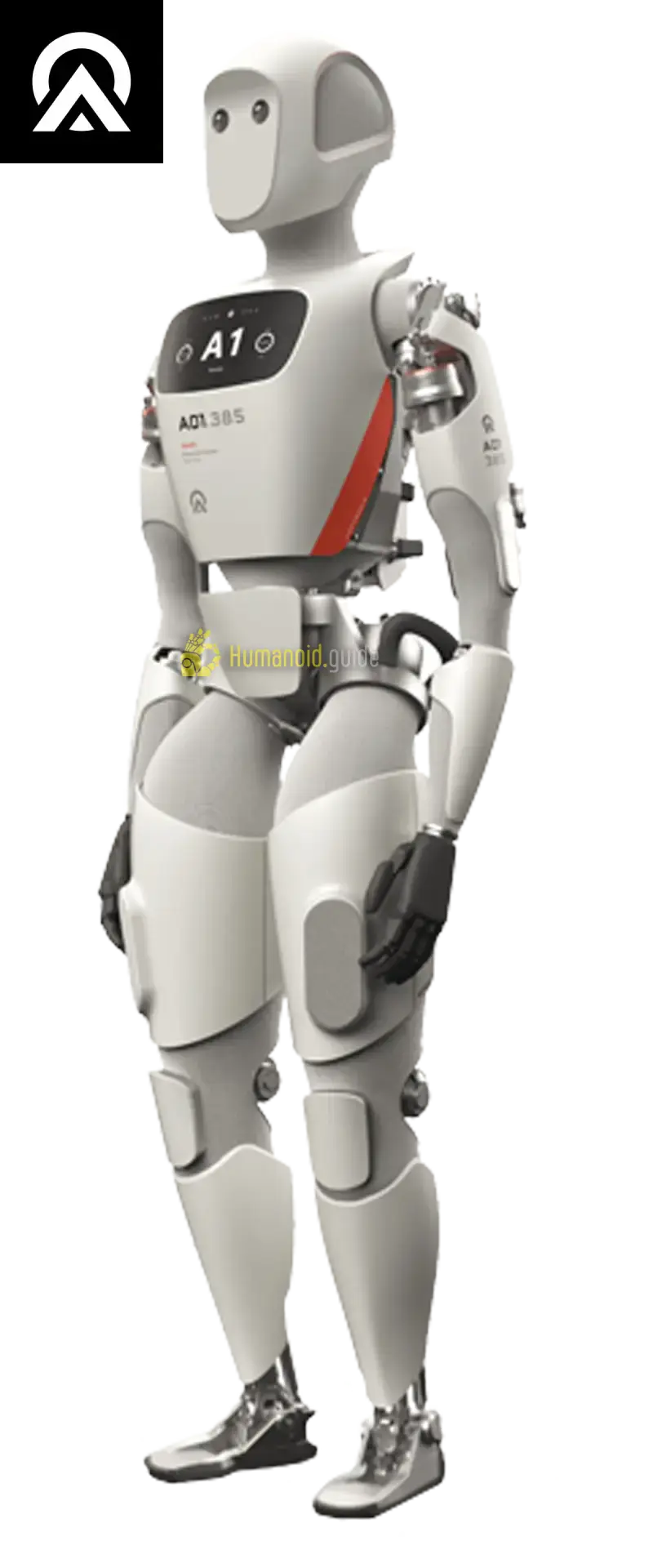
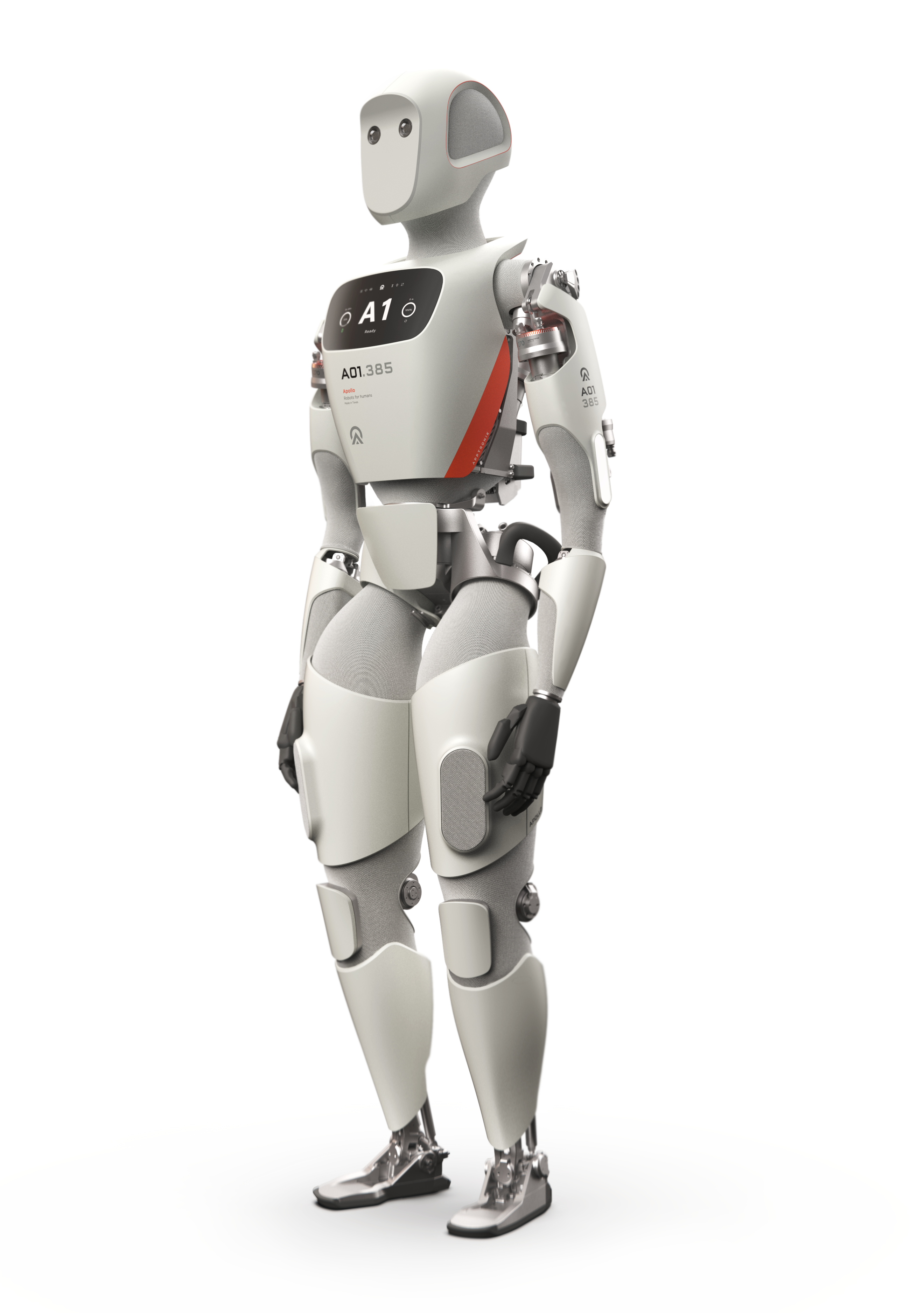
The Apptronik Apollo is an industrial humanoid robot made by Apptronik in Austin, Texas, USA. Price is undisclosed; available only through pilot programs with GXO and Mercedes-Benz. Key specs: 173 cm tall, 73 kg, 71 degrees of freedom, 4-hour battery life per swappable pack, 25 kg payload, walking speed ~5.4 km/h. Pre-orders accepted on Robot Overflow; no used units currently exist as it is still in pre-commercial deployment.

💰Presyo
$5,000,000
📅Unang ginawa
2023
🌍Pinagmulan
US
📏Taas
173 cm
⚖️Timbang
73 kg
🦾Mga antas ng kalayaan
71
🏃Pinakamataas na bilis
5.4 km/h
📦Kargamento
25 kg
🔋Baterya
4 hours per pack
🛒Pagkakaroon
Magagamit

What is the Apptronik Apollo?

The Apptronik Apollo is a general-purpose humanoid robot developed by Apptronik, headquartered in Austin, Texas. Designed for industrial logistics and manufacturing, it features a modular platform: the upper body can mount on bipedal legs, a wheeled base, or a stationary pedestal. Apollo integrates NVIDIA's GR00T foundational model and Google DeepMind's Gemini Robotics 1.5 for AI-driven task planning and adaptation. With force-controllable joints, force/torque sensors, and configurable safety zones, it works alongside humans without barriers. Key differentiators include hot-swappable batteries for ~22-hour daily operation, dexterous hands, and a point-and-click control suite. Currently in pilot programs with partners like GXO and Mercedes-Benz.

Specifications

Here are the full technical specifications.

SpecValue
Height173 cm
Weight73 kg
Degrees of freedom71
Battery life4 hours per pack (22h with hot-swap rotation)
Max speed5.4 km/h (estimated walking speed)
Payload25 kg
Price (new)Undisclosed (contact manufacturer)
Price (used range)N/A (no used market exists)

Price & Value

New MSRP: Undisclosed

Used range: N/A

Apollo's pricing remains undisclosed as it is only available via pilot programs. Industry estimates suggest a long-term target cost of around $5,000,000 per unit once mass production begins, but current manufacturing costs are reportedly several times higher. For early commercial users, the total cost of ownership includes leasing or pilot fees, which are customized per deployment. Compared to competitors like Digit (starting at ~$250,000) or the anticipated Tesla Optimus ($20,000 target), Apollo's likely price point places it at the high end, reflecting its advanced sensor suite and AI collaboration with Google DeepMind. Users should expect significant depreciation as production scales, making early adoption a strategic rather than cost-saving decision. Meanwhile, there is no used market, so all procurement is through Apptronik directly.

Who Is It For?

Best for: - Logistics companies conducting pilot programs for humanoid-assisted warehouse workflows (hot-swappable batteries enable multi-shift operation without downtime) - Automotive manufacturers exploring humanoid automation for tasks like tote handling and assembly kit delivery (partnerships with Mercedes-Benz confirm suitability)

Not for: - Budget-sensitive operations expecting sub-$100,000 pricing (the Apollo is priced for enterprise pilot programs only, with target costs in the millions) - Environments requiring verified safety certifications (the robot lacks public safety certifications as of 2026)

Alternatives & Comparison

The Apollo competes in the emerging general-purpose humanoid market against Tesla Optimus, Figure 01, Agility Digit, and Boston Dynamics Atlas, each with distinct design philosophies and commercial readiness stages.

ModelPriceAvailableKey Difference
Tesla Optimus$20,000 target (not yet fulfilled)preorderTesla's aggressive cost target and vertical integration for manufacturing at scale
Figure 01Undisclosed (pre-commercial)noOpenAI-powered language reasoning and dexterity focus
Agility Digit~$250,000yesBird-like leg design, proven in warehouse deployments, more affordable entry point
Boston Dynamics AtlasNot for sale (research platform)noExtreme dynamic mobility, not industrial logistics

Verdict: For enterprises needing a high-DOF, AI-rich humanoid that can be customized via modular bases and integrated into existing workflows, Apollo's Google/NVIDIA brain and flexible mounting are unmatched. However, if practical logistics deployment at a lower cost is the priority, Agility Digit is the commercial-ready leader. Tesla Optimus promises a compelling price point but remains unproven. Apollo is the platform of choice for piloting future-ready automation.

Use Cases & Capabilities

Tote Handling in Logistics

Apollo picks and places totes in warehouse environments, leveraging its 25 kg payload and dexterous hands with force control to avoid damaging goods. The modular upper body can be switched to a wheeled base for optimized reach and stability on flat floors. Integration with existing WMS via a point-and-click control suite simplifies deployment. Hot-swappable batteries allow 22-hour daily operation, matching the demands of high-throughput logistics centers like those operated by GXO.

Assembly Line Kitting

In automotive manufacturing, Apollo delivers parts kits and subassemblies to workstations, following verbal commands or pre-programmed routes. Its force-controlled joints and configurable safety zones ensure it works safely alongside human assemblers without barriers. The NVIDIA Jetson and Google DeepMind AI stack enable handling of unfamiliar objects and adapting to line changes. Tethered operation capability eliminates downtime for recharging during continuous production.

Component Inspection

Apollo can perform visual and tactile inspection of components using its multi-camera vision system and force/torque sensing in all joints. It can gently manipulate parts to check for defects, then sort or pack them accordingly. Multi-step task planning via Gemini Robotics Extended Reasoning allows it to handle varied inspection routines. The head, mouth, and chest LEDs communicate status, aiding collaboration with human quality inspectors.

Multi-Shift Warehouse Operations

With hot-swappable batteries (under 5 minutes swap) and up to 22 hours of daily runtime, Apollo is purpose-built for non-stop shift work. Warehouse managers can rotate battery packs during shift changes without halting the robot. The modular design—legs, wheeled base, or stationary mount—enables reconfiguration for different zones: legs for mobile picking, pedestal for fixed station tasks. Fleet learning across deployed units continuously improves task efficiency from shared data.

History & Background

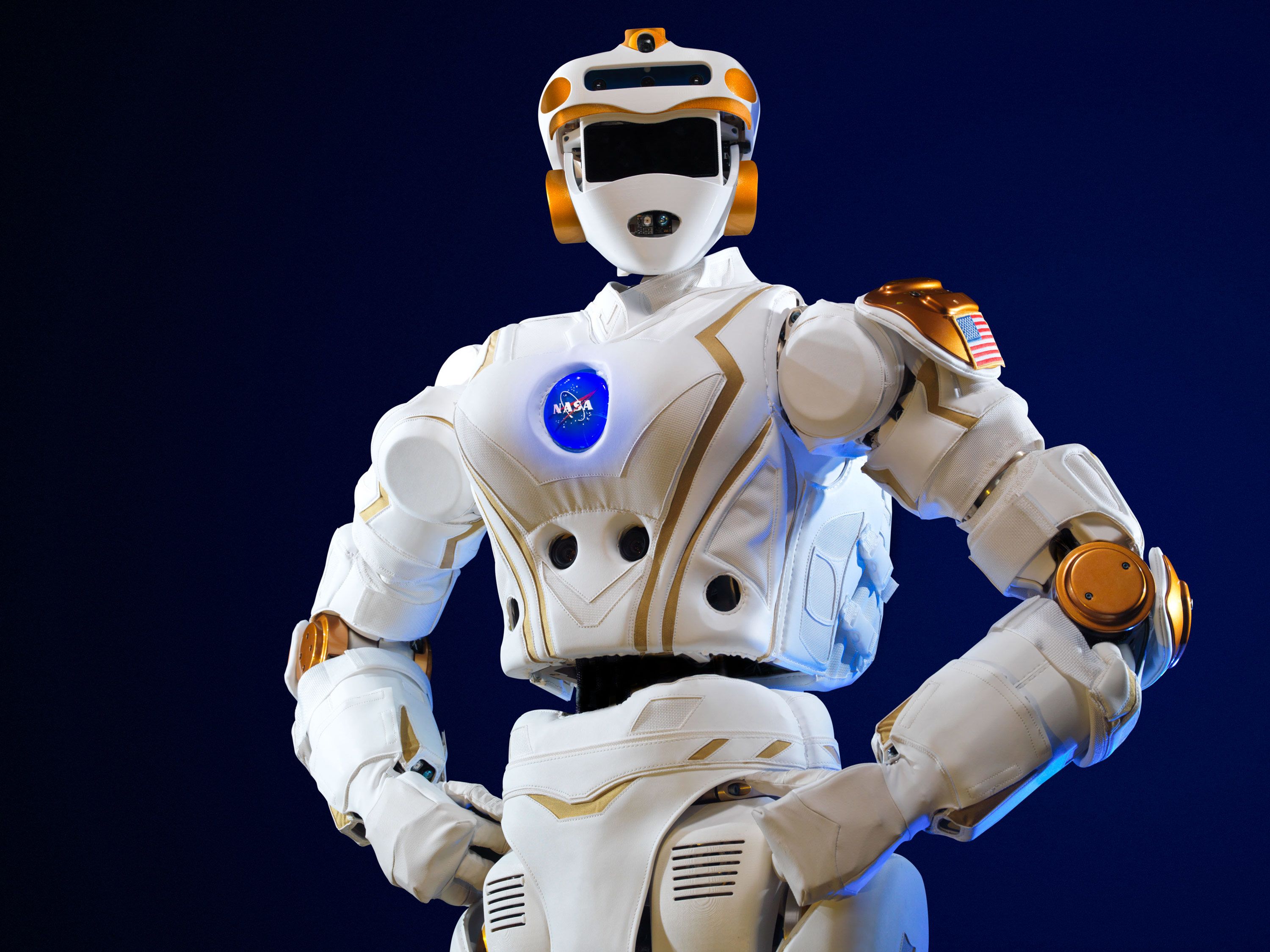
Apptronik, founded in 2016 in Austin, Texas, built over 10 robotic platforms including NASA's Valkyrie humanoid before unveiling Apollo. The robot was first built in 2023 as a general-purpose industrial humanoid, entering pilot programs with logistics provider GXO in 2024. That same year, Apptronik announced a partnership with Mercedes-Benz to deploy Apollo in automotive manufacturing. The platform is now in its first generation, with no public variants yet. It represents Apptronik's shift from research to commercialization, leveraging Google DeepMind's Gemini AI and NVIDIA's GR00T simulation framework. As of 2026, Apollo remains in limited pilot programs with no general availability.

Buying Used — What to Check

Battery pack health Hot-swappable lithium packs degrade over charge cycles; thoroughly test each pack's runtime to ensure it meets the 4-hour spec.

Force/torque sensor calibration Apollo's safety and dexterity depend on precise joint sensing. Request calibration logs or a recertification before purchase.

AI software license transfer Ensure Google DeepMind and NVIDIA software licenses can be legally transferred with the hardware, as these may be subscription-based.
Mga Madalas Itanong

Apollo's price is undisclosed and only available through custom pilot program agreements. Long-term manufacturing targets aim for around $5,000,000 per unit, but early partners pay tailored deployment fees. Contact Apptronik directly for a quote.
Apollo handles tote transport, parts kitting, component inspection, sorting, packing, and assembly delivery. It can follow verbal commands, adapt to unfamiliar objects, and perform multi-step tasks using Google DeepMind's Gemini AI. Daily operational capacity reaches 22 hours with battery rotation.
As of 2026, Apollo is not generally for sale. It is deployed only in pilot programs with partners such as GXO and Mercedes-Benz. Pre-orders can be placed on Robot Overflow, but fulfillment timelines are unconfirmed and require manufacturer approval.
Apollo offers 71 DOF, Google DeepMind/NVIDIA AI integration, and modular bases—suited for complex enterprise pilots. Optimus aims for a $20,000 price point and mass manufacturing but has fewer verified specs and no public AI partnerships. Apollo is further along in real‑world logistics trials, while Optimus remains pre‑commercial.
Height: 173 cm, weight: 73 kg, 71 degrees of freedom, 25 kg payload, 4‑hour battery life per swappable pack, up to 22 hours daily operation, walking speed ~5.4 km/h, force‑sensing all joints, NVIDIA Jetson AGX Orin + Orin NX compute.
Apollo is built by Apptronik, founded in 2016 and headquartered in Austin, Texas, USA. The company has a background in NASA's Valkyrie robot and multiple humanoid prototypes.
Each hot‑swappable lithium pack provides 4 hours of runtime. With a swap time under 5 minutes, continuous operation up to 22 hours per day is possible using multiple packs. The robot also supports tethered plug‑in power for unlimited sessions.
Pilot deployments target logistics (GXO), automotive manufacturing (Mercedes-Benz), and general warehousing. Future expansion is expected into any industry requiring human‑scale, dexterous manipulation and collaborative safety.

Apptronik Apollo in 3D

Loading the 3D model…
Drag to rotate · click the model, then scroll or pinch to zoom · click a part to inspectSwipe sideways to turn · pinch to zoom · tap a part to inspect3D model credit and licence

Apptronik Apollo supply chain

Point at or select a step to light up its chain: bright lines are its direct links, softer lines the rest of the path from raw material to robot.

Swipe sideways to follow the whole chain.

ExtractionRefiningMaterialsComponentsModulesRobotsCompaniesApptronik designs its own actuators: it dropped bought-in rotary joints and motors for its own linear actuator design.Mined copper is smelted and refined.Silicon metal is made from silica in natural forms such as quartzite (USGS).Silicon metal can be refined further into ultra-high-purity semiconductor-grade silicon, called polysilicon (USGS). Chips are made on wafers: thin slices of crystalline silicon (Wikipedia).In wire-bond packaging, fine gold or copper wire connects each die to its leadframe or substrate. ASE is gradually replacing gold wire with copper to cut material cost, though gold wire is still one of its main materials.Primary gallium is recovered mainly as a byproduct of processing bauxite (USGS).Gallium arsenide wafers are used to make optoelectronic devices, including laser diodes and photodetectors (USGS).Sony makes its CMOS image sensors in its own production facilities in Japan (Nagasaki, Kumamoto). SIA/BCG count optoelectronics and sensors in one fab group with discrete and analog chips (DAO), apart from logic.Bosch makes its MEMS sensors in its own fabs in Reutlingen and Dresden; a MEMS sensor is a MEMS element plus an evaluation chip (ASIC).A MEMS sensor is packed in a semiconductor housing, such as an LGA package (Bosch).Mined nickel ore and concentrate go to smelters and refineries. In Indonesia, laterite ore is processed into nickel pig iron and ferronickel for stainless steel, or into battery intermediates such as mixed hydroxide precipitate (IEA); the US Eagle Mine's concentrate is exported to smelters (USGS).Solder is the largest use of tin, 51% of world tin use in 2023 (International Tin Association; in the US solder took 11%, USGS). The common lead-free alloy SAC305 is 96.5% tin (AIM).Tin-lead solder is nearly half lead (PubChem), but the electronics industry has moved toward lead-free solders (USGS): 92% of solder for electronics was lead-free in 2023 (ITA).The lead-free alloy SAC305 contains 3% silver (AIM). In the US, brazing and solder took 3% of silver (USGS).The lead-free alloy SAC305 contains 0.5% copper (AIM).FR-4 laminate is woven fibreglass cloth with an epoxy binder (Wikipedia), and fibreglass is made from silica sand (Covia).A thin layer of copper foil is laminated to one or both sides of an FR-4 panel; these are called copper-clad laminates (Wikipedia; ChinaBaogao).FR-4 epoxy resin systems typically use bromine to resist fire (Wikipedia); a grade of the brominated flame retardant TBBPA is used to make epoxy resins for circuit boards (Wikipedia). Brominated flame retardants are one of bromine's two leading uses (USGS).Barite is used to make barium carbonate, which goes into dielectrics (Wikipedia). Barium titanate, the dielectric ceramic used in capacitors, can be made by heating barium carbonate with titanium dioxide (Wikipedia).Barium titanate, the ceramic in high-capacitance MLCCs, can be made by heating barium carbonate with titanium dioxide (Wikipedia); titanium dioxide comes from ilmenite and rutile (USGS).99% of MLCCs made worldwide use base-metal electrodes of nickel or copper; the industry moved from palladium and silver to cut cost (NASA, 2015). TDK replaced palladium electrodes with nickel in 1993 (Wikipedia).Platinum-group metals are used in multilayer ceramic capacitors (USGS). High-reliability MLCCs use palladium-silver electrodes (NASA, 2015).High-reliability MLCCs use precious-metal electrodes of palladium and silver (NASA, 2015).Indium tin oxide (ITO), which takes most of the world's indium, is the conductive coating in flat-panel displays, most commonly LCDs (USGS).Connector contacts are copper alloys: beryllium copper is called the best copper alloy for contacts, connectors and cables (Wikipedia), and phosphor bronze (copper-tin-phosphorus) can replace it (USGS).Copper-clad laminate is the core material of circuit boards (ChinaBaogao); FR-4 is a common material for printed circuit boards (Wikipedia).Parts are soldered onto bare boards: Adafruit's BNO055 board is a "breakout PCB", and the Raspberry Pi Zero 2 W brief warns against damage to the printed circuit board.SAC305 lead-free solder is made for soldering printed circuits, by wave, hand and SMT reflow soldering (Conro; AIM).MLCCs store and release charge and absorb noise in phones, home appliances and IoT devices (Murata). The Raspberry Pi's RP3A0 package includes the decoupling capacitors that smooth its supply voltage (Raspberry Pi).Boards carry connectors: the Raspberry Pi Zero 2 W brief speaks of the board and its connectors, and Waveshare's servo adapter has a USB-C connector and a power connector.Brass is copper and zinc: CW614N free-cutting brass is about 39% zinc. In the US, brass and bronze are the second use of zinc after galvanized steel.Brass is mostly copper: 57–59% in CW614N free-cutting brass.Free-cutting brass such as CW614N holds 2.5–3.5% lead so it machines cleanly; lead-free brasses exist.XT30 battery plugs (G1 harness, Open Duck Mini) have gold-plated brass contacts.Antimony is used in circuit boards to cut flammability further. A review lists two studies of scrap PC boards, parts and solder still on, with 0.45% and 1.97% antimony, so the share in the laminate alone is not known.TI microcontrollers, gate drivers and analog parts run Apollo's motors (Texas Instruments' case study).Each Jetson module carries an NVIDIA Orin system-on-chip (Apptronik names the AGX Orin and Orin NX modules).Two OmniVision OV9282 mono sensors and a colour sensor: Sony's IMX378 in one version, OmniVision's OV9782 in the other (Luxonis).The camera's IR laser dot projector is an ams Belago 1.1 dot-pattern illuminator with a 940 nm VCSEL (4,700 dots); Luxonis classes the camera as a Class 1 laser product.ASML's DUV machines, 'the workhorses of the industry', print the majority of layers in chips, older-generation chips included (ASML annual report 2025).Apptronik makes this robot.The frame, shells and covers that make up the first Apollo's body.32 joints driven by Apptronik's own linear and rotary actuators (Apptronik; 32 joints in the model).One hot-swappable pack at a time, each lasting about four hours (Apptronik).Apollo's main computing system: NVIDIA Jetson AGX Orin and Jetson Orin NX modules (Apptronik).Menagerie's model has two camera frames on the torso named for the OAK-D Pro W (front and rear). Apptronik itself does not name its cameras.Apptronik said in 2023 it had bought hands from makers of affordable robotic prosthetics; Menagerie's Apollo model and PSYONIC's own Apollo simulation fit PSYONIC's Ability Hand.Apptronik: 'Digital panels on Apollo's face and chest'.Menagerie's model has an IMU in the torso, moved in April 2025 at Apptronik's request; its maker is not named.TI microcontrollers, gate drivers and analog parts handle Apollo's motor control, and TI says its power management will improve Apollo's actuators (Texas Instruments' case study).Quartz and silica sandQuartz and silica sandGallium recovery (aluminabyproduct)Gallium recovery (alumina byproduct)Lithography machines (chipprinting)Lithography machines (chip printing)Mature-node chipfabrication (28 nm and…Mature-node chip fabrication (28 nm and older; analog and sensor chips)Laser diodes (VCSEL andedge-emitting)Laser diodes (VCSEL and edge-emitting)Copper smelting andrefiningCopper smelting and refiningCopper miningCopper miningBauxite miningBauxite miningSilicon metal smeltingSilicon metal smeltingChip packaging and test(OSAT)Chip packaging and test (OSAT)Processors (CPUs and SoCs)Processors (CPUs and SoCs)Image sensorsImage sensorsIMUs (motion sensors)IMUs (motion sensors)ApptronikApptronikNickel miningNickel miningNickel smelting andrefiningNickel smelting and refiningTitanium minerals(ilmenite and rutile)Titanium minerals (ilmenite and rutile)Tin miningTin miningLead miningLead miningSilver miningSilver miningPalladium mining(platinum-group metals)Palladium mining (platinum-group metals)Antimony miningAntimony miningBromine (from brines)Bromine (from brines)Barite mining (barium)Barite mining (barium)Indium refining (zincby-product)Indium refining (zinc by-product)Solder (tin alloys:lead-free SAC and…Solder (tin alloys: lead-free SAC and tin-lead)Copper-clad laminate (FR-4glass-fibre epoxy board…Copper-clad laminate (FR-4 glass-fibre epoxy board material)Printed circuit boards(bare boards)Printed circuit boards (bare boards)Multilayer ceramiccapacitors (MLCC)Multilayer ceramic capacitors (MLCC)Connectors and wiringharnessesConnectors and wiring harnessesDisplays (LCD and OLEDscreens)Displays (LCD and OLED screens)Electronics assembly(circuit boards with part…Electronics assembly (circuit boards with parts soldered on)Zinc miningZinc miningBrass (copper-zinc alloy)Brass (copper-zinc alloy)Apptronik ApolloApptronik ApolloStructure: ApptronikApolloStructure: Apptronik ApolloApptronik actuators(Apollo, linear and…Apptronik actuators (Apollo, linear and rotary)Apollo battery pack(swappable, about 4 hours)Apollo battery pack (swappable, about 4 hours)Apollo main computer(NVIDIA Jetson AGX Orin +…Apollo main computer (NVIDIA Jetson AGX Orin + Orin NX)Luxonis OAK-D Pro W depthcameraLuxonis OAK-D Pro W depth cameraPSYONIC Ability HandPSYONIC Ability Hand

Larawan11

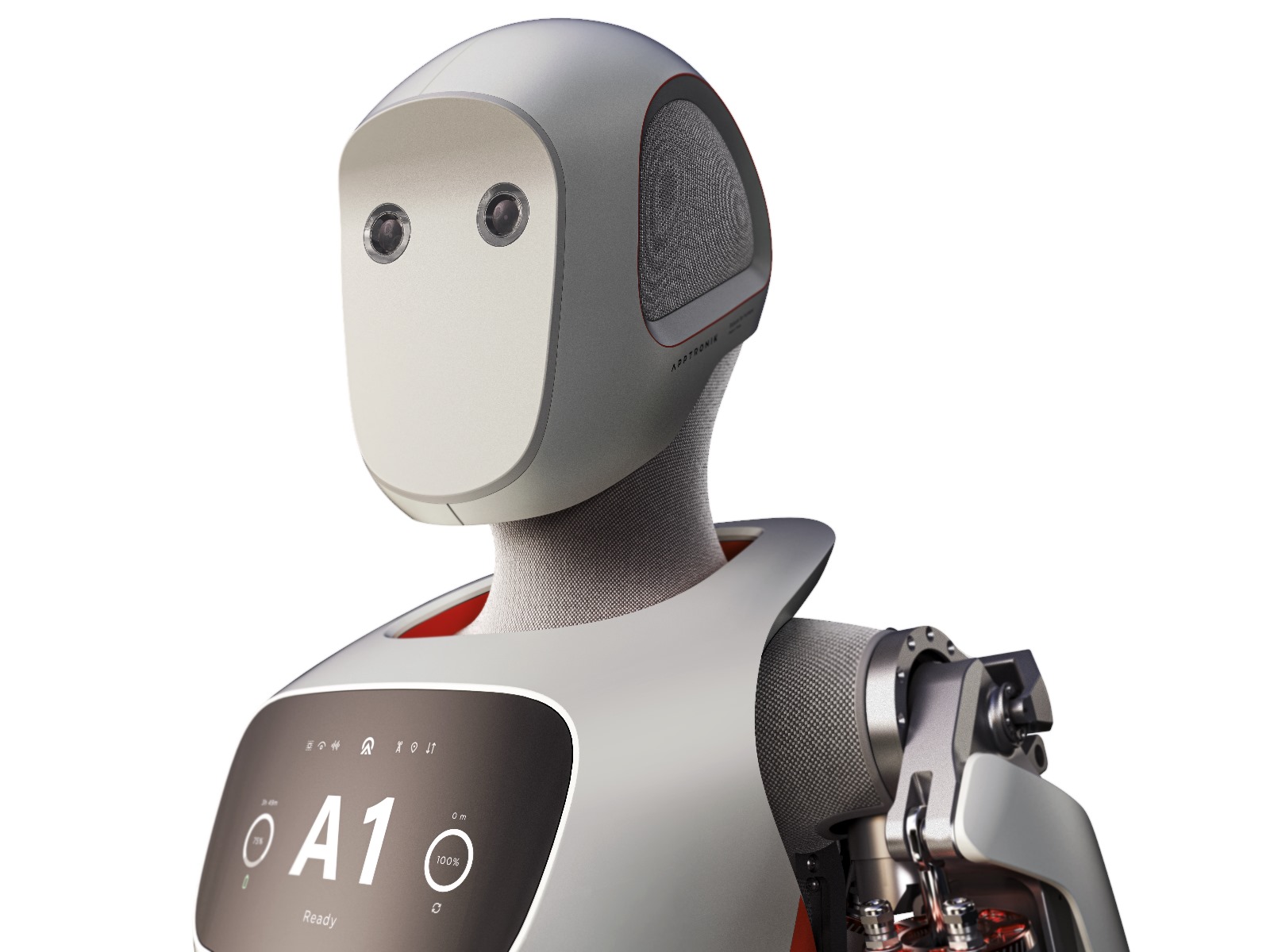
Apptronik Apollo photo 1
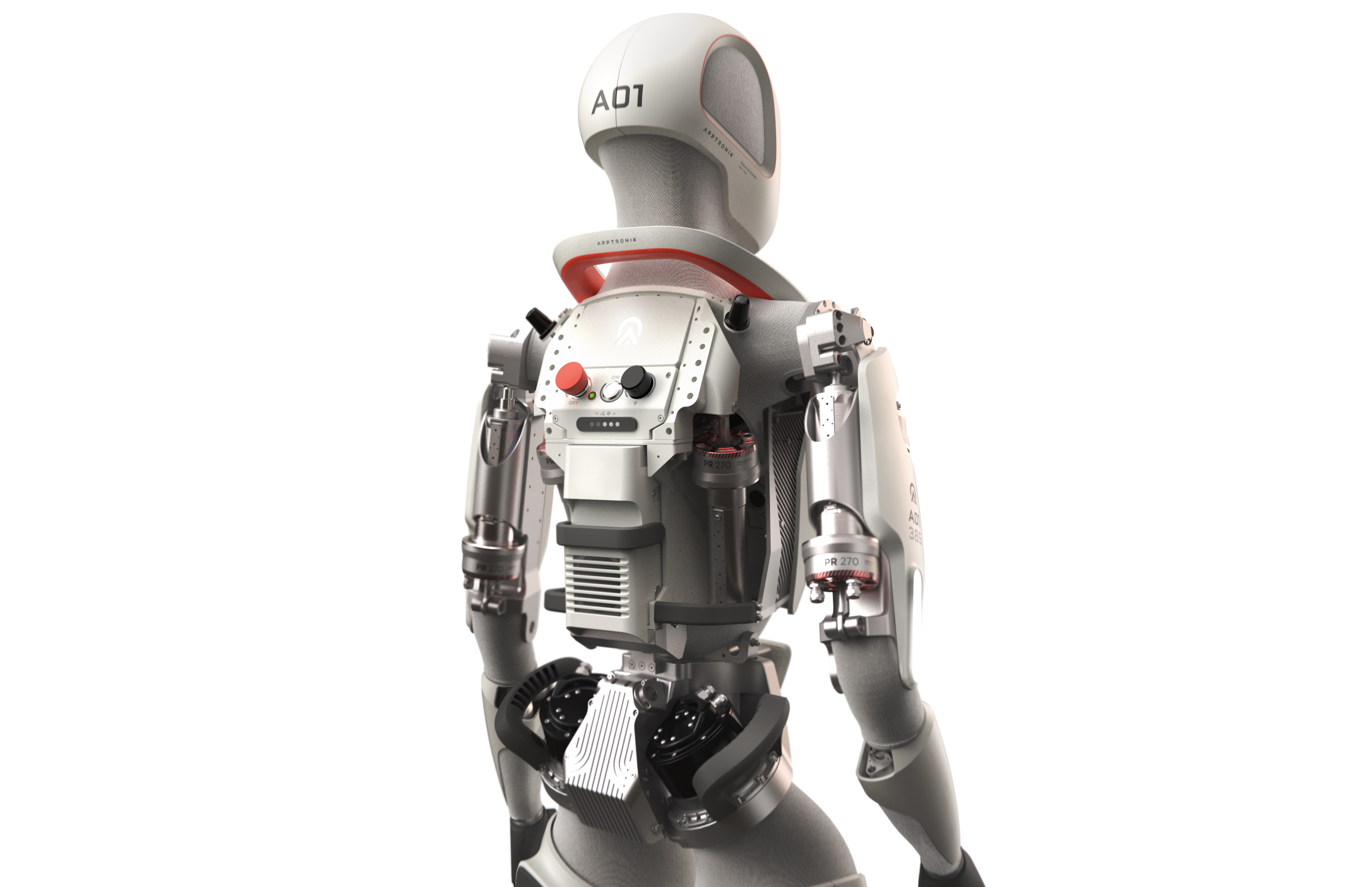
Apptronik Apollo photo 2
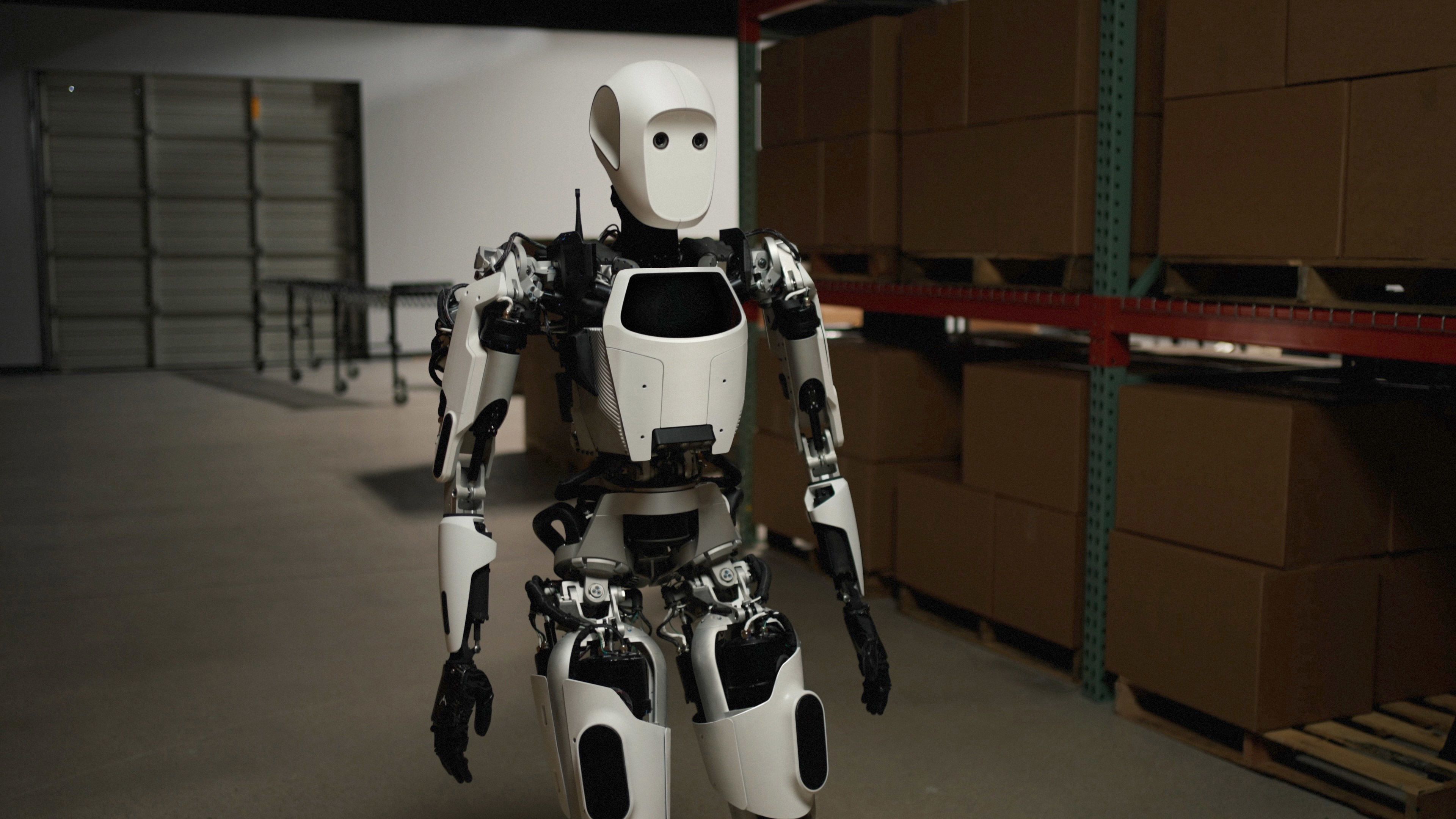
Apptronik Apollo photo 3
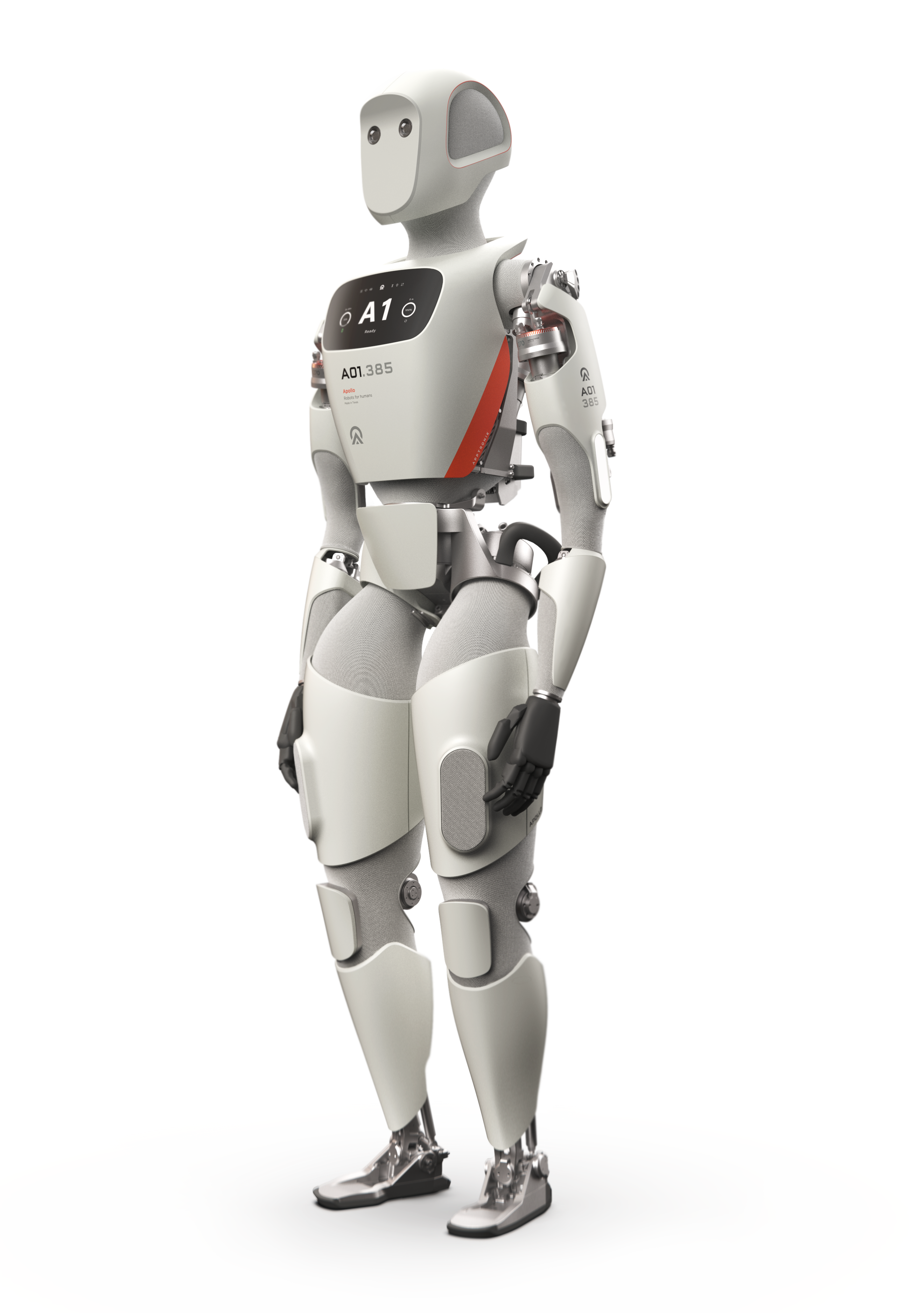
Apptronik Apollo photo 4
Apptronik Apollo photo 5
Apptronik Apollo photo 6
Apptronik Apollo photo 7
Apptronik Apollo photo 8
Apptronik Apollo photo 9
Apptronik Apollo photo 10
Apptronik Apollo photo 11