Karaniwang presyo bawat araw
Mga halaga sa USD
Paglalarawan
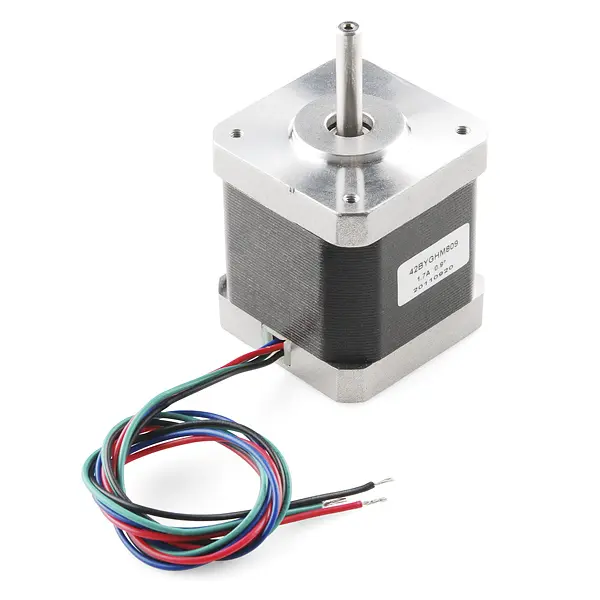
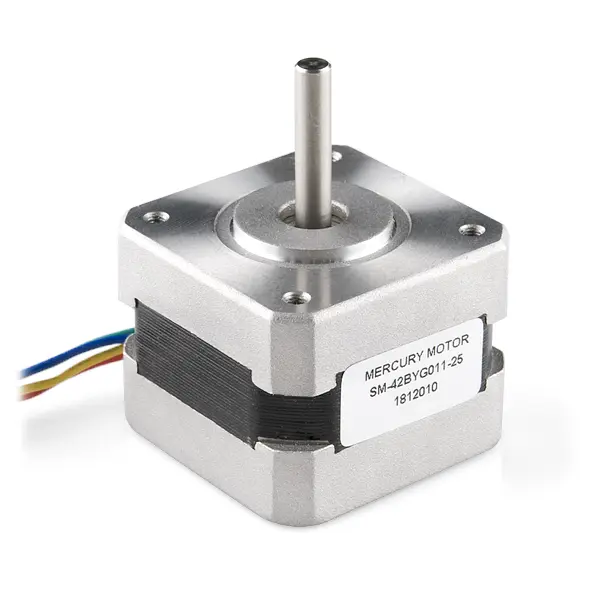
Standard stepper motors are great, but when your project demands smoother curves, finer positioning, or reduced vibration, you need higher resolution. This High-Precision NEMA 17 stepper motor features a 0.9° step angle, giving you 400 steps per revolution which is double the standard 200 steps found in most motors. This "double resolution" makes it the secret weapon for high-end 3D printers and precision CNC machines. By mechanically dividing the rotation into smaller increments, you get significantly smoother motion and higher repeatability without relying solely on microstepping. The 0.9° Advantage Smoother Prints: In 3D printing, swapping to 0.9° motors on your extruder or axes can help eliminate "Vertical Fine Artifacts" (VFA) and salmon-skin patterns, resulting in cleaner, professional-grade surface finishes. Higher Precision: With 400 native steps per revolution, this motor offers superior positioning accuracy, making it ideal for optical stages, camera sliders, and scientific instruments. Reduced Vibration: The smaller step size reduces the "cogging" effect, leading to quieter operation and less mechanical noise. Powerful and Standardized Despite its focus on precision, this is still a powerful motor. It offers 48N.cm (approx. 68 oz.in) of holding torque, which is surprisingly high for a 0.9° motor. It fits the standard NEMA 17 form factor (42mm face), making it a drop-in upgrade for many machines. It comes with a standard 5mm drive shaft and a 300mm 4-wire cable. Technical Note: While 0.9° motors offer superior resolution, they can have slightly lower torque at very high speeds compared to standard 1.8° motors due to higher inductance. They are best used where precision and surface finish are more important than raw speed.
Standard stepper motors are great, but when your project demands smoother curves, finer positioning, or reduced vibration, you need higher resolution. This High-Precision NEMA 17 stepper motor features a 0.9° step angle, giving you 400 steps per revolution which is double the standard 200 steps found in most motors. This "double resolution" makes it the secret weapon for high-end 3D printers and precision CNC machines. By mechanically dividing the rotation into smaller increments, you get significantly smoother motion and higher repeatability without relying solely on microstepping. The 0.9° Advantage Smoother Prints: In 3D printing, swapping to 0.9° motors on your extruder or axes can help eliminate "Vertical Fine Artifacts" (VFA) and salmon-skin patterns, resulting in cleaner, professional-grade surface finishes. Higher Precision: With 400 native steps per revolution, this motor offers superior positioning accuracy, making it ideal for optical stages, camera sliders, and scientific instruments. Reduced Vibration: The smaller step size reduces the "cogging" effect, leading to quieter operation and less mechanical noise. Powerful and Standardized Despite its focus on precision, this is still a powerful motor. It offers 48N.cm (approx. 68 oz.in) of holding torque, which is surprisingly high for a 0.9° motor. It fits the standard NEMA 17 form factor (42mm face), making it a drop-in upgrade for many machines. It comes with a standard 5mm drive shaft and a 300mm 4-wire cable. Technical Note: While 0.9° motors offer superior resolution, they can have slightly lower torque at very high speeds compared to standard 1.8° motors due to higher inductance. They are best used where precision and surface finish are more important than raw speed.
Kasaysayan ng presyo
Isang punto ng datos bawat araw, na kinuwenta ang average ayon sa petsa ng obserbasyon.
Mga halaga sa USD
Kinakalkula ang mga average bawat araw ng UTC mula sa lahat ng naitalang presyo ng alok.
RoboSavvy · London, GB
£24.67
RoboSavvy · London, GB
£22.64
RoboSavvy · London, GB
£22.48
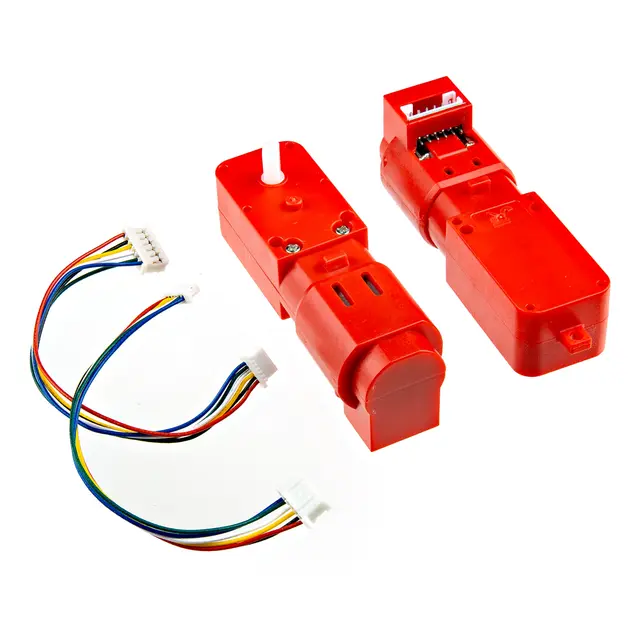
RoboSavvy · London, GB
£21.36
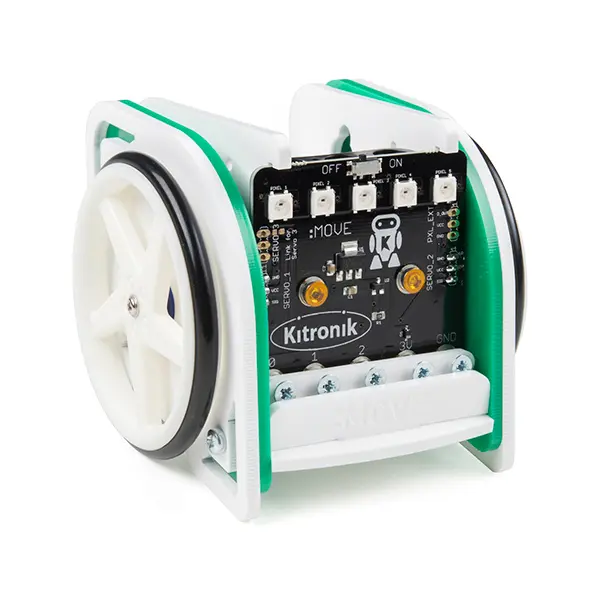
RoboSavvy · London, GB
£24.36
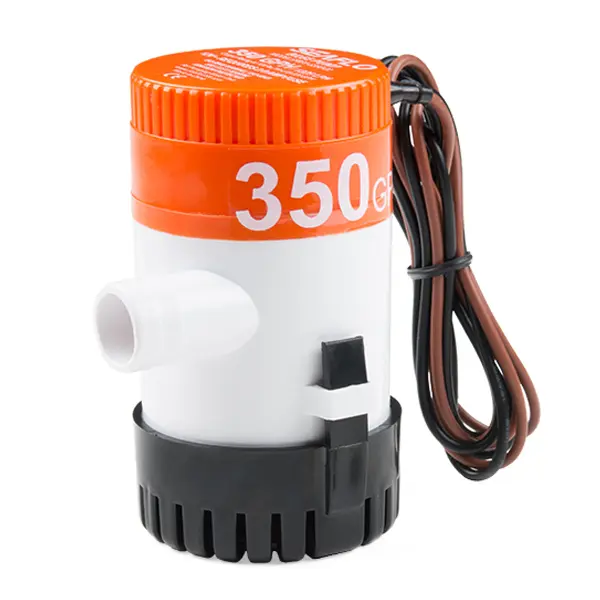
RoboSavvy · London, GB
£24.65
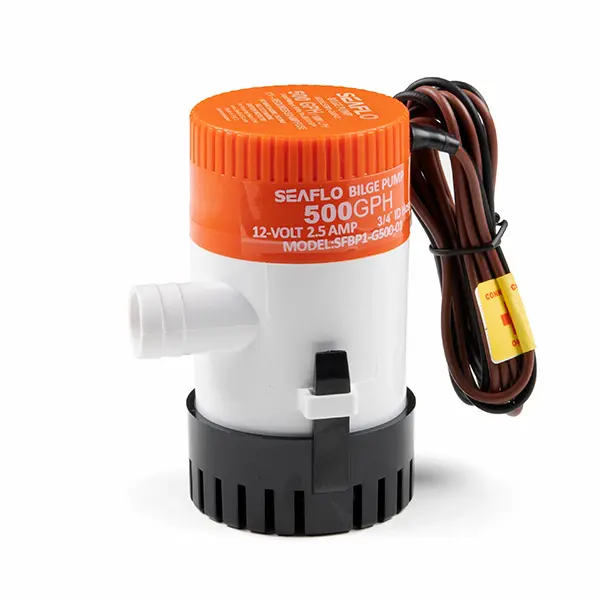
RoboSavvy · London, GB
£24.69
RoboSavvy · London, GB
£21.36
RoboSavvy · London, GB
£21.95
RoboSavvy · London, GB
£17
RoboSavvy · London, GB
£17.61
RoboSavvy · London, GB
£17.61
🍪 Mga kagustuhan sa cookie
Gumagamit kami ng cookies upang masukat ang pagganap. Patakaran sa pagkapribado