Intel shareholders sue over alleged PC-market omissions

Intel shareholders sue over alleged PC-market omissions

2 minit bacaan•17 Nov 2026•
Marco Ferrari
Marco Ferrari

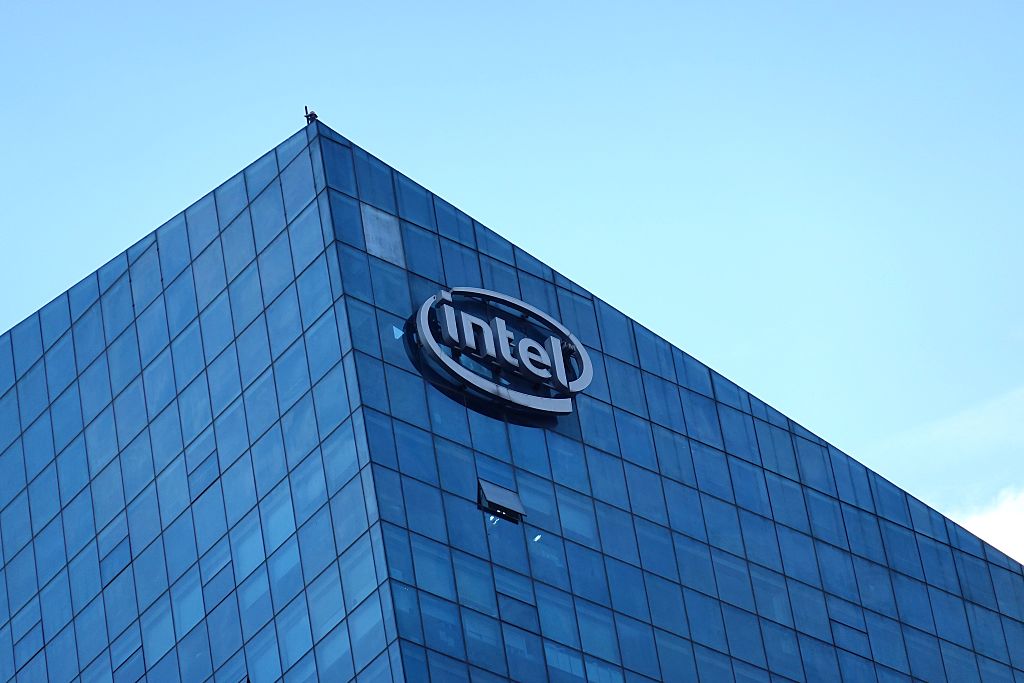
Intel shareholders have sued Intel, its CEO Lip-Bu Tan and CFO David Zinsner over alleged PC-market omissions, first reported by Arstechnica. The complaint seeks class-action certification and unspecified compensatory damages after Intel shares fell 28.6 percent on October 30, a drop it calls Intel common stock’s largest single-day price decline in over 50 years.

Filed Friday in federal court in San Jose, California, the lawsuit names the City of Southfield Fire and Police Retirement System and other similarly situated parties as plaintiffs. Intel, CEO Lip-Bu Tan and EVP and CFO David Zinsner are named as defendants; the plaintiffs also seek legal and other associated fees.

The plaintiffs say Intel made materially false and misleading statements and omissions from July 23 to October 29. They allege the company did not disclose the full impact the PC sales slump would have on its third quarter and beyond, or the impact of increasing PC component prices on PC sales for Intel’s OEM and distribution partners.

The complaint also alleges substrate supply constraints would limit Intel’s ability to meet data center CPU demand. The plaintiffs argue positive impacts to Intel’s business and financial results from data center construction and other aspects of the AI boom were more than offset by the PC sales slump.

The alleged disclosure gaps span PC sales, component prices and substrate constraints on Intel’s ability to meet data center CPU demand.

Intel announced fiscal Q3 earnings on October 29. Revenue for its Client Computing and Physical AI Group (CCPG) business declined 5 percent year over year. Tan pointed to an “unprecedented memory crunch” and manufacturing supply shortages hurting the PC market.

Intel has not publicly commented on the lawsuit.

Kennedy wants Lutnick and Bessent under oath over Nvidia export controls

Sen. John Kennedy wants Lutnick and Bessent under oath over how China was evidently able to bypass US export controls on Nvidia chips, first reported by Theguardian. Jay Clayton, the national intelligence director, said he suspected China was able to obtain Nvidia’s most advanced AI chips, the access at issue in Kennedy’s demand.

On NBC’s Meet the Press, Kennedy said he was less interested in what Jensen Huang did than in asking Lutnick and Bessent how China was evidently able to circumvent the controls. He said he wanted the two officials to answer hard questions under oath before a Senate committee.

Kennedy also invoked Greek mythology, calling Huang’s reported affair with suspected Chinese spy Alice Huang “the most expensive sex since Helen of Troy.” Huang stepped down as Nvidia’s CEO on 12 November after allegations surfaced of extramarital relationships with Alice Huang and two Nvidia employees.

Alice Huang, also known as Huang Le, had been executive director of Megaspeed International. Megaspeed facilitated about $12bn in chip sales in violation of US export controls; the Trump administration had prohibited sales of advanced AI chips to China.

Lutnick has faced scrutiny over allegations that he ignored warnings Megaspeed was smuggling chips to China. Other administration leaders, including Bessent, wanted Megaspeed put on a trade blacklist, but the Commerce Department stalled enforcement.

On CBS News’s Face the Nation, Bessent said the administration had been in touch with Nvidia’s temporary management, lead directors and lawyers while trying to find out who was in charge of compliance at the company. He urged Nvidia to move quickly and said he wanted to know what the company’s culture was.