humanoidrobot

EngineAI PM01 — Näitajad, hind ja kust osta (2026)

The PM01 is a humanoid robot made by EngineAI in Shenzhen, China. Price: $12,000–$30,000. Key specs: 1.38 m tall, 40 kg, 24 degrees of freedom, 2-hour battery, and a top walking speed of 7.2 km/h. The robot is available for pre-order, targeting research and education; used units are expected to appear on the secondary market soon.

💰Hind
$12 000 – $30 000
📅Esmakordselt ehitatud
2024
🌍Päritolu
CN
📏Kõrgus
1.38 m
⚖️Kaal
40 kg
🦾Vabadusastmed
24
🏃Maks. kiirus
7.2 km/h
🔋Aku
2 hours
🛒Saadavus
Ettetellimine

What is the Engineai Pm01?

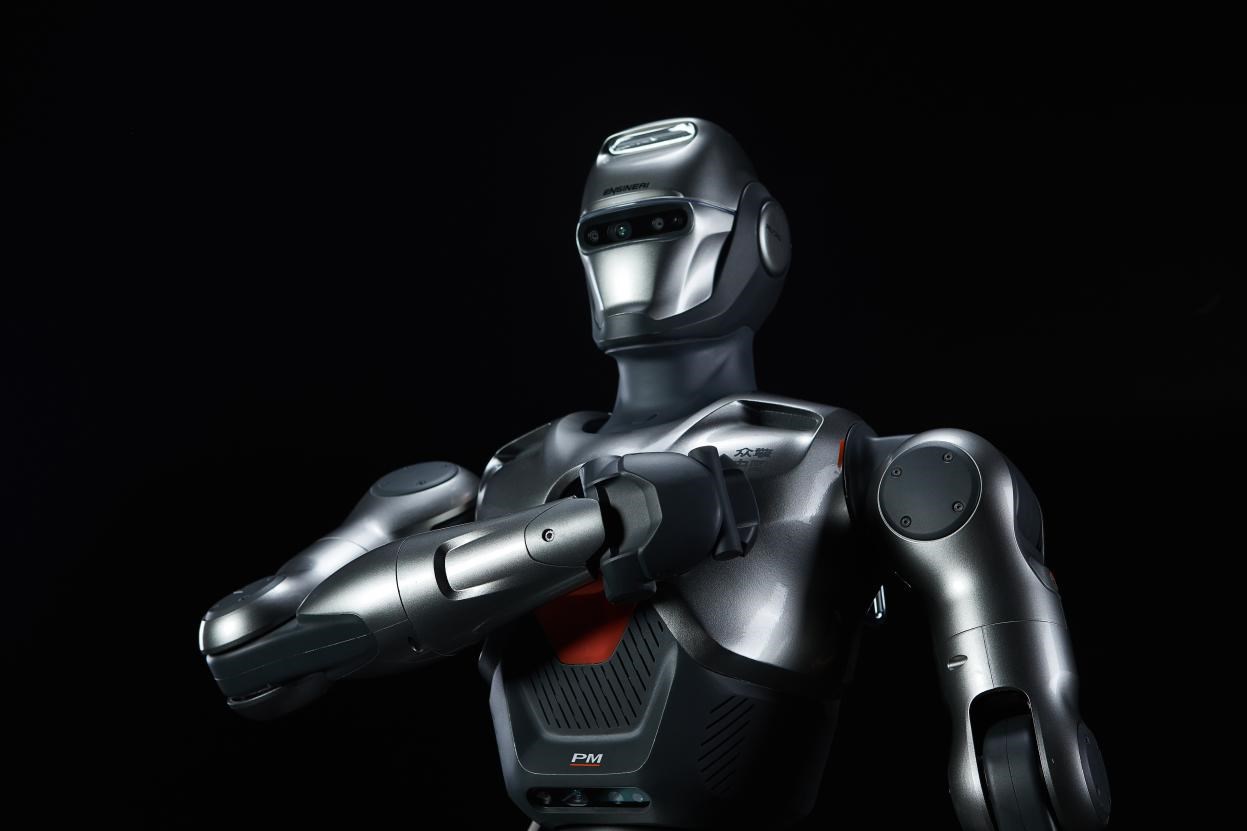
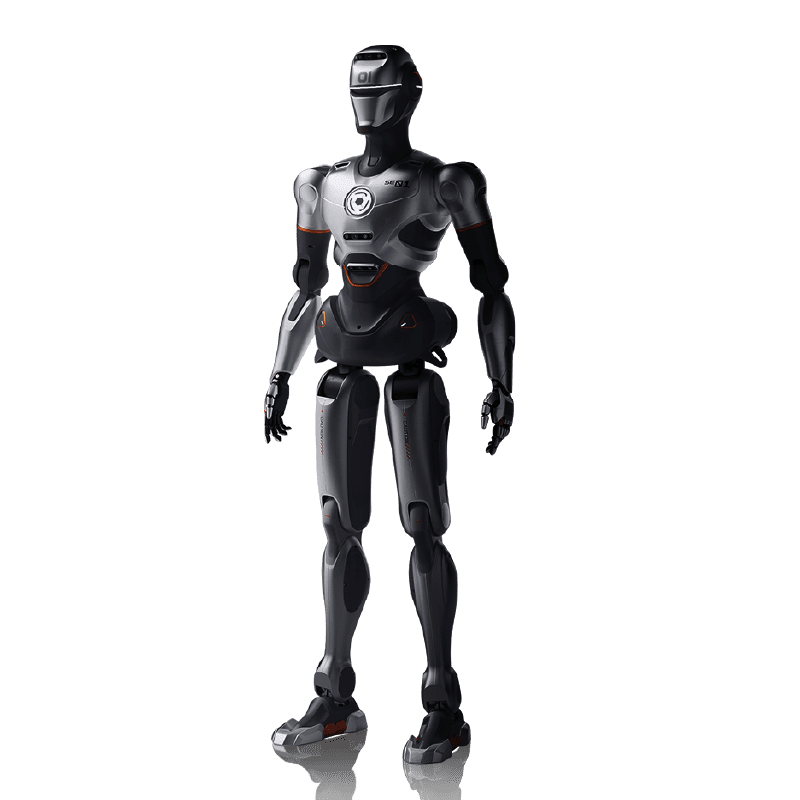
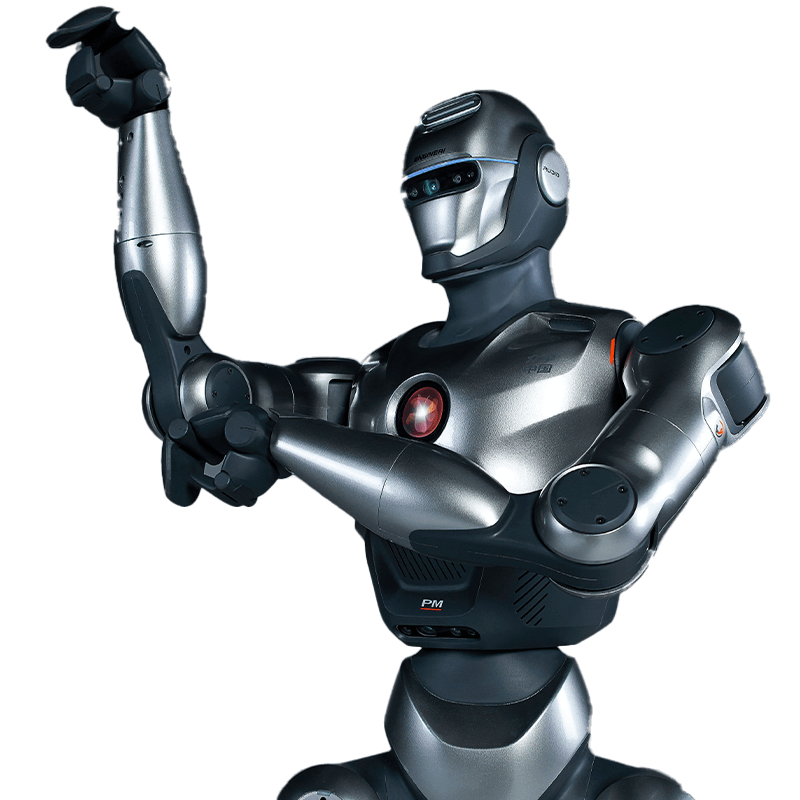
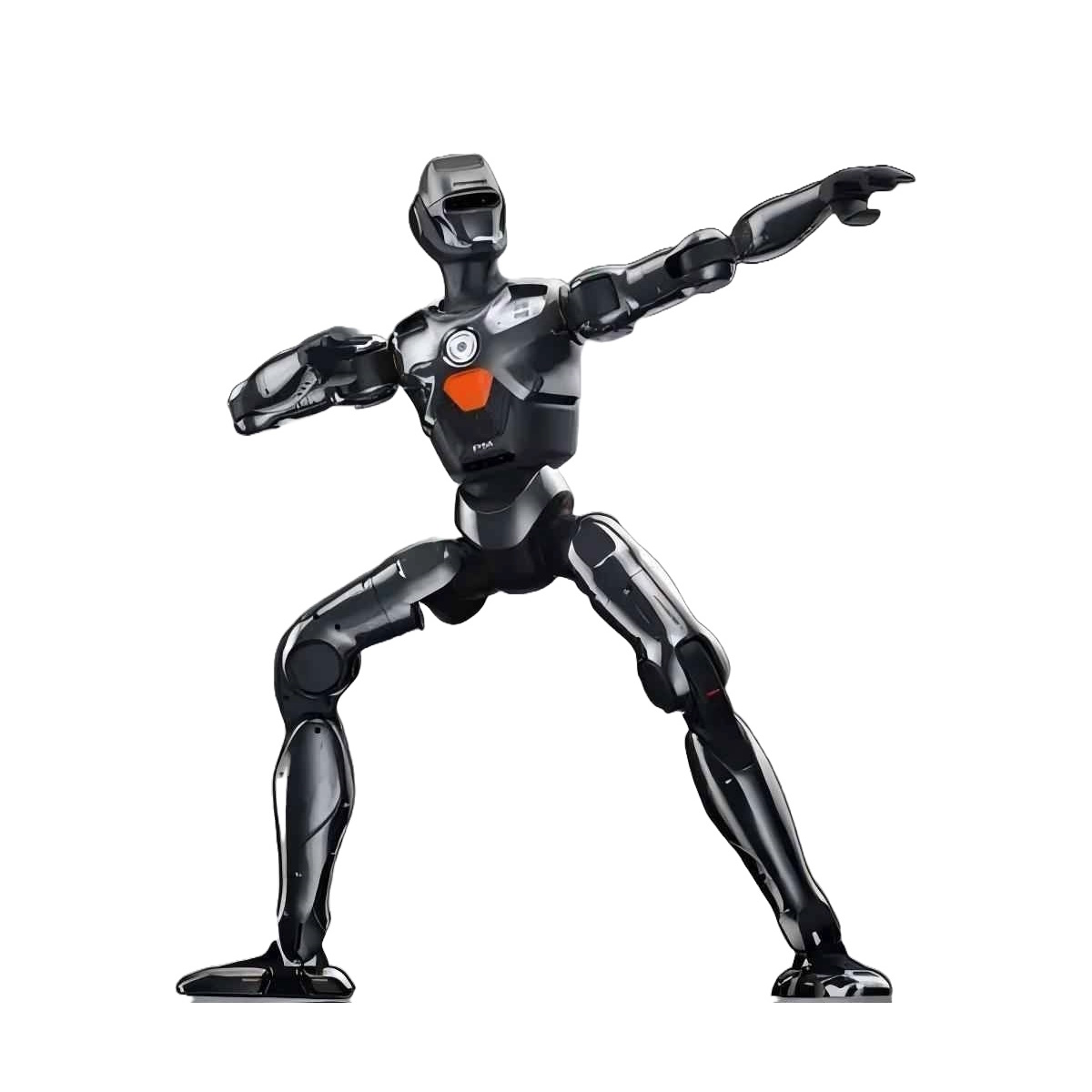
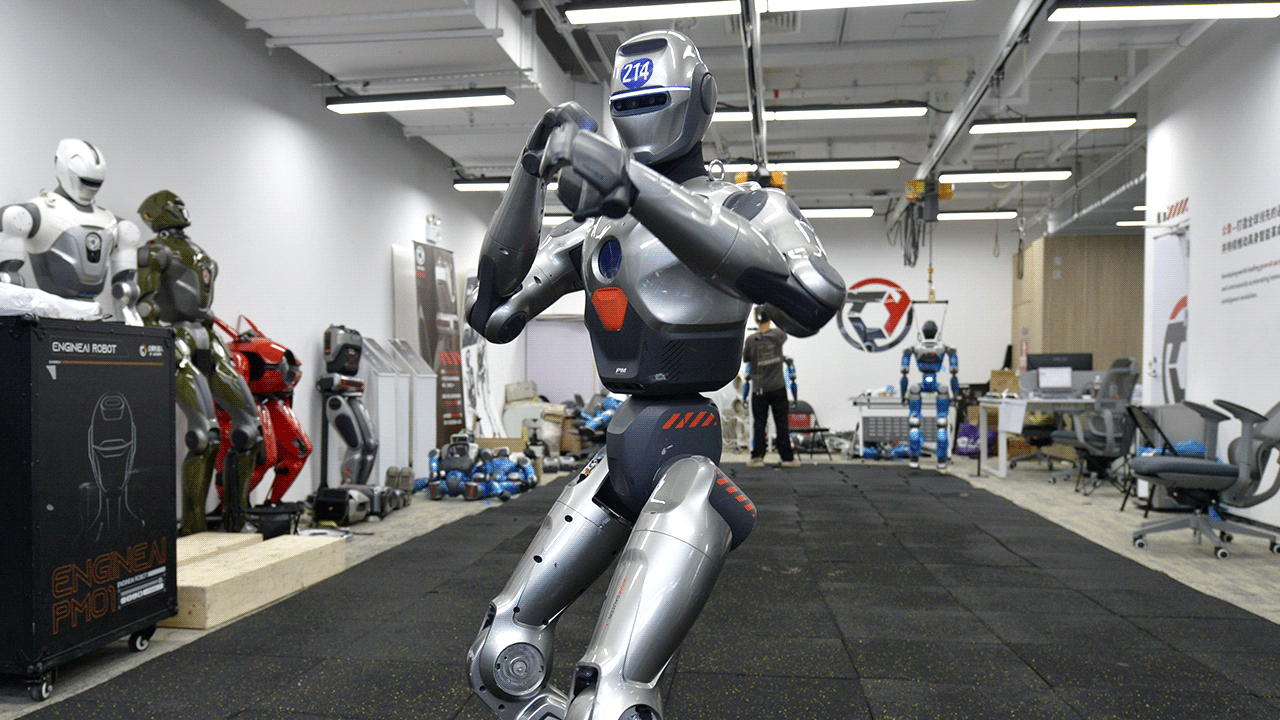
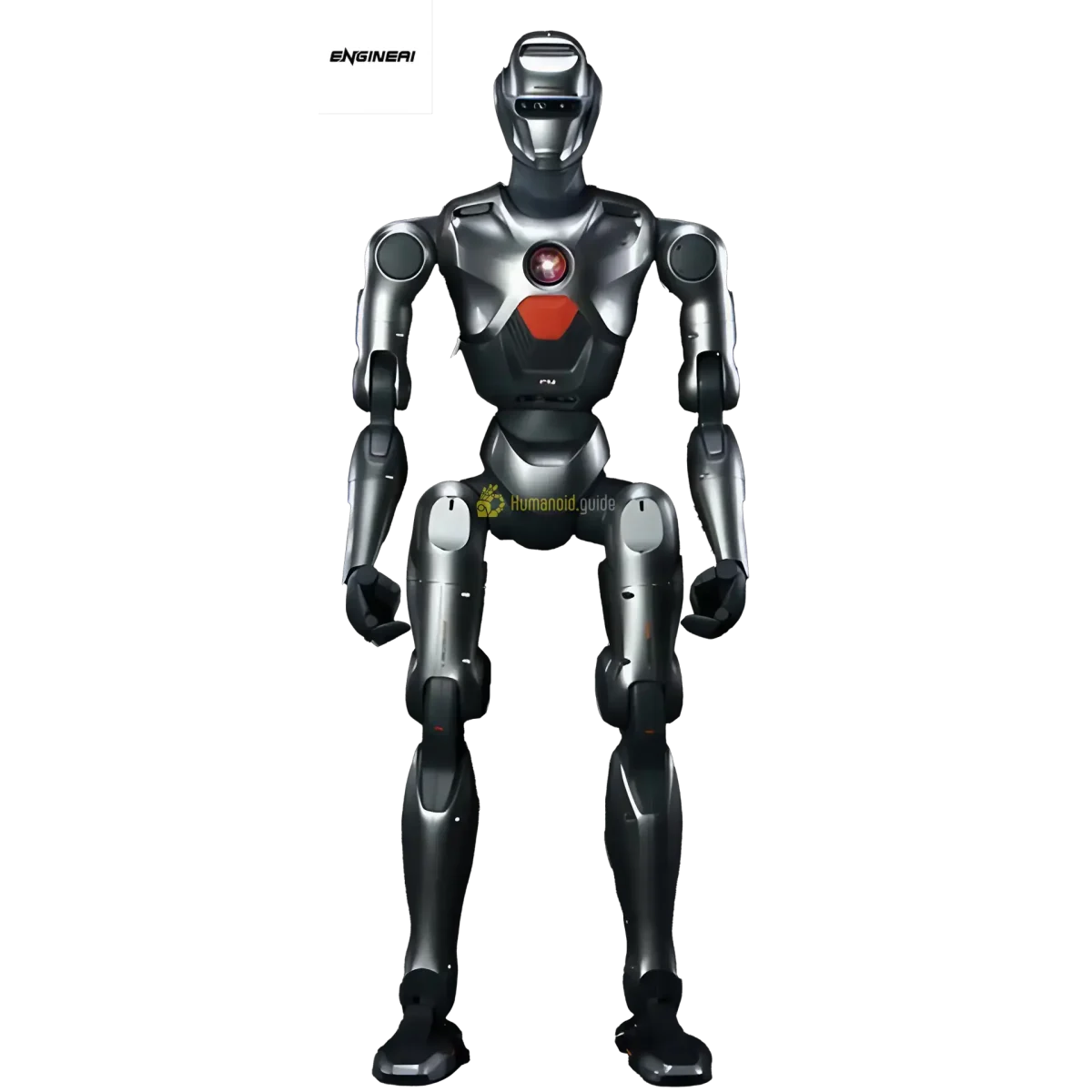
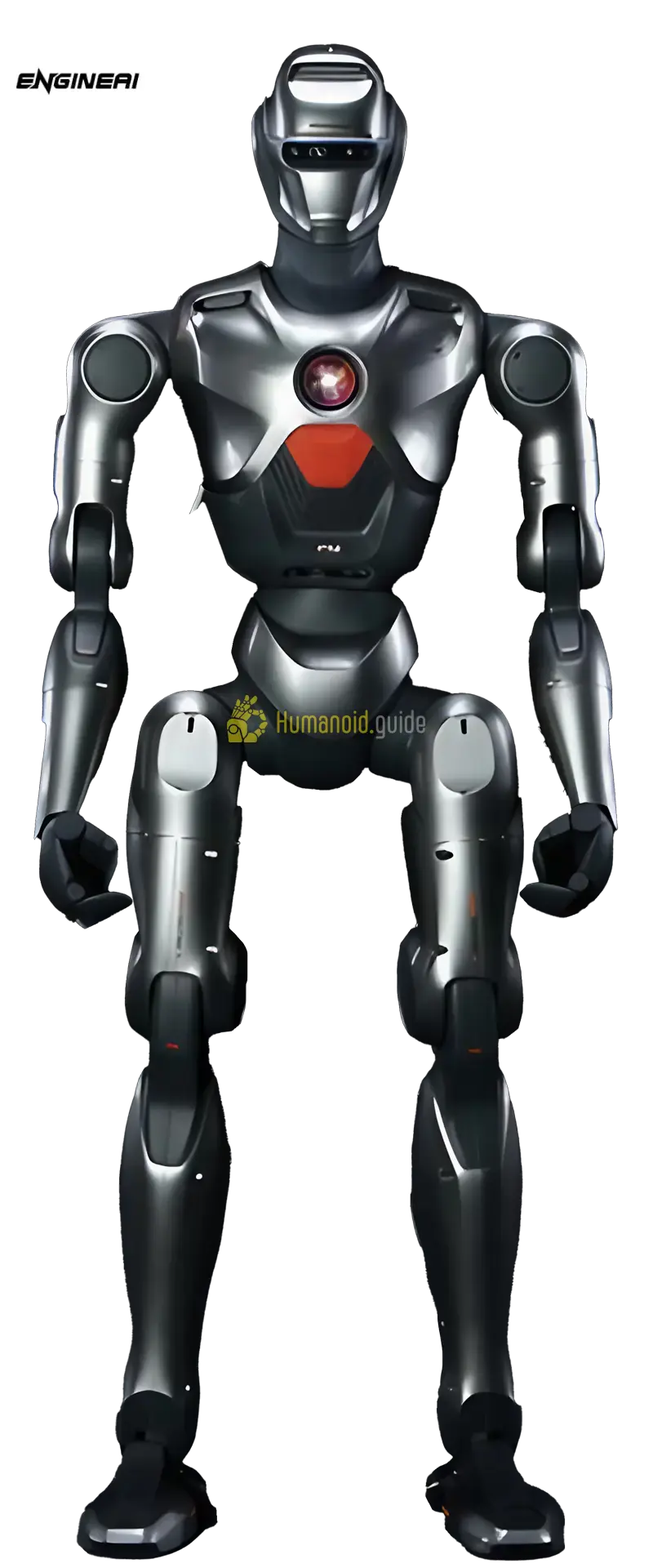
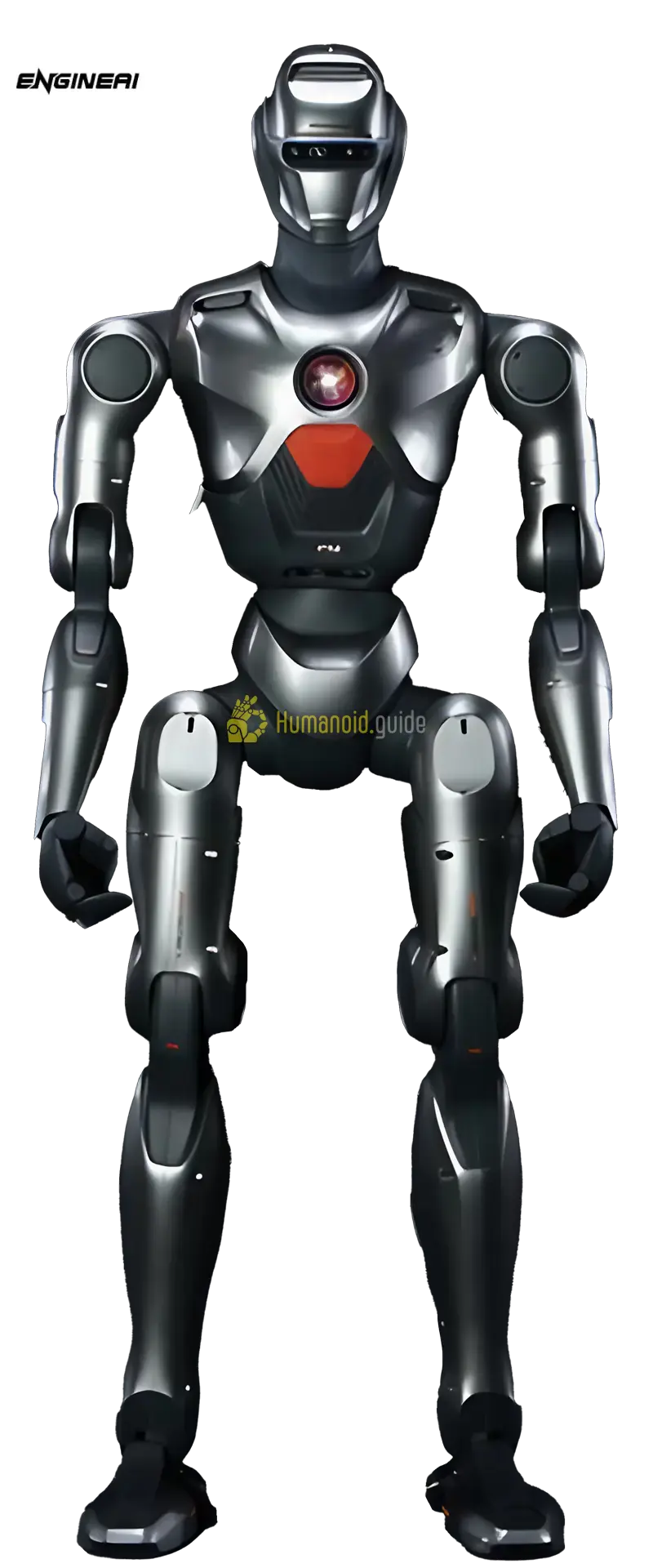
The EngineAI PM01 is an entry-level bipedal humanoid robot designed for research, education, and agile demonstrations. Developed by Shenzhen-based EngineAI Robotics, founded in 2023, the PM01 stands 1.38 m tall and weighs 40 kg. It features 24 degrees of freedom and an open-platform architecture, allowing developers to customize control and AI algorithms. Its standout capability is extreme agility, including running, dancing, and performing front flips — unusual for a robot in this price tier. The PM01 is priced to undercut rivals like the Unitree G1, making full-body humanoid research accessible to startups and university labs.

Specifications

Here are the full technical specifications.

SpecValue
Height1.38 m
Weight40 kg
Degrees of freedom24
Battery life2 hours
Max speed7.2 km/h
PayloadNot specified
Price (new)$12,000–$30,000 (est.)
Price (used range)N/A (pre-order)

Price & Value

New MSRP: $12,000–$30,000

Used range: N/A (pre-order)

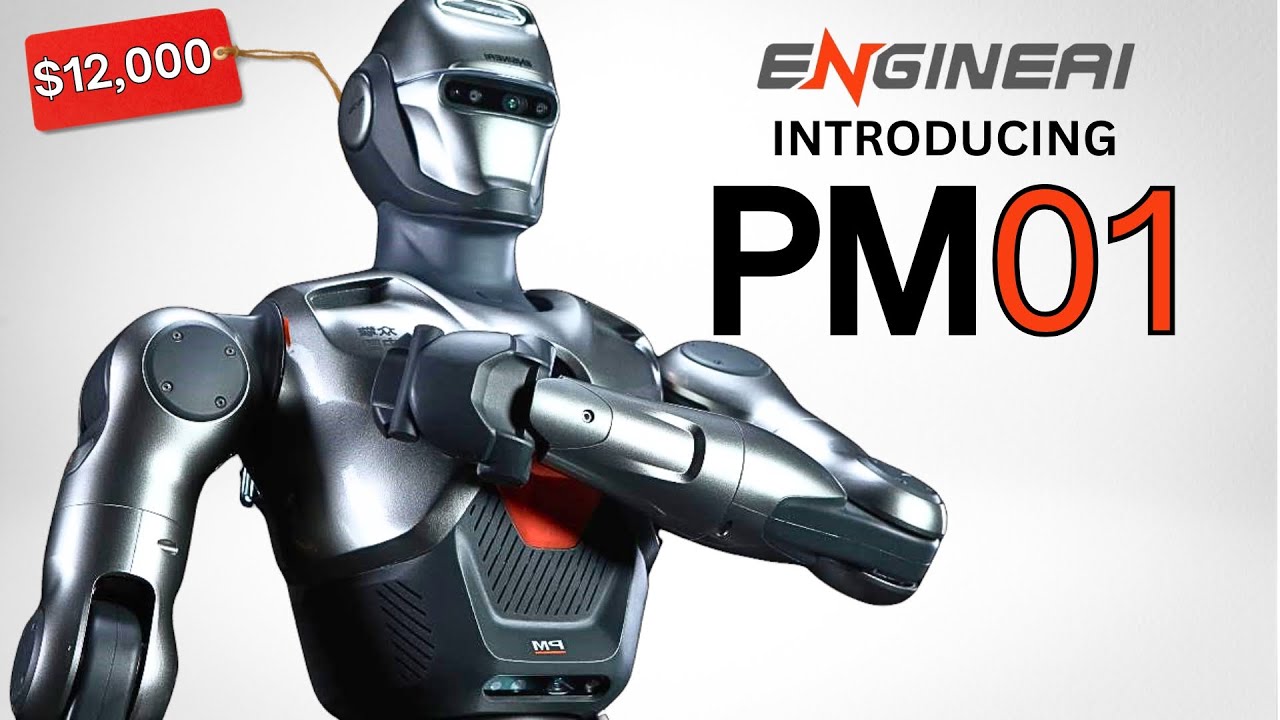
EngineAI positions the PM01 as the most affordable full-size research humanoid on the market, with a base price of $12,000—roughly 25% less than the nearest competitor, the Unitree G1 at $16,000. Fully equipped versions may reach $30,000, but even that upper limit remains competitive for labs on a budget. Because the robot is still in pre-order, no used units have yet traded, but once deliveries begin, expect prices to settle around $9,000–$20,000 depending on condition and upgrades. Total cost of ownership is minimal given the open-platform software and standard 2‑hour swappable batteries; maintenance largely involves joint and sensor wear after intensive acrobatic use. Overall, the PM01 delivers strong value for locomotion and whole-body control research, though laboratories requiring precise manipulation should note the lack of a published arm payload rating.

Who Is It For?

Best for: - University robotics labs exploring bipedal locomotion and whole-body control on a budget (24 DOF open platform enables custom controllers). - AI and embodied intelligence developers needing an affordable, agile physical avatar for sim‑to‑real experiments.

Not for: - Industrial or warehouse tasks requiring high payload manipulation (arm payload rating not specified). - Environments demanding long untethered operation beyond 2 hours without battery swapping.

Alternatives & Comparison

The PM01 enters a competitive landscape of mid‑price research humanoids, where agility and open‑source access are key differentiators.

ModelPriceAvailableKey Difference
Unitree G1$16,000yesEarlier release, shorter (1.27 m) and lighter (35 kg); lacks the extreme acrobatic capability of the PM01.

Verdict: For research groups prioritizing dynamic locomotion and acrobatic motion learning, the PM01 is the clear winner with its front‑flip capability and lower entry price. If you need a mature ecosystem with extensive community resources and assured unit availability, the Unitree G1 is the safer, more battle‑tested choice.

Use Cases & Capabilities

Research

The PM01 serves as a cost‑effective platform for academic research in bipedal locomotion, balance, and whole‑body control. With 24 degrees of freedom and open‑source software, researchers can implement novel learning‑based controllers using reinforcement learning or model predictive control. Its ability to run and perform flips provides a challenging benchmark for robust gait generation and fall recovery. On‑board compute is unspecified, but the open platform allows integration of external GPUs or edge devices. Priced at a fraction of traditional humanoid platforms, the PM01 enables multiple‑robot experiments at scale in university labs. Its open access invites collaborative development of new algorithms and sensor fusion techniques.

Education

Teachers can use the PM01 to give students hands‑on experience with humanoid robotics, covering topics from inverse kinematics to sensor fusion. Its manageable height and weight make it suitable for classroom demos without special safety infrastructure. Pre‑loaded dance and gymnastic routines spark student interest in STEM. The 2‑hour battery life is sufficient for consecutive lab sessions, with quick battery swaps minimizing downtime. The open SDK lowers the barrier for programming in Python or ROS, enabling project‑based learning across multiple courses. As an open platform, students can modify the robot's walking gait or add external sensors, promoting deep dives into hardware‑software integration.

Athletic Demonstrations

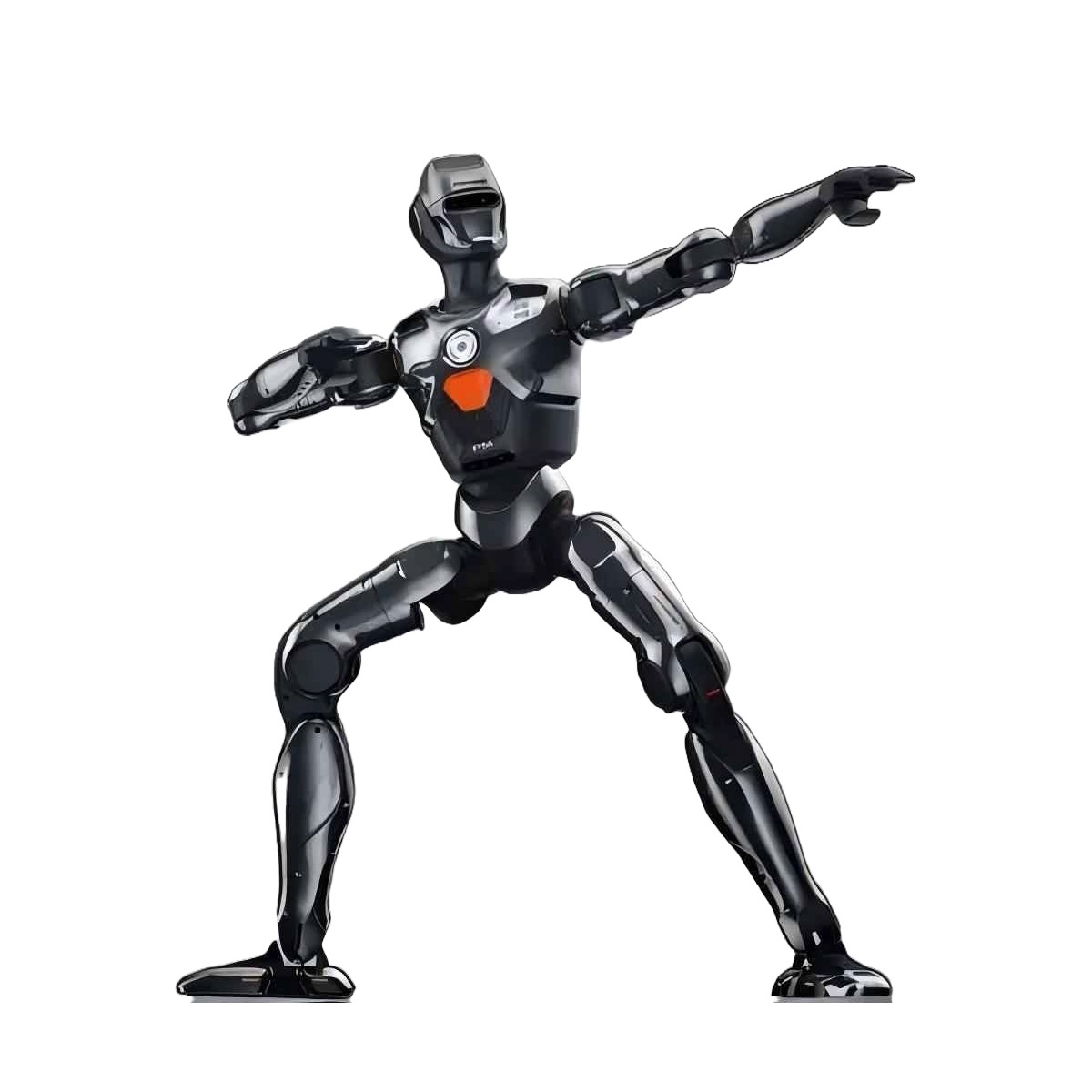
EngineAI markets the PM01 as a high‑dynamic performer, capable of front flips, running, and dance routines that attract attention at trade shows and robotics events. These extreme motions showcase the robot's lightweight construction and powerful actuators. Event organizers can leverage the PM01 for live performances that highlight the state of the art in humanoid agility. However, frequent acrobatics may accelerate joint wear, so teams should budget for periodic maintenance. Still, the PM01 fills a unique niche as a small‑scale, crowd‑pleasing athlete. Compared to larger humanoids, the PM01's compact size simplifies transport and setup at exhibitions.

Developer Platform

For software developers building embodied AI agents, the PM01 offers a blank canvas with full API access and ROS compatibility. Its open platform means no black‑box control layers—every joint and sensor can be accessed programmatically. Startups can prototype dexterous manipulation later by adding custom end‑effectors, though the out‑of‑box payload is limited. The pre‑order pipeline ensures each unit comes with factory‑fresh calibration, reducing initial setup time. Combined with a $12k starting price, the PM01 lowers the barrier for AI companies experimenting with physical humanoid interaction. A vibrant developer community is expected to grow around the robot, sharing control libraries and simulation models.

History & Background

EngineAI Robotics was founded in 2023 in Shenzhen, China, aiming to commoditize humanoid robot hardware. Its first two platforms were the full‑size SE01 and the compact PM01. The PM01 was first built in 2024 and publicly unveiled in late 2024 with demo videos showing running, dancing, and front flips. Priced aggressively from $12,000, the robot targeted academic and startup research labs. Pre-orders opened that year, and as of 2026 the PM01 remains in its first generation with no major variants announced. EngineAI's manufacturing base in Shenzhen enables cost advantages over competitors, leveraging the region's robotics supply chain. The PM01 is positioned as an open‑platform alternative to the Unitree G1, emphasizing extreme agility over raw payload or sensor suite.

Buying Used — What to Check

Verify battery health Lithium‑polymer cells degrade with age and cycle count; a 2‑hour runtime may drop below acceptable limits.

Check joint actuators Acrobatic movements strain knee/hip joints—inspect for excessive backlash or clicking before purchase.

Confirm SDK access The open platform is a core selling point; ensure no vendor‑locked firmware or subscription requirements persist.
Korduma kippuvad küsimused

The PM01 starts at an estimated $12,000; fully equipped configurations may reach $30,000. A commonly quoted price point is around $20,000. These figures are based on aggregator data and pre-order listings.
The PM01 is capable of bipedal walking, running at up to 7.2 km/h, dancing, and performing front flips. Its 24 degrees of freedom and open-platform design allow researchers to program custom locomotion and AI behaviors.
Yes, the PM01 is available for pre-order directly from EngineAI or through approved distributors such as MERA Robotics. Lead times are not publicly fixed; early-adopter deliveries are expected throughout 2026.
The PM01 costs $4,000 less at base price ($12,000 vs. $16,000), is taller (1.38 m vs. 1.27 m), and heavier (40 kg vs. 35 kg). Most notably, the PM01 performs front flips and high-speed running that the G1 does not demonstrate. The G1, however, has a longer track record and broader community support.
Height: 1.38 m, weight: 40 kg, 24 degrees of freedom, 2-hour battery life, max speed 7.2 km/h. Payload capacity (arm) is not officially specified.
EngineAI Robotics, a Chinese humanoid robot startup founded in 2023 and headquartered in Shenzhen, designs and manufactures the PM01.
The PM01 runs for approximately 2 hours on a single charge. The battery is swappable, allowing continuous use with spare packs.
Primarily education and academic research. The robot is also used for athletic demonstrations at events and as a developer platform for embodied AI startups.
EngineAI has not released an official arm payload rating. The only verified strength figure is a standing payload of 15 kg, but this likely refers to static carrying on the upper body, not dexterous arm lifting.
Currently not recommended. The PM01 lacks the fine manipulation and safety certifications required for home use. It is designed for controlled lab and exhibition environments.

EngineAI PM01 in 3D

Loading the 3D model…
Drag to rotate · click the model, then scroll or pinch to zoom · click a part to inspectSwipe sideways to turn · pinch to zoom · tap a part to inspect3D model credit and licence

EngineAI PM01 supply chain

Point at or select a step to light up its chain: bright lines are its direct links, softer lines the rest of the path from raw material to robot.

Swipe sideways to follow the whole chain.

ExtractionRefiningMaterialsComponentsModulesRobotsCompaniesMined copper is smelted and refined.Primary aluminium from smelters.Bauxite is refined to alumina for aluminium.6061 aluminium contains 0.8–1.2% magnesium.6061 aluminium contains 0.40–0.8% silicon.Camera units are built around image sensors (CMOS image sensors from makers such as Sony and OmniVision).Silicon metal is made from silica in natural forms such as quartzite (USGS).Silicon metal can be refined further into ultra-high-purity semiconductor-grade silicon, called polysilicon (USGS). Chips are made on wafers: thin slices of crystalline silicon (Wikipedia).Magnesium is recovered from dolomite, serpentine, magnesium-bearing evaporite minerals and brines (USGS).In wire-bond packaging, fine gold or copper wire connects each die to its leadframe or substrate. ASE is gradually replacing gold wire with copper to cut material cost, though gold wire is still one of its main materials.Primary gallium is recovered mainly as a byproduct of processing bauxite (USGS).Gallium arsenide wafers are used to make optoelectronic devices, including laser diodes and photodetectors (USGS).Ouster's lidars fire light from VCSEL (vertical-cavity surface-emitting laser) arrays; Hesai says its LiDAR products depend on lasers.Ouster's lidars detect the returning light on a CMOS sensor chip with single-photon avalanche diode (SPAD) detectors; Hesai calls semiconductor chips a key component.Steel is made from iron ore: US mines shipped 98% of their usable iron ore to the steel industry (USGS).Precision bearing rings are made of through-hardened chromium bearing steel 100Cr6 (SAE 52100) (GMN).Sony makes its CMOS image sensors in its own production facilities in Japan (Nagasaki, Kumamoto). SIA/BCG count optoelectronics and sensors in one fab group with discrete and analog chips (DAO), apart from logic.Bosch makes its MEMS sensors in its own fabs in Reutlingen and Dresden; a MEMS sensor is a MEMS element plus an evaluation chip (ASIC).A MEMS sensor is packed in a semiconductor housing, such as an LGA package (Bosch).Mined nickel ore and concentrate go to smelters and refineries. In Indonesia, laterite ore is processed into nickel pig iron and ferronickel for stainless steel, or into battery intermediates such as mixed hydroxide precipitate (IEA); the US Eagle Mine's concentrate is exported to smelters (USGS).Stainless steel is the biggest use of nickel, 66% of demand in 2025 (Cobalt Institute). In the US, stainless and alloy steels and nickel alloys take more than 85% of nickel use (USGS). The world made 64.2 Mt of stainless steel in 2025 (worldstainless), against about 1,900 Mt of raw steel (USGS).Solder is the largest use of tin, 51% of world tin use in 2023 (International Tin Association; in the US solder took 11%, USGS). The common lead-free alloy SAC305 is 96.5% tin (AIM).Tin-lead solder is nearly half lead (PubChem), but the electronics industry has moved toward lead-free solders (USGS): 92% of solder for electronics was lead-free in 2023 (ITA).The lead-free alloy SAC305 contains 3% silver (AIM). In the US, brazing and solder took 3% of silver (USGS).The lead-free alloy SAC305 contains 0.5% copper (AIM).FR-4 laminate is woven fibreglass cloth with an epoxy binder (Wikipedia), and fibreglass is made from silica sand (Covia).A thin layer of copper foil is laminated to one or both sides of an FR-4 panel; these are called copper-clad laminates (Wikipedia; ChinaBaogao).FR-4 epoxy resin systems typically use bromine to resist fire (Wikipedia); a grade of the brominated flame retardant TBBPA is used to make epoxy resins for circuit boards (Wikipedia). Brominated flame retardants are one of bromine's two leading uses (USGS).Barite is used to make barium carbonate, which goes into dielectrics (Wikipedia). Barium titanate, the dielectric ceramic used in capacitors, can be made by heating barium carbonate with titanium dioxide (Wikipedia).Barium titanate, the ceramic in high-capacitance MLCCs, can be made by heating barium carbonate with titanium dioxide (Wikipedia); titanium dioxide comes from ilmenite and rutile (USGS).99% of MLCCs made worldwide use base-metal electrodes of nickel or copper; the industry moved from palladium and silver to cut cost (NASA, 2015). TDK replaced palladium electrodes with nickel in 1993 (Wikipedia).Platinum-group metals are used in multilayer ceramic capacitors (USGS). High-reliability MLCCs use palladium-silver electrodes (NASA, 2015).High-reliability MLCCs use precious-metal electrodes of palladium and silver (NASA, 2015).Indium tin oxide (ITO), which takes most of the world's indium, is the conductive coating in flat-panel displays, most commonly LCDs (USGS).Connector contacts are copper alloys: beryllium copper is called the best copper alloy for contacts, connectors and cables (Wikipedia), and phosphor bronze (copper-tin-phosphorus) can replace it (USGS).Copper-clad laminate is the core material of circuit boards (ChinaBaogao); FR-4 is a common material for printed circuit boards (Wikipedia).Parts are soldered onto bare boards: Adafruit's BNO055 board is a "breakout PCB", and the Raspberry Pi Zero 2 W brief warns against damage to the printed circuit board.SAC305 lead-free solder is made for soldering printed circuits, by wave, hand and SMT reflow soldering (Conro; AIM).MLCCs store and release charge and absorb noise in phones, home appliances and IoT devices (Murata). The Raspberry Pi's RP3A0 package includes the decoupling capacitors that smooth its supply voltage (Raspberry Pi).Boards carry connectors: the Raspberry Pi Zero 2 W brief speaks of the board and its connectors, and Waveshare's servo adapter has a USB-C connector and a power connector.NVIDIA's Jetson Thor modules are 100 × 87 mm and plug in through a 699-pin board-to-board (B2B) connector (NVIDIA).Brass is copper and zinc: CW614N free-cutting brass is about 39% zinc. In the US, brass and bronze are the second use of zinc after galvanized steel.Brass is mostly copper: 57–59% in CW614N free-cutting brass.Free-cutting brass such as CW614N holds 2.5–3.5% lead so it machines cleanly; lead-free brasses exist.XT30 battery plugs (G1 harness, Open Duck Mini) have gold-plated brass contacts.Antimony is used in circuit boards to cut flammability further. A review lists two studies of scrap PC boards, parts and solder still on, with 0.45% and 1.97% antimony, so the share in the laminate alone is not known.MEMS microphones are silicon chips: the diaphragm is etched into a silicon wafer (Wikipedia). Pollen's HAT uses a MEMS microphone.EngineAI: 'Structural Material: Aviation Aluminum'; its manual: aviation aluminium alloy.EngineAI: 'Industrial-Grade High-Precision Crossed Roller Bearing' at each joint's output.EngineAI's manual: the joints are fully planetary ('全行星').EngineAI's manual: two encoders in each joint, on circuit boards.EngineAI: 'Industrial-Grade High-Precision Crossed Roller Bearing' at each joint's output.EngineAI's manual: the joints are fully planetary ('全行星').EngineAI's manual: two encoders in each joint, on circuit boards.A 'smart' battery has a management board; EngineAI's manual: its power key lights the battery-level lights.EngineAI: an '8 CORE High Performance CPU' (2026); an Intel N97 in 2025.The computer's board; EngineAI does not describe it.Heat sinks are often aluminium: the Go2's main board has two fans blowing over an aluminium heat sink (Simplexity).In the Unitree G1, the heat pipe and heat spreaders that teardowns show are copper: a copper heat pipe presses against a motor (a published teardown), and copper heat-spreader plates cool its knees (China Post Securities).ASML's DUV machines, 'the workhorses of the industry', print the majority of layers in chips, older-generation chips included (ASML annual report 2025).The frame, shells, covers, hands and soles that make up the EngineAI PM01's body.Six 164 N·m joint modules: hip pitch, hip roll and knee in each leg (EngineAI's model).Eighteen 61 N·m joint modules: hip yaw and two ankle motors in each leg, the waist, the neck and all ten arm joints (EngineAI's model).One quick-release 10,000 mAh smart battery, charged at 54.6 V and 4.5 A (EngineAI).Main computer: an '8 CORE High Performance CPU' (EngineAI, 2026).An NVIDIA Jetson Orin NX (16G) on both 2026 editions (EngineAI).Two ultra-wide-angle binocular cameras, in the head and at the waist (EngineAI).An IMU in the pelvis (EngineAI's simulation model), read by its walking code.A 3D LiDAR on the 2026 Navigation edition only (EngineAI).A round touch screen in the chest on the 2026 Education edition only (EngineAI's 'Interactive Core Display').Voice interaction on both 2026 editions (EngineAI), which needs microphones.Voice interaction on both 2026 editions (EngineAI), which needs a speaker.EngineAI makes the PM01.Air-cooled: 'Super Air-Cooled Heat Dissipation' (EngineAI), and a local air-cooling system in EngineAI's manual. Where the fans sit is not published.Quartz and silica sandQuartz and silica sandMagnesium ores and brinesMagnesium ores and brinesGallium recovery (aluminabyproduct)Gallium recovery (alumina byproduct)Steel (gear, bearing andstainless grades)Steel (gear, bearing and stainless grades)Lithography machines (chipprinting)Lithography machines (chip printing)Mature-node chipfabrication (28 nm and…Mature-node chip fabrication (28 nm and older; analog and sensor chips)Laser diodes (VCSEL andedge-emitting)Laser diodes (VCSEL and edge-emitting)Aluminium alloysAluminium alloysCopper smelting andrefiningCopper smelting and refiningAlumina refining andaluminium smeltingAlumina refining and aluminium smeltingCopper miningCopper miningBauxite miningBauxite miningIron ore miningIron ore miningMagnesium smeltingMagnesium smeltingSilicon metal smeltingSilicon metal smeltingChip packaging and test(OSAT)Chip packaging and test (OSAT)Precision reduction gears(heavy robot joints)Precision reduction gears (heavy robot joints)Precision bearingsPrecision bearingsProcessors (CPUs and SoCs)Processors (CPUs and SoCs)Image sensorsImage sensorsIMUs (motion sensors)IMUs (motion sensors)AI compute modulesAI compute modulesCameras and depth camerasCameras and depth camerasLiDARLiDAREngineAIEngineAINickel miningNickel miningNickel smelting andrefiningNickel smelting and refiningTitanium minerals(ilmenite and rutile)Titanium minerals (ilmenite and rutile)Tin miningTin miningLead miningLead miningSilver miningSilver miningPalladium mining(platinum-group metals)Palladium mining (platinum-group metals)Antimony miningAntimony miningBromine (from brines)Bromine (from brines)Barite mining (barium)Barite mining (barium)Indium refining (zincby-product)Indium refining (zinc by-product)Solder (tin alloys:lead-free SAC and…Solder (tin alloys: lead-free SAC and tin-lead)Copper-clad laminate (FR-4glass-fibre epoxy board…Copper-clad laminate (FR-4 glass-fibre epoxy board material)Printed circuit boards(bare boards)Printed circuit boards (bare boards)Multilayer ceramiccapacitors (MLCC)Multilayer ceramic capacitors (MLCC)Connectors and wiringharnessesConnectors and wiring harnessesDisplays (LCD and OLEDscreens)Displays (LCD and OLED screens)Electronics assembly(circuit boards with part…Electronics assembly (circuit boards with parts soldered on)Zinc miningZinc miningBrass (copper-zinc alloy)Brass (copper-zinc alloy)MicrophonesMicrophonesSmall speakersSmall speakersCooling fans and heatsinksCooling fans and heat sinksEngineAI PM01EngineAI PM01Structure: EngineAI PM01Structure: EngineAI PM01EngineAI joint module, 164N·m (PM01)EngineAI joint module, 164 N·m (PM01)EngineAI joint module, 61N·m (PM01)EngineAI joint module, 61 N·m (PM01)PM01 battery (10,000 mAh,charged at 54.6 V)PM01 battery (10,000 mAh, charged at 54.6 V)PM01 main computer (8-coreCPU)PM01 main computer (8-core CPU)

Fotod11

EngineAI PM01 photo 1
EngineAI PM01 photo 2
EngineAI PM01 photo 3
EngineAI PM01 photo 4
EngineAI PM01 photo 5
EngineAI PM01 photo 6
EngineAI PM01 photo 7
EngineAI PM01 photo 8
EngineAI PM01 photo 9
EngineAI PM01 photo 10
EngineAI PM01 photo 11