humanoidrobot

AgiBot X2 / Lingxi X2 — Näitajad, hind ja kust osta (2026)

AgiBot Lingxi X2 is a humanoid robot developed by AgiBot in Shanghai, China. It is a research and service platform with 44 degrees of freedom, a 3 kg arm payload, 7.2 km/h top speed, and ~2-hour battery life. Price is undisclosed but unofficially estimated at $34,000. As of 2026, it remains in development with limited pre-orders for research partners.

💰Hind
$34 000
📅Esmakordselt ehitatud
2025
🌍Päritolu
CN
📏Kõrgus
131 cm
⚖️Kaal
35 kg
🦾Vabadusastmed
44
🏃Maks. kiirus
7.2 km/h
📦Kandevõime
3 kg
🔋Aku
2 hours
🛒Saadavus
Pole saadaval

What is the Agibot X2?

The AgiBot Lingxi X2 is a full-size humanoid robot created by Shanghai-based AgiBot Innovation (founded 2023). It succeeds the X1 with upgraded compute, stronger arms, and production-ready refinements. The robot stands 131 cm tall and weighs 35 kg, intended for research, light industrial, and service tasks. Its 44 degrees of freedom include highly dexterous 12-DOF hands, making it suitable for manipulation research. Two variants exist: the base X2 (25 body DOF) and the X2 Ultra (30 body DOF, additional sensors). The robot runs on NVIDIA Jetson Orin NX, ROS 2, and uses model predictive control for whole-body locomotion. First shown in 2024, it targets labs and early commercial pilots.

Specifications

Here are the full technical specifications.

SpecValue
Height131 cm
Weight35 kg
Degrees of freedom44 (body + hands)
Battery life2 hours (at 0.5 m/s walk)
Max speed7.2 km/h (lab peak)
Payload3 kg (arm, posture-limited)
Price (new)Undisclosed (contact AgiBot)
Price (used range)N/A

Price & Value

New MSRP: Undisclosed

Used range: N/A

As a pre-commercial platform, AgiBot has not published official pricing for the Lingxi X2. Unofficial estimates point to around $34,000, a figure that would place it below the Unitree H1 ($90,000) and other research humanoids. At that price, the X2 could be a cost‑effective alternative for labs, but the lack of confirmed pricing and availability means budgets cannot be finalised. Should it enter the market, buyers must factor in costs for the modular battery system, controller, and potential software development. Depreciation is uncertain; early adopters may face sharp value drops once commercial production ramps. Compared with fully‑commercialised alternatives like the Unitree H1, the X2’s long‑term cost‑of‑ownership hinges on factory‑matched support and a stable ROS 2 ecosystem.

Who Is It For?

Best for: - University robotics labs developing whole‑body control and manipulation (44 DOF enables dexterous research) - Service robotics startups prototyping reception or guidance applications - Light industrial pilots needing a mobile manipulator with low payload (≤3 kg arm)

Not for: - Heavy industrial tasks (payload is just 3 kg, limiting tool use) - Users requiring immediate commercial support (still in development with no official pricing)

Alternatives & Comparison

The X2 competes with other sub‑$100k humanoid research platforms, but its pre‑commercial status makes direct comparison difficult.

ModelPriceAvailableKey Difference
Unitree H1$90,000yesHigher torque actuators, established locomotion, immediate commercial availability
Fourier GR‑2UndisclosedpreorderFocuses on rehabilitation and research, different actuator design, similar size class
Tesla OptimusUndisclosednoLeverages Tesla’s AI stack, not yet available for external purchase

Verdict: For labs that can wait, the X2’s sub‑$34,000 estimate makes it the budget pick, but the Unitree H1’s ready‑to‑ship reliability wins for projects with deadlines. Fourier GR‑2 offers a similar research focus with arguably more mature actuator tech, while Tesla Optimus remains an industry wildcard. If AgiBot delivers at the rumoured price with production‑grade hardware, the X2 could redefine value in research humanoids.

Use Cases & Capabilities

Whole‑Body Manipulation Research

With 44 DOF—including 12‑DOF hands—the X2 is a standout testbed for dexterous manipulation. Researchers can implement grasp planning, in‑hand manipulation, and coordinated arm‑leg motions. The NVIDIA Jetson Orin NX compute allows real‑time model predictive control, ideal for exploring whole‑body optimization. Limitations include a 3 kg arm payload, so heavy objects are out of scope, and the 2‑hour battery may restrict long experiments.

Reception and Service Pilots

The X2’s interactive RGB camera, microphone array, speaker, and optional 4G/5G module make it suited for front‑desk tasks. It can greet visitors, answer questions via a foundation model (GO‑1), and perform light navigation in lobbies. Its 131 cm height and approachable design help public acceptance. However, unverified safety certifications mean it should not be deployed unattended in crowded spaces.

Light Industrial Assistance

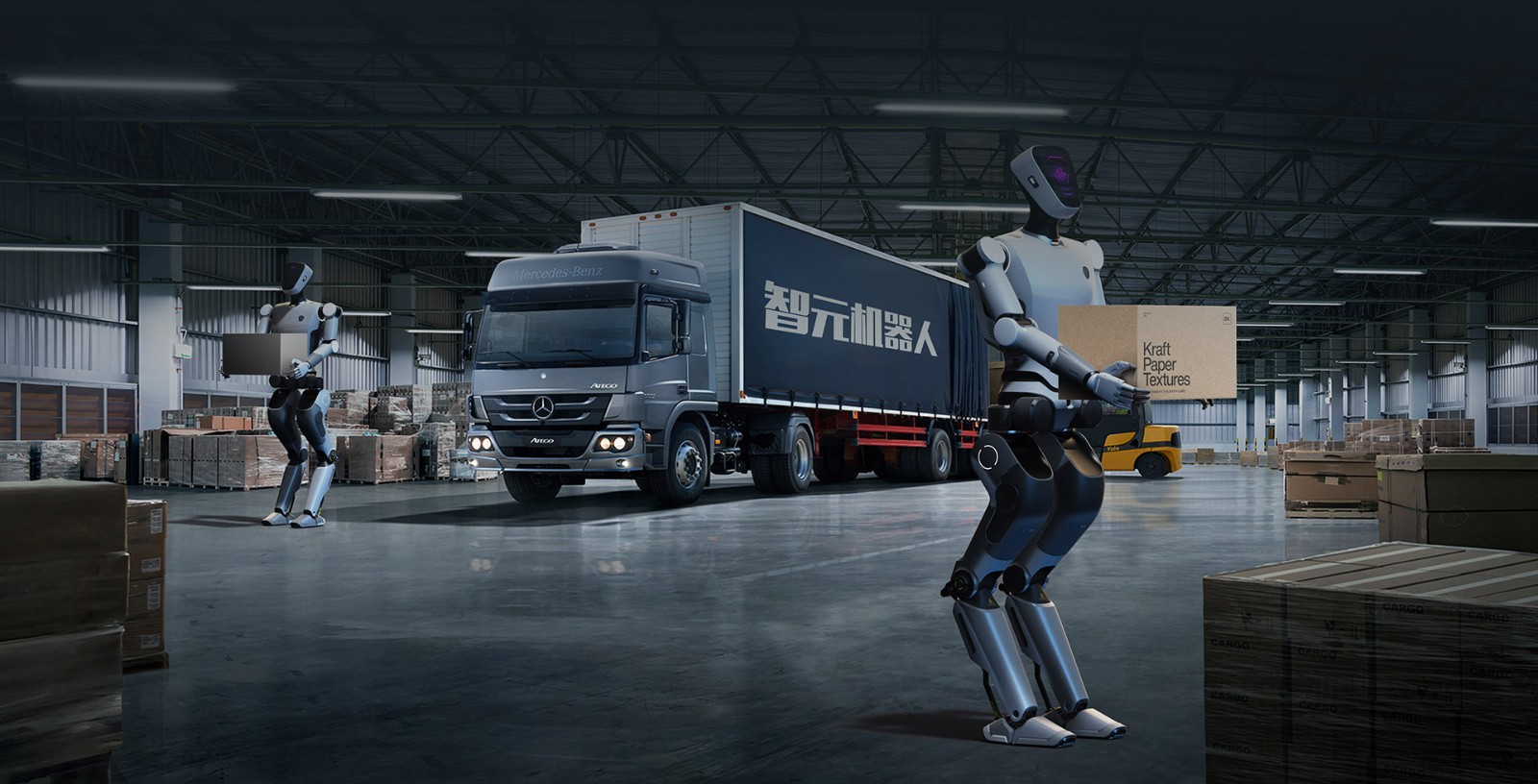
On a factory floor, the X2 could transport components weighing up to 3 kg, scan inventory with its RGB‑D cameras, or assist with simple assembly. The swappable battery ensures continuous uptime, and the 1.2 m/s walking speed allows efficient movement between stations. Yet, the lack of IP rating and the low payload limit its use to clean, light‑duty environments.

History & Background

AgiBot Innovation was founded in 2023 in Shanghai, China, with a mission to build general‑purpose humanoid robots. The Lingxi X2 was unveiled in August 2024 as the successor to the original X1. The base X2 offered 25 body DOF and advanced compute, while the X2 Ultra added more arm dexterity (7-DOF arms), a 3D LiDAR, and an interactive RGB‑D camera. Early demos highlighted whole‑body motion control and dexterous hands. By 2026, the robot remained in development, with units shipped to select research partners but no wide commercial release. The foundation model GO‑1, announced alongside, supports multimodal interaction. AgiBot’s other humanoids (A2 series) extend the portfolio to tall‑height service robots, indicating a rapid product‑expansion strategy.

Buying Used — What to Check

Firmware version Early‑batch X2 units may require critical software updates for stable locomotion.

Battery health The swappable 500 Wh pack degrades over cycles; verify runtime meets the 2‑hour spec.

Hand calibration 12‑DOF hands are complex; misaligned fingers can affect grasping accuracy.
Korduma kippuvad küsimused

Official pricing has not been announced. Unofficial estimates suggest around $34,000, but you must contact AgiBot directly for a quotation.
It can walk at up to 7.2 km/h, manipulate objects up to 3 kg with 12‑DOF hands, navigate using RGB‑D cameras and LiDAR, and interact via a microphone and speaker. It is primarily a research platform for whole‑body control and AI‑driven tasks.
As of 2026, the robot is in development. Limited units have been supplied to research partners, but there is no online store or general availability. Check AgiBot’s official site for pre‑order opportunities.
The H1 costs $90,000 with higher torque actuators and is commercially available today. The X2 (estimated $34,000) is lighter and more affordable but still a pre‑commercial platform with lower payload.
Height 131 cm, weight 35 kg, 44 DOF (including hands), 3 kg arm payload, 2‑hour battery life at 0.5 m/s walk, and a top speed of 7.2 km/h in lab conditions.
AgiBot Innovation (Shanghai) Technology Co., Ltd., founded in 2023 in Shanghai, China, designs and manufactures the robot.
Approximately 2 hours of continuous operation at a walking speed of 0.5 m/s with the 500 Wh swappable battery.
Primary targets are university research labs, service robotics, and light industrial pilots. Deployments in reception, light assembly, and navigation tasks have been demonstrated.

AgiBot X2 Ultra in 3D

Loading the 3D model…
Drag to rotate · click the model, then scroll or pinch to zoom · click a part to inspectSwipe sideways to turn · pinch to zoom · tap a part to inspect3D model credit and licence

AgiBot X2 Ultra supply chain

Point at or select a step to light up its chain: bright lines are its direct links, softer lines the rest of the path from raw material to robot.

Swipe sideways to follow the whole chain.

ExtractionRefiningMaterialsComponentsModulesRobotsCompaniesAgiBot designs the X2's core joint modules itself (IT之家; the PowerFlow modules named at the launch).Lithium compounds (carbonate, chloride, hydroxide) are produced from mined lithium.Lithium is produced from brine and mineral operations.Mined copper is smelted and refined.Primary aluminium from smelters.Bauxite is refined to alumina for aluminium.6061 aluminium contains 0.8–1.2% magnesium.6061 aluminium contains 0.40–0.8% silicon.A lithium-ion cell has a cathode (positive electrode), typically a metal oxide or phosphate. IEA tracks the 2025 mix of LFP and nickel-based cathodes in electric-car batteries.Camera units are built around image sensors (CMOS image sensors from makers such as Sony and OmniVision).Silicon metal is made from silica in natural forms such as quartzite (USGS).Chips are made on wafers: thin slices of semiconductor such as crystalline silicon (Wikipedia). Silicon metal can be refined further into ultra-high-purity semiconductor-grade silicon, called polysilicon (USGS).Silicon metal can be refined further into ultra-high-purity semiconductor-grade silicon, called polysilicon (USGS). Chips are made on wafers: thin slices of crystalline silicon (Wikipedia).Magnesium is recovered from dolomite, serpentine, magnesium-bearing evaporite minerals and brines (USGS).In wire-bond packaging, fine gold or copper wire connects each die to its leadframe or substrate. ASE is gradually replacing gold wire with copper to cut material cost, though gold wire is still one of its main materials.Primary gallium is recovered mainly as a byproduct of processing bauxite (USGS).Gallium arsenide wafers are used to make optoelectronic devices, including laser diodes and photodetectors (USGS).Ouster's lidars fire light from VCSEL (vertical-cavity surface-emitting laser) arrays; Hesai says its LiDAR products depend on lasers.Ouster's lidars detect the returning light on a CMOS sensor chip with single-photon avalanche diode (SPAD) detectors; Hesai calls semiconductor chips a key component.Sony makes its CMOS image sensors in its own production facilities in Japan (Nagasaki, Kumamoto). SIA/BCG count optoelectronics and sensors in one fab group with discrete and analog chips (DAO), apart from logic.Bosch makes its MEMS sensors in its own fabs in Reutlingen and Dresden; a MEMS sensor is a MEMS element plus an evaluation chip (ASIC).A MEMS sensor is packed in a semiconductor housing, such as an LGA package (Bosch).Mined cobalt is refined further into chemicals or metal (Cobalt Institute). In 2025 DR Congo's export restrictions left refiners short of cobalt hydroxide feed and forced some to limit production, though world refined output still rose 5% to 240 kt (Cobalt Institute).Cobalt sulphate, the largest refined cobalt product, is typically used in NCM (NMC) batteries, and cobalt tetroxide often in LCO batteries (Cobalt Institute). Cobalt-free substitutes that use iron and phosphorus (LFP) held a significant market share in China (USGS).Mined nickel ore and concentrate go to smelters and refineries. In Indonesia, laterite ore is processed into nickel pig iron and ferronickel for stainless steel, or into battery intermediates such as mixed hydroxide precipitate (IEA); the US Eagle Mine's concentrate is exported to smelters (USGS).Battery cathodes need nickel sulphate, made from Class I nickel metal or from intermediates such as mixed hydroxide precipitate and nickel matte (IEA). LFP (lithium iron phosphate) cathodes contain no nickel.Lithium-ion cathodes are lithium compounds, generally a layered oxide (such as lithium cobalt oxide), a phosphate (lithium iron phosphate) or a spinel (lithium manganese oxide). Batteries took an estimated 88% of world lithium in 2025 (USGS).Natural graphite flakes must be made into spherical particles, purified to over 99.95% carbon and coated before they can be used in lithium-ion battery anodes (IEA). Natural graphite is now a small part of anode supply: under 8% of China's 2025 anode shipments (GGII), and about 14% worldwide in 2022 (Rystad).Synthetic graphite is made by calcining and graphitising petroleum coke or needle coke at nearly 3,000 °C (IEA). It was 92.7% of China's 2025 anode shipments (GGII).The negative electrode (anode) of a conventional lithium-ion cell is typically graphite. IEA's 2025 data on electric-car battery anodes show only graphite and silicon-doped graphite.Magnesium alloys are magnesium mixed with other metals; in the US, 69% of primary magnesium went into castings in 2025 (USGS).The most-used magnesium alloys contain 3–13% aluminium (Wikipedia).89.8% of the world's plastics in 2024 were made from fossil feedstock (Plastics Europe).Solder is the largest use of tin, 51% of world tin use in 2023 (International Tin Association; in the US solder took 11%, USGS). The common lead-free alloy SAC305 is 96.5% tin (AIM).Tin-lead solder is nearly half lead (PubChem), but the electronics industry has moved toward lead-free solders (USGS): 92% of solder for electronics was lead-free in 2023 (ITA).The lead-free alloy SAC305 contains 3% silver (AIM). In the US, brazing and solder took 3% of silver (USGS).The lead-free alloy SAC305 contains 0.5% copper (AIM).FR-4 laminate is woven fibreglass cloth with an epoxy binder (Wikipedia), and fibreglass is made from silica sand (Covia).A thin layer of copper foil is laminated to one or both sides of an FR-4 panel; these are called copper-clad laminates (Wikipedia; ChinaBaogao).FR-4 epoxy resin systems typically use bromine to resist fire (Wikipedia); a grade of the brominated flame retardant TBBPA is used to make epoxy resins for circuit boards (Wikipedia). Brominated flame retardants are one of bromine's two leading uses (USGS).Barite is used to make barium carbonate, which goes into dielectrics (Wikipedia). Barium titanate, the dielectric ceramic used in capacitors, can be made by heating barium carbonate with titanium dioxide (Wikipedia).Barium titanate, the ceramic in high-capacitance MLCCs, can be made by heating barium carbonate with titanium dioxide (Wikipedia); titanium dioxide comes from ilmenite and rutile (USGS).99% of MLCCs made worldwide use base-metal electrodes of nickel or copper; the industry moved from palladium and silver to cut cost (NASA, 2015). TDK replaced palladium electrodes with nickel in 1993 (Wikipedia).Platinum-group metals are used in multilayer ceramic capacitors (USGS). High-reliability MLCCs use palladium-silver electrodes (NASA, 2015).High-reliability MLCCs use precious-metal electrodes of palladium and silver (NASA, 2015).Indium tin oxide (ITO), which takes most of the world's indium, is the conductive coating in flat-panel displays, most commonly LCDs (USGS).Connector contacts are copper alloys: beryllium copper is called the best copper alloy for contacts, connectors and cables (Wikipedia), and phosphor bronze (copper-tin-phosphorus) can replace it (USGS).Copper-clad laminate is the core material of circuit boards (ChinaBaogao); FR-4 is a common material for printed circuit boards (Wikipedia).Parts are soldered onto bare boards: Adafruit's BNO055 board is a "breakout PCB", and the Raspberry Pi Zero 2 W brief warns against damage to the printed circuit board.SAC305 lead-free solder is made for soldering printed circuits, by wave, hand and SMT reflow soldering (Conro; AIM).MLCCs store and release charge and absorb noise in phones, home appliances and IoT devices (Murata). The Raspberry Pi's RP3A0 package includes the decoupling capacitors that smooth its supply voltage (Raspberry Pi).Boards carry connectors: the Raspberry Pi Zero 2 W brief speaks of the board and its connectors, and Waveshare's servo adapter has a USB-C connector and a power connector.NVIDIA's Jetson Thor modules are 100 × 87 mm and plug in through a 699-pin board-to-board (B2B) connector (NVIDIA).Rockchip states an 8 nm process for the RK3588 (it designs the chip and does not name its foundry), and the teardown gives 8 nm for the RK3588S; SIA/BCG count logic under 10 nm as the most advanced class.Brass is copper and zinc: CW614N free-cutting brass is about 39% zinc. In the US, brass and bronze are the second use of zinc after galvanized steel.Brass is mostly copper: 57–59% in CW614N free-cutting brass.Free-cutting brass such as CW614N holds 2.5–3.5% lead so it machines cleanly; lead-free brasses exist.XT30 battery plugs (G1 harness, Open Duck Mini) have gold-plated brass contacts.Antimony is used in circuit boards to cut flammability further. A review lists two studies of scrap PC boards, parts and solder still on, with 0.45% and 1.97% antimony, so the share in the laminate alone is not known.The RK3588 is made on an 8 nm process (Rockchip).MEMS microphones are silicon chips: the diaphragm is etched into a silicon wafer (Wikipedia). Pollen's HAT uses a MEMS microphone.Aluminium alloy is one of the X2's body materials (AgiBot's product data on a German reseller's listing).Magnesium alloy is one of the X2's body materials (AgiBot's product data on a German reseller's listing).High-strength engineering plastic is one of the X2's body materials (AgiBot's product data on a German reseller's listing).PU foam is one of the X2's body materials, and AgiBot calls its shell a soft, skin-friendly material; at the launch the team said it had tried TPU, ETPU and EVA foams.The X2's pack holds lithium-ion cells: a 48 V, 10 Ah 'ternary' (nickel-manganese-cobalt type) lithium-ion battery in a reseller's listing of the X2 EDU.An RK3588 runs the X2's motion control (AgiBot's brochure; 'RK3588 ×2' on the product page).An RK3588S runs the X2's interaction (AgiBot's brochure).The X2 Ultra adds an NVIDIA Jetson Orin NX 16 GB (157 TOPS) for development (AgiBot).The computers are circuit boards with their chips soldered on (AgiBot lists them as compute boards).ASML's EUV machines print the most critical layers of the most advanced chips. DUV machines, which ASML also makes, print most of the layers in microchips (ASML annual report 2025).ASML's DUV machines, 'the workhorses of the industry', print the majority of layers in chips, older-generation chips included (ASML annual report 2025).The X2's frame, covers and soft shells (AgiBot's product data; product page).The X2's 31 joints (AgiBot's model); AgiBot designs its core joint modules itself (IT之家).One swappable battery of about 500 Wh in the back (AgiBot).Two Rockchip computer boards, plus an NVIDIA Orin NX on the X2 Ultra (AgiBot's brochure and product page).Four cameras on the X2 Ultra: an interactive RGB camera and a stereo RGB camera at the top of the face, an RGB-D camera under the face screen and a rear RGB camera (AgiBot; its 3D model).A multi-line 3D LiDAR in the chest of the X2 Ultra (AgiBot's product pages; its 3D model).Probably two IMUs, in the pelvis and the torso (AgiBot's 3D model has a part for each); a reseller's spec lists one 6-axis IMU.A microphone array on top of the head and a wireless microphone (AgiBot).Stereo speakers in the round 'ears', left and right (AgiBot).An expression screen for a face, with over 30 animated expressions (AgiBot).A touch sensor on top of the head: touched, the robot nods or shakes its head (AgiBot).AgiBot's own control and power boards: the 'cerebellum' controller Xyber-Edge, the domain controller Xyber-DCU and the power-management system Xyber-BMS (launch coverage; IT之家).AgiBot labels the X2's hip a hollow-shaft joint with its cables run through it ('中空走线关节'); the harnesses and connectors are not described.AgiBot (AGIBOT Innovation (Shanghai) Technology Co., Ltd.) makes this robot.Quartz and silica sandQuartz and silica sandMagnesium ores and brinesMagnesium ores and brinesOil, gas and coal(plastics feedstock)Oil, gas and coal (plastics feedstock)Gallium recovery (aluminabyproduct)Gallium recovery (alumina byproduct)Lithography machines (chipprinting)Lithography machines (chip printing)Mature-node chipfabrication (28 nm and…Mature-node chip fabrication (28 nm and older; analog and sensor chips)Laser diodes (VCSEL andedge-emitting)Laser diodes (VCSEL and edge-emitting)Aluminium alloysAluminium alloysBattery-grade lithiumcompoundsBattery-grade lithium compoundsLithium chemicalconversionLithium chemical conversionCopper smelting andrefiningCopper smelting and refiningAlumina refining andaluminium smeltingAlumina refining and aluminium smeltingLithium miningLithium miningCopper miningCopper miningBauxite miningBauxite miningMagnesium smeltingMagnesium smeltingSilicon metal smeltingSilicon metal smeltingLeading-edge chipfabrication (under 10 nm)Leading-edge chip fabrication (under 10 nm)Chip packaging and test(OSAT)Chip packaging and test (OSAT)Image sensorsImage sensorsIMUs (motion sensors)IMUs (motion sensors)Tactile sensorsTactile sensorsLithium-ion cellsLithium-ion cellsAI compute modulesAI compute modulesCameras and depth camerasCameras and depth camerasLiDARLiDARAgiBotAgiBotCobalt miningCobalt miningCobalt refining (chemicalsand metal)Cobalt refining (chemicals and metal)Nickel miningNickel miningNickel smelting andrefiningNickel smelting and refiningNatural graphite miningNatural graphite miningBattery anode graphite(spherical natural and…Battery anode graphite (spherical natural and synthetic)Cathode active material(NMC, NCA, LCO, LFP)Cathode active material (NMC, NCA, LCO, LFP)Magnesium alloys (castparts)Magnesium alloys (cast parts)Titanium minerals(ilmenite and rutile)Titanium minerals (ilmenite and rutile)Engineering plastics (ABS,PC, nylon, PEEK)Engineering plastics (ABS, PC, nylon, PEEK)Soft covers (textiles,foams, soft polymer skins)Soft covers (textiles, foams, soft polymer skins)Tin miningTin miningLead miningLead miningSilver miningSilver miningPalladium mining(platinum-group metals)Palladium mining (platinum-group metals)Antimony miningAntimony miningBromine (from brines)Bromine (from brines)Barite mining (barium)Barite mining (barium)Indium refining (zincby-product)Indium refining (zinc by-product)Solder (tin alloys:lead-free SAC and…Solder (tin alloys: lead-free SAC and tin-lead)Copper-clad laminate (FR-4glass-fibre epoxy board…Copper-clad laminate (FR-4 glass-fibre epoxy board material)Printed circuit boards(bare boards)Printed circuit boards (bare boards)Multilayer ceramiccapacitors (MLCC)Multilayer ceramic capacitors (MLCC)Connectors and wiringharnessesConnectors and wiring harnessesDisplays (LCD and OLEDscreens)Displays (LCD and OLED screens)Electronics assembly(circuit boards with part…Electronics assembly (circuit boards with parts soldered on)Rockchip RK3588S SoCRockchip RK3588S SoCZinc miningZinc miningBrass (copper-zinc alloy)Brass (copper-zinc alloy)Rockchip RK3588 SoCRockchip RK3588 SoCMicrophonesMicrophonesSmall speakersSmall speakersAgiBot X2 UltraAgiBot X2 UltraStructure: AgiBot X2Structure: AgiBot X2AgiBot X2 joint modulesAgiBot X2 joint modulesAgiBot X2 battery pack(swappable, about 500 Wh)AgiBot X2 battery pack (swappable, about 500 Wh)AgiBot X2 computers(RK3588, RK3588S, Orin NX)AgiBot X2 computers (RK3588, RK3588S, Orin NX)

Fotod5

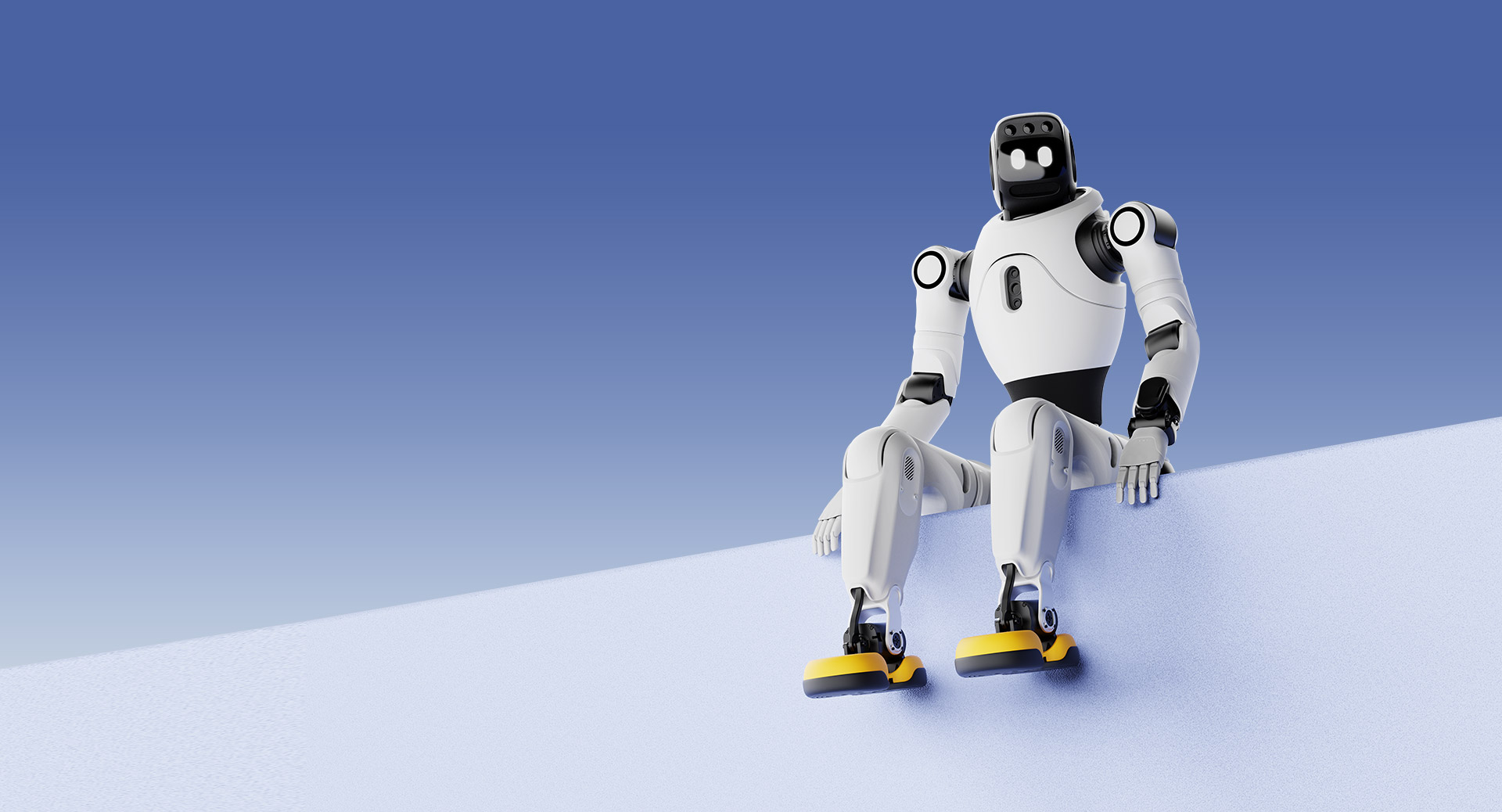
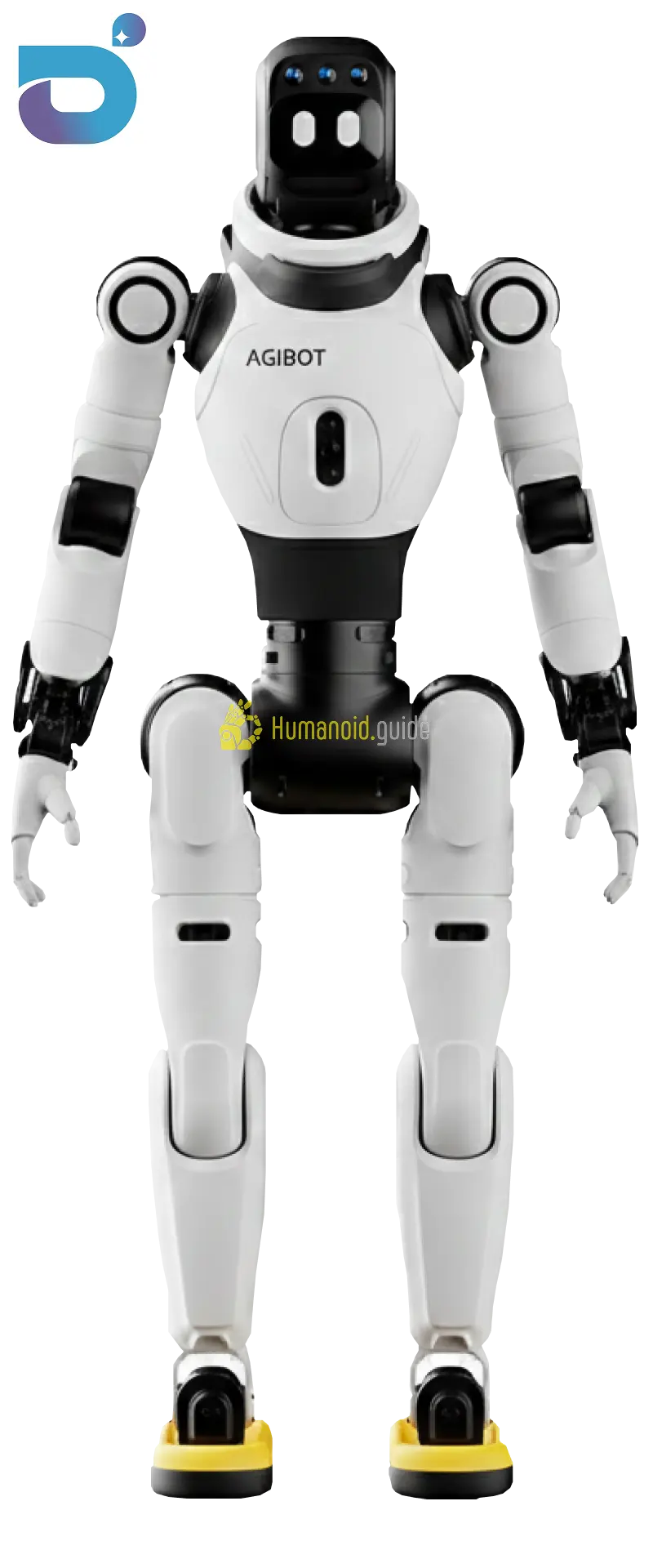
AgiBot X2 / Lingxi X2 photo 1
AgiBot X2 / Lingxi X2 photo 2
AgiBot X2 / Lingxi X2 photo 3
AgiBot X2 / Lingxi X2 photo 4
AgiBot X2 / Lingxi X2 photo 5