

Xiaomi has unveiled a new AI model that can generate realistic robot training environments from simple text descriptions. The 38-billion-parameter model, called Robotics-U0, lets robots practice tasks in computer-generated worlds before ever touching a real object — a capability that could slash the time and cost required to train humanoid and quadruped robots for real-world work.
- What Is Xiaomi Robotics-U0 and Why Does It Matter?
- How Does the Model Simplify the Robot Training Pipeline?
- Why This Matters for Humanoid and Quadruped Robots
- What This Means for Robot Buyers and Developers
- Frequently Asked Questions
- Conclusion
What Is Xiaomi Robotics-U0 and Why Does It Matter?
Xiaomi Robotics-U0 is a 38-billion-parameter multimodal foundation model for embodied AI — a giant AI brain that understands text, images, and video together, and is built specifically for robots that need to perceive and act in the physical world. According to TechNode's report, the model unifies four core capabilities within a single framework: generating 3D environments from text prompts, transferring existing robot movement patterns (trajectories) to new environments, producing realistic videos of robots performing tasks, and general image generation and editing.
What makes this significant is the bottleneck it attacks. Right now, training a robot to navigate a new factory floor or pick items from a cluttered shelf requires engineers to spend weeks manually building simulation environments, tuning physics parameters, and running thousands of real-world trials. Robotics-U0 could reduce that process to minutes: a developer types "warehouse aisle with boxes on left, shelves on right, dim lighting" and the model generates a fully interactive environment where the robot can practice.
Xiaomi claims the model can "generate robot-ready environments from text prompts, adapt existing robot trajectories to new scenes while preserving motion, produce robot interaction videos from task instructions, and leverage internet-scale visual knowledge for embodied AI applications." The "internet-scale" piece means the model already knows what a chair, a table, a staircase, and a box look like — it doesn't need to be taught object geometry from scratch.
How Does the Model Simplify the Robot Training Pipeline?
The traditional pipeline from code to real-world testing has four painful steps: engineer writes a simulation, manually populates it with objects, configures physics parameters, and then runs hundreds or thousands of trial-and-error iterations on real hardware. Each iteration costs time, robot wear, and facility overhead.
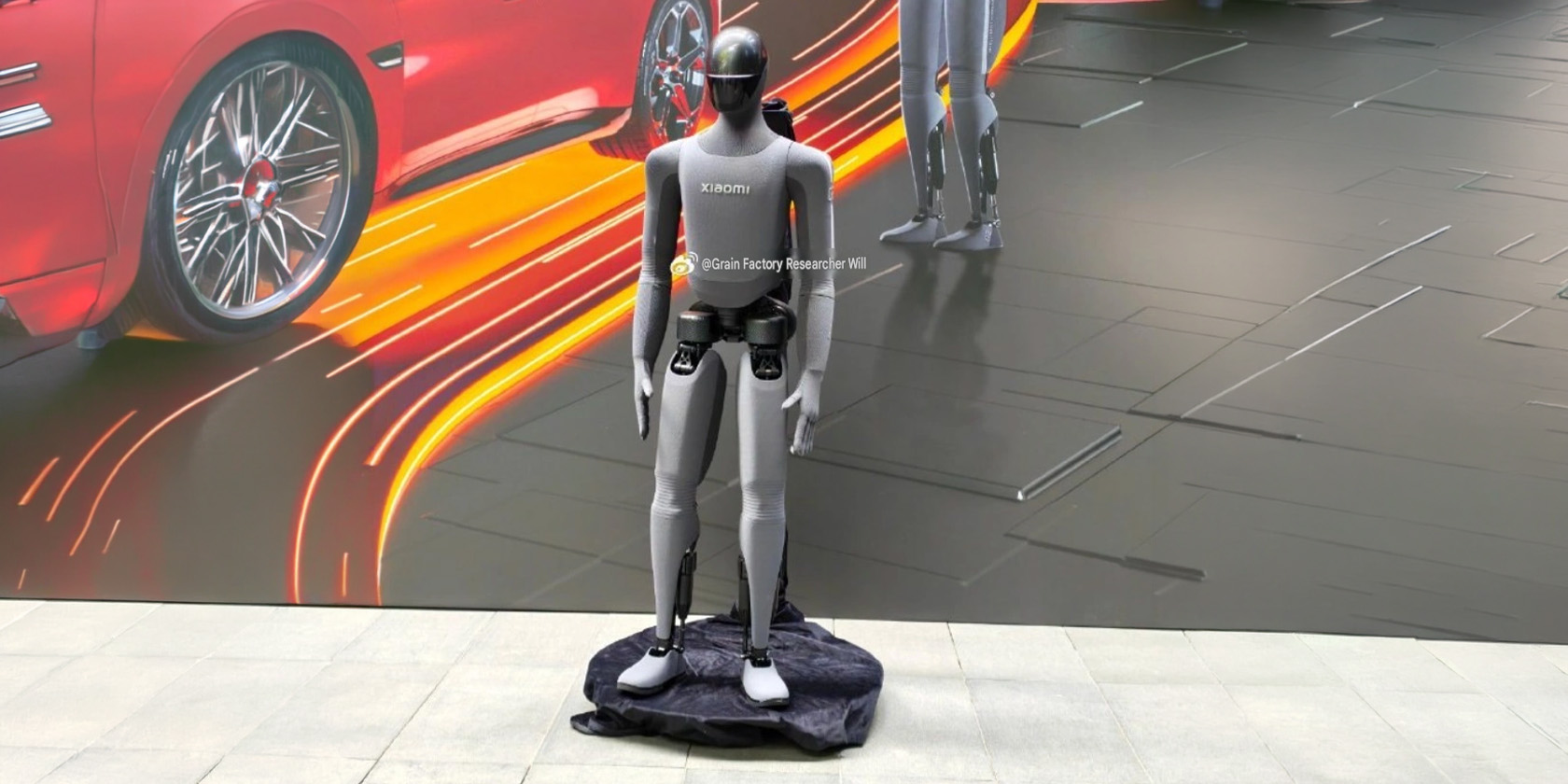
Robotics-U0 attacks each step directly. First, embodied scene generation lets a developer type a prompt like "kitchen counter with a mug on the left and a sink on the right" and receive a complete 3D environment with physics-ready objects. Second, embodied transfer takes a recorded robot trajectory (say, a pick-and-place motion from a lab) and automatically adapts it to the new kitchen environment — adjusting grip angles, arm heights, and approach paths without manual re-engineering.
Third, robot interaction video generation produces a realistic video simulation of the robot performing the task in the generated environment. The developer can watch the robot's movements before ever turning on the real hardware. This catches obvious failures early — a trajectory that would knock over a glass, for example. Fourth, the model's general-purpose image generation and editing capability lets developers modify environments on the fly: "add a second shelf," "change the box color to red," "move the chair 2 feet left."
Together, these capabilities turn what was a weeks-long feedback loop into a minutes-long one. A developer can iterate through dozens of environment and trajectory combinations in a single morning, then deploy the best-performing virtual solution to the real robot for final testing.
Why This Matters for Humanoid and Quadruped Robots
Humanoid and quadruped robots are notoriously hard to train because they operate in unstructured, chaotic environments — a factory floor one day, a hospital corridor the next. Every new environment demands new simulation assets and manual configuration. Robotics-U0's ability to generate diverse environments from text directly addresses this generalization problem.
For bipedal humanoids like the Tesla Optimus, Figure 02, or Unitree H1, the model can generate stairs of varying heights, cluttered rooms with obstacles at waist level, and uneven terrain — all from simple text commands. This enables faster development of locomotion controllers that adapt to real-world variability. For quadruped robots like the Unitree Go2 or Boston Dynamics Spot, the model can generate grassy fields, rocky trails, and indoor hallways with different floor surfaces.
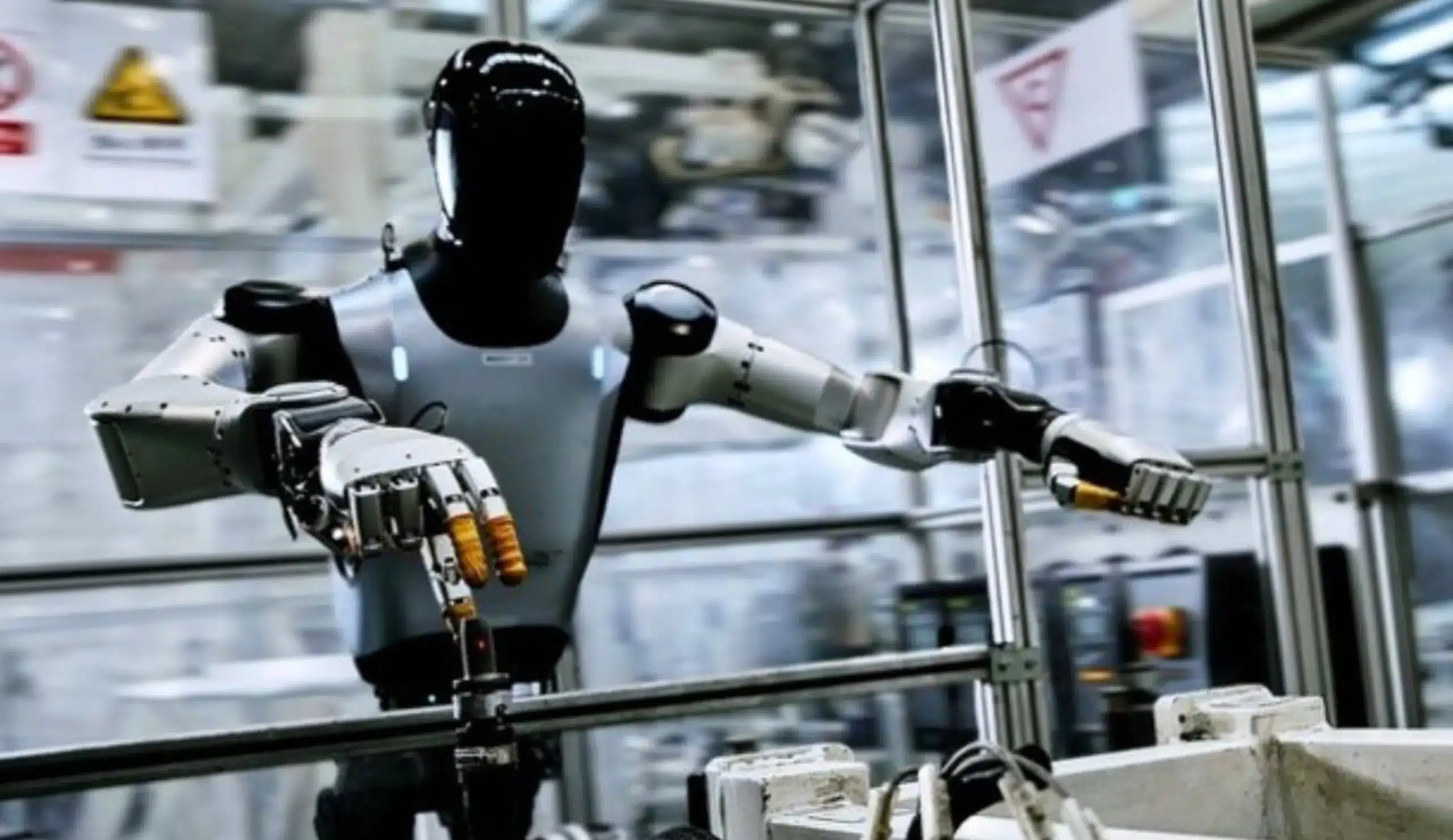
Consider the cost comparison. Today, creating a single high-fidelity simulation environment costs 2–14 days of engineer time and $2,000–$5,000 in labor, depending on complexity. With Robotics-U0, the time drops to under a minute and the cost to the compute needed for a single inference call — roughly $0.01 worth of GPU time. Even if the generated environments need human review, the savings are dramatic.
| Training Method | Time to Create Environment | Cost Per Environment | Realism |
|---|---|---|---|
| Manual 3D modeling | 1–2 weeks | $2,000–$5,000 | High |
| Real-world physical setup | 1 day per scenario | $500–$1,000 | Very High |
| Robotics-U0 text prompt | <1 minute | ~$0.01 | Medium–High |
The realism gap is real: AI-generated environments may lack certain physical details that matter for friction, lighting, or material properties. But for early-stage development and rapid iteration, the trade-off is attractive. Xiaomi hasn't released independent benchmarks yet, but the direction is clear: the cost of creating training environments is approaching zero.
What This Means for Robot Buyers and Developers
For developers building humanoid or quadruped robots, Robotics-U0 lowers the barrier to entry. Smaller teams that can't afford dedicated simulation engineers can now generate training environments from a laptop. This could accelerate the pace of innovation across the entire humanoid ecosystem — more startups, faster iteration, and ultimately more capable robots reaching production faster.
For buyers evaluating options at a marketplace like Robot Overflow's humanoid robots for sale, the implication is that robots trained using such approaches may offer better out-of-the-box performance in diverse environments. Instead of a robot that has only seen one factory layout, buyers could get a robot that has been virtually trained in dozens of scenarios — a warehouse, a hospital corridor, an office lobby — all generated from text prompts.
The same applies to quadruped robots for sale. Inspection and security quadrupeds that have been trained on AI-generated terrain variations will likely handle real-world obstacles more reliably than those trained only on curated simulation sets.
One caution: Robotics-U0 is a foundation model, not a ready-made training pipeline. Developers still need to integrate it into their simulation framework (likely ROS 2 or Gazebo), and the generated environments must be validated before training safety-critical behaviors. But the model marks a shift: the cost of generating training data for physical AI is dropping toward zero, and that changes the economics of robot development.
Conclusion
Xiaomi Robotics-U0 is not a robot itself — it's a tool that makes every robot smarter faster. By compressing weeks of manual environment building into seconds of AI generation, it addresses one of the most expensive bottlenecks in embodied AI development. For buyers and builders in the humanoid and quadruped space, this signals a future where the hardest part of robot training isn't setting up the simulation — it's deciding what to ask for.