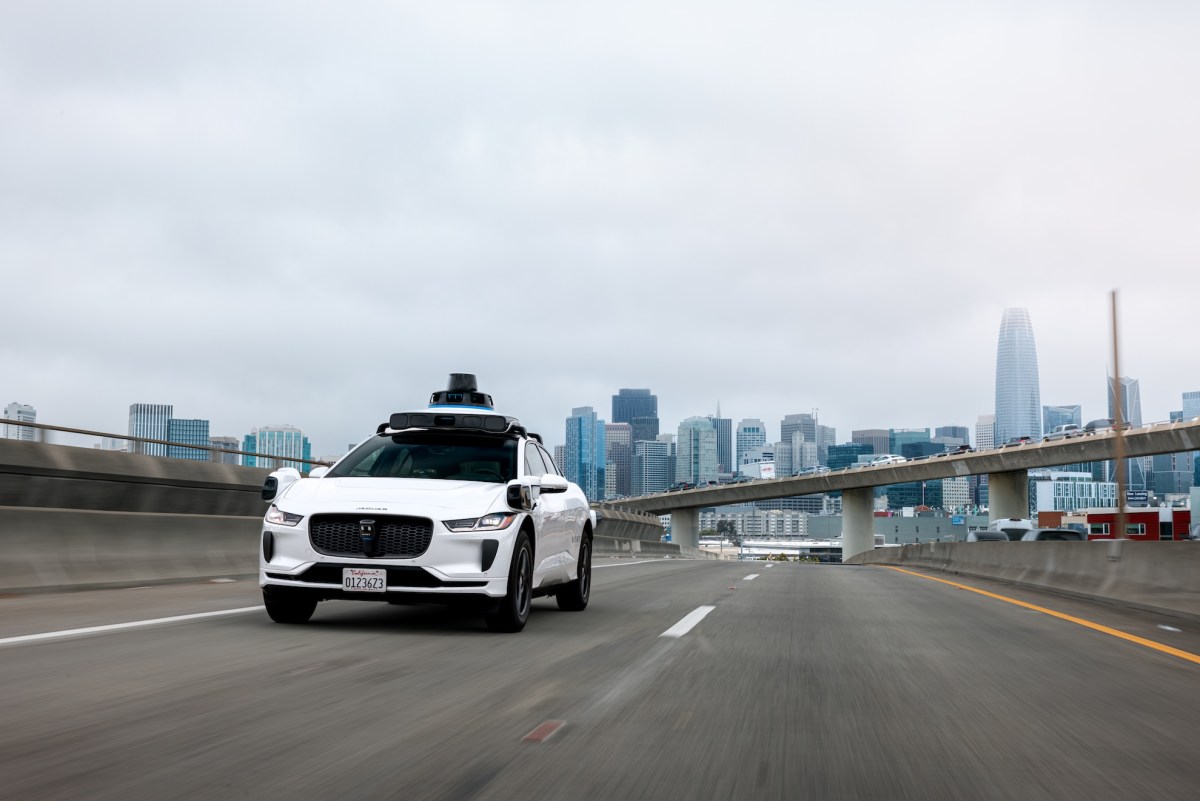

Waymo has suspended freeway operations across its markets after California’s DMV restricted the company’s California freeway operations, first reported by TechCrunch. The restriction blocks California freeway use until Waymo demonstrates effective corrective actions, while the company has also paused freeway operations elsewhere and says it is evaluating performance in those markets.
The DMV issued the restriction on November 11, but it was not made public until Tuesday. It acted after three Waymo autonomous vehicles entered an active construction closure on U.S. Route 101 near Burlingame and a separate incident involving California Highway Patrol vehicles on Highway 280 in San Francisco.
The DMV called Waymo’s driverless freeway operations an “imminent hazard to public safety,” citing recurring vehicle incursions into active construction zones where construction workers, vehicles and equipment were present. The department said the incursions continued despite a prior restriction and corrective actions following similar incidents on May 18, 2026.
The restrictions will remain until Waymo demonstrates effective corrective actions, the DMV said. Waymo spokesperson Dana Gallagher said the recent U.S. 101 construction-zone encounters involved no injuries or collisions. She also said Waymo had temporarily restricted freeway operations in its other markets while evaluating performance.
California’s order is state-specific, but Waymo’s temporary response extends to its other operating markets.
Waymo began offering freeway rides in late 2025, a commercial milestone central to its expansion in major metro areas. In the San Francisco Bay Area, freeway access shortened Peninsula trips that previously took 45 minutes or more than an hour and connected riders to airports and other destinations more efficiently.
Waymo had stopped operating on highways in May and resumed freeway rides in July after saying it had updated its self-driving software system to improve performance around freeway construction zones. Gallagher said the ride-hailing service continues on surface streets, serving over half a million trips each week.