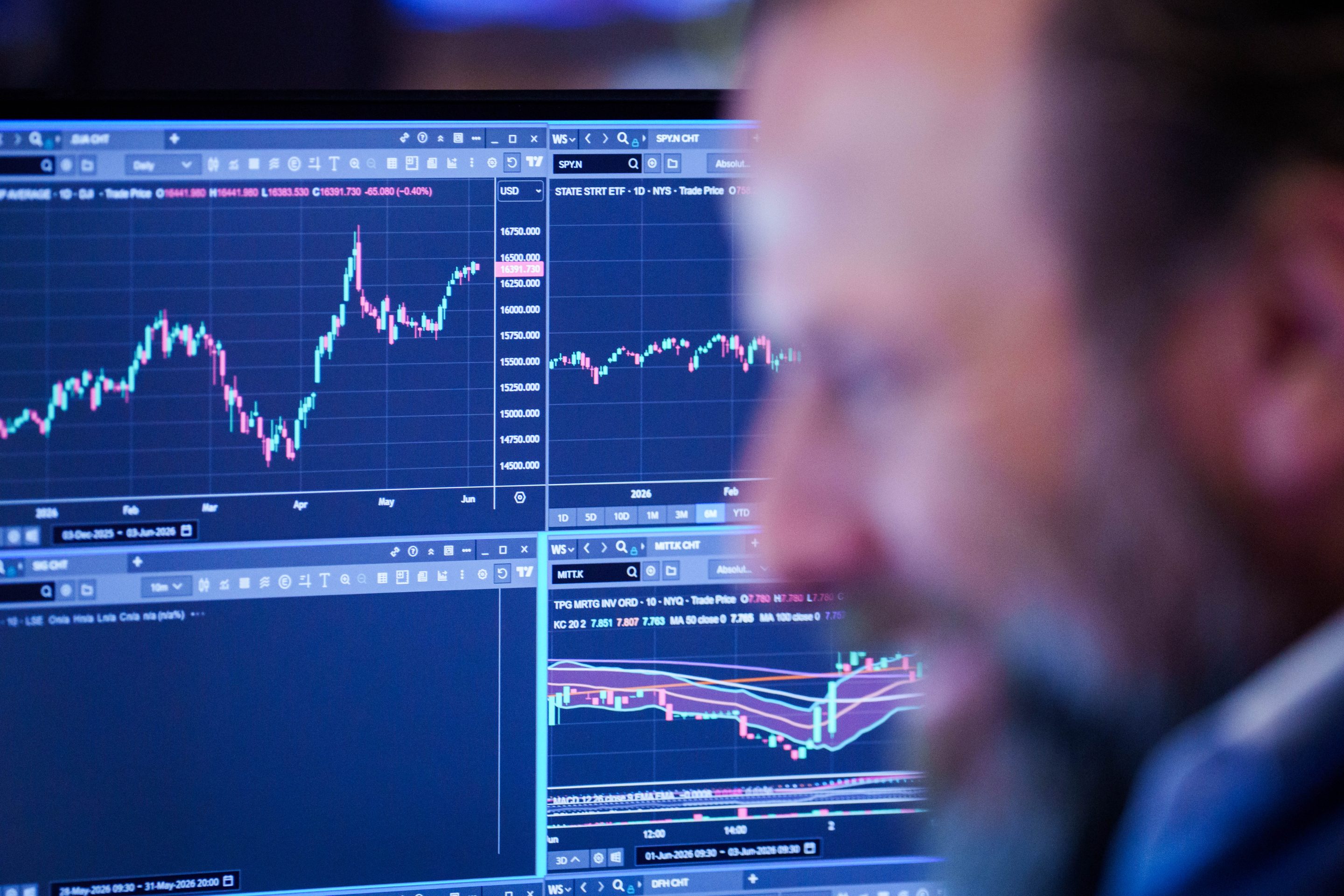

The Nasdaq Composite plunged more than 4% by midday Monday before clawing back to close down just 1%, in a chaotic session that saw traders flee high-flying chip and AI names. The sudden rotation sent money pouring into consumer staples like Smucker, Home Depot, and Sherwin-Williams, as the market recalibrated ahead of the largest IPO in history — SpaceX, set to debut on Friday.
- What Happened: A Midday Flash Crash in Tech
- Why the Rotation Into Peanut Butter and Paint?
- The Real Triggers: AI Fatigue, SpaceX, and Inflation Data
- What This Means for the Industry
- Frequently Asked Questions
- Conclusion
What Happened: A Midday Flash Crash in Tech
Around noon Eastern time, the selling hit the highest-beta names hard. Shares of Strategy (MSTR) — the leveraged Bitcoin vehicle that had rallied the day prior — cratered, alongside AppLovin (APP) and photonics maker Lumentum (LITE). But the heaviest damage was concentrated in semiconductors. Marvell Technology plunged 10% in a single day, only one day after surging 10% on news it would join the S&P 500. The broader chip index, which strategist Ben Emons dubbed the “Parabolic 7” after a near 100% run in weeks, was the epicenter of the rout.
Despite the severity, the sell-off wasn't a wholesale flight from equities. Treasuries barely moved. Instead, money rotated decisively — out of tech and into consumer staples, real estate, and utilities. By the close, the Nasdaq had recovered most of its losses, ending just 1% lower.
Why the Rotation Into Peanut Butter and Paint?
The rotation was both sudden and sector-specific. The J.M. Smucker Company jumped double digits. Home Depot and Sherwin-Williams also led the gainers. Real estate investment trusts, utilities, and consumer staples all finished in positive territory — the classic ballast against tech froth.
“You’re seeing money flow into consumer names that have been unwanted and unloved,” Richard Steinberg, senior global market strategist at Focus Partners Wealth, told the Wall Street Journal.
The move suggests investors are seeking safety in defensive sectors with predictable cash flows, rather than betting on the continued momentum of AI and semiconductor stocks.
The Real Triggers: AI Fatigue, SpaceX, and Inflation Data
No single catalyst was obvious, but several factors converged to create the perfect storm. First, the AI trade has shown signs of exhaustion. The chip index’s near-doubling in weeks had raised valuations to unsustainable levels, and Alphabet’s rare capital raise earlier this month was a warning shot.
More concretely, Wall Street is clearing space for a wave of mega-IPOs. SpaceX is expected to debut on Friday in what would be the largest initial public offering ever, with early reports of multiple $10 billion order books — already oversubscribed. Close behind are OpenAI and Anthropic, both of which have now filed confidential S-1 paperwork. Annex Wealth Management’s Brian Jacobsen called the tech run an “Icarus trade,” with SpaceX acting as the “shiny new toys” pulling capital away.
Complicating matters, inflation data is due Wednesday and Thursday. A strong May jobs report last week pushed expectations for interest rate cuts further out. Funds tend to de-risk ahead of inflation prints that could shift the Federal Reserve’s path, which may explain why some of the frothiest positions got trimmed now.
Founder ETFs’ Michael Monaghan described the selling as less about panicked exits and more about a sudden absence of buyers: “Buyers stepping back rather than a rush for the exits, dropping the price faster than the volume would suggest.”
What This Means for the Industry
The Monday rout — and its rapid reversal — has several implications for investors and the broader tech industry.
For AI and chip investors: The parabolic run in semiconductors was unsustainable. While the long-term thesis for AI compute remains intact, valuations have stretched beyond what fundamentals can support. Expect increased volatility as the market digests a cooling narrative around AI revenue timelines.
For IPO markets: The upcoming SpaceX listing, followed by OpenAI and Anthropic, represents a massive capital event. Institutional and retail money will need to be reallocated, potentially putting further pressure on existing tech high-fliers. If SpaceX trades strongly, it could create a halo effect; if it disappoints, it could trigger a broader reckoning in the AI trade.
For consumer staples: The rotation into names like Smucker, Home Depot, and Sherwin-Williams signals a shift in sentiment. If inflation data this week comes in hot, expect further moves into defensive sectors. If inflation cools, the tech rally could resume.
For the broader market: The sheer size of the tech and AI trade — estimated at nearly $1 trillion in net flows at the peak — means that even a modest rotation can cause outsized moves. The question now is whether Monday was a one-day shakeout or the beginning of a more persistent sector shift.
Conclusion
Monday’s wild session was a stark reminder of how quickly the AI trade can reverse when froth meets uncertainty. The rotation into consumer staples, the looming SpaceX IPO, and crucial inflation data this week have set the stage for a pivotal few days. Whether this is a one-day shakeout or the start of a broader sector shift will depend on whether the economy stays hot — or finally cools enough to justify the high valuations in tech.