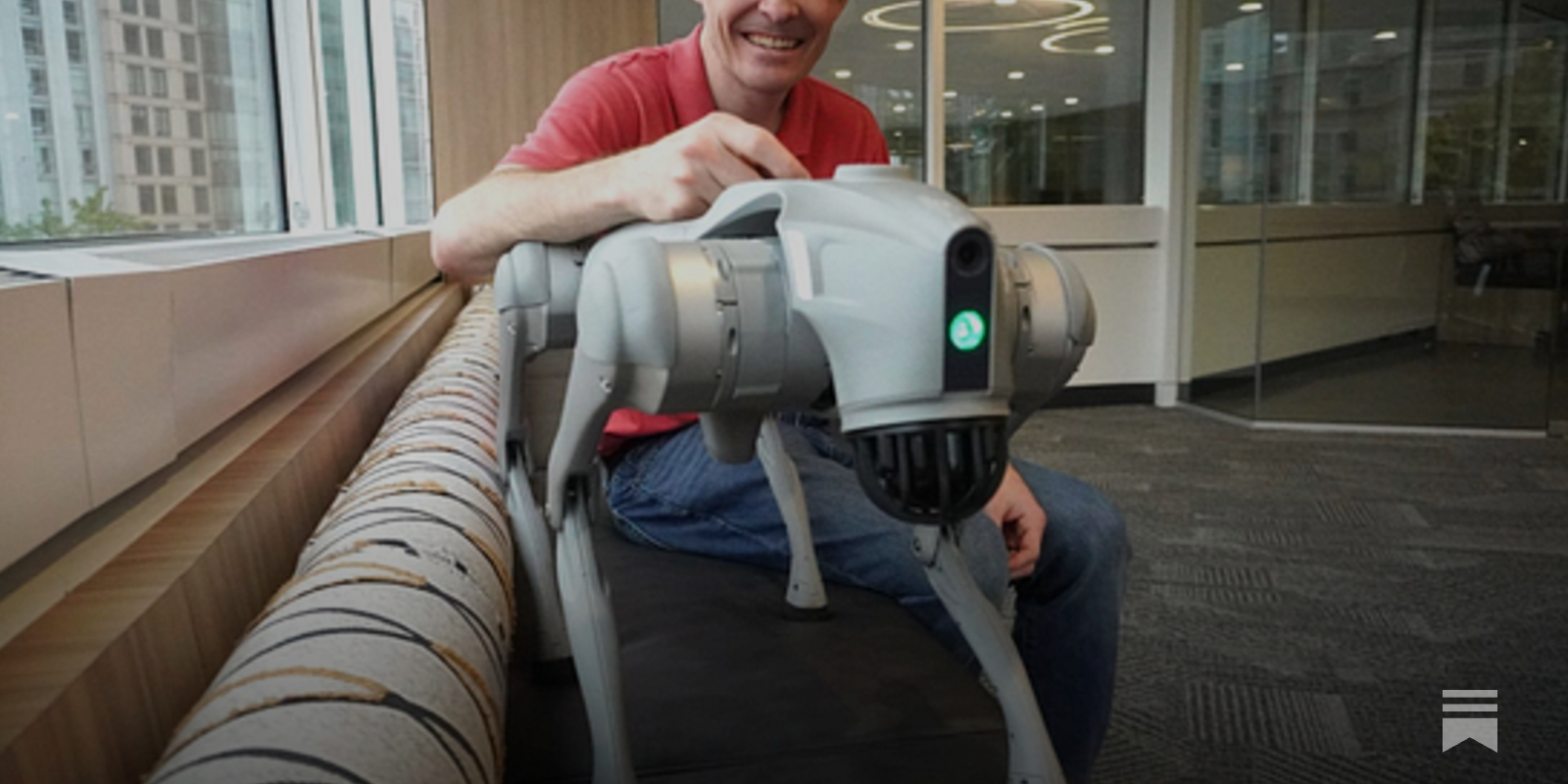

Unitree has turned low-cost quadruped robots into a cheaper route to humanoids, first reported by Understandingai. That pricing has made quadruped research accessible to more people and helped Unitree enter a humanoid market where its consumer G1 starts at $13,500, while the Go2 remains of limited use around the house.
A Go2 Pro cost $4,017 after tariffs and shipping. It walked two miles to work with battery capacity to spare, then struggled uphill in 87°F (30°C) weather and collapsed near home with 5 percent battery and an internal temperature of 84°C (183°F).
The cause was unclear: the robot may have run out of power or overheated. The machine has no arms or hands, while wheeled robots are faster and more energy-efficient for deliveries and flying drones suit many surveying and inspection jobs better.
In 2023, Unitree priced the Go2 Air at $1,600 and the Pro at $2,800. Boston Dynamics’ Spot started around $75,000, but it is larger and can carry heavier payloads, making the comparison imperfect. The price gap widened access to quadruped research even as the Go2’s lack of hands limited household use.
A Go2 Air teardown found 12 identical motors; reusing them reduces cost and part count. Unitree also uses large motors with a simple 6.33-to-1 gearbox, reducing costs and making its robots more nimble and easier to simulate.
Unitree carried the approach into humanoids, launching H1 in 2023 and G1 the following year. The consumer G1 starts at $13,500; filings connected to Unitree’s August stock offering show humanoid revenue rising from RMB 107 million ($16 million) in 2024 to RMB 867 million ($129 million) in 2025, with humanoids accounting for 51 percent of 2025 revenue.
In June, a bipartisan House group introduced a bill to restrict imports of Chinese robots. In July, the FCC imposed broad new regulations on foreign-made robots that are likely to impact Unitree, while Unitree or a Chinese rival could still dominate the global humanoid market even if Chinese companies are locked out of the United States.