A California judge deemed Tesla liable for fraud and negligent misrepresentation in a Solar Roof lawsuit, first reported by Electrek. After two monetary sanctions and a missed deadline, the court limited trial on those claims to compensatory and punitive damages; Tesla has asked to pause the case while it seeks appellate review.
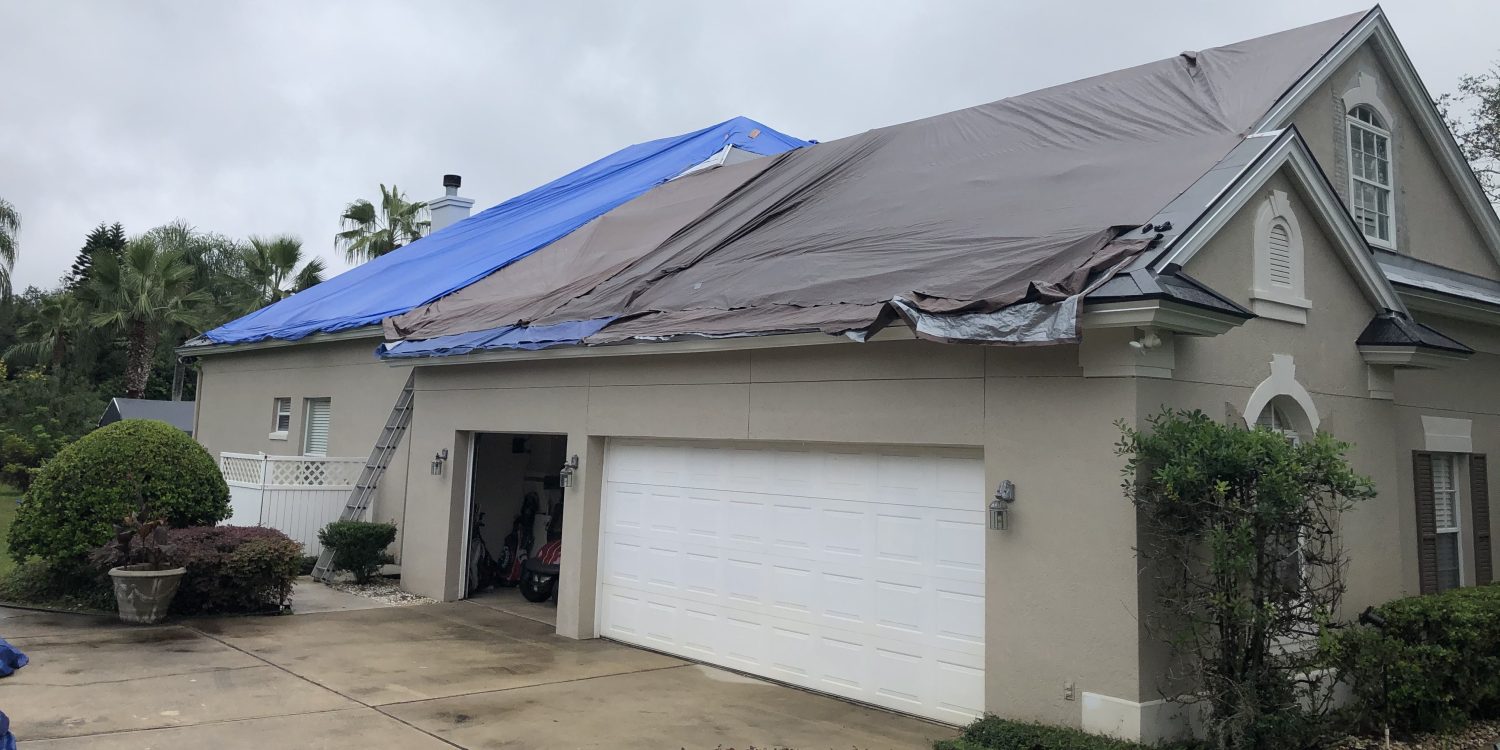
Conroy signed a March 2020 contract for an $82,210, 13.1 kW system in Rancho Santa Fe. By February 2021, two amendments had raised it to roughly $110,000 for an 18.2 kW roof and six Powerwalls; the roof was never finished, passed no county inspection and generated no electricity.
Tesla had admitted breach of contract, warranty violations and negligence, and stipulated to liability on three of five claims in an Oct. 20 joint report.
Judge Freeland ordered Tesla to pay $15,467.50 in February and $13,500 in June for discovery failures involving a privilege log and responsive documents. After another missed deadline, her Sept. 11 order deemed Tesla liable for fraud and negligent misrepresentation, leaving compensatory and punitive damages for trial.
Missing records included Teams messages, OSHA logs, emails with San Diego County inspectors and more than 20 quality, installation and safety reports from Tesla’s Bolt system. A Tesla corporate witness testified that Teams messages were retained indefinitely; the judge cited evidence of willfulness.
Freeland denied reconsideration on Oct. 27, saying late records could support Conroy’s theory that Tesla knowingly used his home as an experiment despite lacking experience to perform as promised. Conroy’s side describes Jan. 13, 2021 texts that way, but the texts themselves have not been seen.
Emails quoted in the complaint put the home in the 99.5 percentile for complexity. Model engineering director Bobby Yang said a successful job could show Tesla could handle any job; then-energy head RJ Johnson said the project would skew numbers but needed to be made right.
Conroy says repairs will cost well over $2.5 million; Tesla offered $5,000 to settle everything in April 2022.
Tesla’s Oct. 29 filing asked to freeze the case while it petitions the California Court of Appeal, arguing the sanction violated due process and amounted to a directed verdict on fraud. Tesla says discovery was unrelated to fraud and all relevant records had been produced, a position Freeland had already rejected.
The Nov. 20 trial date is off; a readiness conference is set for Dec. 4, and Conroy’s lawyers want a December trial.