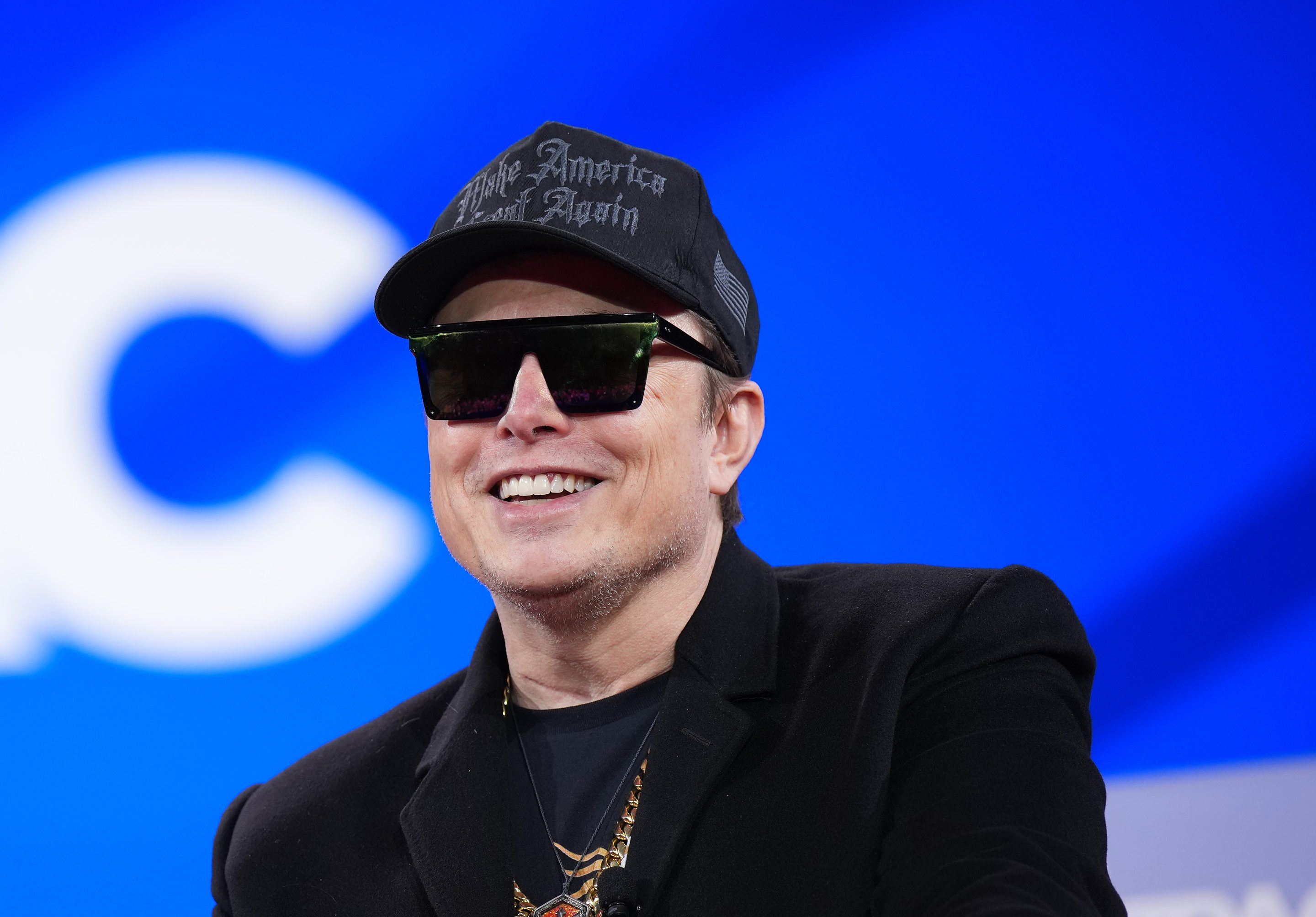

SpaceX, just three days into its public trading debut, has surpassed Amazon's market capitalization. The milestone raises immediate questions about whether the market is pricing in a future empire or a speculative bubble built on euphoric retail demand.
- The First Three Days
- A Revenue Gap and a Valuation Gap
- The Cursor Acquisition and the Musk Conglomerate
- Retail Frenzy Meets Options Mechanics
- What the Bulls and Bears Say
- What This Means for the Industry
The First Three Days
SpaceX’s stock, trading under the ticker SPCX, opened its IPO at $135 a share. By the end of the third trading day, the stock had surged roughly 62% , briefly lifting the company’s market value above both Amazon and even Microsoft on Tuesday morning. The jump gave Elon Musk a net worth of $1.27 trillion —more than triple that of Larry Page, the second-richest person on the planet. In a single day, Musk added an estimated $165 billion to his fortune, more money than Warren Buffett has accumulated over his entire investing career.
The initial public offering unlocked only a small slice of SpaceX shares—about 4% of the total float—while the bulk remains locked up for roughly another week until passive index funds must accumulate shares. According to Fortune, passive funds are expected to buy somewhere between $22 billion and $27 billion of SPCX to match its new index weight, but there are almost no shares available to sell them.
A Revenue Gap and a Valuation Gap
Financially, SpaceX’s market cap move appears divorced from its current business performance. Last year the company generated $18.7 billion in revenue and lost $4.9 billion . In the first quarter of this year alone, it posted an additional loss of $4.28 billion .
Compare that to Amazon, a 31-year-old company that took in $717 billion in revenue and delivered $77.7 billion in profit — net income alone larger than SpaceX’s entire top line. On any traditional earnings-based metric, the two companies occupy different leagues.
The discrepancy hasn’t deterred momentum traders. A buyer who purchased SPCX at the IPO price has seen a better return in three days than the S&P 500 generated over the entire three-year stretch of the AI rally.
The Cursor Acquisition and the Musk Conglomerate
Part of the narrative fueling the rally is the scale of Musk’s ambitions for a single entity that now contains reusable rockets, the Starlink satellite network, an artificial intelligence lab (xAI, merged into SpaceX in February), the social network X, and a newly acquired coding startup called Cursor.
The Cursor deal, which Musk reportedly paid more for than SpaceX has spent on rockets in its entire history , according to Ars Technica’s Eric Berger, adds a business generating $3 billion in annual revenue from “vibe coding” tools. Musk has claimed the combined company “might be able to reach approximately $1 trillion in revenue by 2030.”
That projection, even if loosely aspirational, gives the stock a story that traditional metrics cannot capture. “It’s about this fourth industrial revolution,” Wedbush analyst Dan Ives told CNBC.
Retail Frenzy Meets Options Mechanics
The price action bears the hallmarks of a meme-stock squeeze. Retail investors poured a net $225 million into SPCX in its first two days—an amount equivalent to roughly 75% of all net single-stock buying across the entire U.S. market over that span, according to Vanda Research.
Options trading, which began on Tuesday, saw approximately 600,000 contracts change hands in the opening hour. Traders, according to Bloomberg data, are spending millions on $250 calls , betting that a stock already up more than 60% from its IPO price will climb another 20%. The mechanics of dealer hedging force more buying: to hedge those sold call options, market makers must continue purchasing SPCX shares even as the order book remains thin.
“It’s a memestock,” said Jim Cramer, who also raised red flags during the 2021 GameStop frenzy. That episode ended with many late-arriving retail traders holding steep losses.
What the Bulls and Bears Say
The bull case leans on the “fourth industrial revolution” narrative and Musk’s track record of delivering on seemingly impossible timelines—eventually. The bear case is more straightforward.
CFRA Research initiated coverage with a sell rating and a $115 price target , implying a 29% decline from the first-day close. Former Tesla board member Steve Westly warned on CNBC that SpaceX’s own investors “will get pretty grumpy after three or four quarters” if Musk fails to hit the financial projections outlined in the company’s S-1 filing.
The stock’s valuation now demands either extraordinary revenue growth or a permanent shift in how markets price speculative assets with long-duration cash flows.
What This Means for the Industry
For investors, the SpaceX IPO and its subsequent surge represent a stress test of the current market’s appetite for narrative over fundamentals. The retail frenzy, options flows, and index-inclusion mechanics mirror patterns that preceded sharp corrections in other high-flying stocks.
For competitors in the space and AI sectors, the valuation gap creates both pressure and opportunity. Private rocket companies like Rocket Lab or Blue Origin may see increased investor interest, while public AI companies now compete with a freshly listed conglomerate that bundles a social network, a coding tool, and a frontier AI lab under one roof.
For the broader tech industry, the message is ambiguous. Retail capital is flowing into a single name at a concentration rarely seen outside meme rallies. If the stock holds its gains, it could encourage more unconventional company structures. If it corrects, it may chill the IPO market for other capital-intensive ventures.
Conclusion
SpaceX’s three-day march past Amazon in market cap is a story of supply mechanics, retail euphoria, and narrative investing meeting a genuinely revolutionary set of businesses. The stock’s trajectory from here will test whether the market can sustain a valuation built on promise rather than earnings. For now, the question of bubble or brilliance remains open.