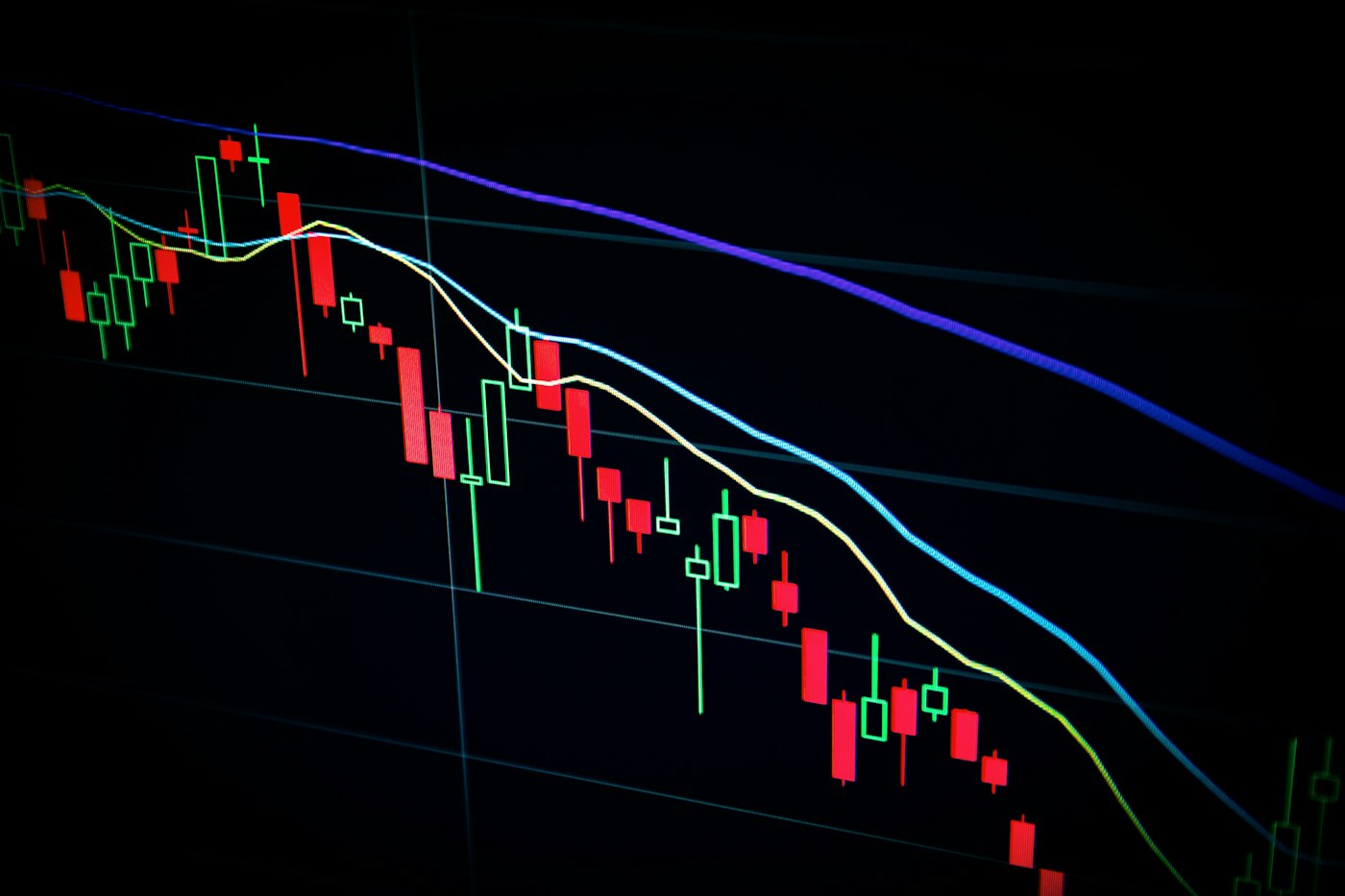
South Korea’s Kospi index has hit all-time highs, driven by explosive demand for AI chips that has pushed SK Hynix and Samsung Electronics past the $1 trillion valuation mark. The rally has catapulted South Korea past India to become the world’s sixth-largest stock market, but analysts warn the index’s heavy reliance on just two chipmakers makes it vulnerable to a boom-bust cycle.
- What Happened: Two Chipmakers Join the Trillion-Dollar Club
- Why It Matters: South Korea’s Market Leapfrogs Global Peers
- Market Implications: The Overconcentration Risk
- Competitive Context: AI Chip Demand Fuels a Regional Shift
- What’s Next: Can the Rally Sustain?
- What This Means for the Industry
- Frequently Asked Questions
- Conclusion
What Happened: Two Chipmakers Join the Trillion-Dollar Club
SK Hynix last week crossed the $1 trillion market capitalization threshold, joining Samsung Electronics and Taiwan’s TSMC in Asia’s elite trillion-dollar club. The milestone came as demand for high-bandwidth memory (HBM) chips — essential components for training large AI models — surged beyond expectations.
According to The Guardian, the three chipmakers now account for a disproportionately large share of the Kospi’s total value. Samsung alone represents roughly 30% of the index, while SK Hynix has become the second-largest component after its recent rally.
The Kospi has risen more than 20% year-to-date, outperforming major indices in the US, Europe, and the rest of Asia.
Why It Matters: South Korea’s Market Leapfrogs Global Peers
South Korea’s equity market now ranks sixth globally by total market capitalization, overtaking India, the UK, Germany, and France. The shift reflects a broader reordering of global capital markets, where countries with strong semiconductor supply chains are attracting outsized investment.
The rally has lifted the broader Korean economy, boosting the won and drawing foreign capital inflows at a pace not seen since the early 2010s. Local pension funds and retail investors have also piled into chip stocks, creating a self-reinforcing cycle of price appreciation.
Market Implications: The Overconcentration Risk
Despite the euphoria, analysts are cautioning that the Kospi’s rally is dangerously narrow. The top two companies — Samsung and SK Hynix — now account for more than 40% of the index’s total value. By comparison, Apple and Microsoft together account for only about 12% of the S&P 500.
“When two stocks drive a whole market, a single earnings miss or a sudden shift in chip demand can trigger a correction far deeper than the fundamentals might suggest,” said one Seoul-based fund manager quoted in the report.
History offers precedents: South Korea’s tech-heavy Kosdaq index crashed more than 70% during the dot-com bust, and the Kospi itself lost half its value during the 2008 financial crisis. The current concentration echoes the Japan of the late 1980s, when financial and real estate stocks dominated the Nikkei before its collapse.
Competitive Context: AI Chip Demand Fuels a Regional Shift
The trillion-dollar club now includes three Asian chipmakers — Samsung, SK Hynix, and TSMC — while US AI champions like Nvidia and AMD continue to lead in design. This geographic split underscores the global division of labor in AI hardware: US firms design chips, Asian foundries manufacture them, and Korean memory makers supply the high-bandwidth memory that ties it all together.
The fight for AI chip supremacy has also intensified geopolitical tensions. The US has pressed South Korea to restrict chip exports to China, while China is investing heavily in domestic memory production. Any escalation in trade controls could directly hit the revenues of Samsung and SK Hynix, both of which count Chinese buyers among their largest customers.
What’s Next: Can the Rally Sustain?
For now, the outlook remains bullish. Analysts project SK Hynix’s revenue could grow another 30% in the coming year as AI cloud providers expand data center capacity. Samsung’s foundry business is also expected to benefit from increased outsourcing by chip design firms.
But the same factors that fueled the boom could trigger a bust. If AI model spending slows — whether due to regulatory headwinds, a macroeconomic downturn, or simply diminishing returns from scaling — chip orders could collapse as quickly as they rose. The memory chip industry is historically cyclical, with prices swinging by 50% or more in a single year.
Some Korean policymakers are quietly exploring ways to diversify the Kospi by encouraging listings from biotech, battery, and software companies. But structural change takes years, and for now, the market’s fate rests overwhelmingly on two companies.
What This Means for the Industry
The South Korean rally offers lessons for investors and tech companies worldwide. The AI boom is creating enormous wealth in unexpected places — not just in Silicon Valley design houses but also in Asian manufacturing powerhouses that most consumers never see. The concentration risk, however, is real.
For investors: Betting on the Kospi means betting almost entirely on memory chip demand. Those looking for diversification should consider whether the AI cycle still has room to run, or whether the memory glut that typically follows a boom is just around the corner.
For competitors: Western chip designers like Nvidia are heavily dependent on Korean memory suppliers. Any disruption to SK Hynix or Samsung’s production could ripple through the entire AI supply chain, making supplier diversification an increasingly urgent priority.
For the broader tech industry: The South Korean case highlights how AI is reshaping global capital markets. Countries with semiconductor manufacturing capability are capturing disproportionate value, while those without risk being left behind. That may accelerate national-level investments in chip fabs across Europe, the US, and Japan.
Conclusion
South Korea’s stock market has become a global powerhouse thanks to an AI-driven chip boom that has minted two trillion-dollar companies. But the same forces that propelled the Kospi to record highs also make it unusually fragile. For now, the AI appetite for memory chips shows no sign of slowing, but history warns that booms built on narrow foundations rarely end quietly.