

Sony has quietly stopped selling its robotic pet dog Aibo in Japan, ending an eight-year run for one of the world's most famous consumer robots. The decision marks the likely death of an iconic product line that sold tens of thousands of units but struggled to turn emotional attachment into sustainable profit — raising hard questions about whether any home robot pet can ever be more than a niche curiosity.
- The sudden end of an eight-year run
- Why Sony couldn't make Aibo last forever
- What Aibo's death means for the companion robot market
- What this means for companion robot buyers
- Frequently Asked Questions
- Conclusion
The sudden end of an eight-year run
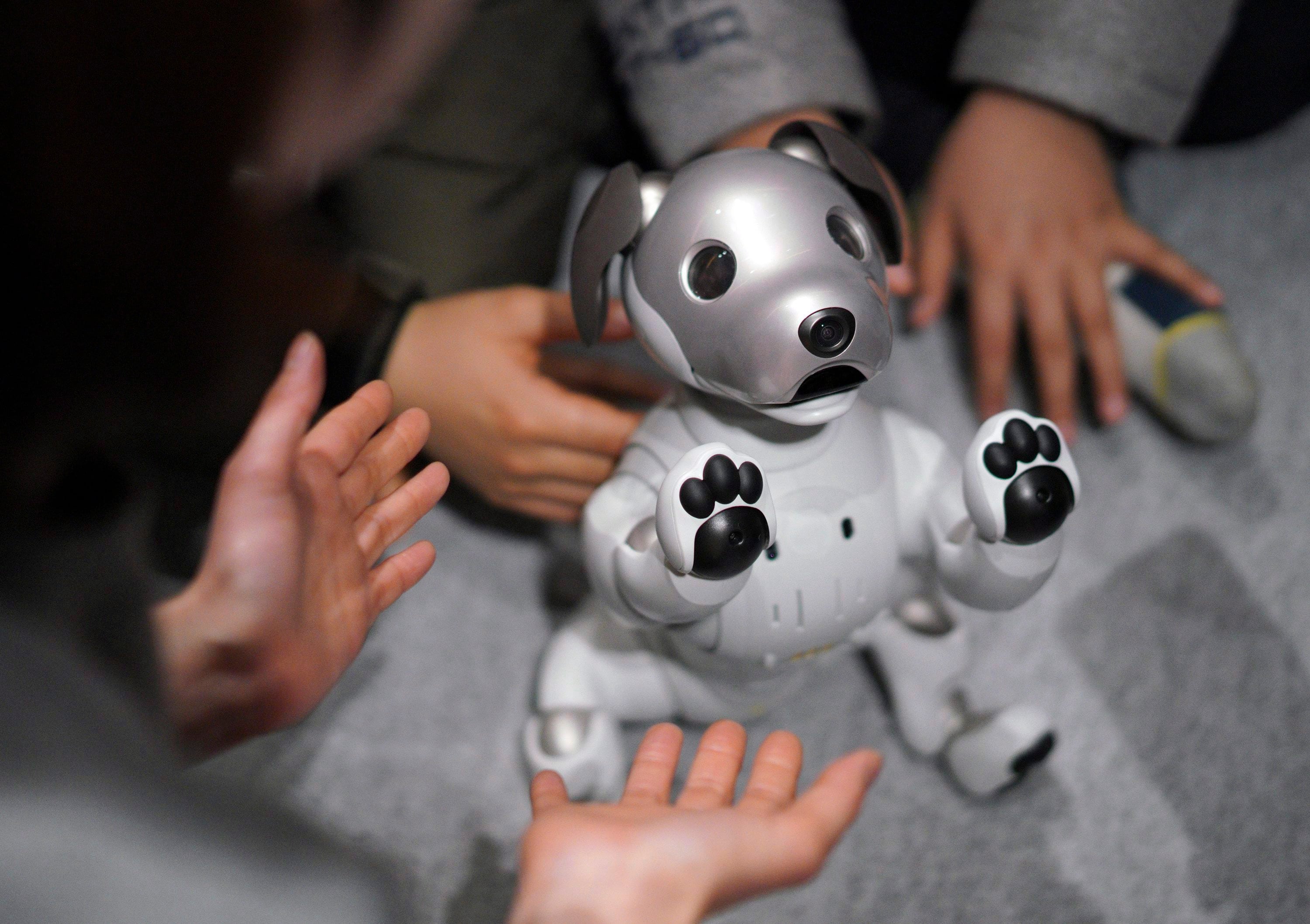
Sony confirmed to Japanese media that it has halted sales of the latest Aibo model, the ERS-1000, which launched in January 2018 and became an instant hit — selling out its first production batch in just 30 minutes. The company said it will continue providing cloud-based services and repairs for existing Aibo owners, but no new units will be produced or sold through Sony's official channels.
Aibo has always been more than a gadget. The original model, launched in 1999, created a cult following with owners who treated their metal mutts like family members. Sony even held funerals for broken units. The 2018 revival brought modern AI, internet connectivity, and a subscription service that allowed the dog to learn tricks, recognize faces, and develop a unique "personality" over time. At roughly $2,900 plus a monthly $26 cloud subscription, it was priced like a premium smartphone but delivered companionship — not utility.
The discontinuation appears to be part of a quiet retreat at Sony's robotics division. The company has already wound down other consumer robotics projects, including its Aibo-shaped home assistant robots and the humanoid QRIO line. According to TechXplore's reporting, Sony has not announced any new robot product to replace Aibo, suggesting the division is being restructured or shut down entirely.
Why Sony couldn't make Aibo last forever
Aibo's commercial challenges were baked into its design. The ERS-1000 cost Sony heavily in hardware — servo motors, cameras, touch sensors, and a custom AI chip — but it served a narrow customer base of tech enthusiasts and wealthy pet lovers. Industry analysts estimate Sony sold between 40,000 and 60,000 units of the 2018 model globally over its eight-year life, a tiny number next to the millions of robotic vacuum cleaners shipped annually.
The economics of a one-time hardware sale plus a small recurring subscription rarely work for high-end consumer robots. Unlike an iPhone, Aibo doesn't need annual upgrades; owners keep them for years. And unlike an industrial robot, the total addressable market is limited by cost and perceived value. Even with emotional attachment, a pet robot that costs $2,900 struggles to compete with a real dog that costs a fraction of that and offers genuine biological warmth.
| Robot pet | Price | Autonomy | Emotional features | Update support |
|---|---|---|---|---|
| Sony Aibo ERS-1000 | $2,900 + $26/mo | High — navigates rooms, plays with toys | Face recognition, personality development, voice commands | Cloud updates ended? |
| Tombot Golden Pup | $399 | Medium — responds to touch, makes noises | Realistic fur, simulated heartbeat, responsive to petting | No subscription |
| Joy for All cat (Hasbro) | $130 | Low — simple motion detection | Vibrates, meows, mimics sleeping | No updates possible |
| Lovot (Vanguard Industries) | $2,700 + $30/mo | High — follows, seeks attention | Eye contact, emotional expressions, hugging | Active cloud service |
The subscription model also proved fragile. Sony's "Aibo Basic Plan" cloud service cost roughly $300 per year and was required for the robot to develop personality and learn. If Sony eventually discontinues the cloud service — as it did with the original Aibo's network services in 2014 — every Aibo will essentially become a dumb animatronic. Owners who paid $2,900 for a sentient companion face the risk of owning a paperweight.
What Aibo's death means for the companion robot market
Aibo's exit leaves a gap at the high end of the companion robot market. The category has seen a wave of startups and established companies try to create robot pets for elderly care, therapy, and pure companionship. Tombot raised $12 million for its hyper-realistic Golden Retriever puppy that targets dementia patients. Vanguard Industries' Lovot has sold roughly 10,000 units in Japan at a similar price point. Furhat Robotics is building social robots for hospitals. But none have achieved Aibo's cultural footprint or Sony's brand trust.
The core problem remains: a robot pet is a luxury good that competes with animals, stuffed toys, and digital games. Most consumers are unwilling to pay thousands for something that can't perform a practical function like cleaning or guarding. The one exception is the elderly care market, where lifelike robotic pets have been shown to reduce loneliness and agitation in nursing homes — but those products typically cost under $500 and use simple motion sensors, not AI-powered autonomy.
What Aibo's demise signals most clearly is that premium-priced consumer robots need a recurring revenue model that justifies the cost, or they need to become as essential as a smartphone. Aibo was neither. It was a delightful, expensive experiment that proved people will love a robot, but not enough to build a sustainable business around it.
What this means for companion robot buyers
If you've been considering buying a Sony Aibo, time is running out. Remaining stock from third-party sellers may command a premium, but the bigger risk is service longevity. Sony has committed to support for now, but history suggests cloud-connected robots have a limited lifespan. The original Aibo's servers were shut down 15 years after launch, leaving many robots dead.
For buyers looking at companion robots today, the alternatives are split:
- Therapeutic robots like Tombot (expected 2026) or Joy for All are cheaper and don't depend on cloud services. They serve a specific purpose: comfort.
- High-end social robots like Lovot offer the same autonomous, personality-driven experience as Aibo but from a smaller company. That brings its own risk — Vanguard Industries could fold, taking the cloud with it.
- For industrial and commercial applications, robots with real utility — like quadruped robots for sale on Robot Overflow — are available for inspection, security, and data collection. They don't offer companionship, but they do offer a clear return on investment.
The lesson from Aibo: if you're paying four figures for a robot, make sure you understand what happens when the company stops updating it. For now, the companion robot market remains a fascinating, fragile space where emotional design meets hard economic reality.
Conclusion
Sony's Aibo was a technological marvel and a cultural icon that showed the world a robot could be loved like a family member. But its decision to stop selling the robotic puppy in Japan highlights a harsh truth: even the most beloved consumer robot must earn its place in the market. Without a clear path to recurring revenue or a price point that attracts mass adoption, companion robots like Aibo may remain beautiful experiments rather than commercial successes. For collectors, now is the last chance to own one — but with a cloud-service deadline looming, every Aibo comes with an expiration date.