Neocloud firms leasing computing capacity to AI developers are facing investor scrutiny over debt and customer spending plans, first reported by Bbc. Analysts forecast consolidation: Gartner predicts 80% of neocloud firms will cease independent operations by 2030, while Forrester expects at least three firms to be acquired imminently as finances get shaky.
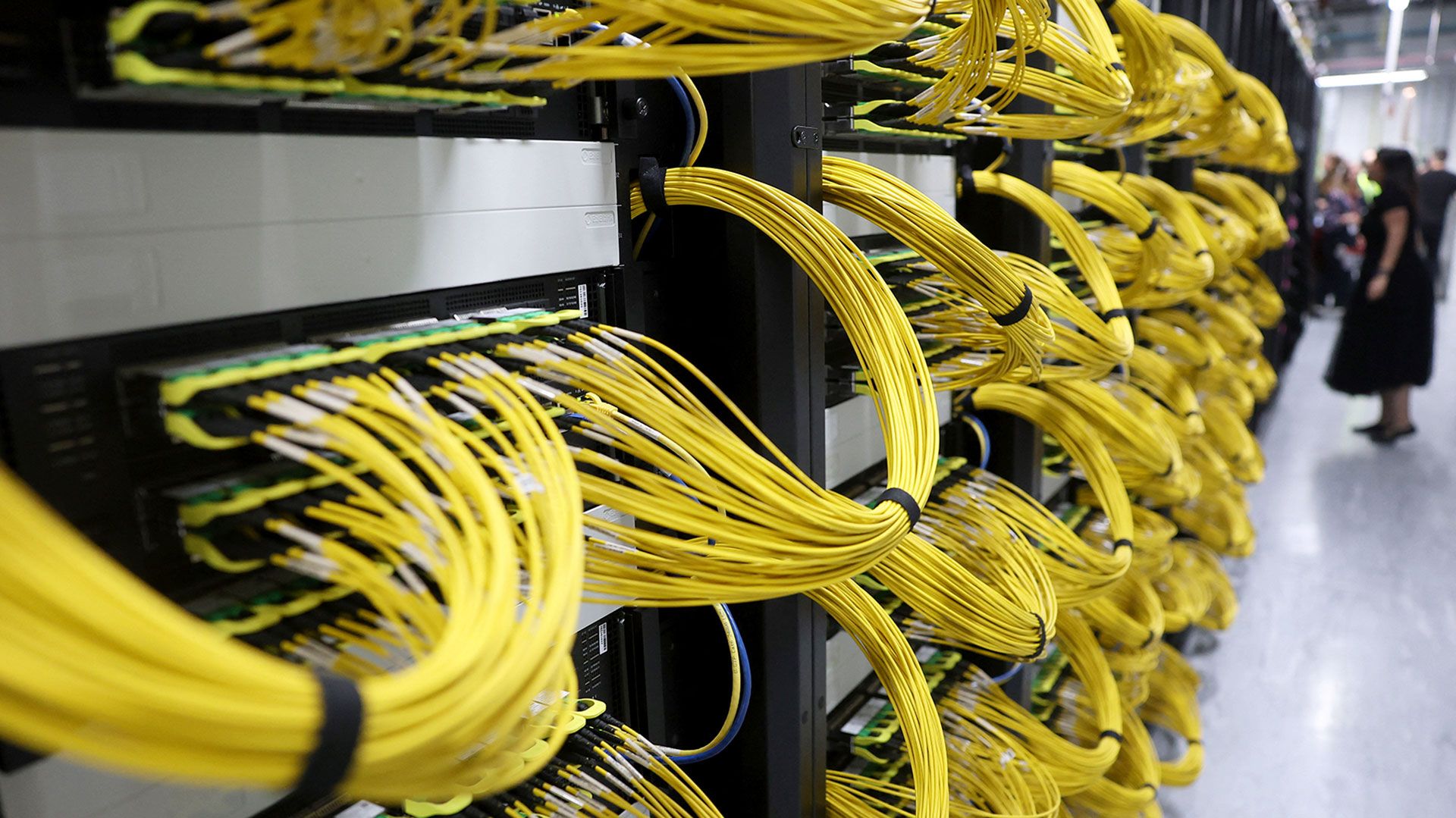
CoreWeave and Nebius are among the neocloud companies that run large data-centre warehouses packed with expensive computers, leasing capacity to major AI developers including Anthropic, OpenAI and Meta. They often sign long-term lease contracts with technology customers needing quick access to computing power, then borrow against those contracts and the AI chips they buy.
Analyst Cory Johnson of The Quiet Period, an IPO research outfit, said debt is common because hardware must be paid for up front. He believes lenders sometimes weigh the creditworthiness of CoreWeave customers such as Microsoft or Meta more than CoreWeave’s own, helping explain its $35.1bn (£26.3bn) in debt.
CoreWeave shares have lost a quarter of their value over the past month; shares in Nebius, IREN and Applied Digital have shed about that much if not more. Debt investors are demanding ever-higher returns from several firms in the sector, while CoreWeave CEO Mike Intrator has described the market as irrational and expressed confidence in its business model.
Forrester vice-president and principal analyst Charlie Dai said the model’s trade-off is greater financial risk when Big Tech customers change their spending plans. This past week, Microsoft and Google forecast less AI spending than Wall Street analysts had projected, and shares in several neocloud firms tumbled.
Several firms began in crypto mining. CoreWeave was founded in 2017 with a focus on Ethereum mining, while IREN, Core Scientific and Applied Digital also started in the industry. Their infrastructure left them well-positioned when AI took off in 2022 with the introduction of ChatGPT.
Forecasts of consolidation coexist with Yorkville Ives analysts’ view that demand for computing power still exceeds supply. They said neoclouds fill an important gap that larger data-centre operators cannot.