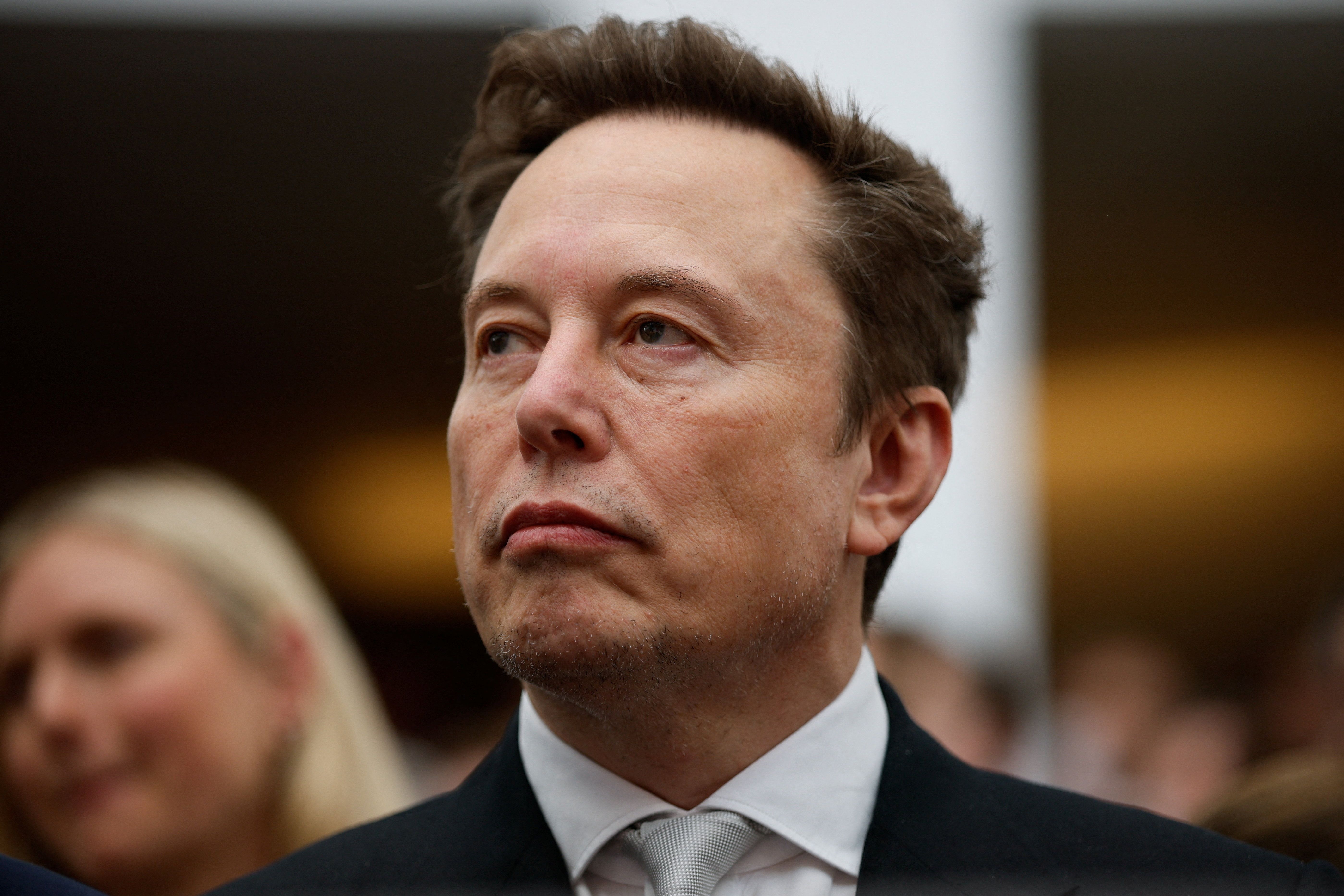

Elon Musk questioned Reliance Industries chairperson Mukesh Ambani’s influence as Starlink’s India launch remains stalled, in comments first reported by TechCrunch. India’s Ministry of Communications says Starlink and two other licensed satellite operators are at broadly the same regulatory stage, with all three undergoing security assessments that must be completed before they can seek spectrum in India.
Musk asked on X on Thursday whether Ambani was the real boss of India. A day earlier, he accused unnamed oligarchs of blocking Starlink to preserve a monopoly, but identified no one and offered no evidence.
India’s Ministry of Communications pushed back, describing its satellite-communications framework as fair and non-discriminatory. It said the three companies are undergoing security assessments that must be completed before they can seek spectrum.
Starlink has spent more than five years trying to enter India, a market with more than a billion internet subscribers. It has yet to begin commercial services despite key regulatory approvals and partnerships with Reliance Jio and Bharti Airtel last year.
Starlink says it has more than 20 gateway sites and hundreds of antennas in India, and has adapted its operations to regulatory, security and data-sovereignty requirements. SpaceX has positioned its satellite network as a complement to, not a replacement for, India’s terrestrial telecom networks.
An earlier dispute over satellite spectrum allocation also involved Starlink and Jio. Starlink supported administrative allocation, while Jio argued for an auction that could have made Starlink’s entry more expensive; India ultimately chose the administrative approach.
Reliance Jio and Bharti Airtel have agreed to distribute Starlink in India while pursuing satellite internet services of their own. Jio is working with SES on satellite broadband, while Airtel is a major backer of Eutelsat OneWeb, another licensed satellite operator in India. The distribution arrangement sits alongside, rather than replacing, each operator’s own satellite plans.
Starlink’s India launch timing remains unclear. This week, Starlink launched Starlink Mobile in neighboring Bangladesh, a service that connects ordinary phones to satellites.