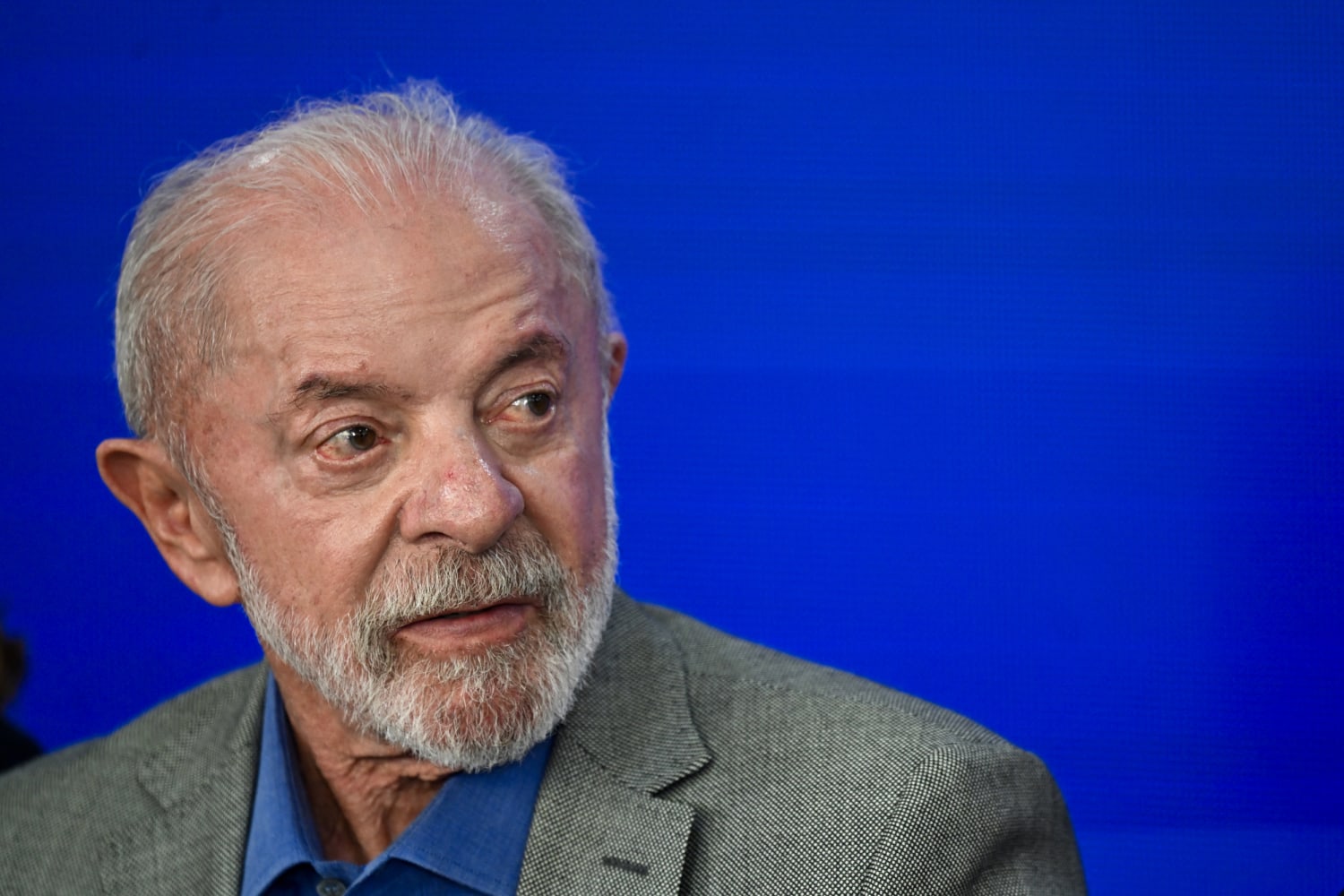

Lula’s campaign has accused Meta of favoring right-wing challenger Flávio Bolsonaro in Brazil’s presidential election, first reported by Newscientist. Brazilian electoral prosecutors say Meta failed to fully comply with court orders to ensure equal treatment of both candidates, while Meta denies favoring or interfering on behalf of any candidate or political group.
Lula’s campaign formally accused Meta of suspending its campaign advertising account, suppressing posts and blocking AI-generated content. Meta said Lula’s account was suspended for 1 hour by mistake; its systems blocked prompts referring to the names Lula and Bolsonaro, but not the common first names Luiz or Flávio.
Images widely circulated show Meta AI, a chatbot integrated into WhatsApp, refusing to generate campaign posters for Lula while producing an image for Flávio. Lula’s campaign submitted screenshots to the electoral court that it said showed Meta AI repeatedly assigning Bolsonaro’s electoral number, 22, to generic, fictional politicians, and allegedly translating a phrase calling Flávio a future prisoner into wording that called him a future president.
David Nemer at the University of Virginia says Meta’s systems are too opaque to determine whether the discrepancies are deliberate; repeated outcomes make a technical failure difficult to accept.
Lula finished behind Bolsonaro in the first round, though polls show the gap narrowing ahead of the second round on 25 October. The chatbot allegations are part of a broader AI election picture. Lupa identified 920 pieces of AI-generated or manipulated election content ahead of the first round, primarily on Facebook and Instagram; 60 per cent was unlabelled.
Twenty-six Meta advertising accounts appeared to sidestep restrictions on foreign-funded political advertising by posting AI-generated videos, including one depicting Bolsonaro and Argentina’s president Javier Milei freeing Brazil from communists. Meta’s independent oversight board says the company’s election safeguards have failed.
Heloísa Massaro at InternetLab, a Brazilian digital rights non-profit, studied how eight major chatbots respond to questions about Brazil’s election. Chatbots sometimes refused genuine questions about candidates, directing users to official electoral websites, but would draft misleading claims questioning election integrity for campaign use. Massaro says safeguards need clearly defined objectives.