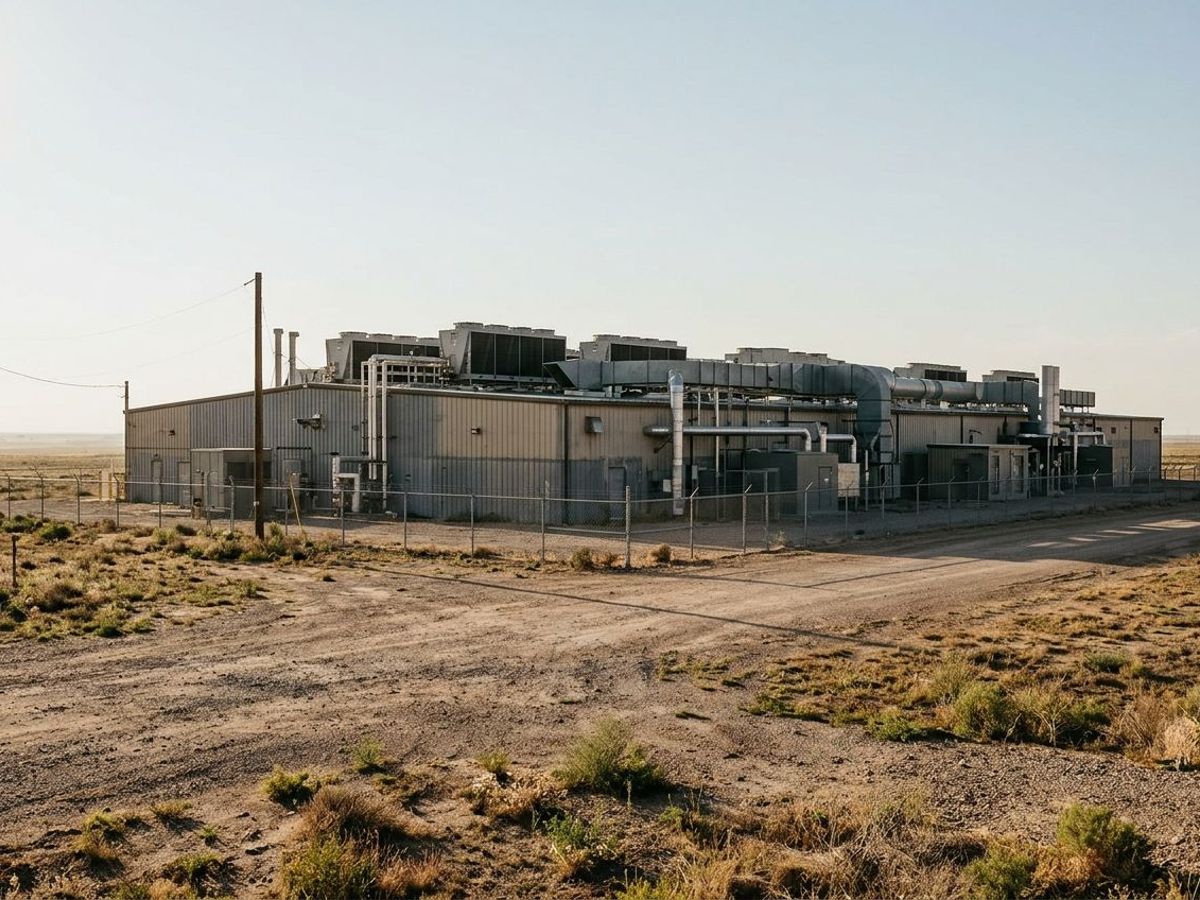

A federal judge has allowed the NAACP’s Clean Air Act lawsuit against xAI over pollution at its Colossus data center to proceed, first reported by TechCrunch. The decision lets the case continue over claims that xAI operated gas turbines without required permits, with the judge rejecting its argument that they were mobile sources under Mississippi’s State Implementation Plan.
Representing the NAACP, the Southern Environmental Law Center alleges that xAI installed and operated at least 35 combustion turbines and other sources of air pollution at the Colossus site outside Memphis without preconstruction or operating air permits. The lawsuit also accuses xAI of violating the Clean Air Act.
xAI argued that the turbines were mobile and therefore exempt from permitting requirements, and that the plaintiffs lacked standing. Judge Debra M. Brown found that the plaintiffs have statutory standing under the Clean Air Act and that the turbines are not mobile sources under Mississippi’s State Implementation Plan.
Brown also ruled that the citizen-suit provision does not violate Article II of the Constitution or the private nondelegation doctrine. She reasoned that plaintiffs sue in their own names and seek penalties to redress harm to themselves, rather than exercising federal executive power.
The decision addresses both the turbines’ classification under Mississippi rules and the constitutionality of citizen enforcement under federal law.
A similar motion to dismiss from the Department of Justice was denied earlier this month. NAACP environmental and climate justice director Abre’ Connor called the ruling “another important victory” in the group’s effort to hold xAI accountable and said the NAACP’s position is that xAI cannot operate gas turbines without required permits.
New York recently passed a moratorium on new data centers, while other state and local governments are considering similar measures. The backlash also prompted Amazon and Microsoft to promise to stop using NDAs in their dealings with government agencies.