Figure AI seeks a night-shift coordinator for humanoid robots

Figure AI seeks a night-shift coordinator for humanoid robots

2 min read•Nov 11, 2026•
Ben Harris
Ben Harris

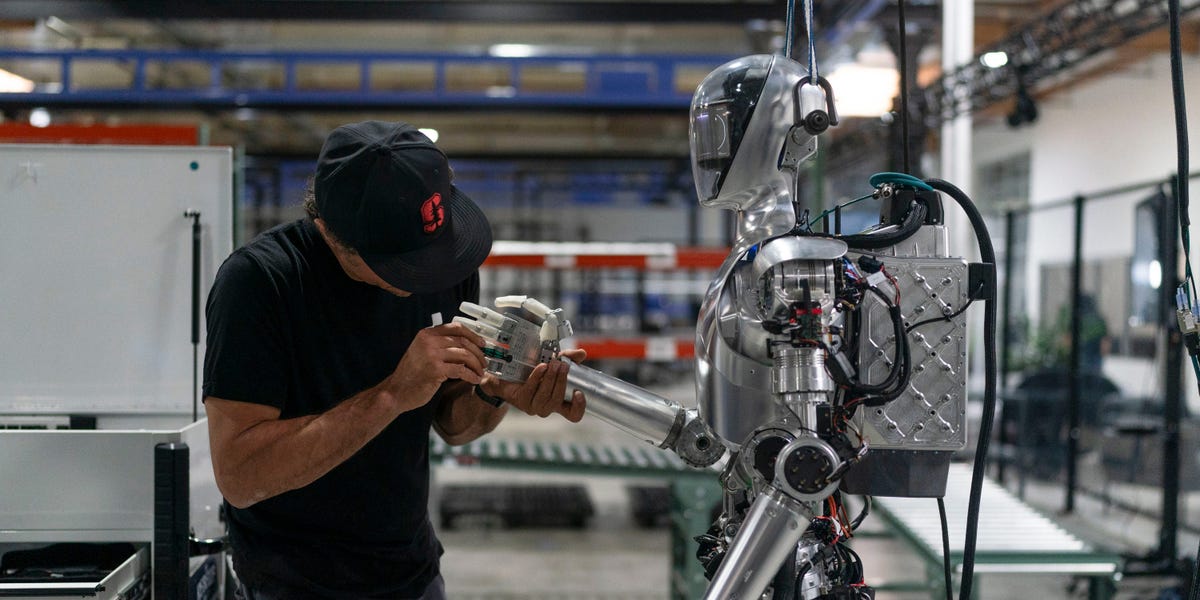
Figure AI is hiring a night-shift coordinator in Santa Clara to oversee humanoid robots and their operators, first reported by Businessinsider. The contract-to-hire position combines team scheduling and coaching with robot troubleshooting and safety response, sometimes requires hands-on machine operation, and pays $40 to $45 an hour for a 10:30 p.m. to 7 a.m. shift.

The shift includes a weekend, and the role is physically demanding: the coordinator will be on their feet most of the time. The job requires safely lifting, carrying and maneuvering equipment or humanoid hardware weighing up to 50 pounds.

Figure is also seeking humanoid robot operators to work directly with its machines, testing and validating new behaviors and skills. The coordinator role adds team coaching and troubleshooting to that roster of human work around the robots.

The hiring comes as startups race to bring humanoid robots into homes and businesses. PitchBook data show investors poured $33.4 billion into robotics and physical AI companies worldwide in the first half of this year, well above the $28.7 billion the sector raised in all of 2025; companies in the sector raised just under $5 billion in 2020.

Figure says it focuses on jobs humans do not want to perform, including work in manufacturing, shipping and logistics, warehousing and retail, where it says labor shortages are especially acute. The contrast is concrete: Figure’s website says humans could eventually leave the loop as robots become capable of building other robots, while current vacancies put people on overnight oversight and direct robot testing.

For now, Figure expects its machines to begin with structured, repetitive work before moving on to more complex tasks.

AI datacentre plans include 181GW of proposed on-site gas power

Plans for AI datacentres in the US, UK and mainland Europe include 181GW of proposed on-site gas-fired capacity, first reported by Theguardian. BloombergNEF estimates the planned rollout could emit about 345m metric tonnes of carbon dioxide equivalent a year in the US if it goes ahead, as grid-connection delays drive developers to seek power on site.

The proposed capacity is almost four times Great Britain’s total peak electricity demand, and 90% of planned on-site gas-fired power stations are in the US. BloombergNEF’s estimate for annual US emissions is equivalent to the greenhouse gas emissions from about 72.8m fossil fuel cars.

Mark Daly, BloombergNEF’s head of datacentres and emerging tech, said AI’s economics make speed to power one of the most important priorities in defining constraints on datacentre developers. He said the climate outcome also depends on how quickly grids connect facilities and whether power systems add cleaner generation alongside demand.

Developers have claimed their gas-fired power supplies would be temporary while they wait for grid connections. Daly said the economics could encourage developers to continue generating energy once the plants are online, creating a longer-term fossil-fuel lock-in risk. BloombergNEF says connecting new datacentres to the grid is the more sustainable option, and faster connections are crucial to limiting emissions and that risk.

Planned UK datacentres made more than 100 inquiries in 2024-5 to connect to gas as a result of delays securing access to the electricity grid, according to Future Energy Networks, the representative body for UK gas networks. Wapseys Wood in Buckinghamshire and Quest Park in Bedfordshire are seeking to build their own on-site gas-fired power stations after long waits for grid access.

On-site fossil-fuel generation is likely to be repeated at many more UK sites after chancellor John Healey gave datacentres the green light to build and run temporary fossil-fuel power stations while waiting for grid connections, as part of a so-called datacentre covenant.

BloombergNEF projected AI datacentre electricity demand would almost quadruple by 2035 to 2,354 terawatt-hours, equivalent to 7% of global electricity demand.