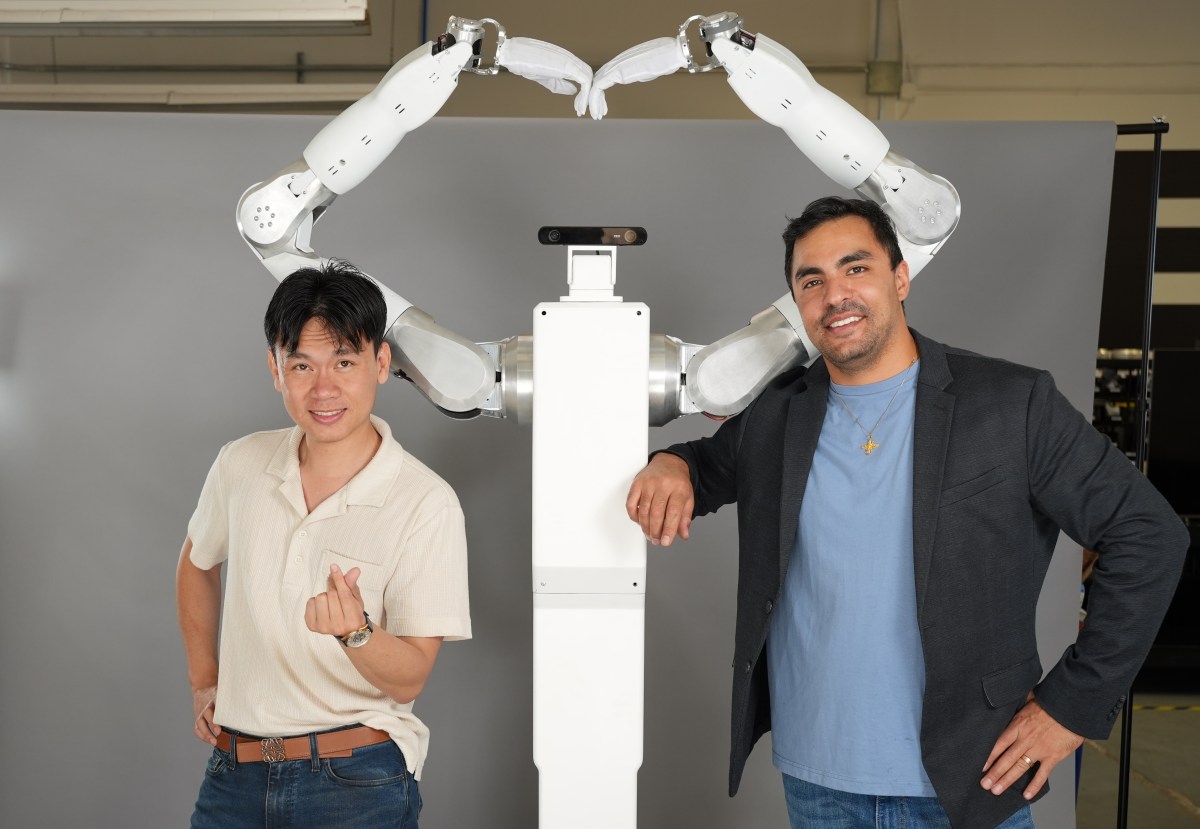

Feather sells a $30,000 modular humanoid platform to developers

Feather sells a $30,000 modular humanoid platform to developers

2 min read•Sep 25, 2026•
Anna Kowalski
Anna Kowalski

Feather Robotics has begun selling a modular humanoid platform for developers, first reported by TechCrunch. The $30,000 system gives developers a customizable hardware and software base for real-world tasks, while Feather says its robots are already working as cooks in restaurants and cleaning up science labs, with customers left unnamed.

The startup is taking a different route from Tesla and Figure. Those companies are pursuing both a robot body and a foundational AI system that is not yet widely deployed, while Feather provides a hardware and software toolkit for developers tackling real-world tasks now.

Its modular system supports changes such as different arm lengths and can run models from Nvidia, Skild, or Physical Intelligence. Feather has been selling small quantities of the robots, and revenue has surpassed $1 million. Separately, co-founder Hoa Mai said the startup had resolved almost all issues over the last year of field testing and was getting ready for a big product launch.

Gradient Ventures backed Feather at its inception, leading the startup’s previously announced $7.6 million pre-seed round. General partner Darian Shirazi believes Feather has no direct competitors in the U.S. and is the only U.S. startup developing a modular humanoid platform.

Mai acknowledged that Feather drew from Chinese robotics companies such as Unitree, while new foreign-made models are restricted from entering the U.S. market. The robot costs $30,000, about half the price of Unitree’s H2 Edu.

Shirazi compared that price with $50,000 to $60,000 a year for a laborer, plus training, HR, and other support mechanisms. He also said Feather had spent only a fraction of its pre-seed funding.

Feather’s pitch pairs a product already being sold with a bet on a broader application ecosystem. Mai says the physical-AI market is small today but expects the number of physical-AI application companies to be in the thousands in five years, and Feather hopes its platform will power them.

Boston Dynamics names former Amazon AI executive Rohit Prasad CEO

Boston Dynamics has named former Amazon executive Rohit Prasad as CEO, effective tomorrow, nearly nine months after former CEO Robert Playter stepped down, first reported by Therobotreport. Prasad will replace interim CEO Amanda McMaster, as Boston Dynamics says his appointment will accelerate its physical AI strategy of combining robotics and advanced AI to commercialize intelligent machines at scale.

McMaster took over after Playter left in February. Prasad is the company’s third CEO; founder Marc Raibert led it from its creation in 1992 until 2020.

Before joining Boston Dynamics, Prasad was Amazon’s senior vice president and head scientist for Alexa and artificial general intelligence. During 12 years at Amazon, he helped build Alexa from its earliest days and later led development of the Amazon Nova foundation model family used by enterprises. Before Amazon, he spent nearly 14 years at Raytheon BBN Technologies, leading machine-learning research and its real-world application for U.S. government and commercial use.

Prasad said he plans to productize intelligent robotic systems to improve safety, productivity and operational efficiency across industrial and commercial environments. His background spans consumer AI and enterprise foundation models, while Boston Dynamics says its strategy combines advanced AI with robotics to commercialize intelligent machines.

Jaehoon Chang, Hyundai vice chair and chair of Boston Dynamics’ board, said the company’s robotics, Prasad’s AI product experience, and Hyundai Motor Group’s manufacturing, logistics and mobility capabilities provide a foundation to build and scale physical AI. Hyundai acquired a controlling stake in Boston Dynamics from SoftBank Group in 2021.

Subject to the relevant approval process, Prasad is also expected to join the company’s board.