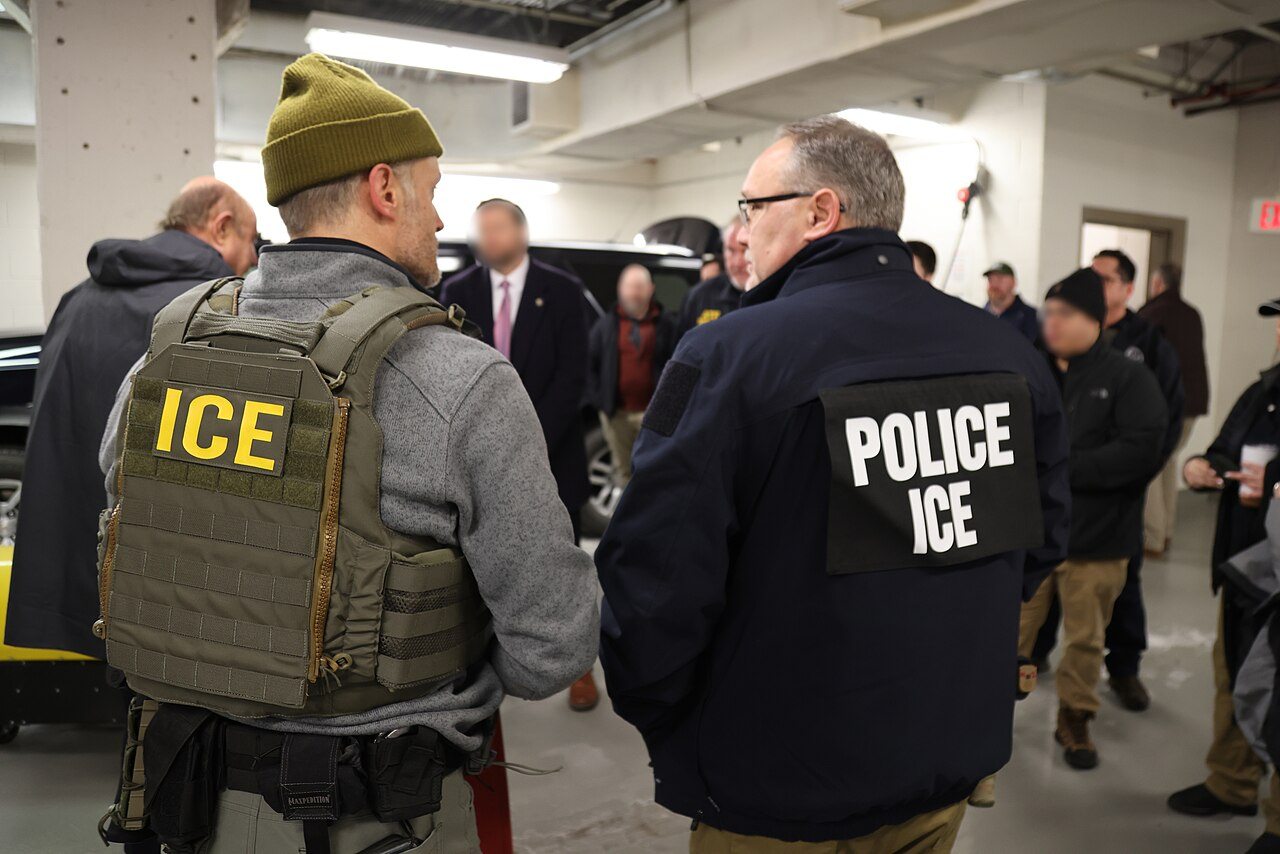

Details of more than 41,000 US Department of Homeland Security personnel, including immigration-enforcement staff, were leaked online, first reported by Bbc. The disclosure includes names, work addresses and phone numbers, descriptions of employees’ work, and dozens of previously unknown operation names, agents who led or worked on them, and technology used in their work.
The Department of Peace put the information online Wednesday alongside cybersecurity researcher and hacker maia crimew. It was stored in a database named Icepick and shared through a website hosted by Distributed Denial of Secrets.
According to the data, more than 21,000 listed personnel work for CBP and nearly 6,600 for ICE. Other records include people with Homeland Security Investigations, the Federal Protective Service and the Cybersecurity and Infrastructure Security Agency.
The leaked material includes some technology used in agents’ work, including technology provided by Cellbrite and Palantir. The disclosure spans personnel across several DHS components and also contains information about operations and work-related technology.
The groups said in an online statement that the leak was not intended as a directory of every DHS agent. Emma Best, a co-founder of DDoSecrets, said the aim was to replace “anonymity with accountability.”
The Department of Peace said it accessed DHS agent profiles through Okta, a single sign-on service that organizations use to ensure that only people with access to internal platforms can log on. An Okta spokeswoman said the company was aware of the claims, described Okta as secure and said it had no evidence its data or systems were compromised.
A Department of Peace spokesperson pointed to ICE agents’ actions as a reason for the group’s hack, citing a July 17 statement by Markwayne Mullin that he was increasing pressure. Mullin became secretary of Homeland Security in March. A DHS representative did not immediately respond to a request for comment.
The leak marked the third time in recent weeks that a government agency had been targeted by leaks or hacks. Last month, ShinyHunters hacked the FBI and took personal information about thousands of agents. In recent days, the Federal Election Commission was taken offline because of a suspected hacking attempt.