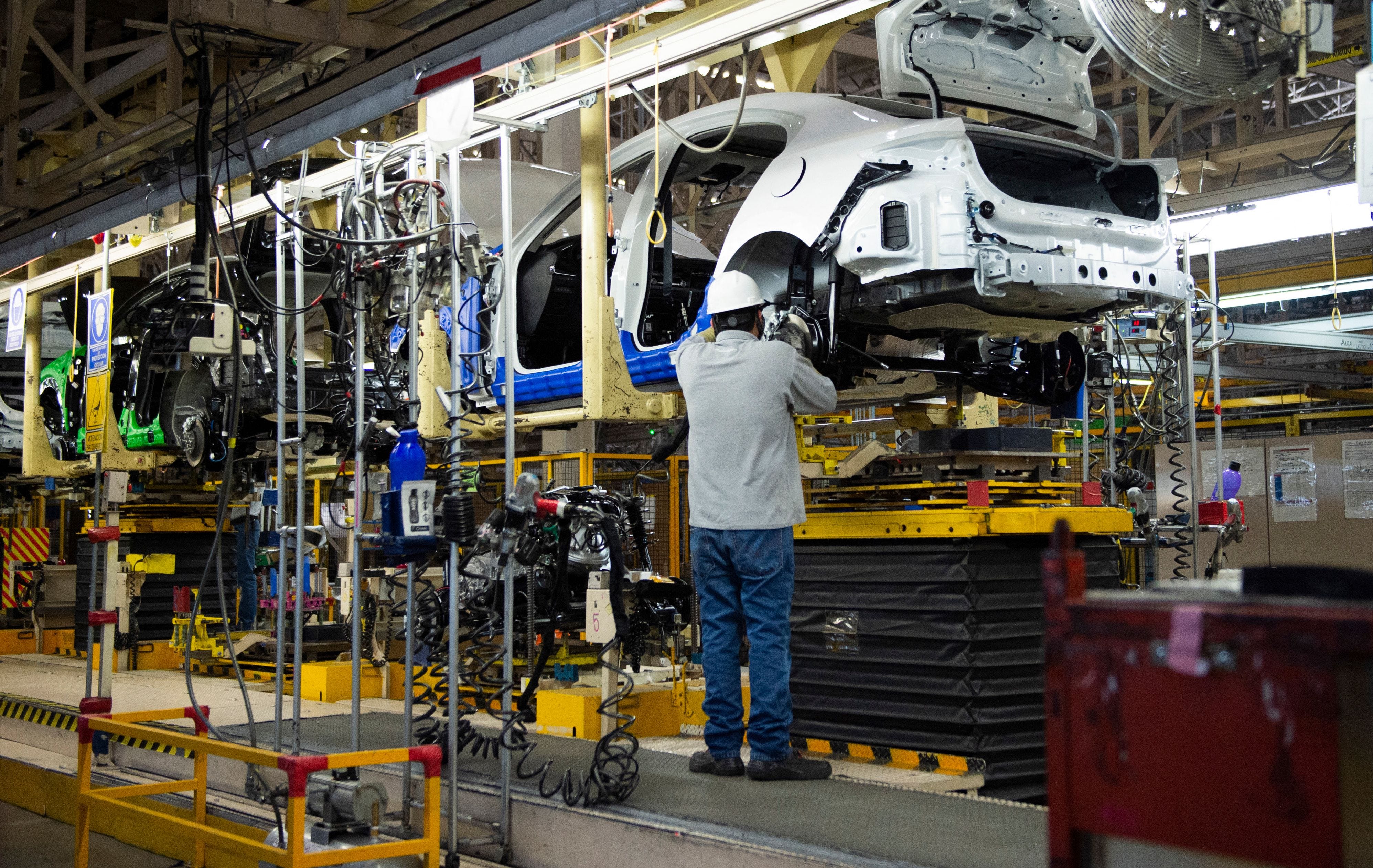

Chery bought Nissan’s Rosslyn factory near Pretoria, South Africa, to build EVs there, first reported by Cleantechnica. The factory will produce fully electric, plug-in hybrid and Jetour models as rising incomes and falling electric-vehicle costs, particularly for vehicles from Chinese companies, make Africa a promising new region for Chinese EV investment.
The purchase comes as 2026 is a down year for China’s EV market. Chinese EV companies have worked to get their cars into other Asian, European and South American markets, while some Chinese automakers have started building or buying factories outside China as well as in China.
In June, 685,000 pure-electric vehicles were sold in China, accounting for approximately 43% of the country’s auto market. The June sales figure sits alongside a 2026 down year for China’s EV market.
Africa’s EV investment prospects
Analysts say South Africa, Morocco, Kenya, Ethiopia and Ghana are among the countries best positioned to attract Chinese EV investment because of industrial capacity, supportive policies or growing electricity infrastructure. Morocco also benefits from proximity to European export markets, while Zimbabwe’s large lithium reserves could support battery supply chains.
Hiten Parmar, executive director of South African nonprofit The Electric Mission, said Africa has become known as the next frontier for the automotive market.
Africa’s fuel-import position
Most African countries import all or most of their oil and gas. Africa is also a net importer of refined fuels, which drains foreign reserves and weighs on local currencies and budgets.
Switching to locally produced electricity could make a huge difference in their economies. Nick Hedley, an energy transition research analyst at Zero Carbon Analytics, said: “Switching to local electric cars for transportation is in African countries’ national interest.”