California law sets robotaxi duties for emergency response

California law sets robotaxi duties for emergency response

2 min read•Oct 6, 2026•
Carlos Mendez
Carlos Mendez

California Gov. Gavin Newsom signed Senate Bill 1246 into law, setting new requirements for autonomous-vehicle companies when robotaxis interfere with emergency responders, first reported by TechCrunch. The law aims to improve safety and response times when vehicles are disabled or interfere with emergency crews, and creates ways to hold companies accountable.

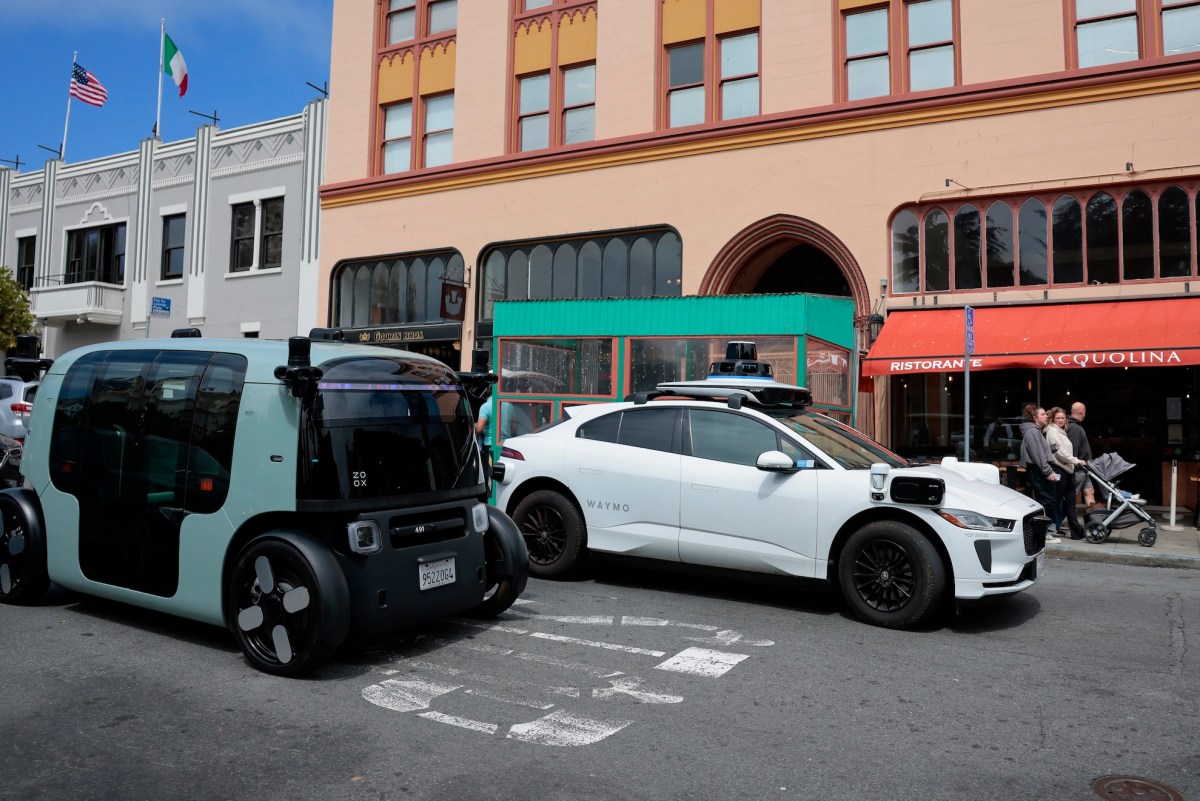
Robotaxis have impeded traffic, driven into crime scenes and interfered with first responders. In some cases, companies have relied on first responders to move their robotaxis.

The disruptions are occurring in the early stages of the robotaxi era. The law is intended to get ahead of the problem before the next wave of robotaxis arrives.

Autonomous-vehicle technology companies such as Tesla, Waymo and Zoox must provide first responders with local, on-the-ground support when robotaxis cause problems. They could face penalties if a robotaxi blocks police or firefighters for more than 30 minutes.

The law also limits remote drivers to people based in the United States who hold U.S. driver’s licenses. During system-wide failures, developers must notify cities, towns and other local jurisdictions about vehicles’ location and status.

Developers must provide local incident technicians to assist with AV accidents and obstructions. The rules pair local incident response with restrictions on remote-driver eligibility and required notices during system-wide failures.

California’s Department of Motor Vehicles, the state’s main autonomous-vehicle regulator, will handle remaining details. The law takes effect in July 2028.

Whether other states follow California’s lead or wait for the federal government to weigh in remains an open question.

Boston Dynamics names former Amazon AI executive Rohit Prasad CEO

Boston Dynamics has named former Amazon executive Rohit Prasad as CEO, effective tomorrow, nearly nine months after former CEO Robert Playter stepped down, first reported by Therobotreport. Prasad will replace interim CEO Amanda McMaster, as Boston Dynamics says his appointment will accelerate its physical AI strategy of combining robotics and advanced AI to commercialize intelligent machines at scale.

McMaster took over after Playter left in February. Prasad is the company’s third CEO; founder Marc Raibert led it from its creation in 1992 until 2020.

Before joining Boston Dynamics, Prasad was Amazon’s senior vice president and head scientist for Alexa and artificial general intelligence. During 12 years at Amazon, he helped build Alexa from its earliest days and later led development of the Amazon Nova foundation model family used by enterprises. Before Amazon, he spent nearly 14 years at Raytheon BBN Technologies, leading machine-learning research and its real-world application for U.S. government and commercial use.

Prasad said he plans to productize intelligent robotic systems to improve safety, productivity and operational efficiency across industrial and commercial environments. His background spans consumer AI and enterprise foundation models, while Boston Dynamics says its strategy combines advanced AI with robotics to commercialize intelligent machines.

Jaehoon Chang, Hyundai vice chair and chair of Boston Dynamics’ board, said the company’s robotics, Prasad’s AI product experience, and Hyundai Motor Group’s manufacturing, logistics and mobility capabilities provide a foundation to build and scale physical AI. Hyundai acquired a controlling stake in Boston Dynamics from SoftBank Group in 2021.

Subject to the relevant approval process, Prasad is also expected to join the company’s board.