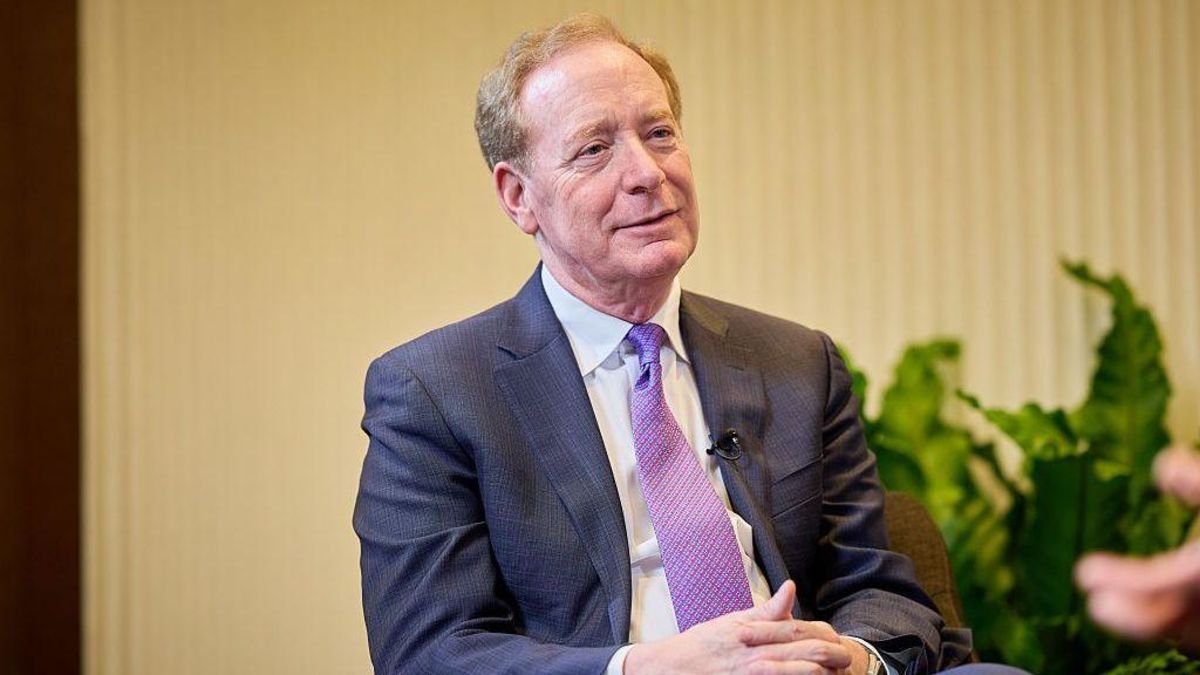
Microsoft president Brad Smith is calling for global AI safety rules, arguing the technology faces fewer requirements than milk and washing machines, first reported by Bbc. His proposals include required incident reports, notice to victims when a rogue AI agent breaches a system, and rules on when outside evaluators should sign off on products before release.
Smith wants firms to have emergency brakes, often called kill switches, to pause or slow AI if it gets out of control. He characterized AI as both a tool and a weapon.
The proposals span system controls, company reporting and outside evaluation. Smith also suggested independent government evaluators vet new AI technology and rules on when outside evaluators should sign off on a product before release.
Smith said washing machines face more safety rules than AI, and every carton of milk in a grocery store is subject to safety rules and inspection.
Smith said the UK was best placed to drive global rules, citing its AI Security Institute, launched during former prime minister Rishi Sunak’s government as the AI Safety Institute. He suggested the US would be more accepting of UK-led rules than of EU rules, saying people in Washington do not view London as they view Brussels.
That position differs from President Donald Trump’s view that the AI sector should regulate itself so US firms do not lose out to Chinese rivals. At the end of last month, Trump hosted leaders of OpenAI, Anthropic, Nvidia, SpaceX, Meta and Google at the White House; executives signed a document described as morally binding.
The companies agreed to work with independent auditors to assess whether their AI systems were working as intended and ensure they did not hack or access technical systems in unintended ways. Smith applauded the statement and said Microsoft was happy to sign, but said it was no longer sufficient.
He said the challenge with self-regulation is that responsible companies would do what was expected, while less responsible companies were the ones to worry about.