Apple must pay $5.7bn after jury finds haptics patent infringement

Apple must pay $5.7bn after jury finds haptics patent infringement

2 min read•Sep 29, 2026•
Elena Vasquez
Elena Vasquez

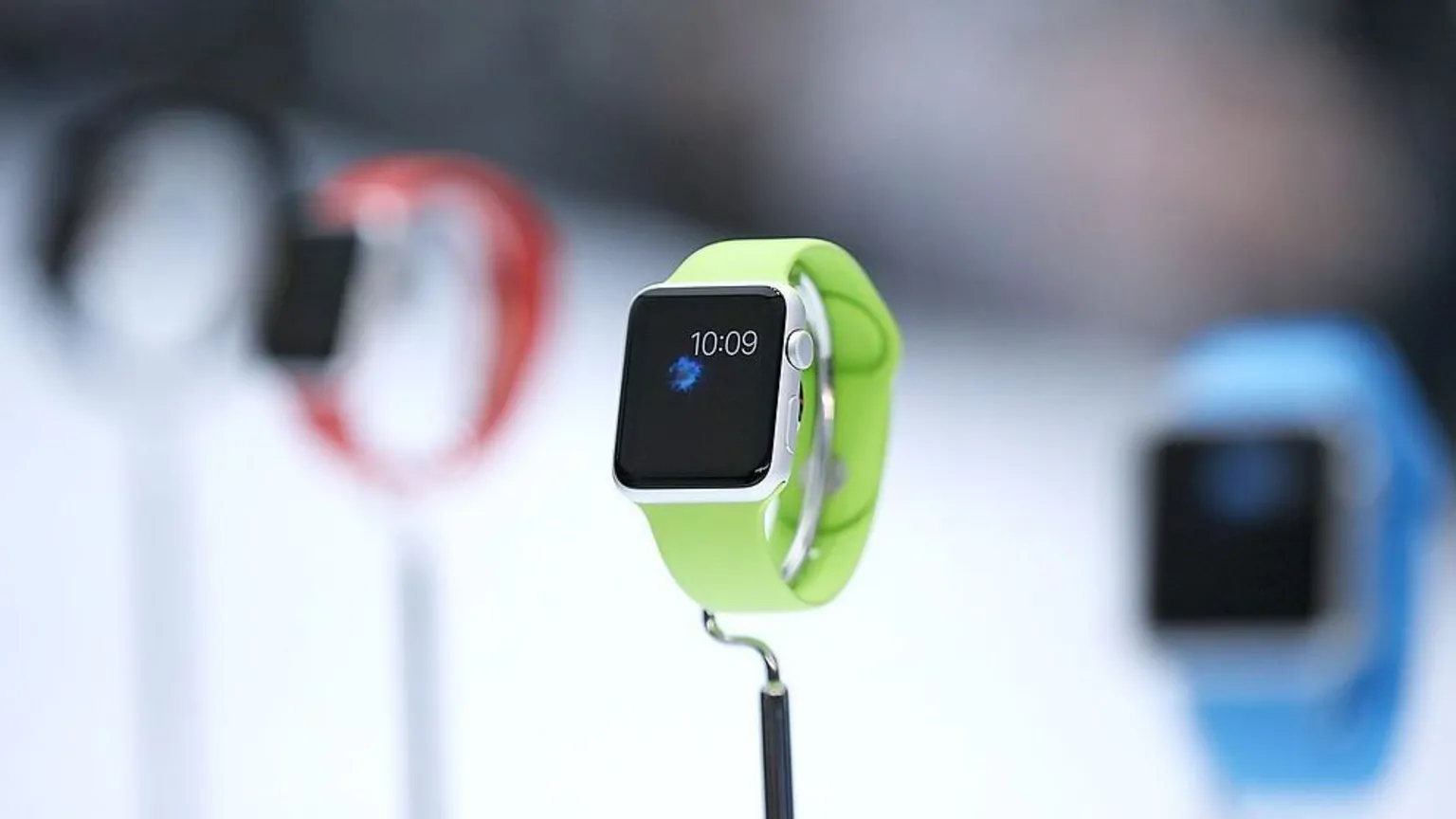
Apple has been ordered to pay $5.7bn after a US jury found it infringed haptics patents, first reported by Bbc. The award concerns vibration feedback in Apple devices such as the iPhone and Apple Watch, while Apple says it did not use Taction's technology and will appeal the jury's verdict.

Taction Technology, an audio firm that makes headphones and gaming headsets, alleged in 2021 that Apple infringed two patents issued to it in 2020. Haptics use vibrations to simulate touch, including feedback for actions such as receiving a message or pressing a button.

A San Diego judge ruled in 2023 that Apple had not infringed the patents. A federal appeals circuit later took up an appeal, leading to a September jury trial at the US District Court for the Southern District of California.

The case has moved from a no-infringement ruling to a $5.7bn damages order, but jurors did not find that Apple infringed willfully.

Apple says its Taptic Engine is fundamentally different from Taction's technology, and that Taction's own testing of Apple products during the trial confirmed the distinction. The Taptic Engine first debuted with Apple Watch in 2014, and Apple has since expanded haptics in its devices.

Apple has defended other similar lawsuits in recent years. In November 2025, a judge ordered it to pay $634m to medical technology firm Masimo after a jury found infringement of a patent for blood-oxygen reading technology.

Boston Dynamics names former Amazon AI executive Rohit Prasad CEO

Boston Dynamics has named former Amazon executive Rohit Prasad as CEO, effective tomorrow, nearly nine months after former CEO Robert Playter stepped down, first reported by Therobotreport. Prasad will replace interim CEO Amanda McMaster, as Boston Dynamics says his appointment will accelerate its physical AI strategy of combining robotics and advanced AI to commercialize intelligent machines at scale.

McMaster took over after Playter left in February. Prasad is the company’s third CEO; founder Marc Raibert led it from its creation in 1992 until 2020.

Before joining Boston Dynamics, Prasad was Amazon’s senior vice president and head scientist for Alexa and artificial general intelligence. During 12 years at Amazon, he helped build Alexa from its earliest days and later led development of the Amazon Nova foundation model family used by enterprises. Before Amazon, he spent nearly 14 years at Raytheon BBN Technologies, leading machine-learning research and its real-world application for U.S. government and commercial use.

Prasad said he plans to productize intelligent robotic systems to improve safety, productivity and operational efficiency across industrial and commercial environments. His background spans consumer AI and enterprise foundation models, while Boston Dynamics says its strategy combines advanced AI with robotics to commercialize intelligent machines.

Jaehoon Chang, Hyundai vice chair and chair of Boston Dynamics’ board, said the company’s robotics, Prasad’s AI product experience, and Hyundai Motor Group’s manufacturing, logistics and mobility capabilities provide a foundation to build and scale physical AI. Hyundai acquired a controlling stake in Boston Dynamics from SoftBank Group in 2021.

Subject to the relevant approval process, Prasad is also expected to join the company’s board.