
Anthropic is leasing an entire 16-story office building in Manhattan, enough space for 1,700 desks, while Airbnb has purchased its first New York City office for $81.5 million. The two commitments signal that major tech companies see New York as strategically vital for AI and travel markets, even as billionaires warn of a business exodus.
- Anthropic's Massive Manhattan Footprint
- Airbnb's $81.5M Purchase After Years of Regulatory Battle
- Defying the Doomsayers: Billionaire Warnings vs. Reality
- Why New York Still Matters for Tech
- What This Means for the Industry
- Frequently Asked Questions
- Conclusion
Anthropic's Massive Manhattan Footprint
The AI company behind Claude is taking over all 16 floors of 330 Hudson Street, dramatically expanding from its smaller office just around the corner at 155 Sixth Avenue. Anthropic plans to double its New York workforce by the end of the year, from fewer than 500 employees early this year to more than 1,000. The building provides capacity for 1,700 desks.
"What is in the middle of it as a technology partner to the financial institutions, media companies, and cultural organizations that help define the city," Anthropic chief commercial officer Paul Smith told the New York Post. The company is actively hiring for New York roles across research, engineering, policy, sales, and operations.
Airbnb's $81.5M Purchase After Years of Regulatory Battle
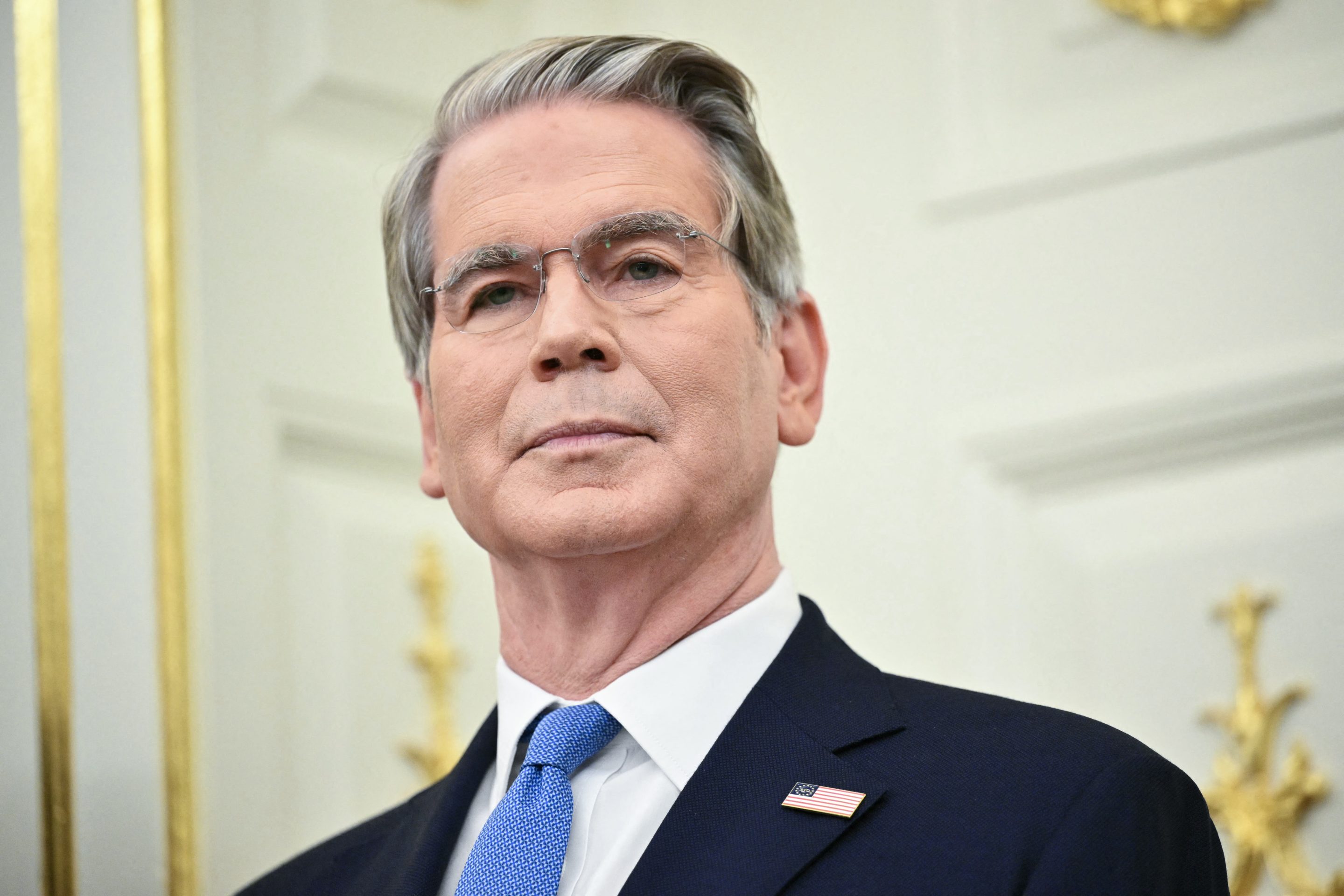
Airbnb's move is especially notable given its long and public feud with New York City over short-term rental restrictions. The company purchased 281 Park Avenue South in Gramercy, a six-story building, for $81.5 million, according to The Wall Street Journal. The office will serve as a hub for Airbnb's 600-plus New York-area employees.
"New York City has been part of our story since the earliest days of Airbnb," CEO Brian Chesky said in a statement. "This building reflects our long-term commitment to the city and will be home to one of our largest employee hubs outside of San Francisco."
The purchase comes despite years of battling Local Law 18, adopted in 2022, which imposed a 30-day minimum stay requirement that severely curtailed Airbnb's core short-term rental business in one of the world's largest travel markets.
Defying the Doomsayers: Billionaire Warnings vs. Reality
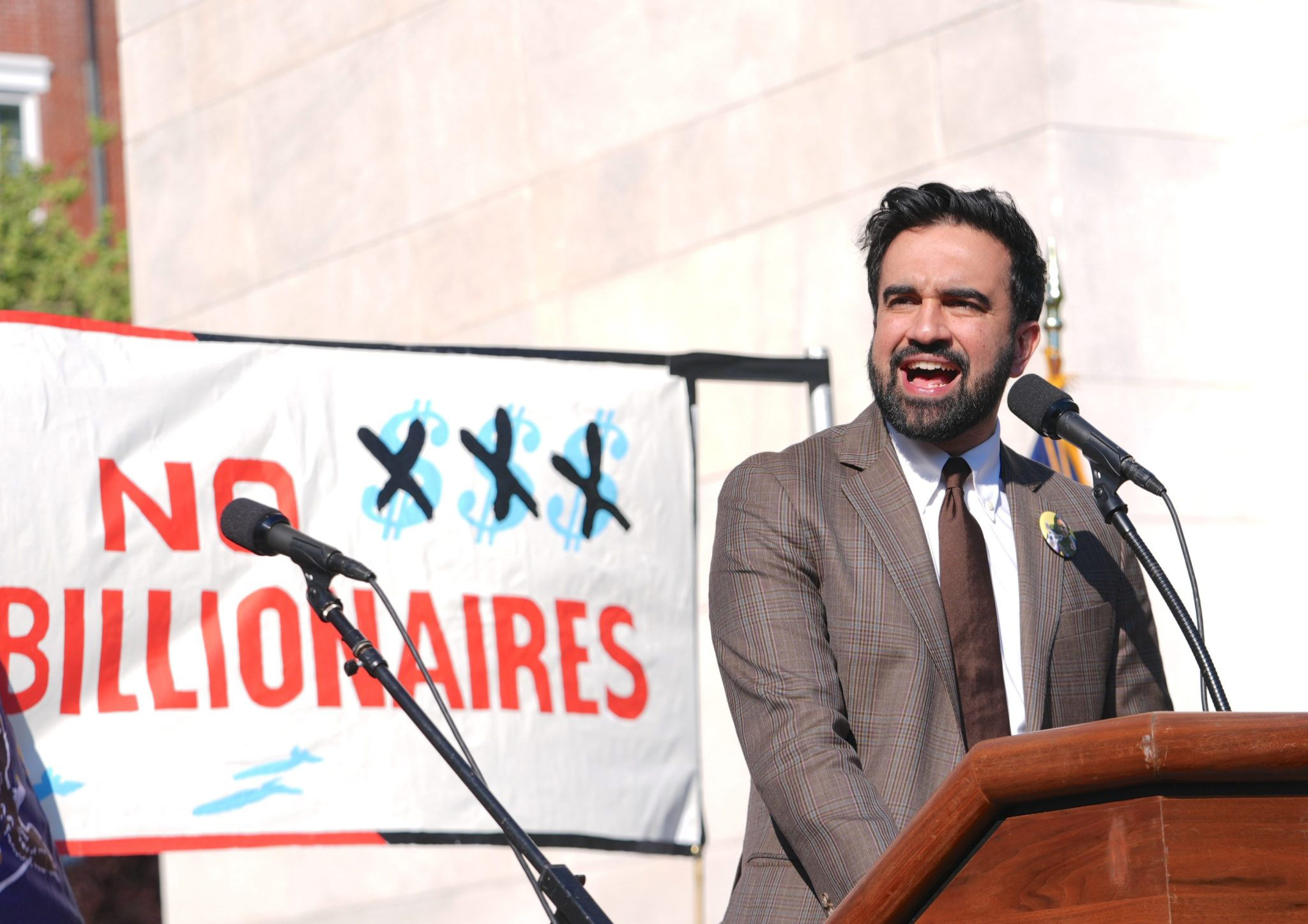
Both expansions fly in the face of high-profile warnings that New York's political climate would drive away business. Billionaire investor Bill Ackman warned last year that if mayoral candidate Zohran Mamdani won, "You're going to see the flight of businesses from New York." Citadel founder Ken Griffin urged business leaders to "fight for their city" and threatened to halt construction of a $6 billion midtown tower after Mamdani criticized his penthouse.
Yet Anthropic and Airbnb are investing heavily. Both Mamdani and Governor Kathy Hochul supported Anthropic's announcement. City Comptroller Mark Levine told NY1: "I'd rather have these tools being built here, so that we benefit from that economic vitality and so that it's New Yorkers who are shaping these tools."
Why New York Still Matters for Tech
For Anthropic, New York offers proximity to the industries racing to adopt generative AI: finance, media, legal services, consulting, advertising, healthcare, and enterprise technology. The city is home to many of Anthropic's largest enterprise customers. The company also framed its expansion as part of a broader $50 billion investment in American AI computing infrastructure, including data centers in New York state.
Airbnb's bet is more symbolic: despite losing the regulatory battle over short-term rentals, the company sees enough value in a permanent New York base to buy rather than lease. The city remains essential for talent acquisition and corporate partnerships, even if its core business model faces restrictions.
What This Means for the Industry
These moves have implications across multiple sectors:
For tech investors: New York is reasserting itself as a primary hub for AI company growth, alongside San Francisco. Anthropic's expansion suggests the city can support large-scale AI operations, particularly in enterprise sales and applied research.
For commercial real estate: Two major tenants committing to significant spaces—one leasing an entire building, another purchasing—provides a vote of confidence in Manhattan office demand at a time when many companies are downsizing or going fully remote.
For local policymakers: The investments give ammunition to officials who argue progressive policies and high taxes don't automatically repel business. However, the number of billionaires who have relocated to low-tax states like Florida remains a counterpoint.
For competitors: Other AI companies and travel platforms may reassess their New York footprint. If Anthropic and Airbnb see enough value to commit, rivals may follow—or resist—depending on their regulatory and talent needs.
Conclusion
Anthropic and Airbnb are placing big bets on New York City that directly contradict warnings of a business exodus. For Anthropic, the city offers unmatched access to AI-buying industries; for Airbnb, it means planting a flag in a market it couldn't fully win through regulation. Whether other companies follow will test whether New York can hold its ground as a premier tech hub amid ongoing political and tax pressures.