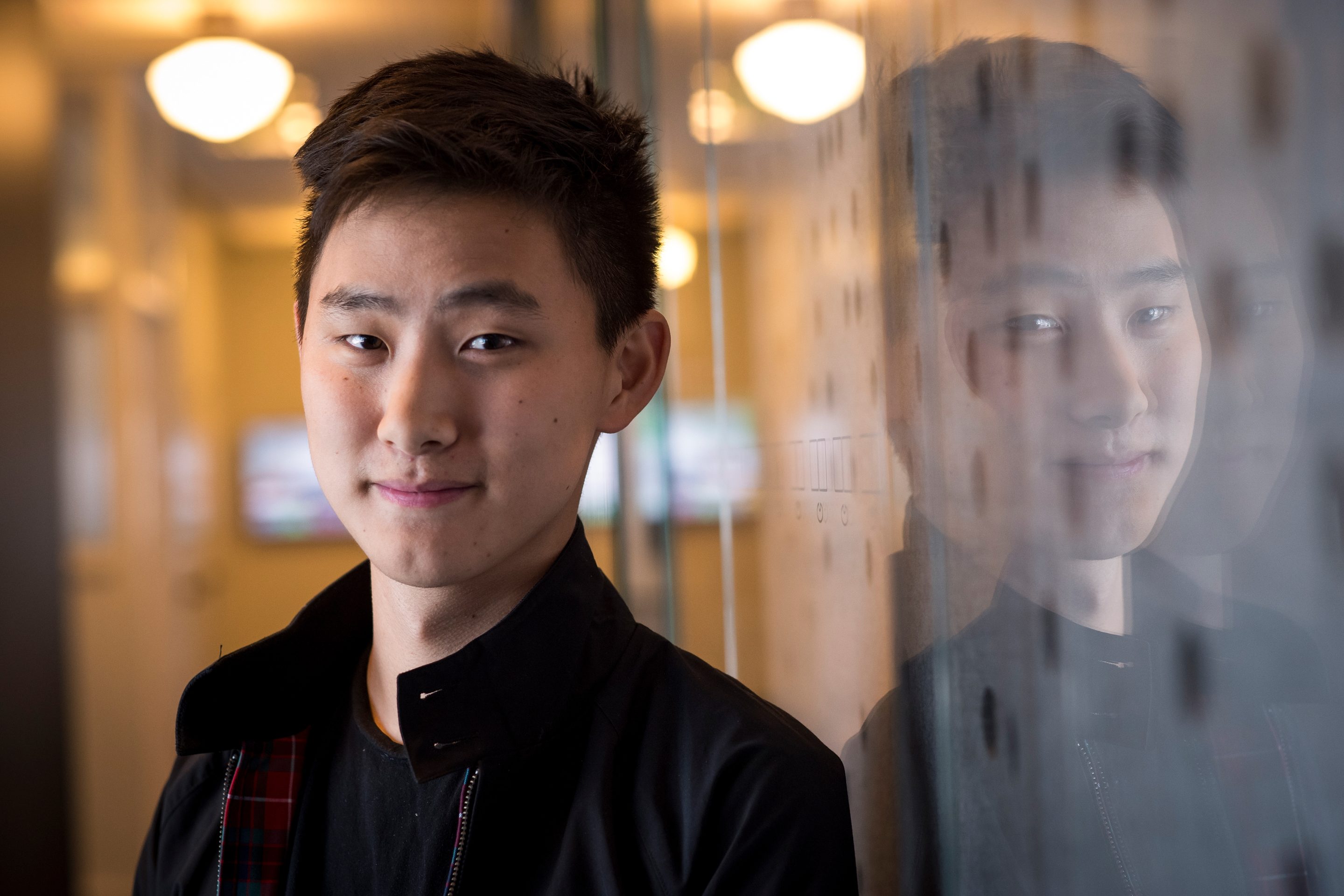
Alexandr Wang ties Muse memes to Meta’s effort to feel cool again

Alexandr Wang ties Muse memes to Meta’s effort to feel cool again

2 min read•Oct 12, 2026•
Carlos Mendez
Carlos Mendez

Meta chief AI officer Alexandr Wang said his memes about Meta’s Muse assistant were part of an effort to make the company cool again, first reported by Businessinsider. He said coworkers were somewhat surprised by the buzz and that the posts made an impact on growth, though he found that result amusing.

During a recent interview with podcaster David Senra, Wang said thoughts about new Muse memes distracted him during meetings. He described the posts as spur-of-the-moment and said they served a broader goal of making Meta cool again; he also said the internet rewards risk.

Muse marked Meta’s first successful breakthrough in AI technology after its Llama and Spark models failed to find niches already filled by widely used models from OpenAI and Anthropic. Competing AI agents from OpenClaw and Instinct already existed in Silicon Valley circles.

Wang’s growth claim and Muse’s audience advantage are distinct: he said the posts made an impact on growth, while Muse came from a company with several billion potential customers already signed up on Instagram and Facebook.

Muse launched on September 8 and reached the top of Apple’s App Store 10 days later, surpassing ChatGPT. Meta says Muse can help users research, fill out forms, buy items online, book restaurant reservations, find a dog sitter, and connect with services including email, calendars, Spotify, Instagram, and OpenTable.

Plug-in vehicles reach 32% of global registrations in September

Plug-in vehicles reached 32% of global registrations in September, first reported by Cleantechnica. Battery-electric vehicles accounted for 23% of registrations and set a record at 1.54 million, up 8% year over year, while plug-in hybrids fell 9%; year to date in 2026, BEVs were up 12% and PHEVs down 10%.

Global plug-in registrations rose 3% year over year to around 2.16 million in September, close to the all-time record of 2.17 million set last December.

Year to date, plug-in registrations were up 4% year over year: BEVs grew 12%, while PHEVs fell 10%. Their combined share for 2026 stood at 25%, with BEVs at 18% and PHEVs at 7%. The overall growth rate therefore hides a clear split between the two categories.

The Tesla Model Y led the model rankings with a record 165,000 registrations, up 17% year over year. Tesla Model 3 came second with 65,000, enough to move ahead of Geely Xingyuan and BYD Song despite a 4% annual decline.

BYD Song finished fourth at 54,519 registrations, up 19% and the fastest growth rate among the top five. An export push and the new-generation Ultra body helped lift the model.

At the make level, Tesla had a record 232,000 registrations, up 9% year over year. Toyota reached 61,332 for its fourth record in a row, finishing ahead of Volkswagen’s year-best 58,000 to become September’s best-selling legacy make.