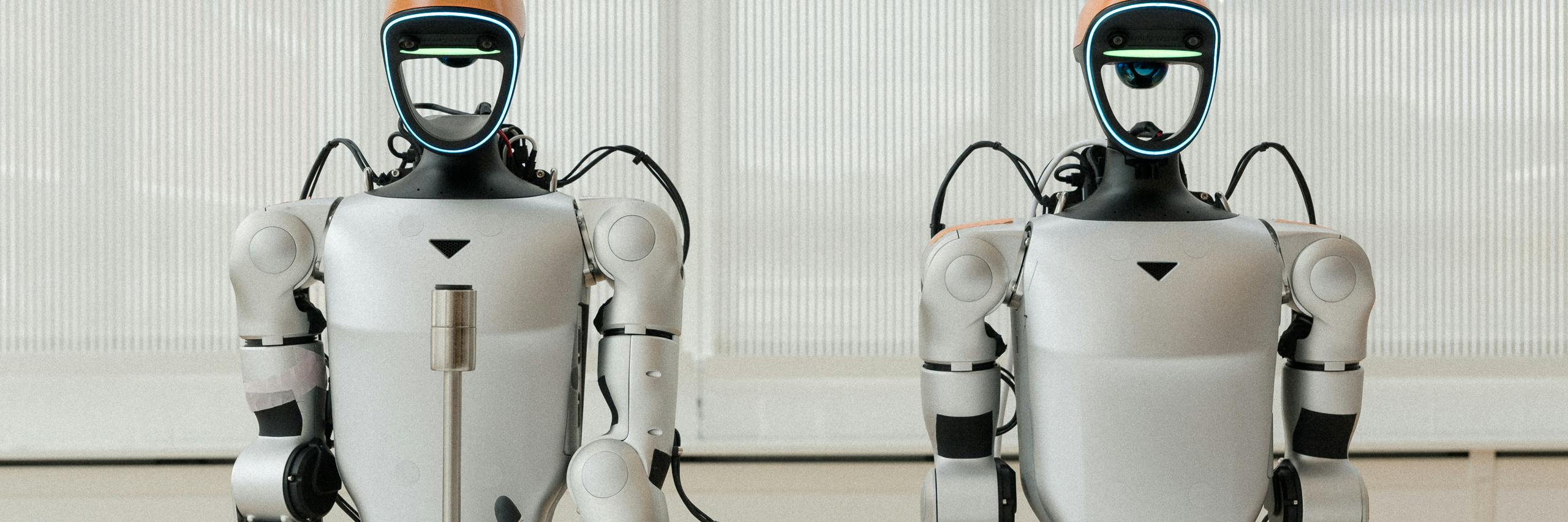

Swedish robotics startup 120ft has raised €576,000 in angel funding to develop humanoid-powered microfactories, first reported by Roboticsandautomationnews. The Stockholm-based company plans to operate modular factories that let consumer brands assemble products locally in smaller batches, instead of relying on large production runs and lengthy international supply chains, while paying per finished product.
Each factory is designed around three 40-foot containers for component preparation, assembly, inspection and packing; that layout gives 120ft its name. The system combines humanoid robots, AI, virtual production-line simulation and proprietary orchestration software.
Product designs, parts lists and quality requirements are converted into digital instructions so assembly processes can be tested virtually before production begins. 120ft says it reduced the time required to teach one end-to-end robot assembly skill from seven weeks in 2025 to seven hours in 2026; its target is seven minutes in 2027.
The company has demonstrated the system by using robots to assemble a lamp, including installing a cylinder lock, threading the bulb fitting and carrying out a functional test.
Founder and CEO Martin Willers said that at Transparent, they could spend months waiting for thousands of products to arrive before knowing which colour customers wanted most. He said smaller brands can tie up cash and make decisions about demand too early.
The funding came from 22 angel investors, including Sam Baker of Planet A. Baker said brands need tooling, software, quality control and operational systems alongside robots, and that 120ft brings those elements together as finished production customers can buy. The model sells finished production rather than robot ownership.
Funding will support 120ft’s software and factory infrastructure as it moves toward commercial production. Longer term, the company plans to extend the model to product repair, upgrades and remanufacturing.