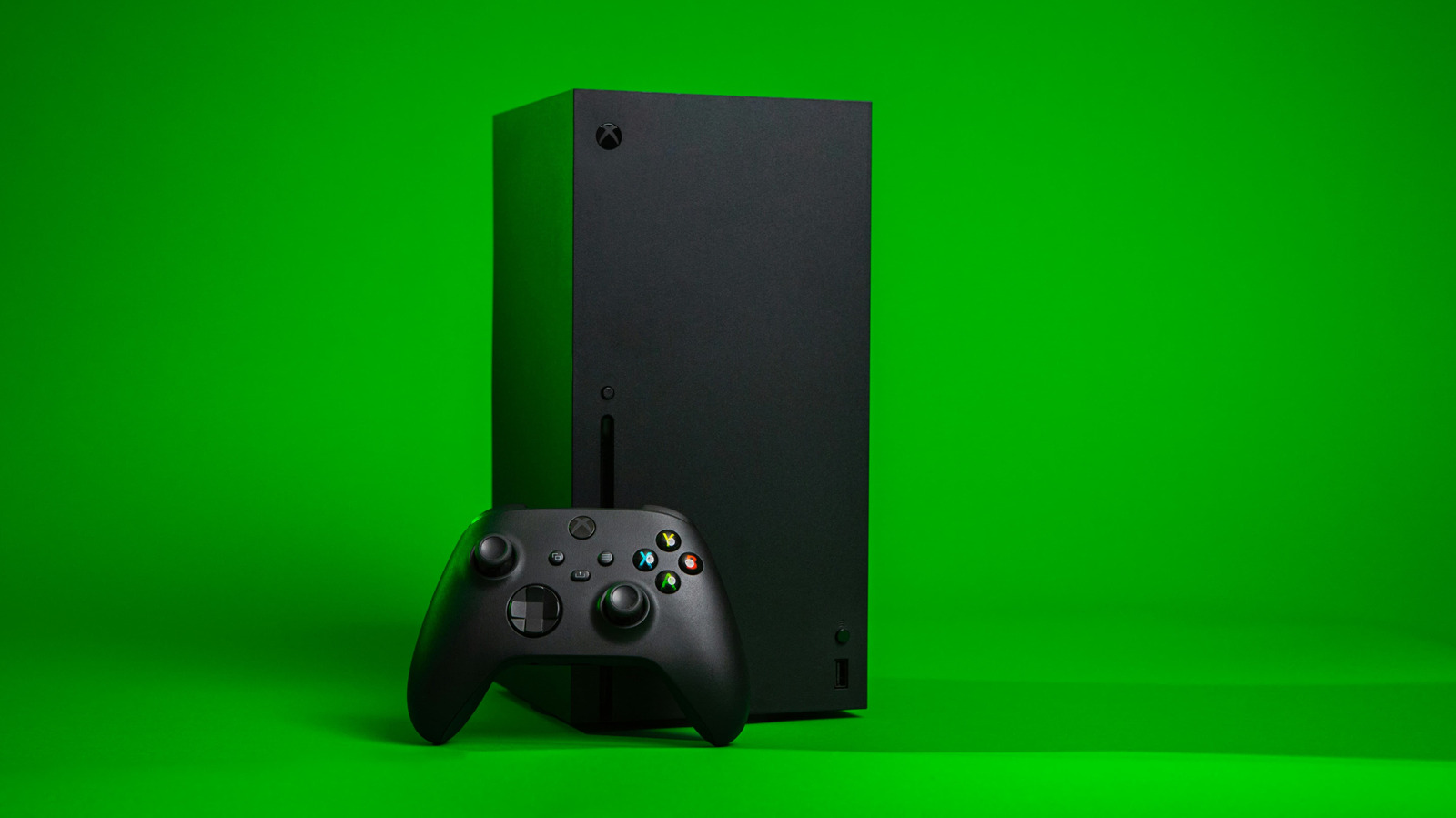

Microsoft will lay off 3,200 workers from its Xbox division over the next year as part of a major restructuring. The cuts, representing roughly 8% of Microsoft's gaming workforce, follow the company's $69 billion acquisition of Activision Blizzard and signal a broader downsizing across the tech industry.
- Restructuring Details
- Why Microsoft Is Reshaping Xbox
- Broader Tech Industry Context
- What This Means for the Industry
- Frequently Asked Questions
- Conclusion
Restructuring Details
According to Engadget, Microsoft told employees that the layoffs will occur over the next 12 months, affecting teams across Xbox Game Studios, ZeniMax Media, and Activision Blizzard's publishing operations. The company cited a need to "align resources with long-term strategic priorities" and reduce overlapping roles created by the Activision merger.
The 3,200 figure is the largest single round of gaming layoffs in Microsoft's history. It dwarfs the 1,900 gaming jobs cut in early 2024 and brings total Xbox workforce reductions to over 5,000 in two years. Microsoft's total gaming headcount before the cuts was roughly 39,000, including new Activision hires.

Why Microsoft Is Reshaping Xbox
The layoffs are the latest consequence of Microsoft's Activision Blizzard acquisition, which closed in October 2023 after 20 months of regulatory battles. Integrating the Call of Duty publisher's roughly 17,000 employees into Microsoft's existing gaming organization created massive redundancy in areas like marketing, finance, HR, and studio management.
Microsoft's gaming strategy is also shifting. The company is aggressively pushing Game Pass subscriptions and cloud gaming while de-emphasizing exclusive console launches. Recent moves such as bringing first-party titles like Sea of Thieves and Hi-Fi Rush to PlayStation and Nintendo Switch suggest a platform-agnostic future. Restructuring the workforce to support that vision means cutting legacy roles tied to Xbox hardware exclusivity.
Broader Tech Industry Context
The Xbox layoffs are part of a wider contraction in the technology sector. In the past 18 months, companies including Google, Amazon, Meta, Salesforce, and Spotify have collectively eliminated over 400,000 jobs. Gaming companies have been hit especially hard: Unity cut 25% of its staff, Epic Games laid off 830 workers, and Sony Interactive Entertainment reduced its PlayStation workforce by 900.
Many of these reductions trace back to the same dynamic: rapid hiring during the pandemic followed by a sobering reassessment of growth rates. Microsoft's gaming revenue grew 44% year-over-year in the most recent fiscal quarter thanks to Activision, but organic growth (excluding the acquisition) was only 7%. With interest rates remaining elevated, investors are demanding profitability over expansion.

What This Means for the Industry
For Microsoft investors: The layoffs are a near-term cost-cutting move expected to save $1.5 billion annually once fully implemented. Microsoft's gaming division has struggled to consistently turn a profit despite record revenue, and the cuts signal greater financial discipline. Shareholders are likely to view this positively, though the human cost is significant.
For competitors: Sony and Nintendo may feel pressure to further restructure their own gaming operations. Sony has already laid off 900 PlayStation employees in 2024, and Nintendo has maintained relatively lean headcount. But the Game Pass model continues to upend traditional game publishing economics, forcing rivals to invest in subscription services while trimming costs elsewhere.
For game developers and studios: The layoffs could slow the pace of new game releases. Microsoft has recently closed or restructured studios like Tango Gameworks and Arkane Austin. With fewer internal teams and tighter budgets, innovative projects may struggle to get greenlit. Independent developers may benefit as displaced talent starts new studios or shifts to indie publishing.
For the broader tech job market: Another major round of layoffs from a flagship tech company reinforces the narrative that the post-pandemic hiring binge is over. Tech workers may face increased competition for roles, especially in gaming, where supply of experienced developers outweighs demand. The shift from growth to efficiency is likely to persist through at least late 2026.
Conclusion
Microsoft's decision to cut 3,200 Xbox jobs reflects the ongoing realignment of the tech industry from a growth-at-all-costs posture to one focused on efficiency and profitability. The layoffs — the largest in Xbox history — are driven by the complexities of integrating Activision Blizzard and a strategic pivot toward subscription gaming. For the thousands of workers affected and the broader gaming ecosystem, the road ahead remains uncertain as the industry digests the biggest wave of consolidation and retrenchment in its history.