
Tesla is building a training academy for Optimus prototypes

Tesla is building a training academy for Optimus prototypes

2 min read•Oct 22, 2026•
Priya Nair
Priya Nair

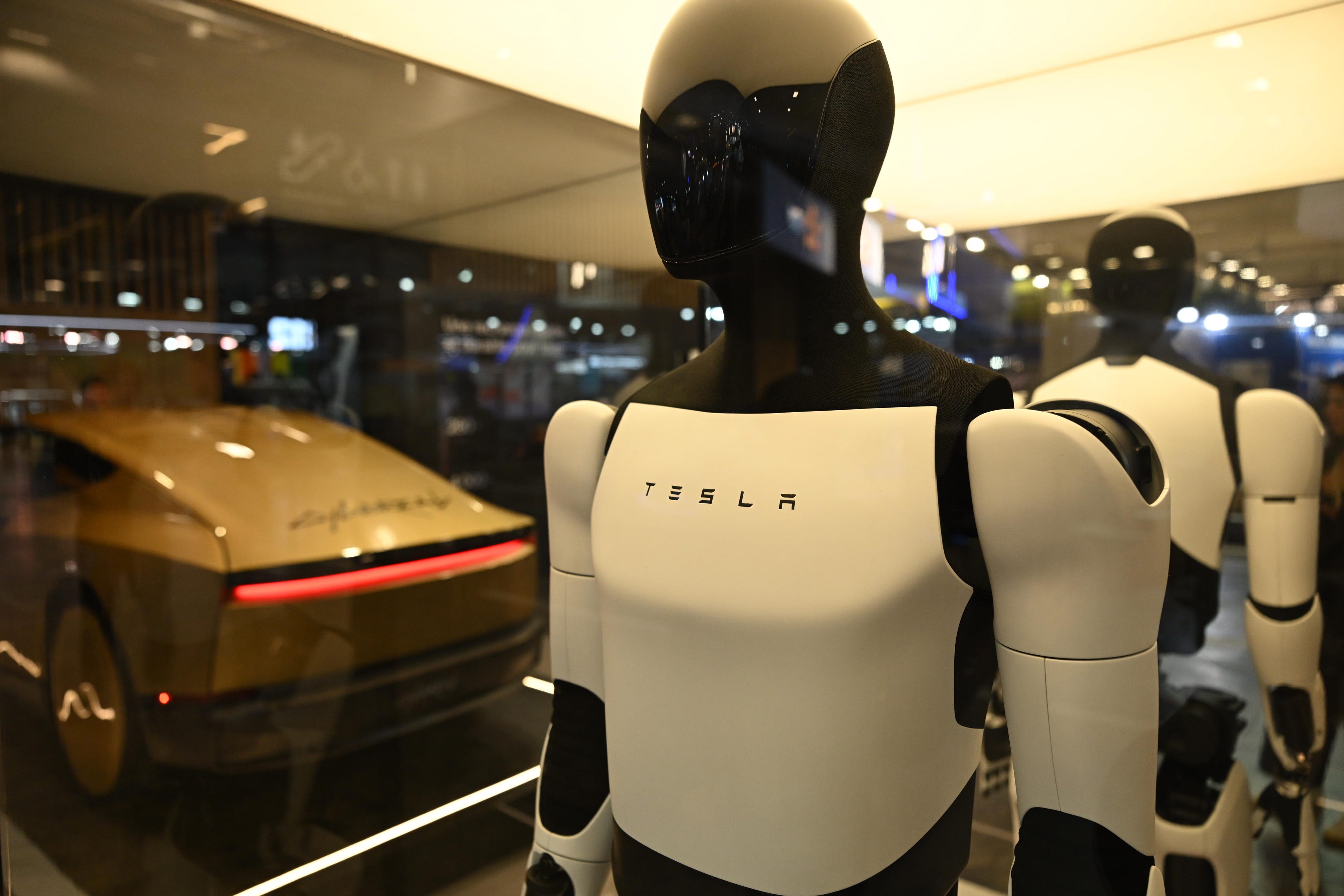
Tesla is building an Optimus Academy where humanoid prototypes can practice tasks and generate training data, first reported by Businessinsider. Musk says Optimus must learn by watching people and practicing tasks itself, a process he compared with how humans learn, unlike Tesla’s autonomous-driving models, which can learn from data gathered by the vehicle fleet.

The academy is being built for two related jobs: prototypes can practice a wide range of tasks and generate training data for future versions of Optimus. Musk said Tesla would need to make, in his estimate, on the order of 10,000 or 20,000 bots and have them do self-play to get the training data Optimus needs.

Robotics faces a shortage of real-world training data for teaching humanoids to navigate the physical world. Large language models such as ChatGPT, by contrast, were trained on the vast corpus of text data available on the internet.

Tesla said Wednesday that production of Optimus had begun at its Fremont factory. Musk said the company expects to begin delivering the robots to customers by the end of next year, but cautioned that production would be “somewhat bumpy” and development still had some way to go.

Musk listed durable yet responsive robotic hands and AI capable of handling open-ended tasks among Tesla’s main hurdles. Texas-based Apptronik has also set up data factories where robots load conveyor belts and sort objects to generate training data.

Plug-in vehicles reach 32% of global registrations in September

Plug-in vehicles reached 32% of global registrations in September, first reported by Cleantechnica. Battery-electric vehicles accounted for 23% of registrations and set a record at 1.54 million, up 8% year over year, while plug-in hybrids fell 9%; year to date in 2026, BEVs were up 12% and PHEVs down 10%.

Global plug-in registrations rose 3% year over year to around 2.16 million in September, close to the all-time record of 2.17 million set last December.

Year to date, plug-in registrations were up 4% year over year: BEVs grew 12%, while PHEVs fell 10%. Their combined share for 2026 stood at 25%, with BEVs at 18% and PHEVs at 7%. The overall growth rate therefore hides a clear split between the two categories.

The Tesla Model Y led the model rankings with a record 165,000 registrations, up 17% year over year. Tesla Model 3 came second with 65,000, enough to move ahead of Geely Xingyuan and BYD Song despite a 4% annual decline.

BYD Song finished fourth at 54,519 registrations, up 19% and the fastest growth rate among the top five. An export push and the new-generation Ultra body helped lift the model.

At the make level, Tesla had a record 232,000 registrations, up 9% year over year. Toyota reached 61,332 for its fourth record in a row, finishing ahead of Volkswagen’s year-best 58,000 to become September’s best-selling legacy make.