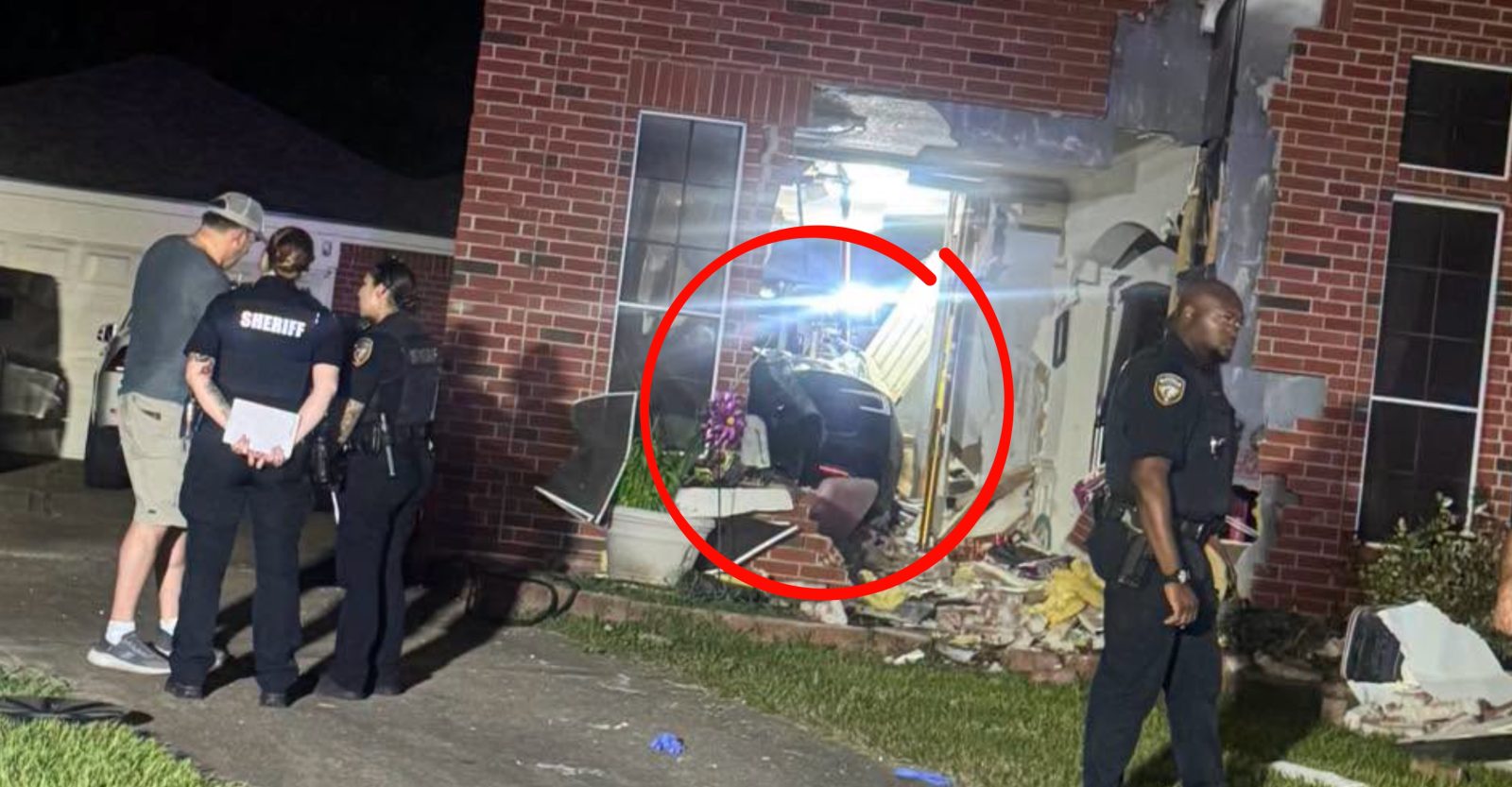
Tesla has stated that the driver of a Model 3 involved in a deadly Texas crash manually overrode the vehicle’s Full Self-Driving (FSD) system by pressing the accelerator pedal fully. The incident, which killed a 76-year-old woman inside a home, intensifies scrutiny over the boundaries of driver responsibility with advanced driver-assistance systems.
- What Happened
- Tesla’s Override Argument
- Regulatory and Public Trust Implications
- What This Means for the Industry
What Happened
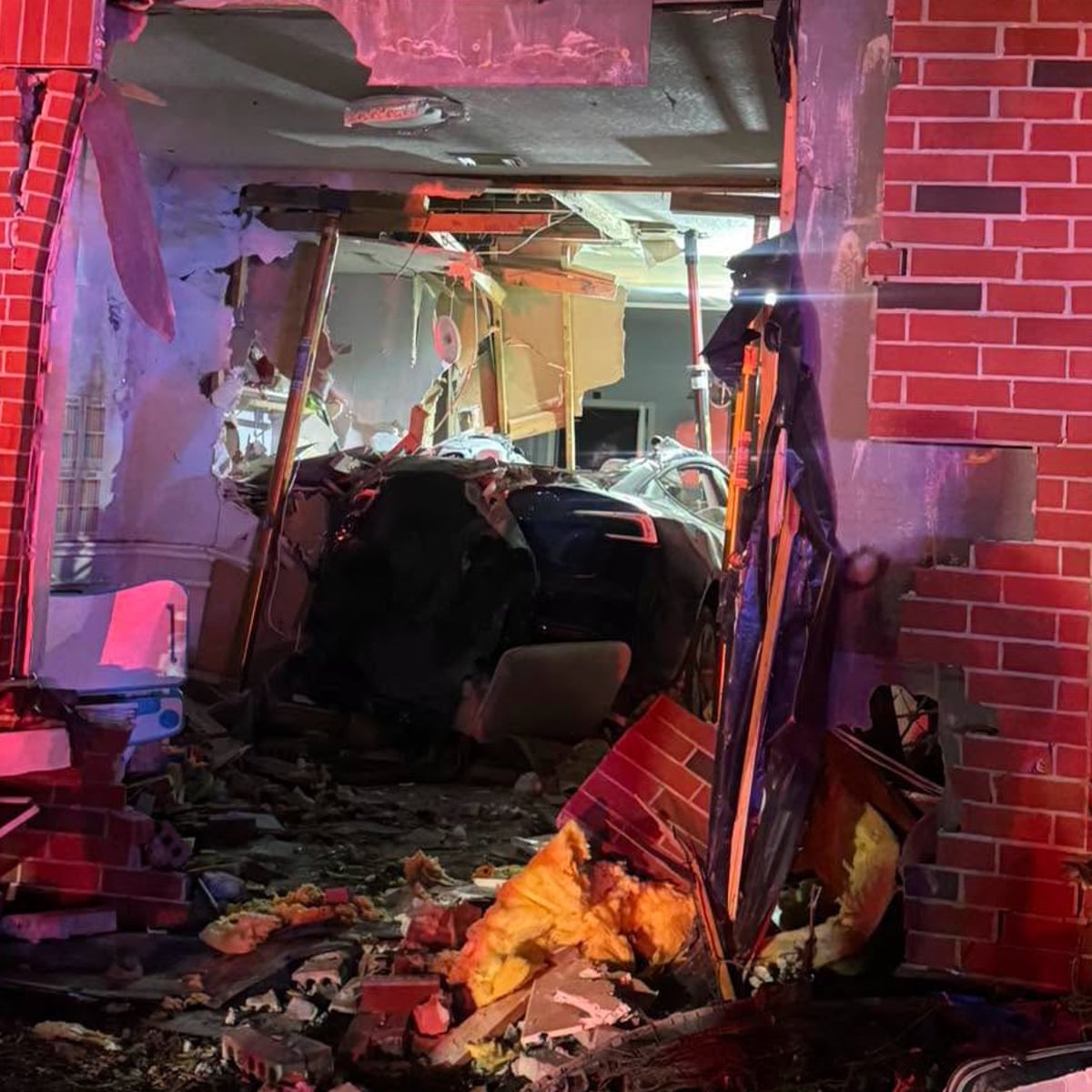
A Tesla Model 3 traveling at high speed crashed into a residential home in Texas, killing a 76-year-old woman who was inside the building. Local authorities initially reported the crash as potentially involving the vehicle’s autonomous driving features. The driver of the Tesla also sustained injuries.
According to The Verge, Tesla responded publicly on X (formerly Twitter) via its AI head Ashok Elluswamy. The company denied that FSD caused the accident, asserting that the driver had taken manual control before the collision.
Tesla’s Override Argument
Elluswamy stated that the driver “manually overrode self-driving by pressing the accelerator all the way to the floor.” He explained that Tesla’s FSD system is designed to yield to driver inputs when the accelerator pedal is depressed beyond a certain threshold. The vehicle’s logs, according to Tesla, indicate that the system disengaged and the driver was in full control at the time of impact.
The company’s defense hinges on the principle that FSD is a Level 2 system requiring constant driver supervision. Tesla argues that the driver’s action of fully pressing the accelerator overrides any autonomous functions, shifting liability away from the software. This is a familiar stance for Tesla, which has frequently emphasized that drivers must remain attentive and ready to take over at any moment.
Regulatory and Public Trust Implications
The fatal crash reignites debates about how Tesla markets and deploys its “Full Self-Driving” feature. Although the name implies full autonomy, the system still requires a licensed driver to monitor it. Critics argue that the branding confuses consumers and encourages over-reliance.
Regulators at the National Highway Traffic Safety Administration (NHTSA) have been investigating multiple Tesla crashes involving driver-assistance systems. This latest incident could push regulators to tighten rules around how automakers describe their systems and what data they must disclose after accidents.
Public trust in autonomous driving technology remains fragile after several high-profile incidents. If Tesla’s claim holds — that the driver overrode the system — it may reinforce the narrative that human error, not software failure, is the predominant cause. However, if investigations reveal software shortcomings, the damage to Tesla’s credibility could be significant.

What This Means for the Industry
For investors: Tesla’s stock has been sensitive to safety news, especially around FSD, a key part of its valuation narrative. A finding that clears the system could reassure shareholders, but any regulatory crackdown would pressure the stock and delay broader FSD deployment.
For competitors: Other automakers and autonomous driving companies — from Waymo to GM’s Cruise — watch these cases closely. A negative outcome for Tesla could slow adoption of driver-assistance features across the industry, as regulators and insurers demand higher safety standards and clearer driver monitoring.
For the tech sector broadly: The case tests the legal framework for liability when human and machine share control. If “override by accelerator” becomes a standard excuse, it may force engineers to redesign how systems handle driver inputs. It also underscores the need for robust data logging to definitively determine fault in crashes — a technical and legal challenge that will grow as more semi-autonomous vehicles hit roads.
Conclusion
Tesla’s defense — that a human driver manually overrode the FSD system in a fatal Texas crash — sets up a critical test for how liability is assigned in semi-autonomous vehicles. The outcome will influence regulatory action, consumer trust, and the design of future driver-assistance systems. As the investigation unfolds, the tech industry must grapple with the uncomfortable reality that even the most advanced alerts cannot prevent all forms of human error.