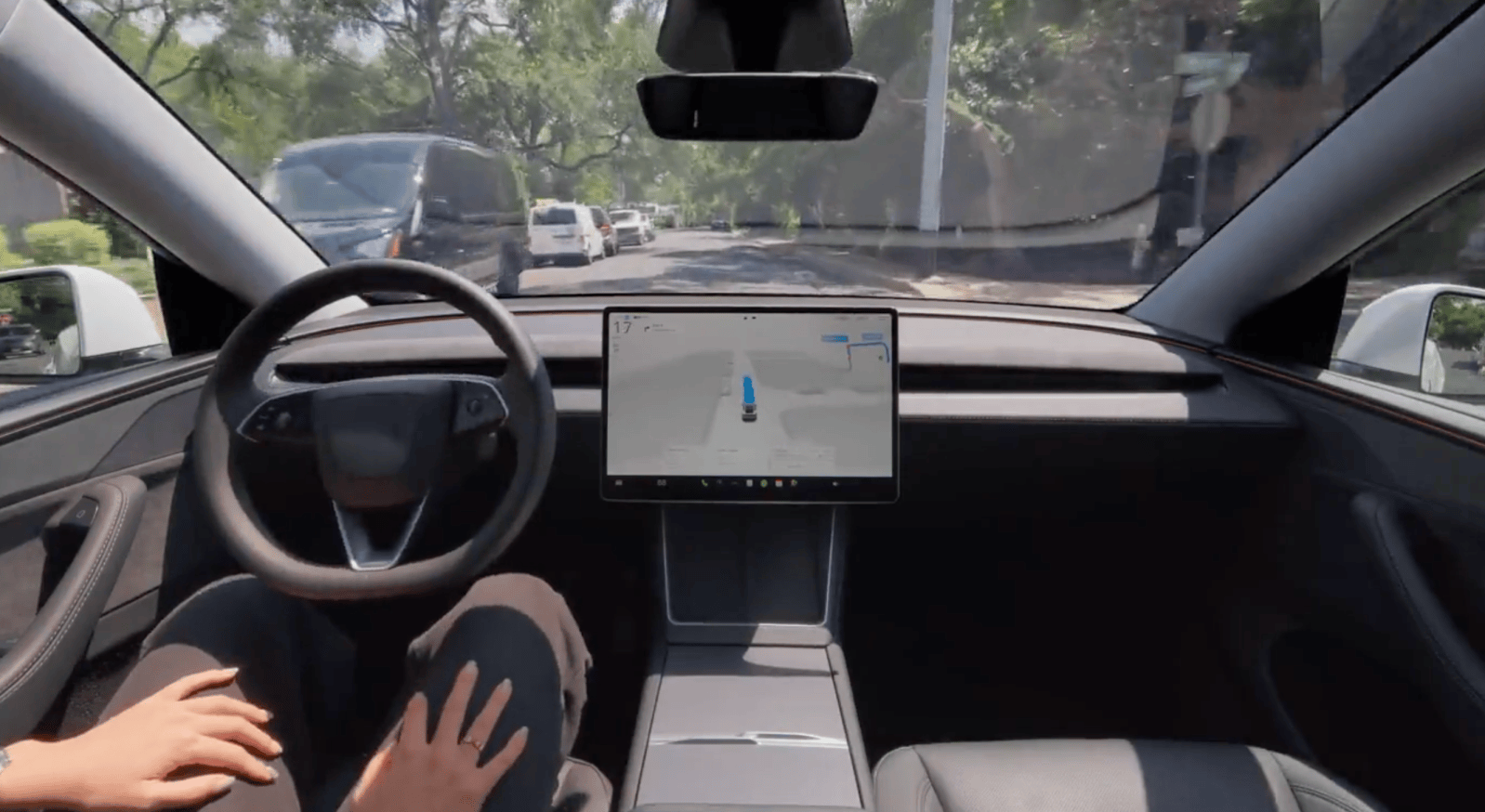
Tesla is building its own maps for Full Self-Driving (FSD) to address problems with speed limits, parking and route choices, first reported by Electrek. The shift puts a map layer behind tasks Tesla previously framed as solvable through cameras and AI alone, while addressing problems a shareholder identified in FSD.
Tesla VP of AI Ashok Elluswamy described an AI-based mapping and navigation architecture that will use what the fleet collectively learns. It is also designed to learn individual drivers’ preferences and respond to voice commands, rather than depend on maps from outside providers.
Tesla has pursued high-precision maps before. In 2015, it told Fortune it had begun building them using data from customer cars. At Autonomy Day in 2019, Elon Musk criticized high-precision lane maps, saying reliance on them made a self-driving system extremely brittle. Tesla has continued to use navigation maps, so building its own rather than licensing them is not a contradiction on its own.
The problems Tesla wants to address involve information FSD still struggles to read, especially speed limits. A Belgian road safety group last month found that FSD sped in 55% of the 30 km/h zones it tested in Brussels, averaging 44 km/h; the car’s screen showed a 50 km/h limit in most of those zones. NHTSA is weighing an investigation into claims that Tesla Robotaxis speed through active school zones, covering about 1,000 Model Y and Cybercab vehicles.
Tesla’s approach also shares a fleet-mapping element with Waymo: sensor-equipped vehicles map cities before service begins, and the fleet updates those maps as it drives. Waymo’s cars use lidar, while Tesla is not describing centimeter-level HD maps. The shared feature is fleet data feeding maps for self-driving systems, not an identical mapping setup.
Elluswamy said FSD v15 will begin handling trip starts and ends, with navigation, parking and destination handling to follow over the following months.