
SpaceX has secured $6.45 billion in contracts from the U.S. Space Force, a major boost as the company moves toward its highly anticipated initial public offering. The awards underscore the deepening relationship between the Department of Defense and the commercial space sector.
- The Contract Details
- Government Revenue and the IPO Context
- Why the Defense Department Keeps Betting on SpaceX
- Competitive Landscape
- What This Means for the Industry
- Frequently Asked Questions
- Conclusion
The Contract Details
The newly awarded contracts are part of the Space Force's National Security Space Launch (NSSL) Phase 3 program, which covers a range of launch services for the most critical government payloads. According to TechCrunch, the deal spans multiple missions scheduled through the early 2030s.
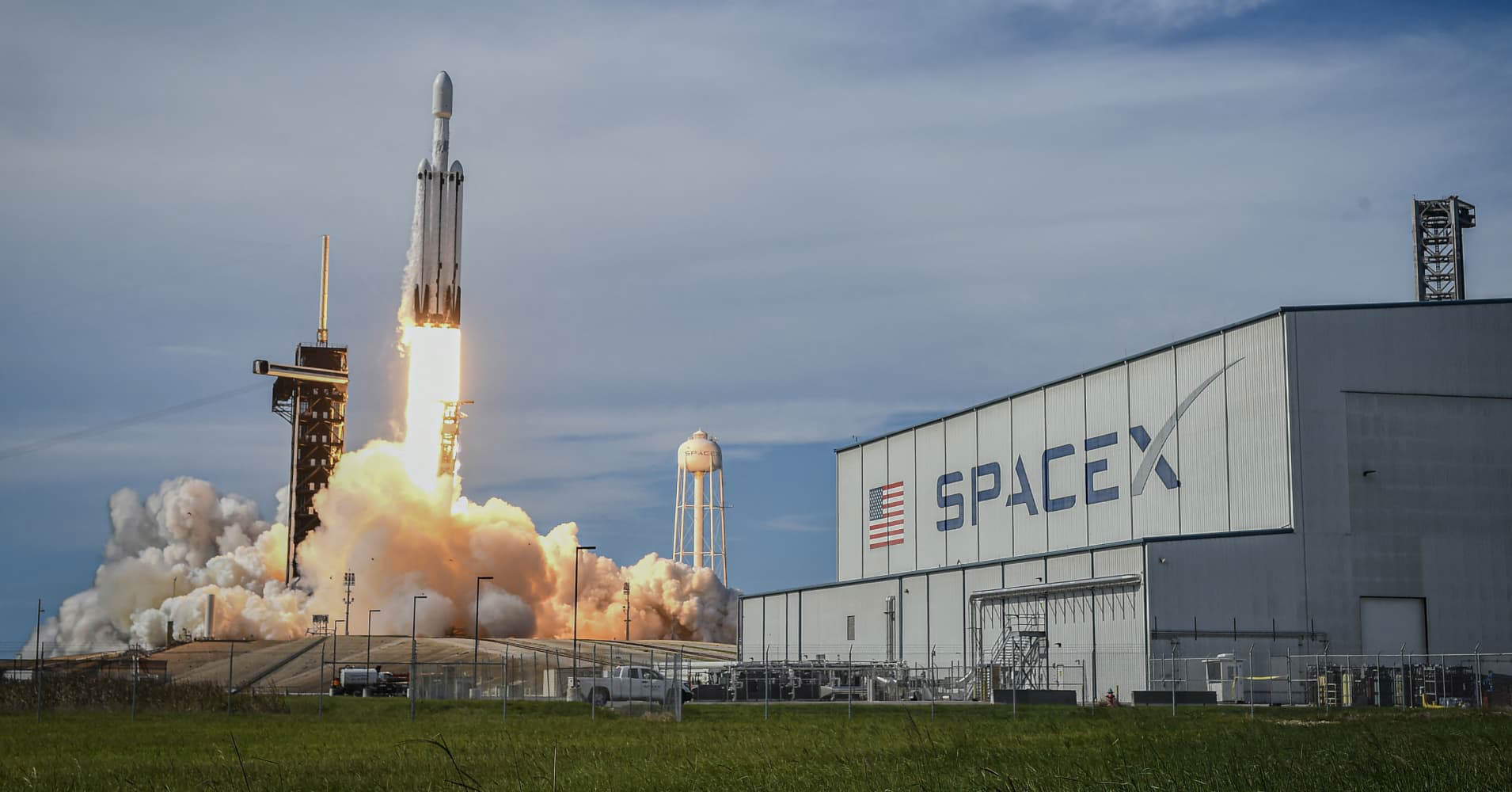
SpaceX will provide both standard and heavy-lift launch capabilities using its Falcon 9 and Falcon Heavy rockets. The contract also includes options for the company's Starship vehicle, should it achieve full operational certification for national security missions. The $6.45 billion total is one of the largest single procurement awards in the Space Force's history.

Government Revenue and the IPO Context
The contracts arrive as SpaceX prepares for its initial public offering, which is widely expected to be the largest in the space sector. In its IPO filing, the company disclosed that government contracts already accounted for roughly one-fifth of its 2025 revenue. The new Space Force awards will meaningfully increase that share and provide multi-year revenue visibility for investors.
Wall Street analysts had previously pegged SpaceX's private valuation at around $350 billion, though recent secondary market transactions have pushed that figure higher. The hefty government contract provides a strong foundation for the company's financial projections in its public prospectus.
Why the Defense Department Keeps Betting on SpaceX
The Space Force's decision to award such a large share of its launch needs to a single provider reflects both SpaceX's proven reliability and its cost advantages. The company's reusable rocket technology has driven per-launch costs down by an order of magnitude compared to legacy providers — a critical factor as the Pentagon seeks to expand its orbital assets.
SpaceX has now launched over 50 national security missions without a failure, giving the Defense Department confidence despite the company's unconventional approach. The new contracts also include provisions for rapid-response launches, enabling the military to deploy satellites on short notice in an emergency.
Competitive Landscape
The NSSL Phase 3 awards are split between SpaceX and a joint venture of United Launch Alliance (ULA) and Blue Origin. SpaceX's portion represents a significant victory over competitors who have historically dominated the national security launch market.
ULA, the Boeing-Lockheed Martin joint venture, has struggled to compete on price with SpaceX's reusable Falcon rockets. Blue Origin's New Glenn rocket has yet to reach operational status, limiting its near-term participation. The Space Force's decision to award the bulk of missions to SpaceX suggests the military values both proven capability and cost efficiency.
What This Means for the Industry
For investors, the $6.45 billion Space Force contract removes much of the revenue uncertainty that typically weighs on pre-IPO satellite and launch companies. SpaceX's filing already showed strong commercial launch demand from Starlink, but the government contract adds a predictable baseline that investors prize.
Competitors face a difficult strategic choice: either match SpaceX’s reusability-driven pricing or carve out niche mission sets where the military is willing to pay a premium for redundancy. The contract also pressures other launch providers to accelerate their own reusable rocket programs.
For the broader aerospace industry, the award signals that the U.S. government is willing to lean heavily on commercial providers for core national security missions. That trend favors companies with high launch cadences and low marginal costs — characteristics that SpaceX currently leads the market in achieving.
Conclusion
SpaceX's $6.45 billion Space Force contract is a landmark validation of the company's position as the Pentagon's preferred launch provider. The deal provides crucial financial clarity ahead of the IPO and signals the U.S. government's deepening reliance on commercial space capabilities. As SpaceX prepares for public markets, this contract stands as its largest single revenue assurance to date.