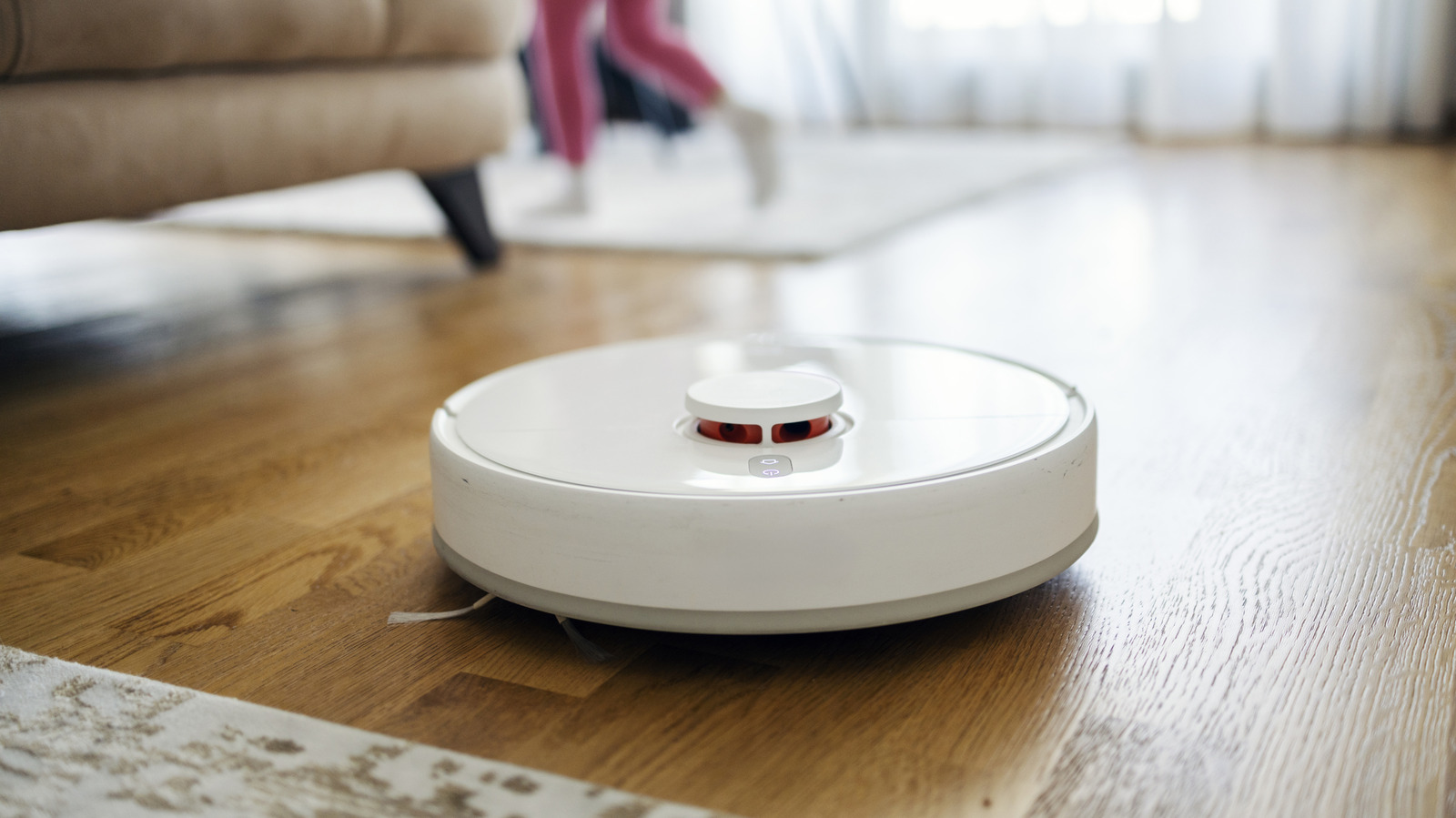

Robot vacuums can reduce routine cleaning but are not full replacements for human cleaners, a limitation first reported by Engadget. Owners still need to clear obstacles, handle difficult surfaces and corners, empty or maintain the machines, and pay more for features such as mopping and self-emptying docks to reduce some everyday chores.
Most robot vacuums lack arms, so floor preparation remains part of the routine. Toys, trailing charging cables and pet messes can disrupt a run; loose cables can wrap around brushes or wheels, while socks and lightweight rugs can be sucked in. Basic models use bump sensors, while pricier machines may use infrared sensors, LiDAR and AI cameras to better understand their surroundings, but even the most complex models cannot handle every obstacle well.
Cleaning limits
Surface debris on wooden floors is a better fit than dirt embedded in thick carpet. Brush design matters, and a machine's advertised suction figure does not show how well it will clean carpet fibres. Raised rug edges and doorways between tile, wood and carpet can also stop a vacuum.
Corners remain difficult for the mostly circular designs, even with side or extending brushes. Current-generation models also are not cleaning stairs or upholstery, leaving those jobs to a regular vacuum.
Convenience costs more
Basic models cost less than $100 and can handle basic dust and crumbs, although robustness is questionable. The iRobot Roomba 105 Combo costs around $300 with mopping and a self-emptying dock, while the Dreame X60 Max Ultra Complete costs around $1,700 and adds automatic mop washing with hot water and a retractable navigation sensor to fit underneath low furniture.
A self-emptying dock reduces how often the small onboard bin needs attention, but its larger container still needs emptying. Brushes and filters need cleaning or replacement, hair can wrap around moving brushes, and mopping adds water tanks and dirty pads to the maintenance list.
The trade-off is less daily intervention, not no intervention: added navigation and dock features raise the price, while difficult surfaces, corners and upkeep remain. Companies like Roborock are showcasing prototype models that can climb stairs, but they are not on sale yet.