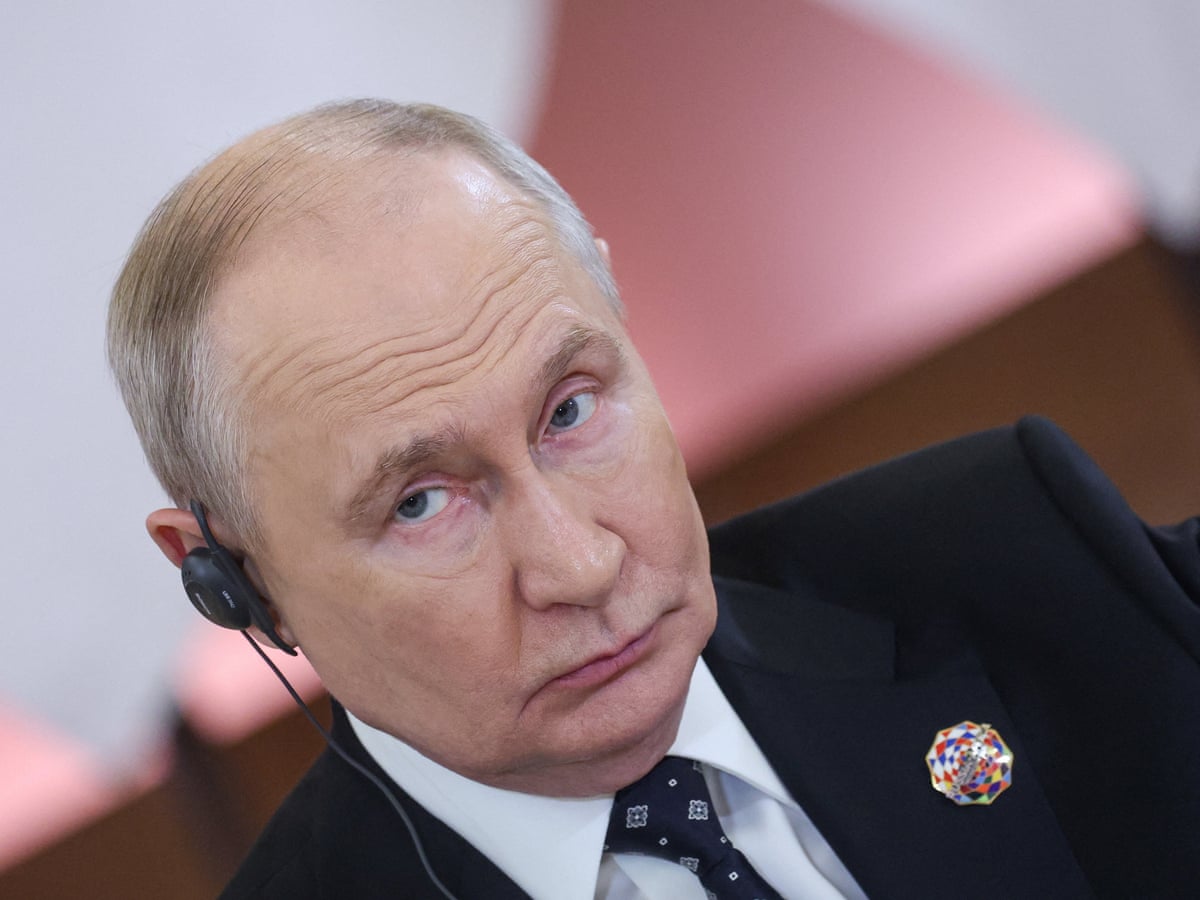

Vladimir Putin praised Elon Musk as Russia develops its own satellite communications system for military use against Ukraine, first reported by Theguardian. A mid-October restriction on Starshield prevented Ukraine from conducting medium drone attacks and hampered some of its anti-drone air defences, while Russia’s own Rassvet constellation has limited capacity.
At a summit with African leaders in Moscow, Putin compared SpaceX’s Starlink network with Russia’s gradual effort to build Rassvet. He said Musk’s network had more than 5,000 satellites in orbit and that Russia was only taking its first steps.
Active SpaceX satellites are estimated at about 10,000; Rassvet has an estimated 26 working satellites, and its capacity is limited. The figures describe different measures: active SpaceX satellites and working Rassvet satellites.
Starlink does not work in Russia, and its use by Russia inside Ukraine was restricted earlier this year. Putin said he was in close contact with American partners, including Musk, and stressed the importance of avoiding interference and maintaining order in orbit.
Starshield, the military version of Starlink, was restricted for one night in mid-October. The restriction prevented Ukraine from conducting medium drone attacks and hampered some of its anti-drone air defences.
Musk initially denied ordering a throttling of the internet connection, then said he had closed a loophole in which civilian Starlink had been used by the military.
Last week, Ukraine’s president, Volodymyr Zelenskyy, said Starlink and Starshield operations had been restored and that speeds were at the level Ukraine needed.