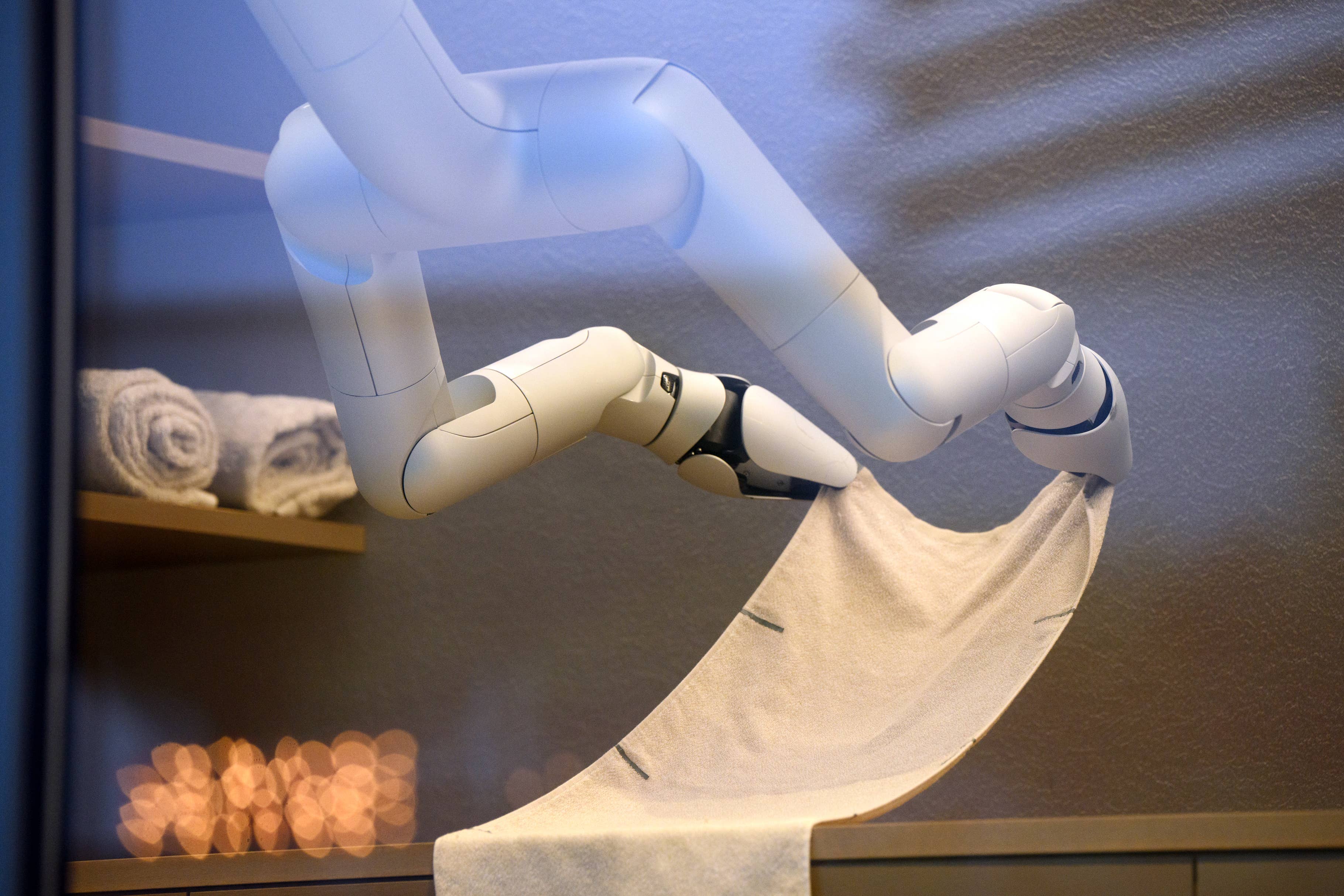
Musk says Optimus is being developed to drive a self-tapping screw into wood, a goal first reported by Businessinsider. Musk said basic skills such as screwing a nail into wood or opening a jar are much harder to reproduce with robot hands because they require the right application of force, precision and sensors.
Musk described hands, arms and fine motor skills as incredibly difficult to get right. He said he had not seen a robot-hand design, not even a demonstration, drive a self-tapping screw into wood.
No standard design exists for human hands intended for robots capable of dexterous manipulation. One choice is whether to put motors in the hands or within the arms; motors in the hands are smaller, may be more prone to breakage and produce less force.
Sensor placement adds a separate constraint. Musk said sensors too close to the surface risk damage, and described the difficulty of making touch sensors that elastically deform like fingers, handle high cycle life and do not break after a few thousand cycles.
The choices span motor location, force output, sensor placement and touch-sensor durability, with no standard hand design to follow.
Some robotics companies have opted not to mimic the human hand, while others continue to tackle the problem. Earlier this year, Palo Alto-based humanoid maker 1X said it had achieved what it called the closest hand to human-level dexterity with its NEO robot, describing a hand with 25 degrees of freedom and waterproofing.