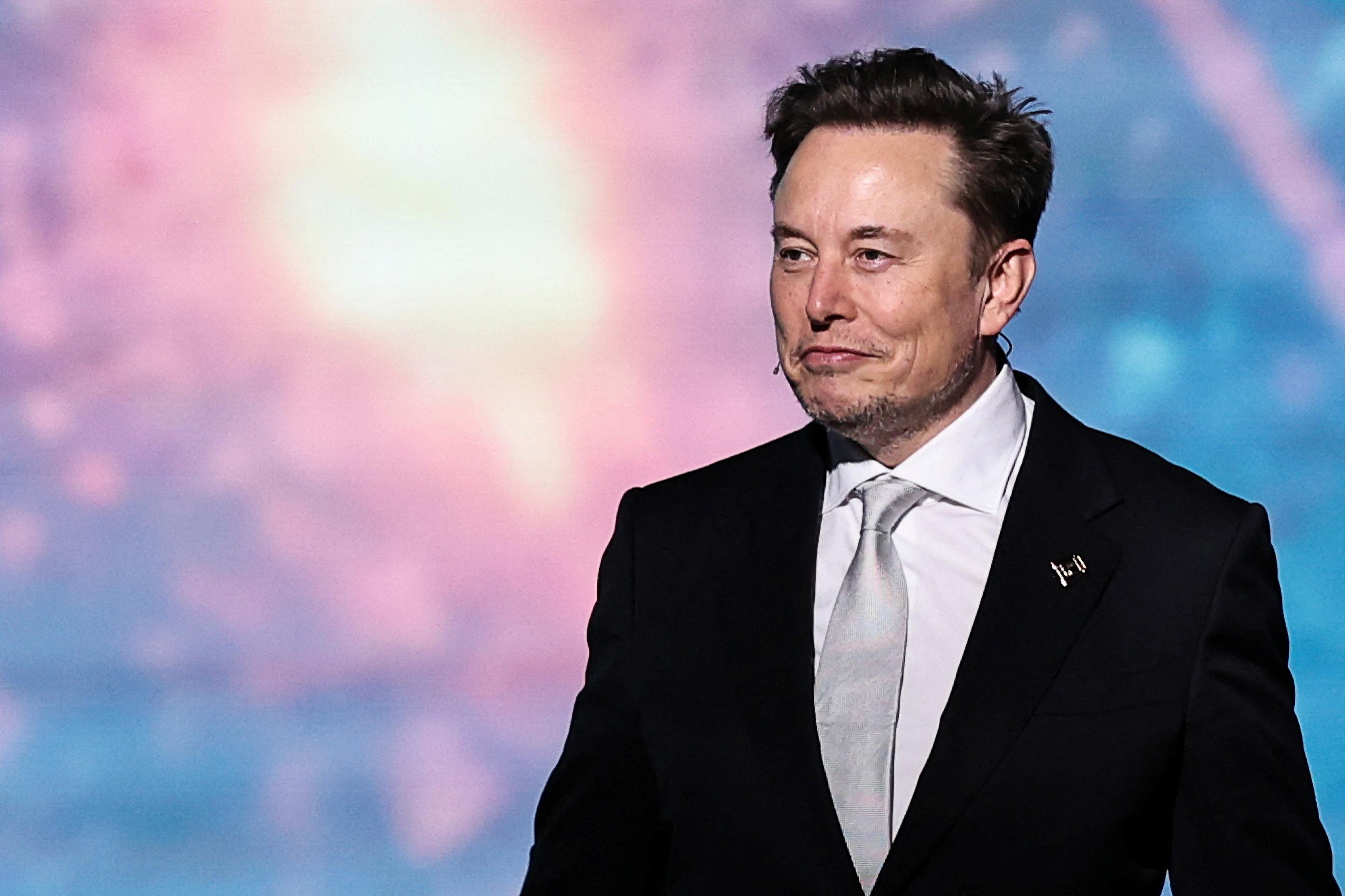

Elon Musk spent $366 million during the 2026 midterms, first reported by Electrek. Tesla says Musk’s political spending has harmed its business and cost it billions, and the company has asked him to stop; it has also acknowledged in quarterly reports and government filings that his political activity harms Tesla and shareholders multiple times.
The $366 million total exceeds the $288 million Musk spent during the 2024 election. Musk spent $276 million since July, and his midterm total makes him the election cycle’s largest political spender.
His spending on anti-EV political campaigns has passed half a billion dollars so far. Since 2024, Musk has openly backed the Republican Party and echoed its positions on issues related and unrelated to his businesses.
Tesla’s early approach was largely nonpartisan: the company promoted lower emissions, energy independence and lower energy costs without direct partisan marketing. Republican candidates opposed EVs, promised to harm them and followed through on actions that caused massive U.S. job losses and made EV charging harder.
Musk’s spending supports a party whose candidates opposed EVs even as Tesla says his political activity has harmed its business. Tesla is the only EV brand with negative perception, a perception directly correlated with Musk’s political activities.
The company has lost business opportunities in Canada, Australia, Germany and Denmark, with sales falling in most territories. Tesla has also seen protests and embarrassed owners.
Tesla acknowledges billions in lost revenue as a direct result of Republican actions Musk financially supported. The company, which had consistently grown since its inception, is now fighting for profitability; the November election was only a few weeks away.