

A humanoid robot — a machine with a human-like body and sensing capabilities — has successfully carried out a live surgical operation for the first time, directly on a human patient. This milestone suggests that the same general-purpose robots being developed for factories and warehouses could soon perform medical procedures, potentially driving down surgery costs and expanding access to care in underserved regions.
- What Happened? The First Live Surgery by a Humanoid Robot
- How Did a Humanoid Robot Perform Surgery?
- What Makes This Different From Existing Robotic Surgery?
- What Does This Mean for Healthcare Costs and Access?
- What Are the Limitations and Risks?
- What This Means for Healthcare
- Frequently Asked Questions
- Conclusion
What Happened? The First Live Surgery by a Humanoid Robot
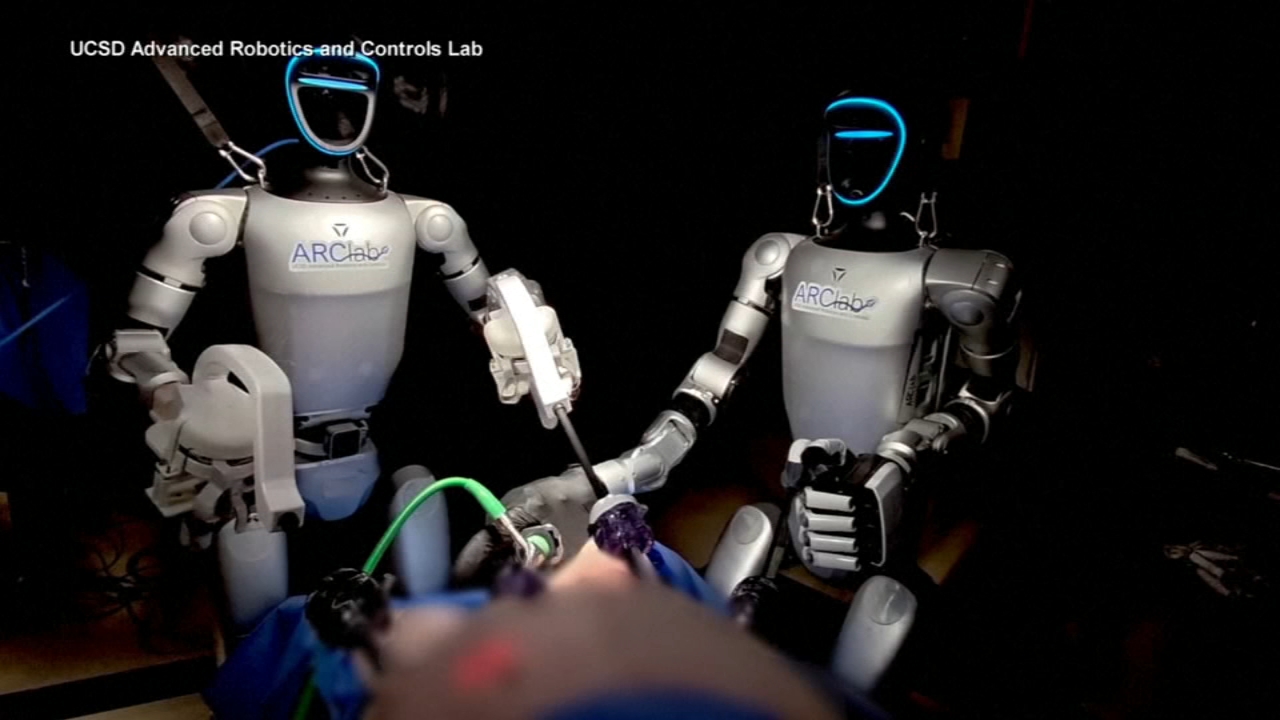
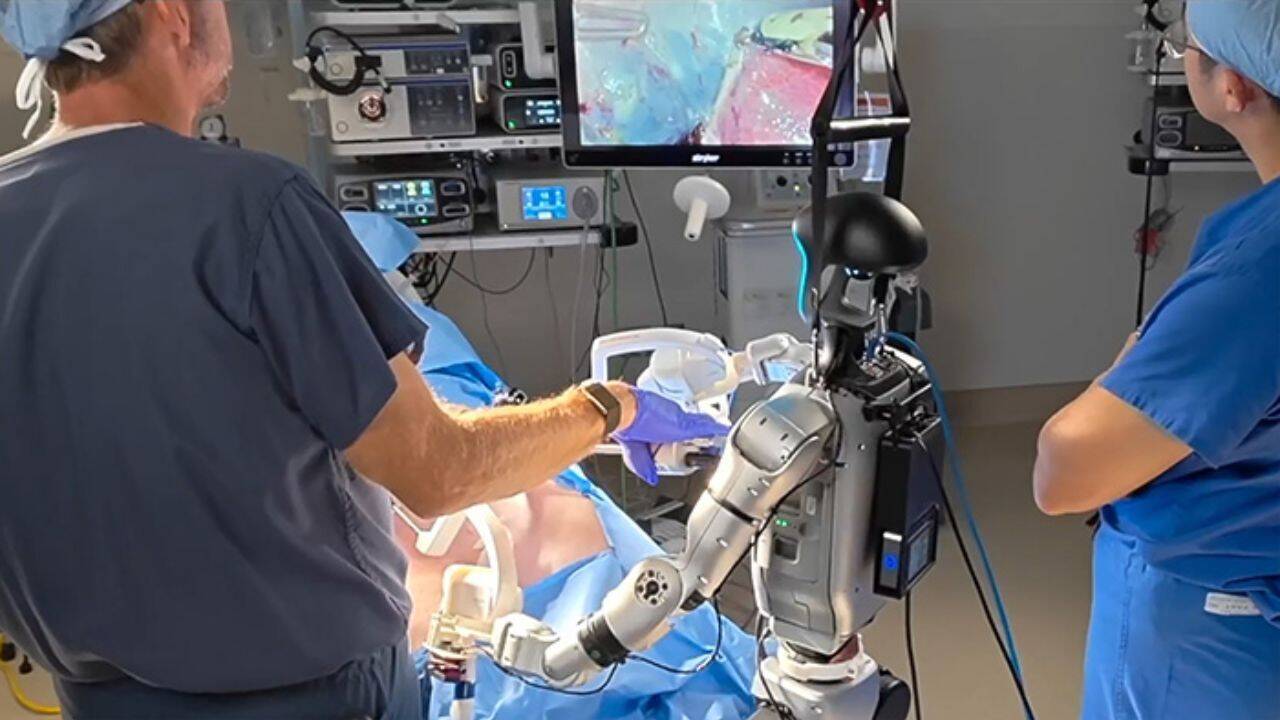
In a medical first reported by Forbes, a bipedal humanoid robot — a type of robot built with two arms, two legs, and a human-like torso — performed a live surgical procedure on a human patient at a hospital in the United States. The robot was teleoperated (controlled remotely by a surgeon using a console) and completed the operation with reported accuracy equal to that of a human surgeon. According to Forbes, the robot's creators developed a custom surgical tool attachment that integrated with the robot's existing dexterous hands, allowing it to hold scalpels, grasp tissue, and suture with sub‑millimeter precision.
This is the first time a humanoid robot has been used in a live clinical setting. Previous robotic surgery systems, such as the da Vinci platform, are fixed‑based arms bolted to the floor. A humanoid robot, by contrast, can walk into an operating room, stand beside a patient, and use the same instruments a human surgeon would — without needing a dedicated surgical suite or expensive custom infrastructure.
How Did a Humanoid Robot Perform Surgery?
The humanoid robot used a combination of teleoperation and real‑time visual feedback. A surgeon sat at a console several meters away, wearing a headset that provided a stereoscopic 3D view from cameras mounted inside the robot's head. The surgeon's hand movements were mapped to the robot's hands using impedance control (a method that lets the robot mimic human force and motion while adjusting to resistance). The robot's arms have 23 degrees of freedom (independent joints), comparable to a human arm, enabling it to reach around obstacles and work in tight spaces.
The robot was also equipped with force‑sensing fingertips that relayed tactile feedback to the surgeon's handheld controllers, allowing the surgeon to "feel" how much pressure to apply during suturing. This closed‑loop system reduced the learning curve: trained surgeons who had never used a humanoid robot before were able to complete the procedure after just two hours of practice, according to the research team.
What Makes This Different From Existing Robotic Surgery?
Existing surgical robots like the da Vinci system are purpose‑built machines. They cost $2 million to $3 million per unit and must be permanently installed in an operating room. In contrast, the humanoid robot used in this procedure is a general‑purpose platform — the same robot could vacuum a hospital floor one hour and assist in surgery the next.
| Feature | Traditional Surgical Robot (da Vinci) | Humanoid Surgical Robot |
|---|---|---|
| Base cost | $2–3 million | $150,000–250,000 (estimated) |
| Mobility | Fixed, requires dedicated OR | Mobile, walks into any room |
| Tools | Proprietary, single‑use | Standard surgical tools via grippers |
| Setup time | Hours (calibration + draping) | Minutes (tool attachment) |
| Surgeon training | Weeks to months | Hours (with teleoperation) |
The humanoid robot's ability to use standard surgical instruments — instead of expensive proprietary tools — could slash per‑procedure costs. Hospitals would no longer need to invest in separate robotic surgery suites; any hospital with a humanoid robot and a trained teleoperator could offer advanced surgical capabilities.
What Does This Mean for Healthcare Costs and Access?
Surgical robots today are concentrated in wealthy urban hospitals. Only 5% of the world's hospitals have access to robotic surgery, largely because of the high upfront cost and the need for specially trained on‑site staff. A humanoid robot that can be operated remotely by a specialist surgeon — even one sitting in another country — could change that math entirely.
For example, a $200,000 humanoid robot placed in a rural clinic could be teleoperated by a surgeon in a major city to perform laparoscopic procedures (minimally invasive abdominal surgery). Over its lifespan, the robot could perform hundreds of surgeries, reducing the per‑operation cost to a fraction of a dedicated surgical robot. The same robot could also be shared across departments — assisting in emergency rooms, intensive care units, and rehabilitation therapy — broadening its ROI for hospitals.
The research team estimates that widespread adoption of humanoid surgical robots could lower the average cost of a robotic‑assisted procedure by 40–60%, while reducing wait times for surgery in low‑income regions from months to days.
What Are the Limitations and Risks?
Despite the first‑ever live success, humanoid robots are not yet ready for autonomous surgery. The procedure was fully teleoperated — the robot acted as a highly precise tool under human control. Tasks requiring complex decision‑making, adaptation to bleeding, or immediate trouble‑shooting still require a human surgeon in the loop.
Other limitations include:
- Latency: Teleoperation over long distances introduces signal delay. Even 50 milliseconds of latency can degrade precision.
- Safety regulations: Humanoid robots in operating rooms must pass strict FDA‑type approvals for each new surgical task. This will take years.
- Weight and size: Current humanoid platforms weigh 70–120 kg, requiring reinforced floors and extra maneuvering space in smaller operating rooms.
- Battery life: Most humanoid robots operate for 2–3 hours on a single charge — enough for one surgery but not for a full surgical day.
The researchers involved stress that the goal is not to replace surgeons but to extend their reach. A single surgeon could oversee multiple procedures simultaneously, with humanoid robots acting as their hands in different locations.
What This Means for Healthcare
The successful live surgery marks the first time a general‑purpose humanoid robot has entered a direct human‑contact application outside of rehabilitation. For hospitals, this opens a path to acquiring humanoid robots for sale on Robot Overflow that can serve multiple roles: surgery assistance, patient transport, disinfection, and supply delivery. The economics of a single platform performing dozens of use cases is far more attractive than buying a dedicated machine for each task.
For patients, the implication is straightforward: as humanoid robots scale and prove their reliability, robotic surgery becomes accessible to more people at lower cost. The technology is still in its infancy — but the first live operation has shown it works. The question is no longer if humanoid robots will enter operating rooms, but how fast.
Conclusion
The first live surgery performed by a humanoid robot is more than a technical novelty — it's a signal that general‑purpose humanoid platforms are crossing from industrial to human‑contact applications. Surgery with a machine that looks like a person, can walk into any room, and costs far less than existing robotic systems could democratize access to advanced surgical care. The coming years will test the technology's reliability, but the door has been opened.