

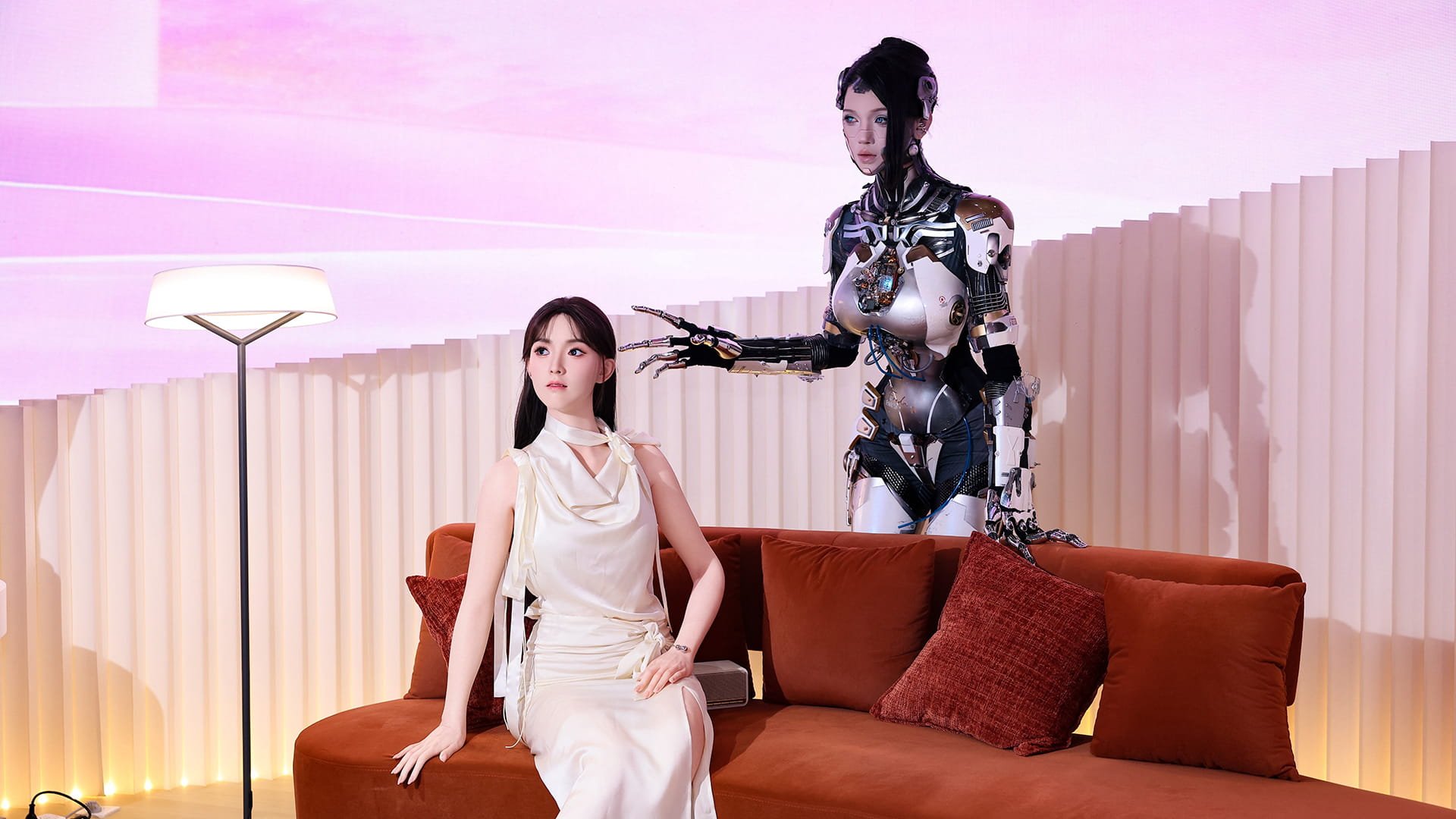
If you imagined a humanoid robot handling chores or keeping you company through the night, here's a reality check: most full-size humanoid robots can only operate for two to four hours before needing a recharge. That's the honest admission from Chinese robot maker UBTECH, responding to criticism that its new U1 robot — priced at $146,000 — doesn't last long enough to be useful.
- Why Can't Humanoid Robots Run Longer?
- How Does the U1's Battery Compare to Other Humanoids?
- What Can a Humanoid Robot Actually Do in 2–4 Hours?
- What This Means for Buyers
- Frequently Asked Questions
Why Can't Humanoid Robots Run Longer?
The fundamental reason is physics. A full-size humanoid robot needs to carry its own power source while also carrying motors, sensors, computers, and actuators that let it walk, balance, and manipulate objects. That's a punishing weight budget.
A typical humanoid robot weighs between 50–80 kg (110–176 lbs). Its battery pack can account for 10–15 kg of that weight. Even with modern lithium-ion cells, the energy density simply isn't high enough to power the 30–50 joints (each with its own motor and gearbox), onboard computer, cameras, and communication systems for a full workday. For context, the U1 uses a motor design that UBTECH calls "rotor flux," which the company says improves torque efficiency — but no actuator design can overcome the fundamental energy limits of current battery chemistry.
"The battery life of full-size humanoid robots across the industry typically ranges from two to four hours," UBTECH stated in response to criticism. The company insists the U1's endurance is consistent with competitors.
How Does the U1's Battery Compare to Other Humanoids?
UBTECH's claim that 2–4 hours is standard holds up against the competition. Most publicly disclosed battery figures for full-size humanoids fall within the same range.
| Robot | Company | Battery Life | Weight | Price |
|---|---|---|---|---|
| U1 | UBTECH | 2–4 hours | ~60 kg | $146,000 |
| Tesla Optimus | Tesla | ~4 hours | ~73 kg | ~$20k (target) |
| Atlas (electric) | Boston Dynamics | ~1–2 hours | ~89 kg | Not for sale |
| H1 | Unitree | ~2 hours | ~47 kg | ~$90,000 |
| Phoenix | Sanctuary AI | ~2–3 hours | ~70 kg | Not disclosed |
The table reveals an uncomfortable truth: no full-size humanoid robot currently delivers more than about 4 hours of continuous operation. Even Tesla's Optimus, which targets a dramatically lower price point, hasn't published battery figures exceeding the industry norm.
The battery limitation becomes especially relevant for home use. A robot that runs for 2–4 hours, then needs 1–2 hours to recharge, can't provide overnight companionship or uninterrupted household help. This is precisely the criticism UBTECH faced — that the U1 couldn't "last through a night" if used as a companion.
What Can a Humanoid Robot Actually Do in 2–4 Hours?
Two to four hours of active operation is enough for some applications but severely limits others. Here's a realistic breakdown of what that runtime enables:
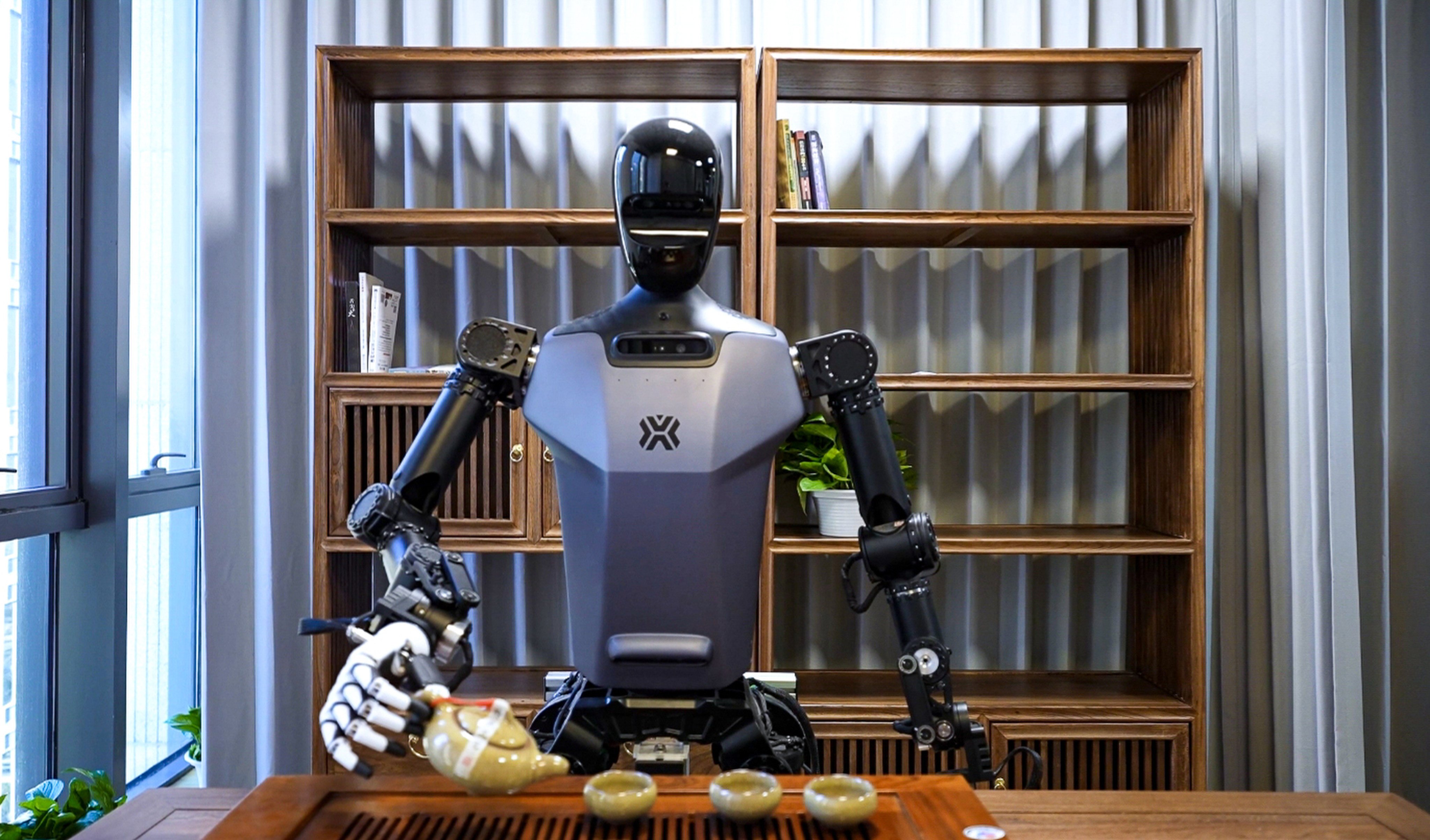
Achievable in 2–4 hours: - Guided tours in a museum or retail space (discrete tasks, low-intensity movement) - Reception duties in an office lobby (minimal walking, mostly standing and talking) - Short household demonstrations (pick up objects, open doors, wave) - Light lab testing and R&D validation
Not achievable in 2–4 hours: - Continuous overnight companionship (a key use case UBTECH is targeting) - Full workday warehouse labor (standard warehouse shifts are 8–10 hours) - Extended home cleaning or meal preparation - Security patrol or facility monitoring
UBTECH specifies that the U1 is positioned as an "emotional companion," not a romantic partner or boyfriend. The company says this positioning is supported and recognized by Chinese authorities. Still, a companion that needs to pause for recharging after a movie-length session isn't quite what most people imagine when they hear "companion robot."
What This Means for Buyers
If you're considering purchasing a humanoid robot today — or planning for one in the next 1–2 years — battery life is the hidden constraint that will shape your expectations.
For home buyers: The 2–4 hour runtime means these robots are not yet appliance-grade. A robot vacuum (like Roomba) runs for 90 minutes but docks itself autonomously to recharge. Humanoid robots don't yet have that seamless self-docking autonomy. The U1 will need human intervention to reconnect to its charging station.
For commercial buyers: Two to four hours is actually workable for specific deployment scenarios — retail greeters, event hosts, museum guides — where the robot operates in short bursts with idle periods between interactions. The economics don't work for continuous 8-hour shifts unless there's a battery-swapping or rapid-charging solution.
The market reality: Battery technology for humanoids is 3–5 years behind what the industry needs. Solid-state batteries, which promise 2–3× energy density, are still in the lab-to-factory transition. Expect incremental improvements — not breakthrough jumps — until at least 2028.
For those exploring humanoid robots despite this limitation, browse available humanoid robots on Robot Overflow to compare specs across models and see which platforms offer better battery configurations or hot-swappable battery options.
Conclusion
UBTECH's honest acknowledgment that 2–4 hours of battery life is an industry-wide standard, not a U1-specific flaw, reframes the conversation around humanoid robots. The real bottleneck isn't software or actuation — it's battery chemistry. Until solid-state or other next-generation power sources arrive, humanoid robots will remain tools for short, supervised sessions rather than autonomous 8-hour companions. For now, the robots walk, talk, and interact — but they're always watching the clock.